
The notion of establishing a business entity, particularly a Limited Liability Company (LLC), in a bustling economic hub like California can seem like a daunting undertaking. However, with a clear understanding of the process and the necessary steps, entrepreneurs can navigate this crucial phase with confidence. This guide will meticulously outline how to make an LLC in California, focusing on the legal and administrative aspects that are fundamental to setting up a sound business foundation. While the initial setup might seem complex, a structured approach ensures compliance and paves the way for future growth.
Understanding the Limited Liability Company Structure
Before diving into the procedural aspects, it is essential to grasp the fundamental characteristics of an LLC. A Limited Liability Company, or LLC, is a hybrid business structure that combines the pass-through taxation of a partnership or sole proprietorship with the limited liability of a corporation. This means that the personal assets of the LLC’s owners (known as members) are generally protected from business debts and liabilities. This protection is a cornerstone of the LLC structure, offering a significant advantage over sole proprietorships and general partnerships, where owners are personally liable for all business obligations.
Key Advantages of an LLC
The appeal of the LLC structure in California stems from several key advantages:
- Limited Liability: As mentioned, this is the primary benefit. Members are typically not held personally responsible for the debts and lawsuits against the business.
- Pass-Through Taxation: LLCs generally do not pay corporate income taxes. Instead, profits and losses are passed through to the members’ personal income tax returns. This avoids the “double taxation” sometimes associated with traditional corporations.
- Flexibility in Management: LLCs can be managed by their members (member-managed) or by appointed managers (manager-managed). This flexibility allows businesses to tailor their operational structure to their specific needs.
- Fewer Formalities: Compared to corporations, LLCs typically have fewer ongoing compliance requirements, such as mandatory annual meetings or detailed record-keeping.
When is an LLC the Right Choice?
An LLC is often an ideal choice for small to medium-sized businesses, startups, freelancers, and real estate investors. Its combination of liability protection and tax flexibility makes it a versatile entity for a wide range of ventures. For instance, a new tech startup looking to protect its founders’ personal assets while maintaining straightforward tax obligations would find an LLC highly beneficial. Similarly, a real estate investor acquiring properties in cities like Los Angeles or San Francisco might use an LLC to shield their personal finances from potential property-related liabilities.
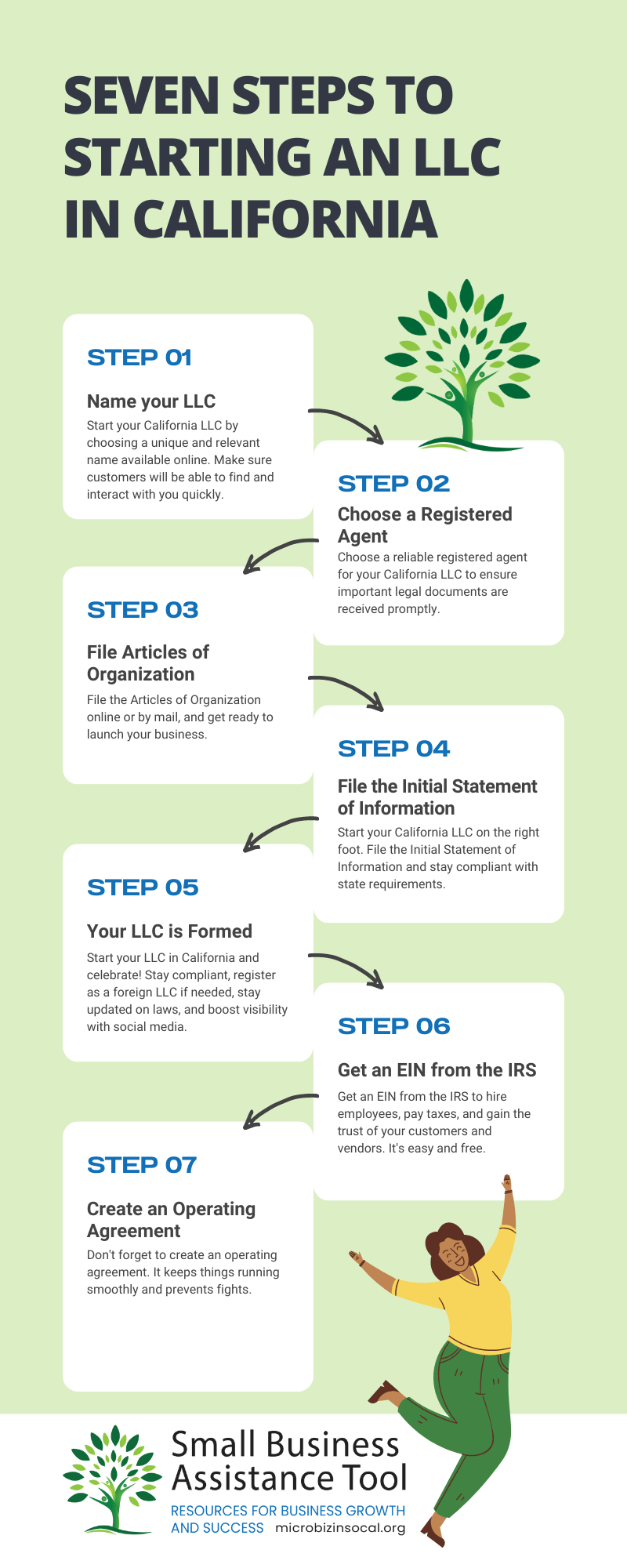
Step-by-Step Guide to Forming an LLC in California
Forming an LLC in California involves several distinct steps, each requiring careful attention to detail. The process is overseen by the California Secretary of State.
Step 1: Choose a Business Name
The first critical step is to select a unique and compliant business name. Your LLC’s name must be distinguishable from existing business names registered with the California Secretary of State.
Name Availability Check
Before committing to a name, it is highly recommended to conduct a thorough name availability search. You can do this online through the California Secretary of State website. This search will reveal if your desired name is already in use by another registered entity.
Naming Requirements
California has specific naming conventions for LLCs. The name must generally include one of the following designators:
- “Limited Liability Company”
- “LLC”
- “L.L.C.”
Additionally, your chosen name cannot imply that the LLC is a government agency or engage in activities it is not authorized to perform. It’s advisable to have a few alternative names ready in case your first choice is unavailable.
Step 2: Designate a Registered Agent
A registered agent, also known as a statutory agent or agent for service of process, is an individual or business entity designated to receive official legal documents and government correspondence on behalf of your LLC.
Requirements for a Registered Agent
In California, the registered agent must:
- Have a physical street address within California (a P.O. Box is not acceptable).
- Be available during normal business hours to accept service of process.
You can appoint yourself as the registered agent, a business partner, or a professional registered agent service. Professional services offer convenience and ensure that important documents are always received promptly, which is crucial for maintaining good standing with the state.
Step 3: File the Articles of Organization (Form LLC-1)
The formal creation of your LLC begins when you file the Articles of Organization with the California Secretary of State. This document is the foundational legal filing that officially establishes your Limited Liability Company.
Key Information in the Articles of Organization
The Articles of Organization (Form LLC-1) typically require the following information:
- LLC Name: The officially chosen and verified name of your LLC.
- Registered Agent Name and Address: The name and physical street address of your designated registered agent in California.
- Principal Office Address: The main business address of your LLC. This can be the same as the registered agent’s address if you are using a professional service and the LLC’s primary operations are there, or a separate business address.
- Management Structure: Indicate whether the LLC will be managed by its members or by appointed managers.
- Mailing Address for Future Correspondence: The address where the California Secretary of State will send official notices.
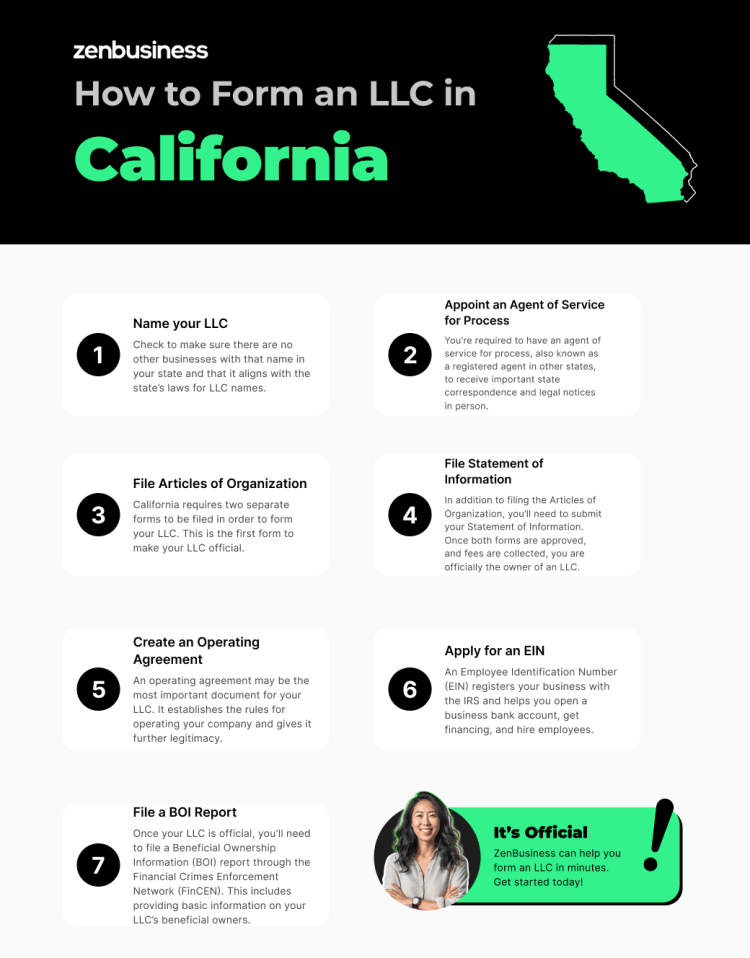
You can file the Articles of Organization online, by mail, or in person. There is a filing fee associated with this process, which can be found on the California Secretary of State website.
Step 4: Create an Operating Agreement
While not a mandatory filing with the state, an Operating Agreement is a crucial internal document for your LLC. It is a legally binding contract among the members of the LLC that outlines the ownership structure, operating procedures, and member responsibilities.
Contents of an Operating Agreement
A comprehensive Operating Agreement typically includes:
- Member Contributions: Details on initial capital contributions made by each member.
- Profit and Loss Distribution: How profits and losses will be allocated among members.
- Member Rights and Responsibilities: Outlines the voting rights, decision-making authority, and duties of each member.
- Management Structure: Reiteration of whether the LLC is member-managed or manager-managed.
- Membership Changes: Procedures for admitting new members or handling the departure of existing members.
- Dissolution Procedures: Guidelines for how the LLC will be dissolved if necessary.
Having a well-drafted Operating Agreement can prevent future disputes among members and clearly define how the business will operate, especially as it grows and potentially expands its reach to cities like San Diego or across the United States.
Step 5: Obtain an Employer Identification Number (EIN)
An Employer Identification Number (EIN), also known as a Federal Tax Identification Number, is a nine-digit number assigned by the Internal Revenue Service (IRS) to business entities operating in the United States.
When an EIN is Necessary
You will need an EIN if your LLC:
- Plans to hire employees.
- Operates as a corporation or partnership for tax purposes.
- Has more than one member.
- Files excise tax returns.
- Is involved with certain types of organizations.
Even if not strictly required, obtaining an EIN is highly recommended as it is essential for opening business bank accounts, applying for business licenses, and filing taxes. You can apply for an EIN online directly through the IRS website, and it is a free service.
Step 6: Comply with Ongoing California LLC Requirements
Once your LLC is established, there are ongoing obligations to maintain its good standing with the state.
Statement of Information
California requires LLCs to file a Statement of Information within 90 days of filing their initial Articles of Organization, and then every two years thereafter. This filing updates the California Secretary of State with current information about your LLC, including its principal office address, registered agent, and the names and addresses of its managers or members. Failure to file this statement can result in penalties and the administrative dissolution of your LLC.
Biennial Franchise Tax
An important financial obligation for LLCs in California is the biennial franchise tax. As of recent tax years, this is a flat annual tax of $800, payable to the California Franchise Tax Board. The first $800 tax payment is typically due by the 15th day of the 4th month after filing your Articles of Organization. Subsequent payments are due annually by April 15th. This tax applies regardless of whether the LLC is actively conducting business or has generated any income.
Additional Considerations for Your California LLC
Beyond the core formation steps, several other factors can significantly impact the success and compliance of your LLC in California.
Business Licenses and Permits
Depending on your industry and the specific locations where your business operates, you may need to obtain various state, county, and city business licenses and permits. This could include general business licenses, professional licenses, health permits, or zoning permits. Researching these requirements early on is essential to avoid operational disruptions or legal penalties. For example, a restaurant in Anaheim will have different licensing needs than a software company operating solely online.
Business Bank Account
It is highly advisable to open a separate business bank account for your LLC. This practice is crucial for maintaining the legal separation between your personal and business finances, which is fundamental to preserving your limited liability protection. Mixing personal and business funds can “pierce the corporate veil,” making your personal assets vulnerable. Use your EIN and Articles of Organization to open this account with a financial institution.
Accounting and Record-Keeping
Maintaining accurate financial records is not only a legal requirement for tax purposes but also essential for sound business management. Keep meticulous records of all income, expenses, invoices, and receipts. This will aid in tax preparation, financial analysis, and demonstrating compliance if ever audited by the IRS or the California Franchise Tax Board.

Professional Advice
Navigating the legal and financial landscape of forming and operating an LLC can be complex. Consulting with a business attorney and a certified public accountant (CPA) who are experienced with California business law and taxation is highly recommended. They can provide tailored advice, ensure all legal requirements are met, and help you optimize your tax strategy.
Forming an LLC in California is a strategic move that can provide significant legal and financial advantages for entrepreneurs. By diligently following the outlined steps—from selecting a name and designating a registered agent to filing the necessary documents and understanding ongoing compliance—you can establish a solid foundation for your business venture, allowing you to focus on growth and innovation in the dynamic California market.
LifeOutOfTheBox is a participant in the Amazon Services LLC Associates Program, an affiliate advertising program designed to provide a means for sites to earn advertising fees by advertising and linking to Amazon.com. Amazon, the Amazon logo, AmazonSupply, and the AmazonSupply logo are trademarks of Amazon.com, Inc. or its affiliates. As an Amazon Associate we earn affiliate commissions from qualifying purchases.