
California, a state synonymous with sun-drenched beaches, Hollywood glamour, and pioneering innovation, might not immediately conjure images of dusty racks of pre-loved clothing and curated vintage treasures. However, to overlook the Golden State’s vibrant thrift store scene would be to miss a significant layer of its diverse and dynamic culture. Far from being mere repositories of cast-off goods, California’s thrift stores are integral to its identity, reflecting its commitment to sustainability, its appreciation for unique style, and its robust second-hand economy. From sprawling metropolitan areas to bohemian coastal towns, the state offers an exceptional array of thrifting experiences, making it a compelling destination for those seeking distinctive finds and a more conscious approach to consumption.

A Thrifting Haven: Why California Excels
California’s reputation as a thrifting paradise is not accidental. Several key factors contribute to its thriving second-hand market, making it a destination for both locals and intrepid travelers. The state’s progressive environmental consciousness plays a crucial role. As a leader in recycling and waste reduction initiatives, California has cultivated a population that is highly receptive to the principles of reuse and upcycling. This cultural embrace of sustainability translates directly into a strong demand for thrifted goods, supporting a robust network of charity shops, vintage boutiques, and consignment stores.
Beyond environmentalism, California’s diverse population and its history as a cultural melting pot foster a demand for eclectic and unique items. The state attracts individuals from all walks of life, each bringing their own tastes and styles. This diversity fuels a constant influx of varied merchandise into thrift stores, offering a treasure trove of possibilities for fashion enthusiasts, collectors, and DIY decorators alike. Whether you’re in the sprawling urban landscape of Los Angeles or the artistic enclaves of San Francisco, the sheer volume and variety of offerings are astonishing.
Furthermore, the sheer economic scale of California means a large consumer base, which in turn generates a substantial amount of goods entering the second-hand market. This economic engine ensures that thrift stores are constantly replenished with new inventory, offering a fresh experience with every visit. The accessibility of these stores, from major cities to smaller towns, makes them a convenient and enjoyable part of exploring the state.
The Economic and Environmental Impact
The economic ripple effect of thrift stores in California is significant. They provide affordable shopping options for a wide range of income levels, from students to families on a budget. For many, thrifting is not just a hobby but a necessity, offering access to quality clothing and household items at a fraction of the retail price. Moreover, these establishments often serve as vital funding sources for charitable organizations, supporting vital community programs and services across the state.
The environmental benefits are equally profound. By extending the lifespan of products, thrift stores divert vast amounts of waste from landfills. This commitment to a circular economy aligns perfectly with California’s ambitious environmental goals. Consumers who choose to thrift contribute directly to reducing the carbon footprint associated with manufacturing new goods, conserving natural resources, and minimizing pollution. This conscious consumerism is a hallmark of the California lifestyle, and thrift stores are a tangible manifestation of this ethos.
Navigating California’s Diverse Thrifting Landscape
California’s thrift store scene is not monolithic; it’s a mosaic of different types of establishments, each offering a unique thrifting adventure. Understanding these distinctions can help you maximize your chances of finding exactly what you’re looking for, or perhaps stumbling upon an unexpected gem.
Charity Shops and Resale Stores
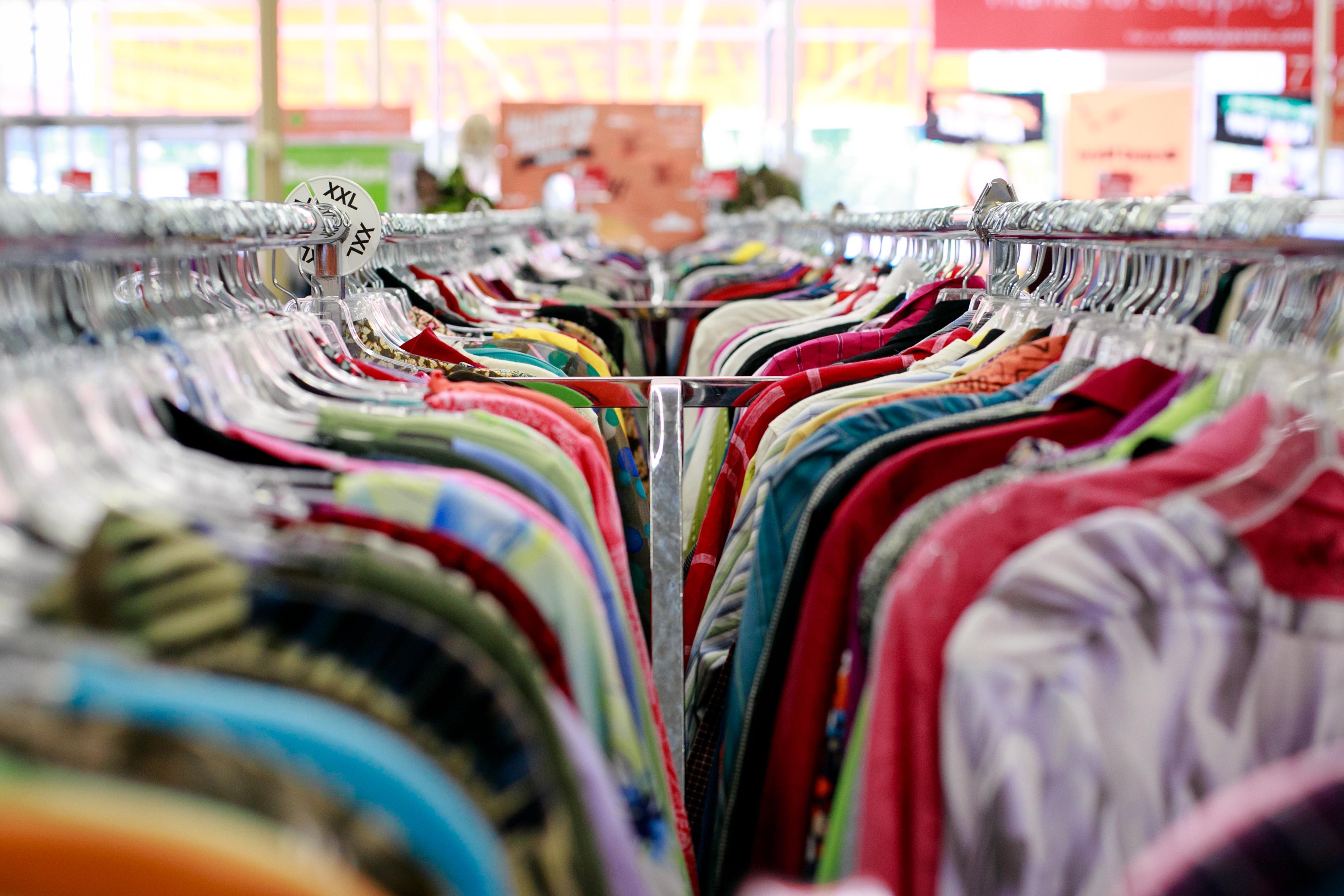
These are perhaps the most common type of thrift store, often run by well-known charitable organizations. Stores like Goodwill and Salvation Army have a widespread presence throughout California. They accept donations from the public and sell a wide array of items, including clothing, housewares, books, and furniture. The inventory can be highly variable, offering a true treasure hunt experience. Frequent visits are often rewarded, as new items are stocked daily. Some of these larger organizations even have online platforms or specialized outlets for higher-value items.
Vintage Boutiques and Curated Resale
For those seeking a more curated and often higher-end experience, vintage boutiques are the place to go. These stores specialize in carefully selected items from specific eras, often focusing on fashion from the 1920s to the 1990s. They are known for their quality control and the unique aesthetic of their offerings. While prices may be higher than traditional thrift stores, the assured quality and distinctive pieces often justify the cost. Cities like San Francisco and Oakland boast numerous such establishments, attracting fashion-forward individuals and collectors.
Consignment Shops
Consignment stores operate on a different model: individuals bring their gently used items to the store, and the store sells them on their behalf, taking a percentage of the sale price. This often results in a higher quality of merchandise, as sellers are motivated to offer items in good condition to maximize their return. Consignment shops can be excellent sources for designer clothing, brand-name accessories, and well-maintained furniture. They are particularly prevalent in affluent areas and offer a more boutique-style shopping experience.
Flea Markets and Swap Meets
While not strictly thrift stores, flea markets and swap meets are essential components of California’s second-hand economy. These vibrant, often outdoor, events bring together a multitude of vendors selling everything from antiques and collectibles to vintage clothing and handmade crafts. They offer a lively atmosphere and the opportunity to haggle with sellers, making for an engaging and potentially very rewarding shopping excursion. Popular spots can be found throughout the state, especially on weekends.
Iconic Thrifting Destinations and Neighborhoods
Certain areas within California are particularly renowned for their exceptional thrift store offerings, drawing dedicated shoppers from near and far. Exploring these locales can provide a concentrated dose of the state’s thrifting culture.
Los Angeles: A Diverse Urban Treasure Trove
Los Angeles is arguably the epicenter of thrifting in California, offering an unparalleled variety of options. The sheer size of the city means an abundance of charity shops, many of which are well-stocked due to the large population and the presence of many fashion-conscious individuals. Neighborhoods like Echo Park, Silver Lake, and West Hollywood are known for their trendy vintage boutiques and well-curated consignment stores, catering to the city’s discerning fashion scene. In contrast, areas like the San Fernando Valley often host larger, more sprawling thrift stores where bargain hunters can spend hours sifting through incredible finds. The sheer volume of clothing and goods moving through Los Angeles ensures that every visit can yield unique discoveries, from vintage designer pieces to quirky home décor.
San Francisco and the Bay Area: Bohemian Chic and Vintage Charm
San Francisco and its surrounding Bay Area communities are celebrated for their bohemian spirit and deep appreciation for unique, vintage items. The city itself is home to a plethora of independent thrift stores and vintage shops, particularly in neighborhoods like the Mission District and Haight-Ashbury, an area historically synonymous with counterculture and unique fashion. Beyond the city limits, towns like Berkeley and Oakland offer a rich tapestry of second-hand options, from quirky independent boutiques to larger donation centers. The emphasis here is often on quality, sustainability, and a distinctive aesthetic that reflects the region’s artistic and progressive values.
Coastal Towns and Inland Empires: Unexpected Finds
While the major metropolitan areas often garner the most attention, don’t underestimate the thrifting potential in California’s smaller coastal towns and inland communities. These areas can sometimes yield overlooked treasures, as the competition might be less fierce. Quaint seaside villages might have charming antique shops or small charity stores with unique maritime-themed décor or vintage beachwear. Inland cities, with their diverse histories, can surprise with finds related to agriculture, industry, or classic Americana. Many road trip itineraries through California can be enhanced by a spontaneous stop at a local thrift store, offering a glimpse into the everyday life and hidden histories of these communities.
Tips for a Successful California Thrifting Expedition
Embarking on a thrifting adventure in California can be incredibly rewarding, but a little preparation and a strategic approach can elevate your experience from a casual browse to a successful treasure hunt.
Go with a Plan (But Stay Flexible)
Before you head out, have a general idea of what you’re looking for. Are you hunting for specific vintage clothing items, unique home décor, or perhaps a particular piece of furniture? Having a goal can help you focus your search. However, the beauty of thrifting lies in unexpected discoveries. Be open to items you hadn’t initially considered; they might just be the most exciting finds.
Visit Often and at the Right Times
Thrift stores receive new inventory daily. Visiting multiple times a week, or even daily if you’re on an extended trip, can significantly increase your chances of finding something special. Weekday mornings, especially after a weekend donation influx, are often prime times. Many stores also have color-coded tag sales or rotating discount days, so inquire about their specific promotions.
Inspect Items Carefully
Given the pre-owned nature of thrift store items, thorough inspection is crucial. Check for stains, tears, missing buttons, broken zippers, and any other signs of wear and tear. For furniture, look for structural integrity and any necessary repairs. For electronics, if possible, test them to ensure they are in working order.
Know Your Brands and Materials
Familiarize yourself with desirable brands, fabrics, and styles. This knowledge will help you quickly identify potential high-value items. California thrift stores often carry a wide range of contemporary and vintage designer labels, as well as quality natural fibers like silk, wool, and linen.

Embrace the Local Experience
Thrift stores are microcosms of the communities they serve. Engage with the staff, observe what others are looking for, and appreciate the unique character of each location. It’s an opportunity to connect with the local culture in a tangible way, far removed from the curated experiences of typical tourist attractions. Whether you’re searching for a statement piece of clothing or a charming memento, California’s thrift stores offer a sustainable, stylish, and deeply authentic way to explore the Golden State.
LifeOutOfTheBox is a participant in the Amazon Services LLC Associates Program, an affiliate advertising program designed to provide a means for sites to earn advertising fees by advertising and linking to Amazon.com. Amazon, the Amazon logo, AmazonSupply, and the AmazonSupply logo are trademarks of Amazon.com, Inc. or its affiliates. As an Amazon Associate we earn affiliate commissions from qualifying purchases.