
While understanding the specific zip code for San Francisco, California, can be a practical matter for mail delivery or online forms, its true significance within the context of travel and exploration lies in how it unlocks a deeper appreciation for the city’s intricate geography and diverse neighborhoods. For any traveler, knowing the postal code is just the first step in navigating the vibrant tapestry that makes up this iconic West Coast metropolis. It’s a key that can, in a way, help to organize your journey, allowing you to better understand the distinct character of each area you plan to visit, from the bustling financial district to the bohemian enclaves and the scenic waterfront.
Unpacking the Postal Codes: A Gateway to San Francisco’s Identity
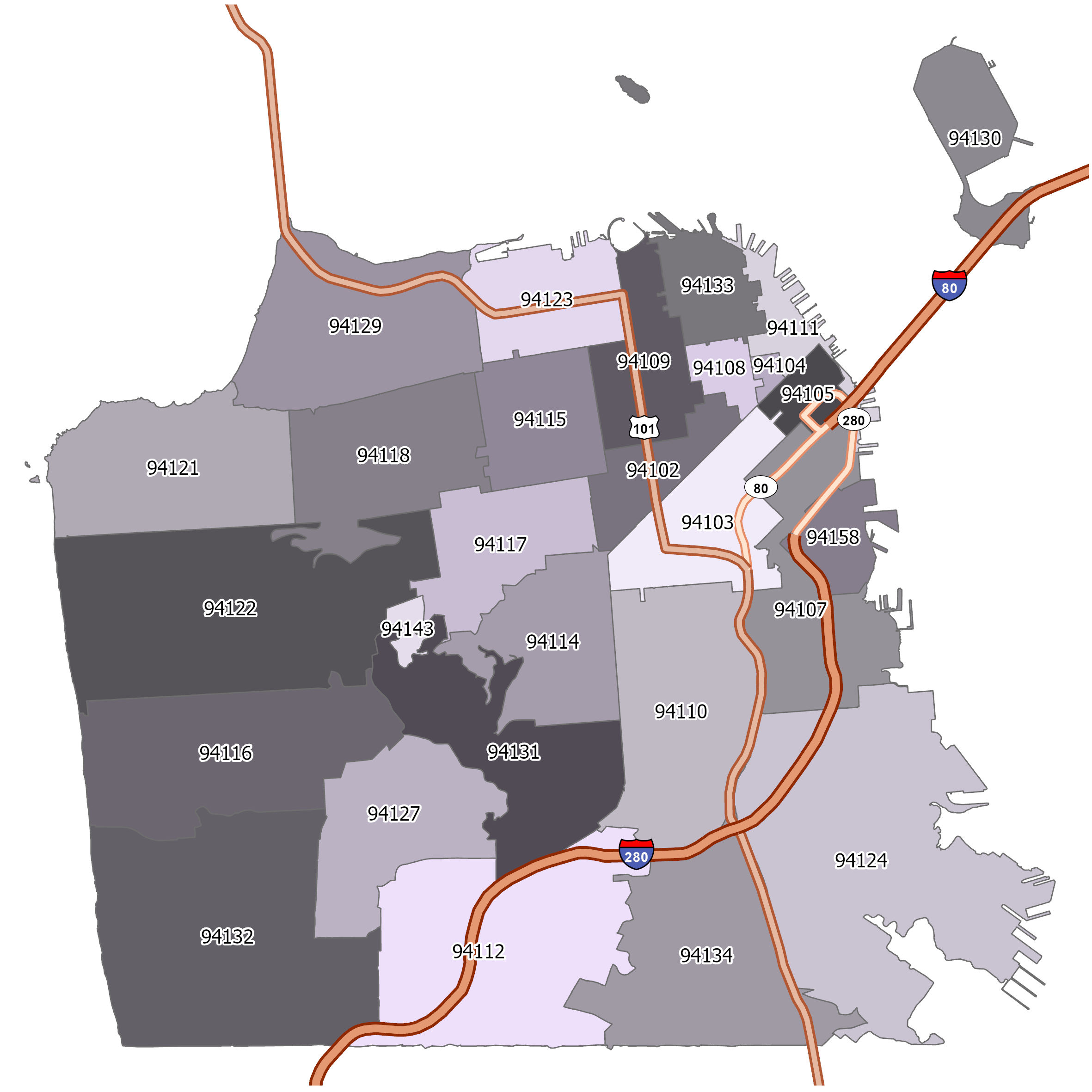
San Francisco is a city of distinct neighborhoods, each with its own unique charm, history, and atmosphere. The United States Postal Service divides the city into numerous zip codes, reflecting this intricate urban fabric. While there isn’t a single zip code that encompasses the entire city, the majority of its mail delivery falls within the 941xx series. This numerical range, however, masks a world of difference between, for instance, the 94102 code covering parts of the Tenderloin and Civic Center areas, and the 94109 code associated with the colorful streets of the Haight-Ashbury district.
For the intrepid traveler, this geographical segmentation is not just about addresses; it’s about understanding the rhythm of different parts of the city. When you’re researching accommodations or planning your daily itinerary, recognizing the zip code can provide subtle clues. A hotel listed with a 94111 zip code is likely to be in the heart of the Financial District or near Union Square, offering proximity to high-end shopping and business centers. Conversely, a 94117 zip code might point you towards the eclectic shops and vibrant street art of the Haight-Ashbury or the jazz clubs of the Fillmore.
Navigating by Numbers: Practical Applications for Travelers
Beyond simple mail, understanding the zip code system can be a practical tool for various travel-related tasks.
- Accommodation Search: When booking a hotel or rental apartment, specifying a zip code can help narrow down your search to specific neighborhoods that align with your travel preferences. Are you looking for the convenience of downtown, the artistic vibe of the Mission District, or the serene beauty of Sausalito (though technically in Marin County, its proximity and ferry connections make it a common consideration for San Francisco visitors)? The zip code can be an initial filter.
- Restaurant and Activity Planning: Many online reservation platforms and local event listings allow you to filter by zip code. This means you can discover hidden culinary gems or unique local activities within a specific area you’re interested in exploring. Planning a picnic in Golden Gate Park? Knowing the zip code for the park’s various sections can help you pinpoint the best entry points and facilities.
- Transportation Logistics: While San Francisco boasts an excellent public transportation system, including BART and Muni buses, understanding zip codes can assist in planning your routes and estimating travel times between different parts of the city. For example, if you’re staying in the Marina District (often associated with 94123) and want to visit the Exploratorium at Pier 15 (zip code 94111), you can better orient yourself and plan your journey.
Beyond the Numbers: The Cultural Significance of San Francisco’s Neighborhoods
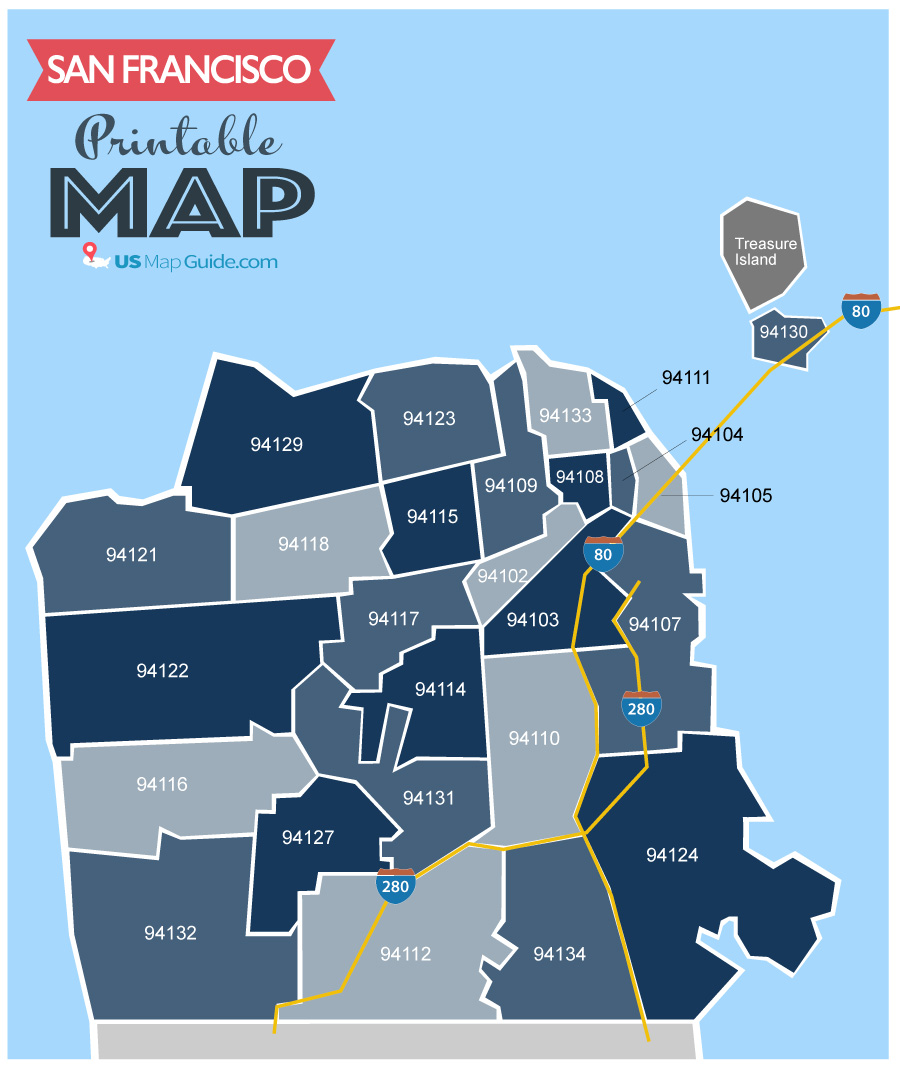
The real magic of San Francisco for a traveler lies not just in its zip codes, but in the distinct cultures and historical narratives embedded within each neighborhood they represent. The zip codes serve as a convenient digital breadcrumb trail leading you to these experiences.
-
The 94107 Corridor: South of Market (SoMa) and the Waterfront
This expansive zip code covers a diverse range of areas, from the bustling tech hub of SoMa with its modern architecture and vibrant nightlife, to the iconic piers along the waterfront, including Fisherman’s Wharf and the Embarcadero. Here, visitors can explore the Ferry Building Marketplace, catch a Giants baseball game at Oracle Park, or delve into maritime history. The zip code 94107 is a gateway to the city’s commercial energy and its historical connection to the sea. -
The 94110 Heartbeat: The Mission District
The Mission District, primarily within zip code 94110, is the vibrant soul of San Francisco’s Latino heritage. This neighborhood is a sensory delight, famous for its mouth-watering burritos, colorful murals adorning the streets, lively music venues, and the historic Mission Dolores. A visit here is an immersion into a rich cultural tapestry, best explored on foot, allowing you to absorb the sights, sounds, and flavors. -
The 94117 and 94118 Legends: Haight-Ashbury and Beyond
The legendary Haight-Ashbury, synonymous with the 1960s counterculture movement, falls within zip code 94117. Visitors can wander past Victorian homes, browse vintage clothing stores, and soak in the bohemian atmosphere that still lingers. Adjacent zip codes, like 94118 which encompasses parts of the Richmond District, offer a more residential feel but are also home to vast green spaces like the western end of Golden Gate Park and the Japanese Tea Garden. -
The 94123 Elegance: The Marina and Cow Hollow
Zip code 94123 is largely associated with the upscale neighborhoods of the Marina District and Cow Hollow. Known for their trendy boutiques, chic cafes, and vibrant nightlife, these areas offer a taste of sophisticated city living. The proximity to the Golden Gate Bridge and the stunning views from Crissy Field make this a desirable location for both residents and visitors. -
The 94133 Charm: North Beach and Fisherman’s Wharf
This zip code encompasses the historic Italian and Beat Generation hub of North Beach, with its iconic cafes, bookshops, and legendary comedy clubs. It also stretches to include the bustling tourist epicenter of Fisherman’s Wharf, offering sea lion viewing, seafood dining, and access to Alcatraz tours. The contrast between the bohemian spirit of North Beach and the commercial energy of the wharf within the same zip code highlights San Francisco’s dynamic character.
Practical Tips for the Savvy Traveler
When planning your trip to San Francisco, consider using zip codes as a starting point for your exploration.
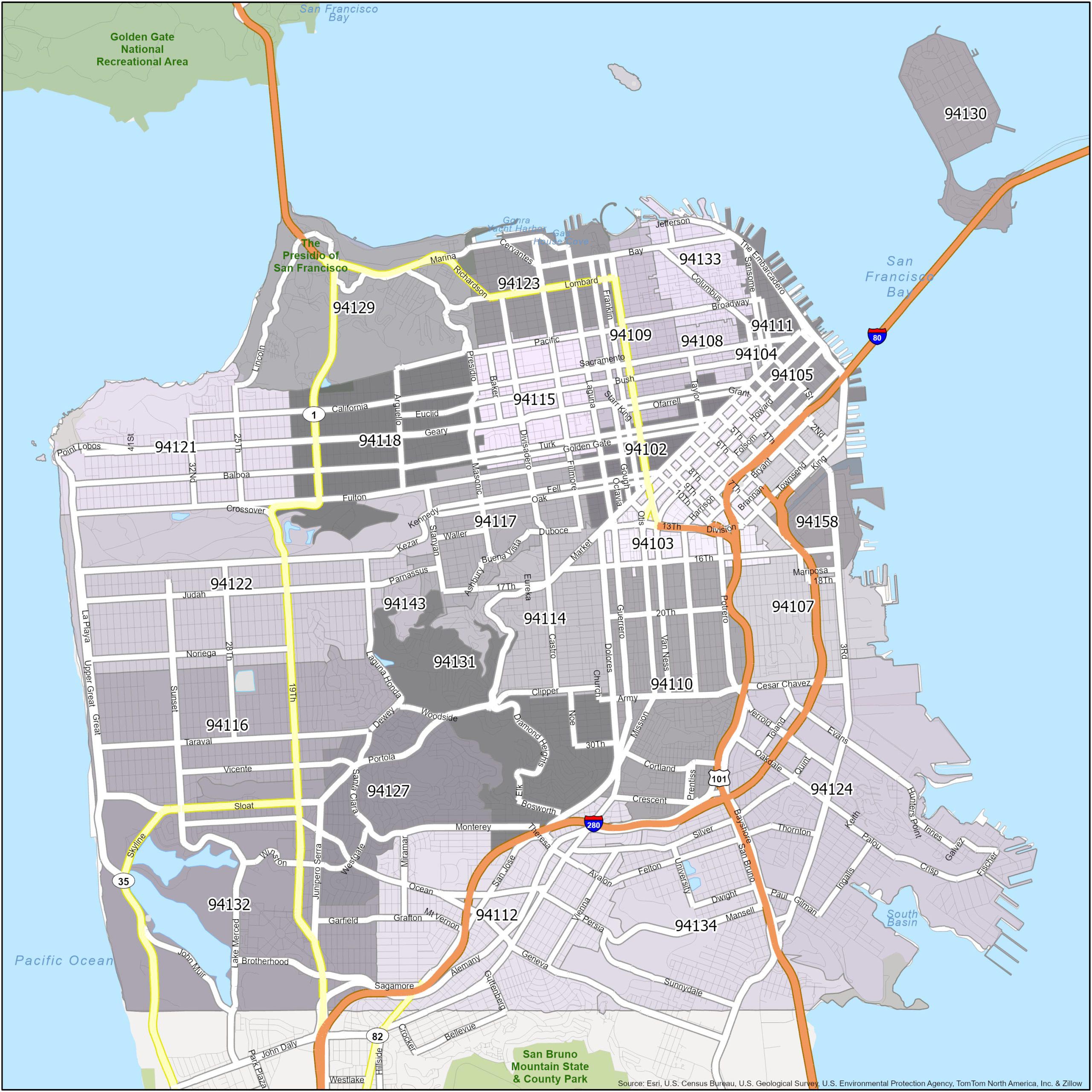
- Research Neighborhoods First: Instead of just looking for a “San Francisco” zip code, identify the neighborhoods that appeal to your interests. Do you crave history and literary haunts? Look into North Beach (94133). Are you a food enthusiast eager to experience authentic ethnic cuisine? The Mission District (94110) might be your calling.
- Use Online Mapping Tools: Once you have a few neighborhoods in mind, use online maps and travel planning websites to see their respective zip codes and identify specific attractions, restaurants, and accommodations within those areas.
- Consider Transportation Hubs: If you plan to rely heavily on public transportation, note the zip codes of major transit stations like Powell Street Station (94102) or Montgomery Street Station (94111).
- Don’t Be Afraid to Explore Off the Beaten Path: While popular zip codes like 94109 or 94133 are well-trodden, exploring less frequented zip codes can lead to unexpected discoveries of local favorites and authentic experiences.
In essence, the zip code for San Francisco is more than just a series of numbers; it’s a navigational aid that can unlock a richer, more informed, and ultimately more rewarding travel experience in one of the world’s most captivating cities. It’s a small piece of information that, when understood in its broader context, can significantly enhance your journey through the diverse landscapes and vibrant cultures of this beloved Californian metropolis.
LifeOutOfTheBox is a participant in the Amazon Services LLC Associates Program, an affiliate advertising program designed to provide a means for sites to earn advertising fees by advertising and linking to Amazon.com. Amazon, the Amazon logo, AmazonSupply, and the AmazonSupply logo are trademarks of Amazon.com, Inc. or its affiliates. As an Amazon Associate we earn affiliate commissions from qualifying purchases.