
The allure of owning a piece of the Golden State is undeniable. From the sun-drenched beaches of Southern California to the majestic redwood forests of the north, California offers a diverse landscape that attracts individuals from all over the globe. This naturally leads to a frequently asked question: can foreigners buy land in California? The short answer is a resounding yes. California, like the United States as a whole, maintains an open-door policy regarding foreign investment in real estate. However, while the legal framework is welcoming, navigating the process requires understanding specific nuances and considerations. This guide aims to demystify the journey for international buyers interested in acquiring land in this highly sought-after state.

The Legal Framework for Foreign Land Ownership
The principle of foreign investment in United States real estate is rooted in the idea of reciprocity and the overall economic benefit of allowing foreign capital to flow into the country. There are no federal laws prohibiting non-residents or non-citizens from purchasing land in California. This means that whether you are a citizen of the United Kingdom, Canada, China, or any other nation, you are generally permitted to buy property here.
Key Principles to Understand
- No Restrictions Based on Citizenship: The most crucial aspect to grasp is that your citizenship status does not inherently prevent you from buying land in California. The market is open to individuals and entities regardless of their national origin.
- Equal Treatment: Foreign buyers are treated much the same as domestic buyers in terms of property rights and responsibilities once ownership is established. This includes the right to possess, use, and sell the property.
- No Special Visas Required: It is important to note that purchasing land in California does not automatically grant you residency or citizenship in the United States. While certain investment programs, like the EB-5 visa, are linked to significant real estate investments, the act of buying land itself, without meeting specific investment thresholds and creating jobs, does not confer immigration benefits.
Potential Nuances and Considerations
While the broad strokes are clear, there are practical and sometimes regulatory considerations that foreign buyers should be aware of. These do not typically involve outright prohibitions but rather procedural and financial aspects.
Taxation
One of the most significant areas for any real estate transaction, whether domestic or foreign, is taxation.
- Property Taxes: Once you own land in California, you are subject to the same property taxes as local residents. These are levied by local governments and are based on the assessed value of the property.
- Capital Gains Tax: If you eventually sell your property for a profit, you will be liable for capital gains tax. The rate can vary depending on your individual tax status and the duration you owned the property.
- FIRPTA (Foreign Investment in Real Property Tax Act of 1980): This is a crucial federal law that affects foreign sellers of U.S. real estate. FIRPTA requires that a portion of the proceeds from the sale of U.S. real property by a foreign person be withheld and remitted to the IRS to ensure that any capital gains tax owed is paid. While this primarily applies to sellers, understanding its implications is vital for buyers as well, as it can affect the transaction’s closing process and the amount of funds that will be transferred. Buyers are often responsible for ensuring the withholding is correctly done.
Financing
Securing a mortgage as a foreign buyer in California can present more challenges than for a domestic buyer, but it is certainly achievable.
- Lender Requirements: Many U.S. lenders have specific requirements for foreign nationals seeking loans. These can include needing a substantial down payment (often 30-50% or more), providing proof of income from their home country with currency conversion documentation, and demonstrating a strong credit history.
- ITIN (Individual Taxpayer Identification Number): If you do not have a Social Security Number (SSN), you will likely need to obtain an ITIN from the IRS to facilitate tax reporting and, in some cases, to qualify for a mortgage.
- International Banks: Some foreign buyers may find it easier to secure financing through their home country’s international banks that have branches or affiliations in the United States.
Legal and Professional Advice
Engaging qualified professionals is paramount for any real estate transaction, and even more so for international buyers.
- Real Estate Agents: Look for agents who have experience working with foreign clients. They will understand the unique questions and concerns that may arise.
- Attorneys: A real estate attorney specializing in international transactions can provide invaluable guidance. They can review contracts, explain tax implications, and ensure all legal requirements are met.
- Tax Advisors: Consulting with a tax advisor knowledgeable in both U.S. and your home country’s tax laws is essential for understanding your overall tax liabilities and obligations.
Navigating the Purchase Process
The process of buying land in California for a foreigner closely mirrors that for a U.S. citizen, with a few added layers of due diligence.
Finding the Right Property
Whether you are looking for a prime beachfront lot in Malibu, acreage in wine country near Napa Valley, or a property in a bustling city like Los Angeles, the search begins similarly.
- Define Your Needs: Clearly outline your purpose for buying land. Is it for investment, a vacation home, a primary residence, or agricultural use? This will influence location, size, and zoning.
- Market Research: Understand the California real estate market. Prices can vary dramatically by region. Researching neighborhoods, recent sales, and future development plans is crucial.
- Online Portals and Agents: Utilize real estate websites and work with a local real estate agent to identify suitable properties.
Due Diligence
This is perhaps the most critical phase for any buyer, but especially for foreigners who may be less familiar with local regulations and practices.
- Property Inspection: Conduct thorough inspections to assess the physical condition of the land and any existing structures.
- Zoning and Land Use: Verify that the land’s zoning permits your intended use. California has diverse zoning laws, from residential and commercial to agricultural and conservation.
- Environmental Assessments: Depending on the location and historical use of the land, environmental assessments may be necessary to identify any contamination or environmental hazards.
- Title Search and Insurance: Ensure a clear title to the property. Title insurance protects against any undisclosed liens, encumbrances, or ownership disputes.

Making an Offer and Closing
Once you have found your desired property and completed your due diligence, you will make an offer.
- Offer and Negotiation: Your real estate agent will help you prepare a purchase offer. This will include the price, deposit amount, contingencies (such as financing or inspection), and closing date.
- Escrow: In California, real estate transactions are typically handled through an escrow company. The escrow agent acts as a neutral third party, holding funds and documents until all conditions of the sale are met.
- Closing: The closing process involves signing all necessary documents, transferring funds, and officially transferring ownership of the property to you. As mentioned, FIRPTA withholding will be a consideration at this stage for foreign sellers, and the buyer will play a role in ensuring compliance.
Types of Land and Investment Opportunities
California offers a vast array of land types, each with its own investment potential and appeal.
Residential Land
This includes plots suitable for building single-family homes, multi-unit dwellings, or condominiums. Popular areas include coastal cities, desirable suburbs, and scenic rural locales.
Commercial Land
Properties zoned for commercial use are found in urban and suburban centers and are ideal for developing businesses, retail spaces, offices, or hospitality venues like a new resort.
Agricultural Land
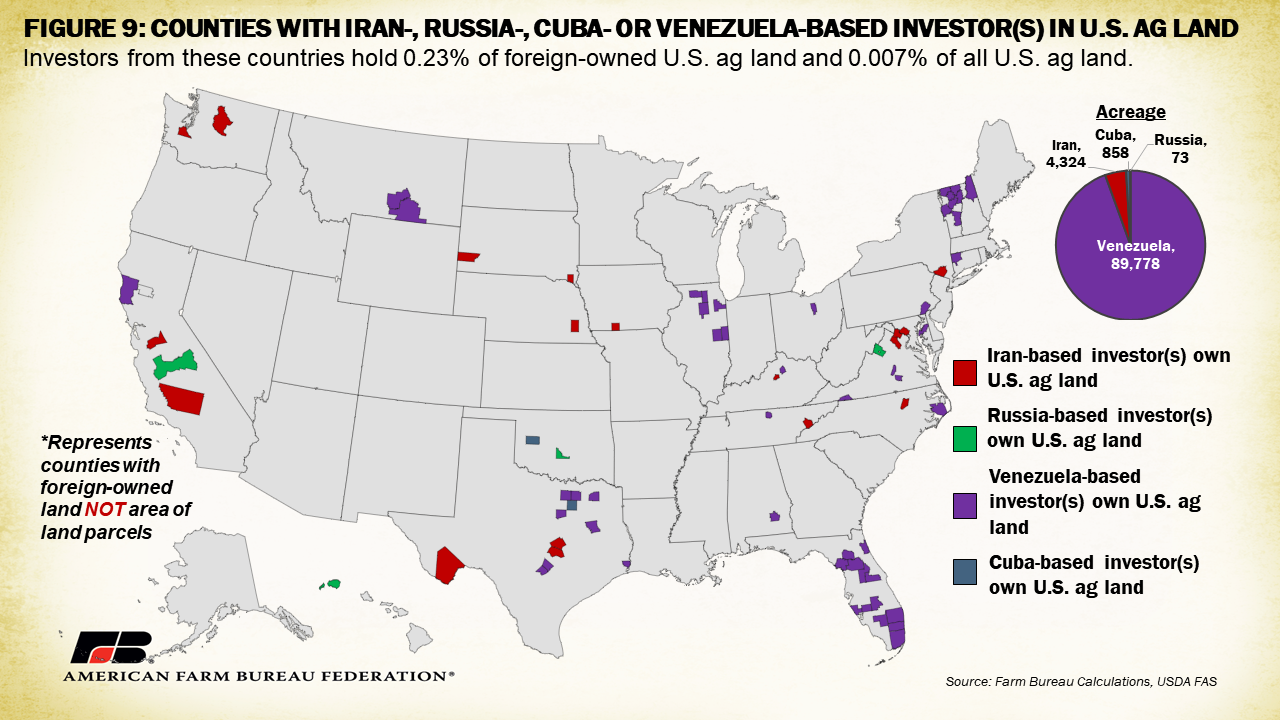
With its rich farming history and diverse climate, California boasts prime agricultural land. This can range from vineyards in the Napa Valley to citrus groves in the Central Valley. Foreign investors are actively involved in California’s agricultural sector.
Development Land
Undeveloped parcels in areas experiencing growth present significant investment opportunities for those looking to build residential communities, commercial centers, or mixed-use projects.
Frequently Asked Questions for International Buyers
Do I need to be physically present in California to buy land?
No, you do not need to be physically present. You can appoint a trusted individual, such as an attorney or a real estate agent, to act on your behalf, or you can conduct much of the process remotely with proper legal and agent representation.
What are the typical costs involved beyond the purchase price?
Beyond the property price, expect to pay closing costs, which can include escrow fees, title insurance, recording fees, and potential attorney fees. Property taxes and homeowner’s insurance (if applicable) will be ongoing expenses. As a foreign buyer, you may also face higher financing costs or need a larger down payment.
Are there any restrictions on the type of land foreigners can buy?
Generally, no. You can buy residential, commercial, agricultural, or undeveloped land. However, specific local ordinances or federal regulations related to critical infrastructure or sensitive areas could impose limitations, though these are rare and broadly applicable.
How does currency exchange affect my purchase?
Significant fluctuations in currency exchange rates can impact the final cost of your property and any ongoing expenses. It is advisable to consult with financial experts or currency specialists to manage this risk.
Can I use my home country’s credit history for financing?
While some lenders might consider international credit reports, it is more common for U.S. lenders to require U.S.-based credit history or proof of substantial assets. This is why a larger down payment is often necessary.
In conclusion, the prospect of owning land in California is a tangible reality for foreign nationals. The state’s welcoming legal environment, coupled with its inherent desirability as a place to live, invest, or vacation, makes it an attractive destination. By understanding the legal framework, engaging the right professionals, and conducting thorough due diligence, international buyers can confidently navigate the process and realize their dream of owning a piece of the Golden State.
LifeOutOfTheBox is a participant in the Amazon Services LLC Associates Program, an affiliate advertising program designed to provide a means for sites to earn advertising fees by advertising and linking to Amazon.com. Amazon, the Amazon logo, AmazonSupply, and the AmazonSupply logo are trademarks of Amazon.com, Inc. or its affiliates. As an Amazon Associate we earn affiliate commissions from qualifying purchases.