
Navigating the Business Landscape: Nevada vs. California
The decision to establish or relocate a small business is a pivotal one, fraught with considerations ranging from operational costs and regulatory environments to market potential and consumer base. For entrepreneurs eyeing the Western United States, two titans of industry and commerce stand out: Nevada and California. While both states offer unique advantages, their distinct approaches to business can significantly impact the success and sustainability of a small enterprise. This exploration delves into the multifaceted aspects of choosing between these two dynamic states, providing insights for a well-informed decision.

Regulatory and Tax Environments
One of the most significant differentiators between Nevada and California for small businesses lies in their respective regulatory and tax frameworks. Nevada has long cultivated a reputation as a business-friendly state, largely due to its absence of state corporate income tax and personal income tax. This can translate into substantial savings for businesses, particularly those with high profit margins or a significant owner draw.
Tax Advantages in Nevada
The appeal of Nevada for businesses is amplified by its tax structure. The state relies heavily on revenue generated from tourism, gaming, and sales tax. For a small business, this means that while sales tax applies to goods and services, the absence of corporate income tax can be a powerful incentive. Furthermore, Nevada does not have franchise taxes, which are levied in some other states simply for the privilege of doing business. The state also boasts a relatively streamlined process for business formation, with options for incorporating or forming Limited Liability Companies (LLCs) that are often perceived as less burdensome than in California.
California’s Tax and Regulatory Hurdles
Conversely, California presents a more complex and often costly business environment. The state imposes a corporate income tax, which can be a significant overhead for many small businesses. Additionally, California has a reputation for a more intricate and extensive set of regulations, from environmental standards to labor laws. Compliance with these regulations can require substantial investment in time and resources, a factor that small businesses with limited budgets must carefully consider. While California offers a vast market and access to a highly skilled workforce, the cost of doing business due to taxes and regulations is a primary concern for many entrepreneurs.
Market Potential and Economic Diversification
The size and nature of the market, along with the economic diversity of a state, play a crucial role in the growth potential of any small business. Both Nevada and California offer substantial market opportunities, but their characteristics differ significantly.
Nevada’s Niche Markets and Emerging Industries
Nevada’s economy has traditionally been anchored by tourism and gaming, with Las Vegas and Reno serving as major hubs. This creates distinct market opportunities for businesses that cater to the hospitality, entertainment, and visitor industries. Beyond these core sectors, Nevada is actively diversifying its economy, with growing sectors in technology, logistics, advanced manufacturing, and renewable energy. Cities like Las Vegas are experiencing significant growth in tech startups, attracted by the lower operational costs and a burgeoning entrepreneurial ecosystem. The state also benefits from its proximity to California and its position as a logistical gateway.
California’s Diverse and Vast Consumer Base
California boasts the largest economy in the United States and the fifth-largest in the world. Its sheer size and diversity of industries create an unparalleled market for almost any product or service. From the tech giants of Silicon Valley to the agricultural heartland and the entertainment industry in Los Angeles, California offers access to a broad and affluent consumer base. This can be particularly advantageous for small businesses aiming for rapid scaling and broad market penetration. However, this vast market also comes with intense competition, requiring businesses to have a strong value proposition and effective marketing strategies to stand out.
Cost of Living and Operational Expenses
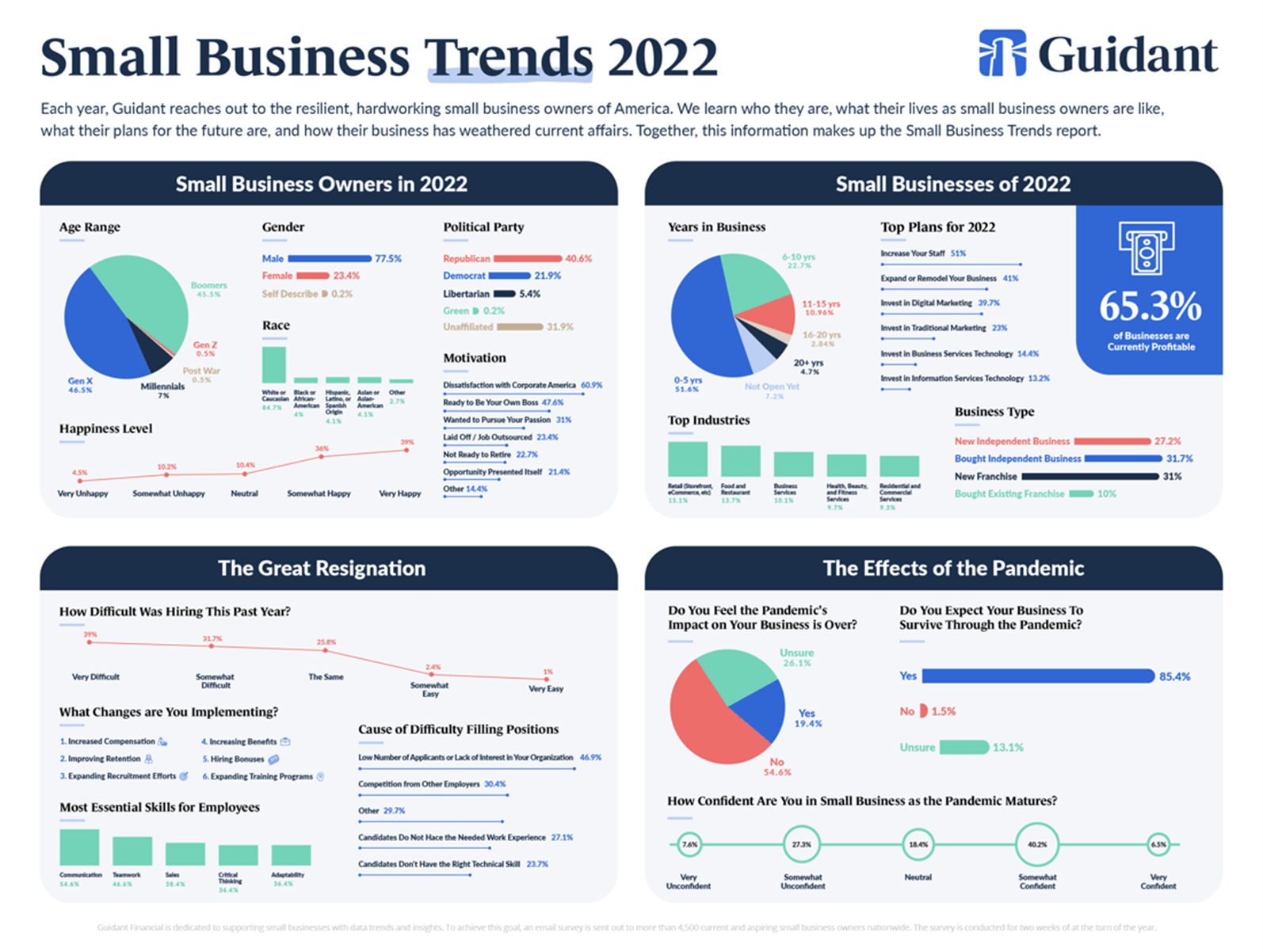
The cost of doing business is intrinsically linked to the cost of living and operational expenses, including real estate, labor, and utilities. These factors directly influence a small business’s bottom line and its ability to remain competitive.
Nevada’s Lower Overhead
Generally, Nevada offers a lower cost of living and operational expenses compared to California. Real estate, both for commercial and residential purposes, is typically more affordable, especially outside the prime areas of Las Vegas and Reno. This can significantly reduce overhead costs for rent, utilities, and property taxes. Labor costs may also be somewhat lower, although Nevada is experiencing wage growth as its economy expands. The overall lower cost structure can provide small businesses with more financial flexibility and a greater capacity for reinvestment in growth.
California’s Higher Expenses
California is notorious for its high cost of living, which directly impacts operational expenses for businesses. Commercial real estate, particularly in desirable urban centers like San Francisco or Los Angeles, can be prohibitively expensive. Labor costs are also generally higher, driven by the cost of living and a competitive job market. While the state offers access to a highly educated and skilled workforce, attracting and retaining top talent often comes at a premium. Businesses operating in California must factor in these higher expenses when developing their financial projections and pricing strategies.
Workforce and Talent Pool
The availability of a skilled workforce is a critical component for any business’s success. Both Nevada and California possess distinct strengths in this area, catering to different industry needs.
Nevada’s Growing Workforce
Nevada is experiencing significant population growth, which is contributing to an expanding workforce. While historically known for its service sector jobs, the state is actively developing its talent pool in areas like technology, advanced manufacturing, and logistics. Universities and community colleges are increasingly offering programs tailored to emerging industries. The lower cost of living can also make Nevada an attractive place for workers seeking a more affordable lifestyle. For small businesses, this translates into a growing pool of potential employees, with potentially lower wage expectations in certain sectors compared to California.
California’s Highly Skilled and Specialized Talent
California is home to some of the world’s leading universities and research institutions, producing a highly educated and specialized workforce. It is a global hub for innovation in technology, biotechnology, entertainment, and numerous other fields. This deep pool of talent is a significant draw for businesses requiring specialized skills and expertise. However, the intense competition for this talent, coupled with the high cost of living, can make recruitment and retention challenging and expensive for small businesses. Entrepreneurs must weigh the access to top-tier talent against the associated costs and competitive pressures.

Conclusion: A Strategic Choice
The choice between establishing a small business in Nevada or California is not a one-size-fits-all decision. It hinges on the specific nature of the business, its target market, and the entrepreneur’s financial capacity and risk tolerance.
For small businesses prioritizing lower operational costs, a more favorable tax environment, and a less stringent regulatory landscape, Nevada presents a compelling case. Its burgeoning tech scene and diversified economy offer growing opportunities, particularly for businesses that can leverage its logistical advantages or cater to its expanding population.
Conversely, businesses that require access to a vast, affluent consumer market, a highly specialized talent pool, and operate in industries where California is a global leader may find the benefits outweigh the considerable costs. The sheer scale of opportunity in California can fuel rapid growth, provided a business can navigate its complex business environment and high operational expenses.
Ultimately, a thorough analysis of each state’s unique economic, regulatory, and demographic factors, tailored to the specific needs of the small business, will illuminate the optimal path forward.
LifeOutOfTheBox is a participant in the Amazon Services LLC Associates Program, an affiliate advertising program designed to provide a means for sites to earn advertising fees by advertising and linking to Amazon.com. Amazon, the Amazon logo, AmazonSupply, and the AmazonSupply logo are trademarks of Amazon.com, Inc. or its affiliates. As an Amazon Associate we earn affiliate commissions from qualifying purchases.