
The allure of the open road, the vast landscapes, and the promise of adventure often draw travelers to California. For many, this journey involves a desire for flexible and budget-conscious accommodation. Among these options, sleeping in one’s car has emerged as a practical, albeit sometimes controversial, choice. Understanding the legality of this practice is crucial for any traveler planning to explore the Golden State with their vehicle as their temporary abode. This guide delves into the nuances of sleeping in your car in California, offering insights into where it’s permissible, where it’s not, and how to navigate this unique aspect of travel.
Navigating the Legal Landscape of Car Camping
The legality of sleeping in your car in California is not a straightforward “yes” or “no” answer. It’s a complex mosaic of state laws, local ordinances, and specific circumstances. While California doesn’t have a statewide ban on sleeping in your vehicle, individual cities and counties often enact their own regulations that can prohibit it. These ordinances are frequently born out of concerns for public safety, sanitation, and the preservation of public spaces.
Understanding Local Ordinances
The primary factor determining the legality of sleeping in your car is the specific location. Major cities like Los Angeles, San Francisco, and San Diego have implemented various restrictions. These can range from outright bans in public parks and beaches to limitations on overnight parking in residential areas or specific zones. For instance, Los Angeles has had ordinances that criminalize sleeping in a vehicle on public streets, though these have been subject to legal challenges and evolving interpretations.
State Parks and National Forests: A Different Ballgame
When considering state parks and national forests, the rules can differ significantly. California State Parks often have designated campgrounds where overnight stays are permitted with proper fees and reservations. Sleeping in your car outside of these designated camping areas is generally not allowed and can result in citations. Similarly, while National Forests managed by the U.S. Forest Service offer more dispersed camping opportunities, often referred to as “boondocking,” specific rules apply. Many areas within national forests allow for overnight parking and sleeping in vehicles, provided you are not in a restricted zone, a developed campground, or blocking access. It’s always advisable to check the specific regulations for the particular National Forest you plan to visit, as rules can vary by ranger district.
Private Property: A Gray Area
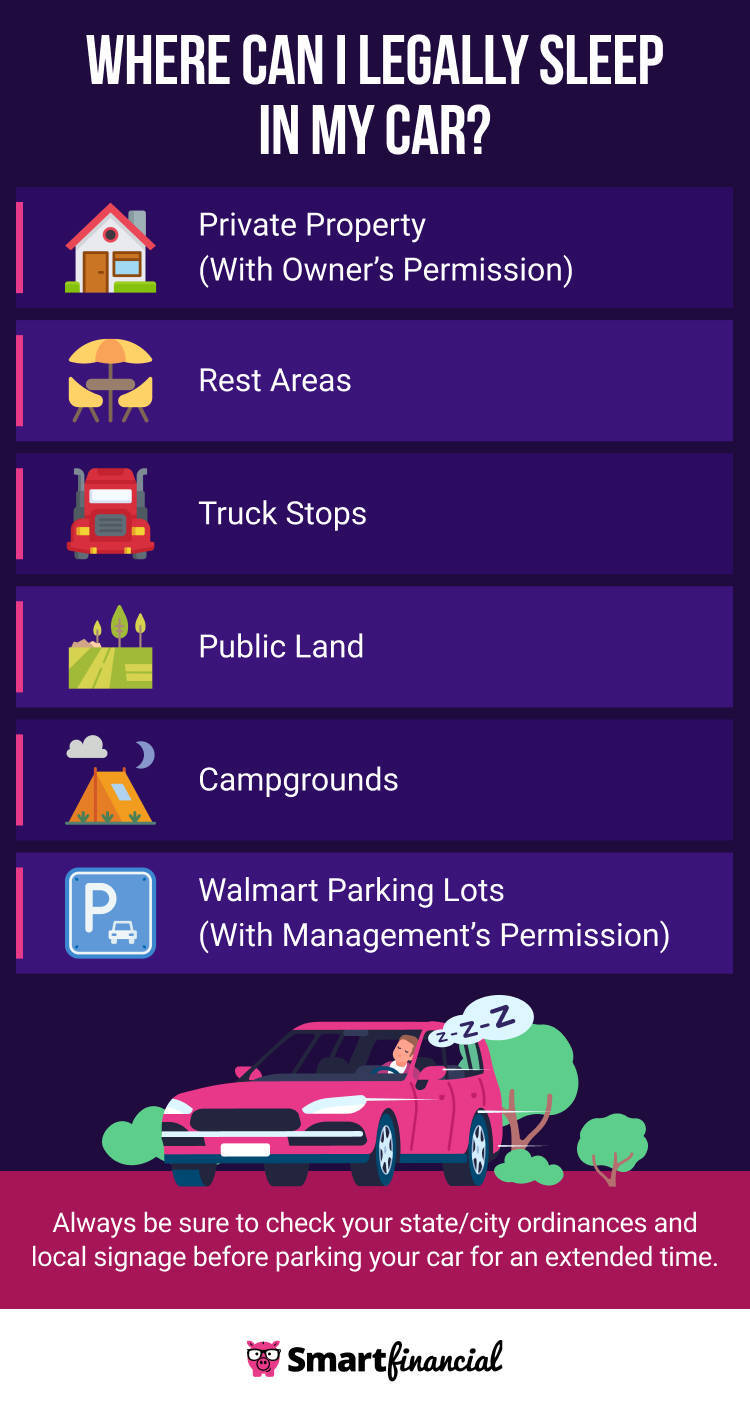
Sleeping in your car on private property introduces another layer of complexity. Generally, sleeping on private property without the owner’s explicit permission is considered trespassing. This applies to parking lots of businesses, private land, or any area not designated for public use. While some business owners might turn a blind eye, others may have policies against overnight parking, and you could be asked to leave or face legal repercussions. Always seek permission from the property owner or manager before considering any overnight stay on private land.
Practical Considerations for the Mobile Traveler
Beyond the strict legalities, a host of practical considerations come into play when choosing to sleep in your car. These range from safety and comfort to minimizing your impact on the environment and local communities.
Safety First: Choosing Your Overnight Spot Wisely
Safety is paramount. When looking for a place to park overnight, prioritize well-lit, populated areas. This could include the parking lots of large retail stores that are open late or 24 hours, provided they don’t have “No Overnight Parking” signs. Rest stops along major highways can also be viable options, though they often have time limits for parking and are primarily intended for short breaks, not extended stays. Avoid secluded or dark areas that could attract unwanted attention or put you at risk. Researching potential locations beforehand using online forums or apps dedicated to car camping can provide valuable insights from other travelers.
Comfort and Convenience: Making Your Vehicle a Home Away From Home
Transforming your car into a comfortable sleeping space requires some planning. Considerations include:
- Ventilation: Proper airflow is essential to prevent condensation and ensure a breathable environment. Leaving a window slightly cracked can make a significant difference.
- Temperature Control: California can experience drastic temperature changes. Investing in window shades or curtains can help insulate against heat during the day and cold at night. A sleeping bag appropriate for the expected temperatures is also crucial.
- Privacy: Utilizing window covers or dark curtains is key for maintaining privacy and signaling that you are not looking to be disturbed.
- Organization: Keeping your vehicle tidy is important for comfort and to avoid attracting attention. Utilize storage solutions to keep your belongings organized and out of sight.
Minimizing Your Footprint: Responsible Car Camping
Responsible car camping is about respecting the environment and the communities you visit. This means adhering to the “Leave No Trace” principles.
- Waste Disposal: Pack out everything you pack in. This includes all trash, food scraps, and any other waste. Never leave anything behind.
- Hygiene: Plan for personal hygiene in advance. Public restrooms at rest stops, parks (during operating hours), or even purchasing a day pass at a gym can be options. Avoid creating makeshift “bathroom” areas.
- Noise Levels: Be mindful of noise. Avoid playing loud music or engaging in activities that could disturb nearby residents or other campers.
- Campfires: If you are in a designated area where campfires are permitted (e.g., a campground), always follow fire safety regulations and ensure your fire is completely extinguished.
Alternatives and Resources for Travelers
While sleeping in your car can be a viable and budget-friendly option, it’s not always the most comfortable or legally straightforward choice. California offers a diverse range of accommodation options that cater to various budgets and travel styles.
Designated Campgrounds and Public Lands
For those who enjoy the outdoors and the simplicity of sleeping near their vehicle, designated campgrounds within State Parks, National Parks, and National Forests are excellent choices. These often provide amenities like restrooms, picnic tables, and fire rings. Many offer specific sites for “car camping” where you can park your vehicle directly at your campsite. Websites like Recreation.gov are invaluable for reserving spots in federal lands, while individual California State Parks have their own reservation systems.
Budget-Friendly Hotels and Motels
For travelers seeking more conventional lodging but still mindful of their budget, California has a plethora of budget-friendly hotels and motels. Chains like Motel 6, Super 8, and Travelodge can be found in most cities and towns, offering basic amenities for a reasonable price. Looking for deals on booking websites can further reduce costs.
Hostels and Shared Accommodation
Hostels are a popular choice for solo travelers and backpackers looking for affordable accommodation and a social atmosphere. Many California cities, from San Diego to San Francisco, have well-regarded hostels offering dorm beds or private rooms. This option allows for interaction with other travelers and often provides shared kitchen facilities, saving money on meals.
The Rise of Van Life and RV Parks
The “van life” movement has significantly influenced how people approach road travel and accommodation. For those who have converted their vans or RVs, dedicated RV parks and campgrounds offer full hookups and amenities. While this requires a larger investment in a vehicle, it provides a comfortable and legal way to travel extensively throughout California without the constant worry of finding a place to sleep.

Final Thoughts for the Road Warrior
Sleeping in your car in California can be a rewarding experience for the intrepid traveler, offering unparalleled freedom and a deep connection with the diverse landscapes. However, it demands diligence, respect, and a thorough understanding of the legal and practical considerations. By prioritizing safety, being mindful of local ordinances, and practicing responsible travel habits, you can navigate this unique accommodation style with confidence and make the most of your California adventure. Always remember to research your intended destinations, be prepared for varying conditions, and, when in doubt, err on the side of caution and seek out legal, designated overnight parking or camping facilities.
LifeOutOfTheBox is a participant in the Amazon Services LLC Associates Program, an affiliate advertising program designed to provide a means for sites to earn advertising fees by advertising and linking to Amazon.com. Amazon, the Amazon logo, AmazonSupply, and the AmazonSupply logo are trademarks of Amazon.com, Inc. or its affiliates. As an Amazon Associate we earn affiliate commissions from qualifying purchases.