
The question of whether the iconic, 24/7, comfort-food mecca known as Waffle House exists in the Golden State is one that sparks debate and confusion among travelers and locals alike. For many, especially those accustomed to the ubiquitous presence of Waffle House across the Southeastern United States, its absence in California feels like a culinary anomaly. This article delves into the geographical footprint of this beloved diner chain and explores the reasons behind its specific distribution, offering insights for travelers planning their itineraries and seeking that familiar all-day breakfast experience.
The Geographic Footprint of Waffle House
Waffle House is a deeply ingrained part of the American roadside dining landscape, but its reach is not as expansive as one might assume. Founded in Avondale Estates, Georgia in 1955, the chain has grown to over 1,900 locations. However, these restaurants are concentrated in a specific region of the country, primarily east of the Mississippi River. States like Georgia, Alabama, South Carolina, North Carolina, Tennessee, and Florida boast a significant number of Waffle House establishments, making them a go-to spot for consistent, affordable meals.
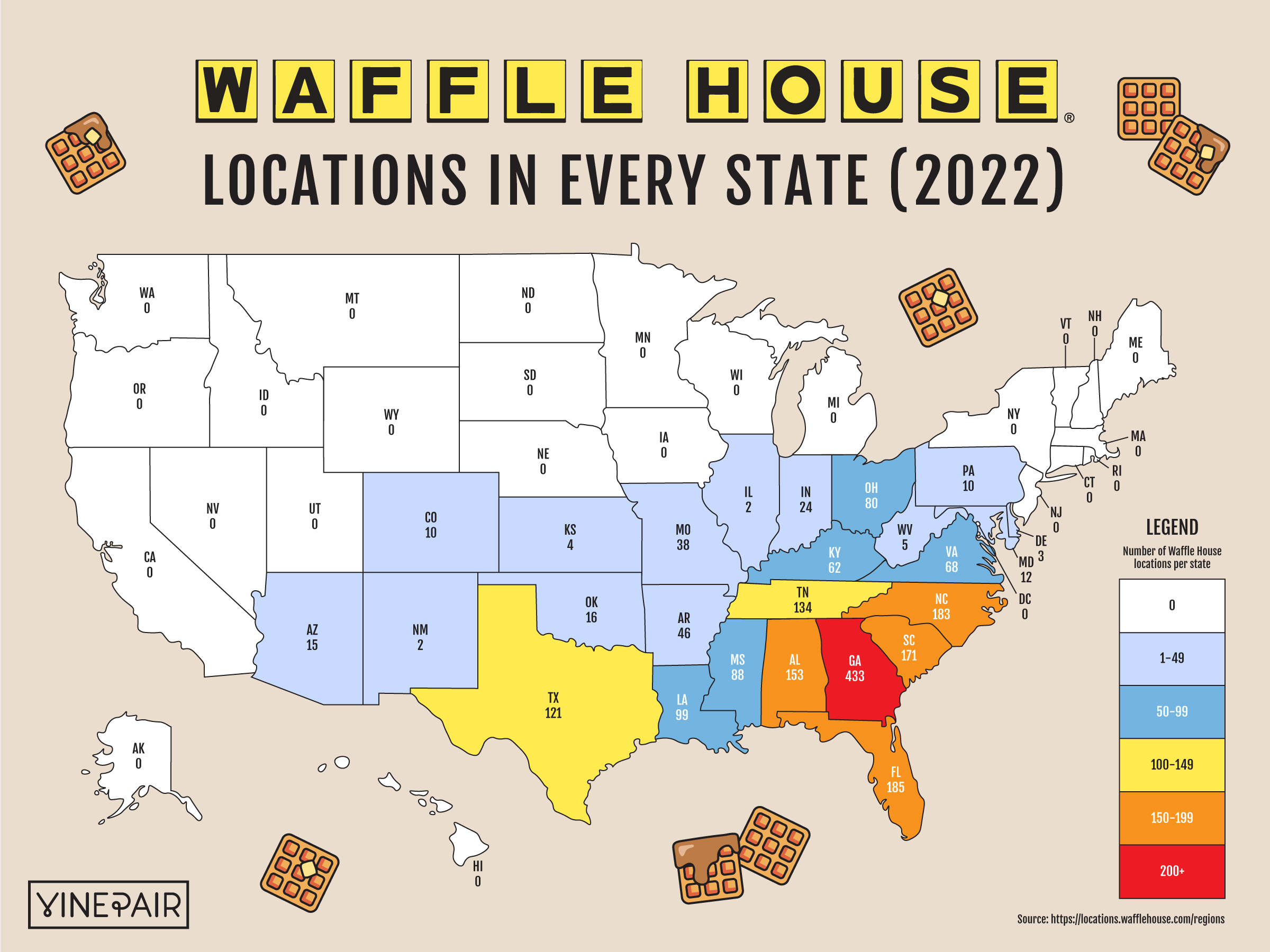
Why the Eastern Seaboard Focus?
The strategic decision to concentrate operations in the eastern half of the United States is rooted in several factors, including historical expansion patterns, supply chain logistics, and a deep understanding of regional consumer preferences. Early growth was organic, focusing on areas where the concept of a readily accessible, family-friendly diner resonated most strongly. As the brand matured, maintaining operational efficiency and consistent service standards became paramount. Centralizing distribution and management in a more contiguous geographical area allowed for better control and quicker response times to market needs. Furthermore, the cultural affinity for this type of casual, diner-style dining is demonstrably stronger in many parts of the East and South compared to the West Coast, which has historically favored different culinary trends and restaurant formats.
Exploring California’s Dining Landscape
California, with its diverse population and distinct culinary scene, offers a vast array of dining experiences that cater to a wide spectrum of tastes and preferences. From Michelin-starred restaurants in San Francisco to taco trucks in Los Angeles and farm-to-table bistros in Napa Valley, the state is a gastronomic paradise. This rich culinary tapestry, however, does not include the familiar yellow and black signage of a Waffle House.
The Absence of a Familiar Fixture
The absence of Waffle House in California is a notable point for travelers who rely on the chain for consistent, no-frills meals. While California has no shortage of breakfast and brunch spots, they often embody the state’s innovative and health-conscious culinary ethos. This can mean avocado toast, artisanal coffee, fresh juices, and a focus on organic and locally sourced ingredients, which stands in contrast to the classic, hearty American fare served at Waffle House. The demand and existing market structure in California have historically supported different types of dining establishments, leading Waffle House to focus its expansion efforts elsewhere.
Alternatives for Travelers
For visitors to California seeking a satisfying breakfast or comfort food experience, there are numerous excellent alternatives that capture the spirit of local dining. Many diners across the state offer a similar all-day breakfast menu with pancakes, eggs, bacon, and hash browns. Look for classic American diners, often family-owned, which provide a nostalgic and delicious experience.
Local Diner Culture
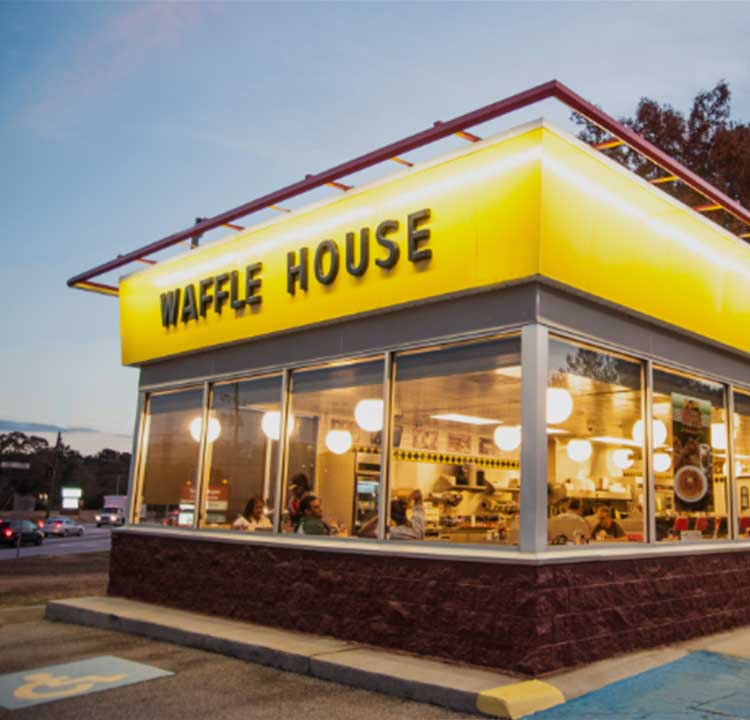
California has a rich diner culture, with establishments that have been serving communities for generations. These diners often feature vinyl booths, chrome accents, and a friendly, bustling atmosphere. They are perfect for experiencing authentic American comfort food with a local twist. Many of these diners also offer hearty portions at reasonable prices, fulfilling the same niche that Waffle House serves in other parts of the country. Consider exploring diners in cities like San Diego, Sacramento, or even smaller towns for a genuine taste of local flavor.
Brunch Hotspots
The brunch scene in California is particularly vibrant. While often more upscale and trend-driven than a typical Waffle House, many brunch spots offer hearty egg dishes, pancakes, and breakfast staples that can satisfy a similar craving. These venues also provide an opportunity to engage with the local food scene, often featuring innovative dishes and unique ingredients. Exploring popular brunch destinations in areas like West Hollywood or Oakland can lead to delightful culinary discoveries.
The Strategic Decision of Chain Expansion
The decision of any restaurant chain to expand into new territories is a complex one, involving extensive market research, financial investment, and a keen understanding of the competitive landscape. For Waffle House, this process has historically favored a strategy of deepening its presence in existing, successful markets rather than pursuing rapid, broad geographical expansion.
Market Saturation and Loyalty
In regions where Waffle House is prevalent, the brand benefits from high market saturation and strong customer loyalty. This allows for efficient operations, streamlined supply chains, and a consistent brand message. Expanding into a market like California, which has a vastly different competitive landscape and consumer preferences, would require a significant investment and a potentially slower return. The company’s growth model has traditionally focused on solidifying its stronghold in the Southeast and surrounding areas.
Understanding Regional Tastes
Consumer tastes and dining habits vary significantly across the United States. The classic, no-frills, all-day breakfast offered by Waffle House might not resonate as strongly in a market that has a well-established preference for other types of breakfast and brunch experiences. California, for instance, has a strong culture of health-conscious eating and a significant influence from various international cuisines, which shapes its dining trends. Waffle House has likely assessed these regional nuances and determined that its particular brand of comfort food would face a different reception in California than it does in its core markets.

Conclusion: A Tale of Two Coasts
In conclusion, the answer to “Is There Waffle House In California?” is a definitive no. While the absence of this beloved diner might disappoint some travelers, it also highlights the unique culinary identities of different regions within the United States. For those visiting the Golden State and craving a comforting, familiar meal, the journey will involve exploring California’s vibrant local dining scene. From classic diners to trendy brunch spots, there are ample opportunities to discover delicious food and experience the state’s distinct gastronomic charm. The decision of Waffle House not to establish a presence in California is a strategic one, reflecting a deep understanding of market dynamics and regional consumer preferences, allowing the chain to maintain its operational excellence and brand integrity within its established geographic footprint.
LifeOutOfTheBox is a participant in the Amazon Services LLC Associates Program, an affiliate advertising program designed to provide a means for sites to earn advertising fees by advertising and linking to Amazon.com. Amazon, the Amazon logo, AmazonSupply, and the AmazonSupply logo are trademarks of Amazon.com, Inc. or its affiliates. As an Amazon Associate we earn affiliate commissions from qualifying purchases.