
Navigating the complexities of finding information about an inmate within the vast correctional system of California can be a daunting task for many. Whether you are a family member seeking to maintain contact, a legal professional requiring details for a case, or simply an individual with a genuine need for information, understanding the official channels and available resources is paramount. This guide aims to demystify the process, providing clear, actionable steps to effectively look up an inmate in California.
Understanding the California Department of Corrections and Rehabilitation (CDCR)
The primary authority responsible for overseeing state correctional facilities in California is the California Department of Corrections and Rehabilitation (CDCR). The CDCR manages a network of adult correctional institutions, providing essential services to inmates and striving for rehabilitation. When searching for an inmate, the CDCR’s online resources and established protocols are your most direct and reliable path.

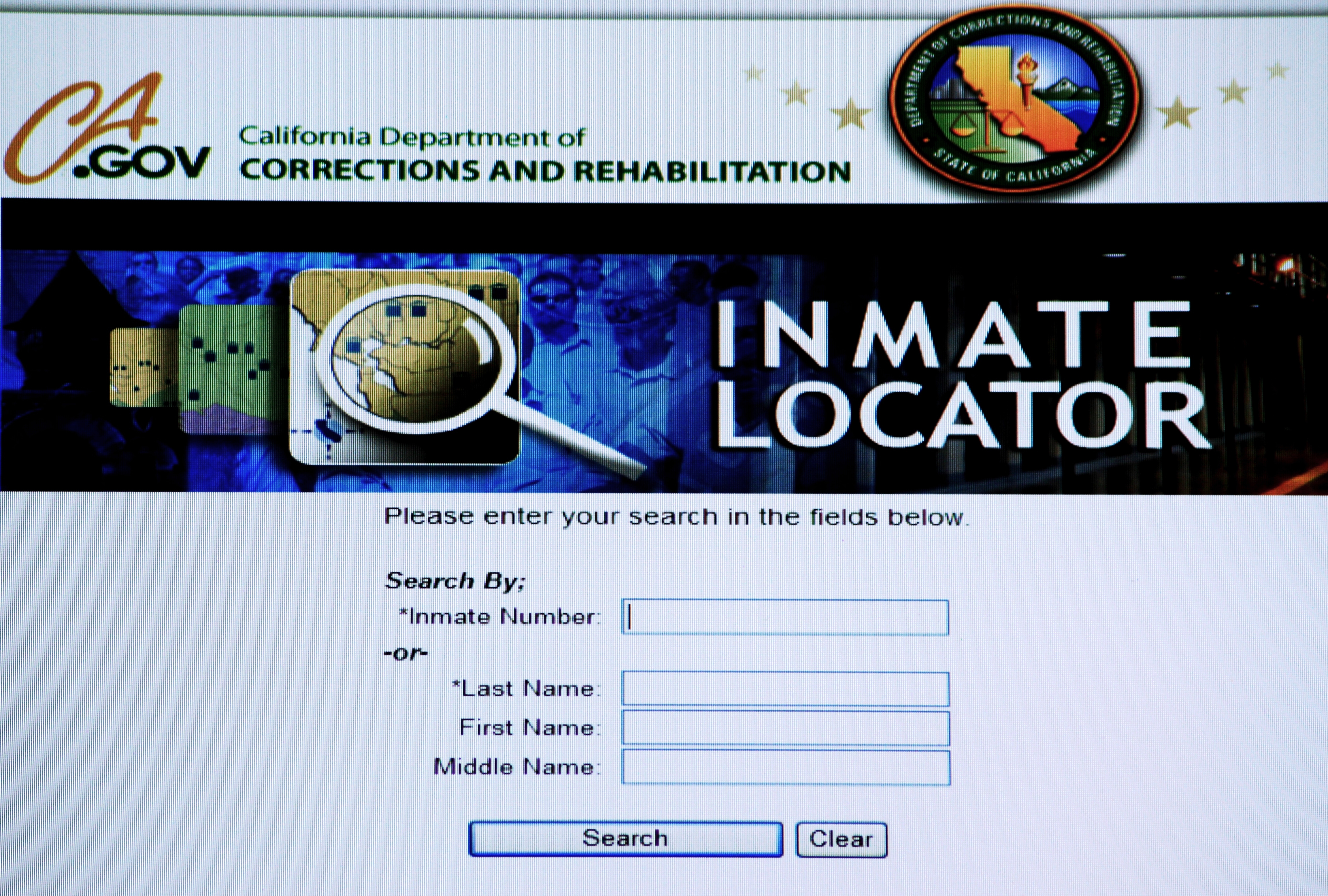
CDCR Inmate Locator Tool
The CDCR offers a robust and user-friendly online inmate locator tool, which is the cornerstone of any inmate search within the state. This tool allows the public to search for individuals who are currently incarcerated in California state prisons.
- Accessing the Tool: The CDCR inmate locator can be accessed directly through their official website. A quick search for “CDCR inmate locator” will lead you to the correct portal.
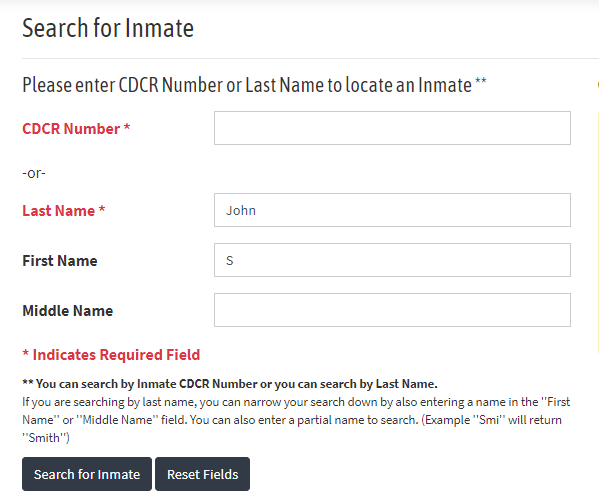
- Information Required: To effectively use the locator, you will typically need at least one piece of identifying information about the inmate. The most common and useful details include:
- Last Name: This is usually a mandatory field.
- First Name: Providing the first name significantly narrows down the search results.
- CDCR Number (if known): This is a unique identifier assigned to each inmate and is the most accurate way to pinpoint an individual. If you have this number, your search will be much faster and more precise.
- Date of Birth (DOB): While not always a mandatory field, providing the date of birth can help differentiate between individuals with similar names.
- Interpreting Search Results: Once you input the available information, the system will generate a list of potential matches. Each result will typically display the inmate’s name, CDCR number, booking date, and the facility where they are currently housed. It is crucial to cross-reference this information with any details you already possess to ensure you have identified the correct individual.
- Limitations: It’s important to note that the CDCR inmate locator primarily covers individuals held in state prisons. It may not include information on inmates held in county jails, federal prisons, or those who have been released.
Other CDCR Resources
Beyond the inmate locator, the CDCR website offers additional resources that may be helpful:
- Commitment Offense Information: For certain inmates, the CDCR website may provide details about their commitment offense, sentencing information, and parole eligibility dates. This can offer a deeper understanding of the individual’s correctional status.
- Contact Information for Facilities: The CDCR website typically provides contact details for each correctional facility. This can be useful if you need to inquire about visitation policies, sending mail, or other facility-specific information once you have identified the inmate’s location.
Searching for Inmates in County Jails
While the CDCR handles state prisons, individuals arrested and awaiting trial, or serving shorter sentences, are often held in county jails. Each of California’s 58 counties operates its own jail system, and therefore, has its own method for looking up inmates.
County Sheriff’s Department Websites
The most reliable way to find an inmate in a specific county jail is to visit the website of that county’s Sheriff’s Department. Most Sheriff’s departments provide an online inmate search or “inmate locator” tool on their official websites.
- Finding the Relevant Sheriff’s Department: To locate an inmate in a county jail, you first need to know which county the individual was arrested in. If you are unsure, you may need to do some preliminary research or contact local law enforcement in the area where the arrest may have occurred.
- Information Required for County Jail Searches: Similar to the CDCR search, county jail inmate locators typically require:
- Last Name:
- First Name:
- Booking Number (if known): This is the jail’s internal tracking number for the inmate.
- Date of Birth:
- Differences from State Prison Searches: County jail systems are generally more dynamic, with frequent admissions and releases. The information available might also vary slightly from county to county. Some may offer more detailed information regarding charges and court dates, while others may be more basic.
General Tips for County Jail Searches
- Patience: The process can sometimes take time, as data may not always be updated in real-time.
- Contacting the Jail Directly: If the online resources are not yielding results or you have specific questions, you can attempt to contact the relevant county jail directly by phone. Be prepared for potential wait times.
Federal Inmates
For individuals incarcerated in federal prisons, a separate system is in place. The Federal Bureau of Prisons (BOP) manages all federal correctional facilities in the United States.
Federal Bureau of Prisons (BOP) Inmate Locator
The BOP provides an online inmate locator that allows the public to search for individuals incarcerated in federal correctional facilities.
- Accessing the BOP Locator: The BOP inmate locator is available on the official Federal Bureau of Prisons website.
- Information Required: The primary information needed to search the BOP database is the inmate’s name. You can also refine your search with:
- BOP Register Number: This is the inmate’s federal identification number.
- DDC Number: This is the Bureau of Prisons’ identification number for inmates in their custody.
- FBI Number: This is a number assigned by the Federal Bureau of Investigation.
- Aliases: If the inmate is known by other names.
- Interpreting BOP Search Results: The results will typically provide the inmate’s name, BOP register number, location of the facility, and release date.
What Information Can You Expect to Find?
Once you have successfully located an inmate, the information you can access will vary depending on the system (CDCR, county jail, or federal) and the specific policies in place. Generally, you can expect to find:
- Inmate Name: Full legal name.
- Inmate Identification Number: CDCR Number, BOP Register Number, or County Booking Number.
- Current Location: The specific prison or jail facility where the inmate is housed.
- Booking Date: The date the individual entered the correctional system.
- Release Date: If a release date has been established.
- Offense Information: Details about the conviction(s) or charges.
- Parole/Supervision Status: Information regarding their parole or post-release supervision.
Important Considerations and Best Practices
When undertaking an inmate lookup, it’s essential to approach the process with clarity and patience. Here are some best practices to keep in mind:
Privacy and Legal Considerations
- Purpose of Your Search: Be clear about why you are looking for an inmate. While many resources are publicly accessible, there may be limitations on the dissemination of certain sensitive information.
- Accuracy of Information: Always strive to use the most accurate and complete information available. Even minor discrepancies can lead to incorrect search results.
- Respect for Privacy: While inmate information is often public record, remember that individuals are still in a vulnerable situation. Handle any information you obtain responsibly and ethically.
Maintaining Contact
Once you have located an inmate, you may wish to establish or maintain contact. Each correctional facility has specific rules and procedures for:
- Visitation: This typically involves scheduling appointments, adhering to dress codes, and abiding by strict security protocols. Visiting a correctional facility can be a unique experience, and understanding the rules beforehand is crucial for a smooth visit.
- Correspondence: Sending mail is usually permitted, but all mail is subject to inspection. Inmates also have the ability to send mail out.
- Phone Calls: Inmates often have limited access to phone calls, which are usually made collect or through a prepaid account.
- Sending Funds: Many facilities allow you to deposit money into an inmate’s commissary account, which they can use to purchase approved items.
Third-Party Services
Numerous third-party websites claim to offer inmate lookup services. While some may provide accurate information, it is generally advisable to use the official government resources (CDCR, county Sheriff’s departments, BOP) whenever possible. These official sources are the most reliable and up-to-date. If you choose to use a third-party service, exercise caution and be aware that they may charge fees for information that is available for free through official channels.
Navigating the System
The correctional system is complex, and obtaining information may sometimes require persistence. If you encounter difficulties with online tools, consider the following:
- Contacting the Facility Directly: Once you know the facility, calling their administrative or records department can sometimes provide clarification or guidance.
- Legal Counsel: If you are an attorney or have legal representation, your legal team will have access to more direct channels for obtaining inmate information pertinent to your case.
By utilizing the official resources provided by the California Department of Corrections and Rehabilitation, county Sheriff’s departments, and the Federal Bureau of Prisons, you can effectively navigate the process of looking up an inmate in California. Remember to approach the task with accuracy, patience, and an understanding of the privacy considerations involved.
LifeOutOfTheBox is a participant in the Amazon Services LLC Associates Program, an affiliate advertising program designed to provide a means for sites to earn advertising fees by advertising and linking to Amazon.com. Amazon, the Amazon logo, AmazonSupply, and the AmazonSupply logo are trademarks of Amazon.com, Inc. or its affiliates. As an Amazon Associate we earn affiliate commissions from qualifying purchases.