
The allure of enhanced vehicle performance is undeniable. For automotive enthusiasts, the ability to push their machines to the limit, often on a closed circuit, represents the pinnacle of driving engagement. Many modern performance vehicles offer a specialized “Track Mode,” designed to optimize engine response, suspension settings, and electronic stability control for aggressive driving. However, when it comes to experiencing these capabilities outside of designated motorsport venues, particularly on public roads, questions about legality arise. This is especially true in a state as heavily regulated as California, known for its stringent vehicle and environmental laws. The crucial distinction for drivers and enthusiasts lies between using Track Mode on a private racetrack and engaging it on public thoroughfares, where entirely different rules apply.
Understanding Track Mode: Performance Optimization
Track Mode is not a monolithic setting; its implementation varies significantly across different automotive manufacturers and models. At its core, it’s a sophisticated software calibration aimed at maximizing a vehicle’s performance potential in a controlled, high-speed environment. This typically involves a suite of adjustments designed to enhance driver feedback and vehicle responsiveness.
Engine and Powertrain Adjustments
One of the most noticeable changes in Track Mode is how the engine and transmission behave. Throttle response becomes more immediate, sharpening the connection between pedal input and the engine’s power output. Gear shifts in automatic transmissions become quicker and more aggressive, often holding gears longer to keep the engine in its power band. In manual transmissions, clutch engagement might be recalibrated for quicker starts, and rev-matching systems (if equipped) are often optimized for aggressive downshifts. The goal is to reduce any perceived lag and deliver power precisely when and where the driver demands it.
Suspension and Drivetrain Tuning
Beyond the powertrain, Track Mode often reconfigures the vehicle’s chassis dynamics. Adaptive suspension systems, common in performance cars, will stiffen considerably to minimize body roll during hard cornering. This provides a more planted feel and allows for higher cornering speeds. The differential, especially in performance vehicles with limited-slip or torque-vectoring differentials, will also be adjusted to better distribute power between the wheels, enhancing traction and agility. Some systems may even alter all-wheel-drive bias to favor a more rear-wheel-drive feel for a more dynamic driving experience.
Electronic Stability and Traction Control Revisions
Perhaps the most critical aspect of Track Mode, in terms of legality and safety on public roads, is the recalibration of electronic driver aids. In their standard settings, systems like electronic stability control (ESC) and traction control are designed to intervene proactively to prevent loss of control and maintain vehicle stability. In Track Mode, these systems are typically dialed back or even partially deactivated. This allows for a greater degree of wheel slip and yaw, which can be beneficial for experienced drivers performing maneuvers like drifting on a closed track. However, these same adjustments significantly reduce the vehicle’s inherent safety net, making it far more prone to unpredictable behavior and loss of control in unexpected situations on public roads.
The Legality of Track Mode on Public Roads in California
The core issue surrounding the legality of Track Mode in California boils down to one fundamental principle: public roads are not racetracks. The state’s Vehicle Code is designed to ensure the safety and predictability of all road users, and operating a vehicle in a manner that is not conducive to these goals can lead to severe penalties.
Reckless Driving and Exhibition of Speed Statutes
California has specific laws against reckless driving and exhibition of speed. While simply engaging Track Mode in a static vehicle is not illegal, activating it with the intent to drive aggressively, perform maneuvers that could endanger others, or significantly exceed safe speeds for the conditions would likely fall under these statutes. The California Vehicle Code, Section 23103 (Reckless Driving) and Section 23109 (Speed Contests and Exhibition of Speed) are broad and can be applied to any driving behavior that demonstrates a willful disregard for the safety of persons or property. Using Track Mode amplifies a vehicle’s responsiveness and reduces safety nannies, making it easier to engage in such prohibited behaviors.
Vehicle Equipment and Emissions Standards
Beyond driving conduct, there are also considerations regarding vehicle modifications and their compliance with state regulations. While engaging a factory-installed Track Mode is generally not considered a modification in the same vein as installing aftermarket parts, the effects of that mode on vehicle operation could, in certain circumstances, raise questions. For example, if Track Mode were to significantly alter emissions profiles (though this is rarely the case for temporary drive modes), or if it enabled behaviors that circumvented safety equipment designed for public road use, it could theoretically come under scrutiny. However, the primary legal challenge revolves around the manner of operation rather than the mode itself being inherently illegal equipment.
The Crucial Distinction: Intent and Environment
The legality hinges entirely on how and where Track Mode is used.
On a Closed Racetrack (e.g., Sonoma Raceway, Willow Springs International Raceway)
When a vehicle is driven on a designated racetrack, such as Sonoma Raceway or Willow Springs International Raceway, away from public traffic and under appropriate safety conditions (e.g., during an organized track day with proper safety personnel), using Track Mode is not only legal but often the intended and safest way to experience the vehicle’s full capabilities. These venues are specifically designed and permitted for high-performance driving.
On Public Roads
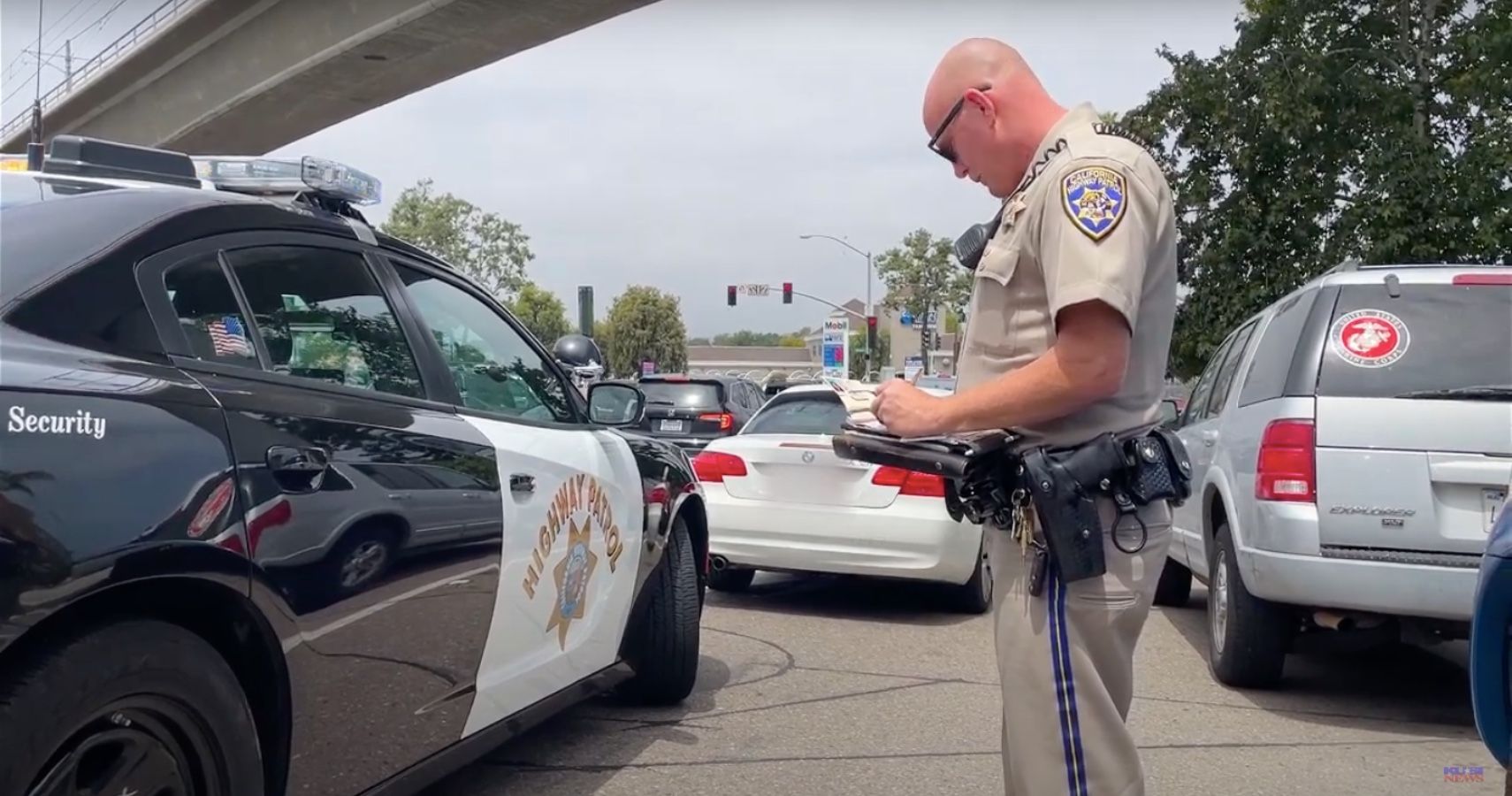
On public roads, such as the scenic drives through Big Sur or the urban streets of Los Angeles, the legal implications change drastically. Engaging Track Mode on these roads, especially if it leads to driving in a manner that is unsafe for the prevailing conditions—excessive speed, rapid acceleration/deceleration, aggressive cornering, or any behavior that could startle or endanger other drivers, cyclists, or pedestrians—can result in citations for reckless driving, exhibition of speed, or other traffic violations. The reduced intervention of safety systems makes the vehicle more susceptible to loss of control, and any such incident on a public road would be viewed very seriously by law enforcement.
Best Practices for Enthusiasts in California
For automotive enthusiasts residing in or visiting California, enjoying the performance capabilities of their vehicles requires a responsible and informed approach. The key is to separate high-performance driving from everyday commuting and to understand the specific legal landscape.
Prioritize Track Days and Performance Driving Schools
The safest and most legal way to explore the full potential of a performance vehicle, including its Track Mode, is to participate in organized track days or enroll in performance driving schools. Facilities like Buttonwillow Raceway Park offer opportunities to drive your vehicle in a controlled environment where the risks are minimized, and the focus is purely on driving skill and vehicle dynamics. These events are specifically designed for enthusiasts to explore their car’s limits safely.
Understand Your Vehicle’s Settings and Limitations
Familiarize yourself with your vehicle’s different driving modes and the specific changes they enact. While Track Mode offers enhanced performance, it also reduces the safety margin provided by electronic aids. Understand that these modes are calibrated for the specific conditions of a racetrack. On public roads, even seemingly minor infractions can be amplified due to the vehicle’s heightened responsiveness and reduced stability control.
Adhere to California’s Traffic Laws
The most straightforward advice is to always drive in accordance with California’s traffic laws. This means adhering to posted speed limits, driving at a speed appropriate for road conditions (weather, traffic, visibility), and always maintaining awareness of other road users. Engaging Track Mode on public roads and subsequently driving in a manner that violates these fundamental principles is where the illegality lies. The mode itself is a feature; its misuse on public roads is the offense.

Consult with Experts and Legal Counsel if Unsure
If there are specific concerns about vehicle modifications, settings, or the legality of a particular driving scenario, it is always wise to consult with automotive performance specialists or legal counsel experienced in California vehicle law. They can provide tailored advice based on the specifics of your vehicle and intended use.
In conclusion, “Track Mode” is a powerful tool designed for a specific environment—the racetrack. While the technology itself is not inherently illegal in California, its application on public roads, particularly if it leads to unsafe or aggressive driving, can result in severe legal consequences. Responsible enthusiasts understand that the thrill of performance driving is best pursued in venues specifically designed for it, ensuring both personal safety and adherence to the law.
LifeOutOfTheBox is a participant in the Amazon Services LLC Associates Program, an affiliate advertising program designed to provide a means for sites to earn advertising fees by advertising and linking to Amazon.com. Amazon, the Amazon logo, AmazonSupply, and the AmazonSupply logo are trademarks of Amazon.com, Inc. or its affiliates. As an Amazon Associate we earn affiliate commissions from qualifying purchases.