
Navigating the legal complexities of settling an estate can feel like deciphering an ancient map, especially when dealing with the formal processes of Probate Court in California. This specialized branch of the judiciary handles the administration of a deceased person’s estate, ensuring assets are distributed according to their will or, if no will exists, according to state law. Understanding the procedural proceedings is crucial for executors, beneficiaries, and anyone involved in the estate settlement process to ensure fairness, legality, and efficiency. The journey through probate court is a structured one, with distinct phases and required actions designed to protect the interests of all parties involved and to uphold the deceased’s final wishes.
The Probate Process: An Overview
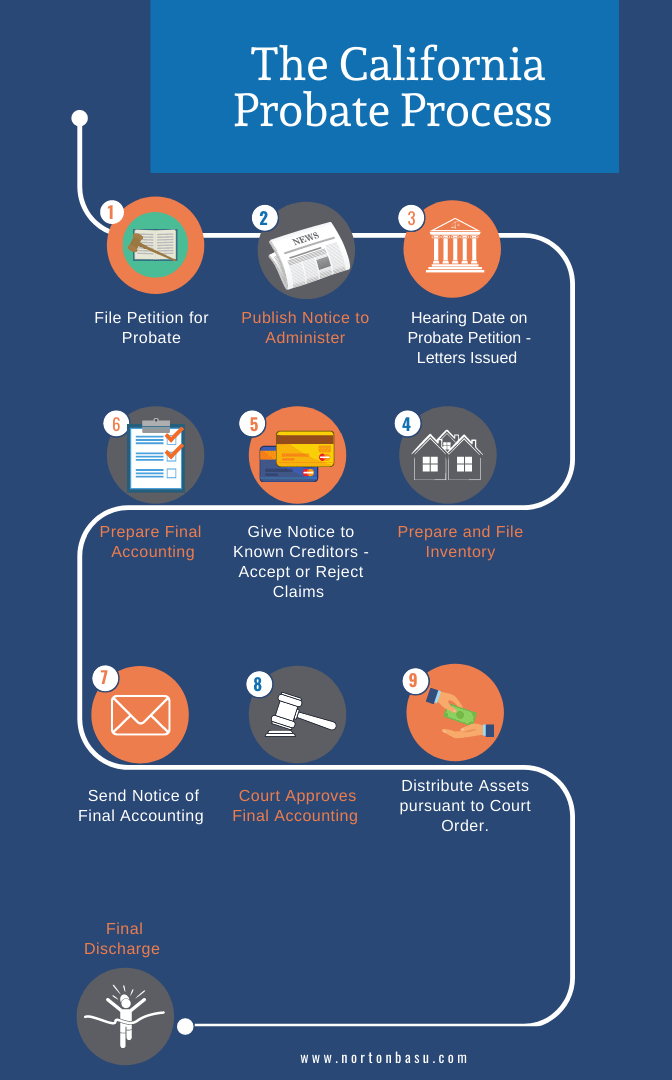
The probate process in California is governed by the California Probate Code. It generally begins after a person passes away and involves several key steps, from the initial petition to the final distribution of assets. The length of probate can vary significantly, ranging from a few months to over a year, depending on the complexity of the estate, the presence of any disputes, and the court’s caseload. The primary goal is to legally transfer ownership of the deceased’s assets to their rightful heirs or beneficiaries.
Initiating the Probate Process
The first formal step in probate is to file a petition with the appropriate superior court in the county where the deceased resided. This petition formally requests the court to open probate proceedings.
Filing the Petition
The petition typically includes vital information about the deceased, such as their full name, date of death, and a list of known assets. If the deceased left a will, the original will must be filed with the court. The person filing the petition is usually the executor named in the will, or if there is no will, a close relative who petitions to be appointed as the administrator of the estate. This person is known as the petitioner.
Notice and Publication
Once the petition is filed, the court requires that formal notice be given to all interested parties, including heirs, beneficiaries, and creditors. This notice informs them that probate proceedings have commenced and provides details about the hearing date. In most cases, a formal notice must also be published in a local newspaper to alert any unknown creditors or potential claimants. This step is critical for ensuring transparency and allowing anyone with a legitimate claim against the estate to come forward.
Appointment of the Personal Representative
A pivotal stage in the probate process is the official appointment of a personal representative by the court. This individual will be responsible for managing the estate.
Executor vs. Administrator
If the deceased left a valid will naming an executor, the court will generally appoint that individual, provided they meet legal requirements. If there is no will, or if the named executor is unable or unwilling to serve, the court will appoint an administrator. The order of preference for administrators typically follows a statutory hierarchy, usually prioritizing close relatives.
Letters Testamentary or Letters of Administration
Upon appointment, the court issues “Letters Testamentary” (for an executor) or “Letters of Administration” (for an administrator). These legal documents serve as the personal representative’s authority to act on behalf of the estate. They empower the representative to access bank accounts, sell property, pay debts, and distribute assets.
The Estate Administration Phase
With a personal representative appointed and empowered, the estate administration phase begins. This is where the bulk of the work of settling the estate takes place.
Inventory and Appraisal of Assets
The personal representative has a fiduciary duty to identify, gather, and value all assets belonging to the deceased. This includes real estate, bank accounts, investments, personal property, and any other valuable possessions.
Formal Inventory
A formal inventory must be filed with the court within a specific timeframe, typically within four months of the personal representative’s appointment. This document lists all assets and their estimated values.
Independent and Court Appraised Assets
California law allows for assets to be appraised either independently by a qualified appraiser or by a court-appointed probate referee. The process for appraisal can be streamlined for certain types of assets.
Managing Estate Assets and Debts

The personal representative is responsible for safeguarding the estate’s assets while also addressing any outstanding debts and taxes.
Paying Creditors
Creditors of the deceased must be notified of the probate proceedings. They have a limited time to file a claim against the estate for any amounts owed. The personal representative must review these claims and pay valid debts from the estate’s funds. This can include mortgages, credit card bills, medical expenses, and other liabilities.
Estate Taxes and Income Taxes
The estate may be subject to various taxes, including federal estate tax (if the estate value exceeds a certain threshold), California estate tax (which is currently zero), and income taxes on any income earned by the estate during the probate process. The personal representative is responsible for filing the necessary tax returns and paying any taxes due.
Selling Property and Distributing Assets
If the will directs the sale of property or if it is necessary to sell assets to pay debts and taxes, the personal representative will handle these transactions. Once all debts, taxes, and expenses of administration have been paid, the remaining assets are ready for distribution to the beneficiaries or heirs.
Petition for Final Distribution
The personal representative files a petition with the court requesting permission to distribute the remaining assets. This petition details how the estate’s assets will be divided according to the will or intestate succession laws.
Final Accounting
A final accounting is typically presented to the court and beneficiaries, detailing all financial transactions that have occurred during the administration of the estate. This ensures transparency and allows for an review of the representative’s stewardship.
Contested Probate and Other Issues
While many probate cases proceed smoothly, some can become contested, leading to extended legal proceedings.
Challenges to the Will
A will can be challenged on various grounds, such as allegations of undue influence, fraud, lack of testamentary capacity, or improper execution. If a will is successfully challenged and invalidated, the estate may then be distributed as if there were no will.
Disputes Among Beneficiaries or Heirs
Disagreements can arise among beneficiaries or heirs regarding the interpretation of the will, the valuation of assets, or the actions of the personal representative. These disputes may require court intervention to resolve.
Minor Beneficiaries or Special Circumstances
Estates involving minor beneficiaries or those with special needs may require the establishment of trusts or conservatorships to manage the inherited assets. The court will oversee these arrangements to ensure the well-being of the recipients.
Closing the Estate
The final stage of probate involves formally closing the estate, signifying the end of the court’s involvement.
Court Approval of Final Distribution
Once the court approves the petition for final distribution and the accounting, the personal representative can distribute the remaining assets to the designated beneficiaries or heirs. This often involves transferring titles to real estate, distributing securities, and handing over personal property.
Discharge of the Personal Representative
After all assets have been distributed and all administrative tasks are complete, the personal representative can petition the court for discharge. This officially releases them from their duties and responsibilities, bringing the probate process to a close.
Understanding these procedural proceedings in California Probate Court is essential for anyone involved in settling an estate. While the process can be intricate, a clear grasp of each step can help to navigate it with greater confidence and ensure that the deceased’s wishes are honored and their estate is settled fairly and efficiently. Consulting with an experienced probate attorney can provide invaluable guidance through this complex legal landscape.
LifeOutOfTheBox is a participant in the Amazon Services LLC Associates Program, an affiliate advertising program designed to provide a means for sites to earn advertising fees by advertising and linking to Amazon.com. Amazon, the Amazon logo, AmazonSupply, and the AmazonSupply logo are trademarks of Amazon.com, Inc. or its affiliates. As an Amazon Associate we earn affiliate commissions from qualifying purchases.