
Navigating the process of obtaining a driver’s permit in California is a significant step towards independence and mobility. Whether you’re a teenager eager to hit the open road or an adult looking to solidify your driving credentials, understanding the requirements is paramount. This guide breaks down everything you need to know to successfully acquire your learner’s permit, ensuring a smooth and informed experience. From eligibility to the actual application, we’ll cover the essential steps, documents, and tests involved.
Eligibility Requirements for a California Learner’s Permit
Before embarking on the application process, it’s crucial to confirm you meet the fundamental eligibility criteria set forth by the California Department of Motor Vehicles (DMV). These requirements ensure that all applicants are adequately prepared and understand the responsibilities that come with driving.
Age Restrictions
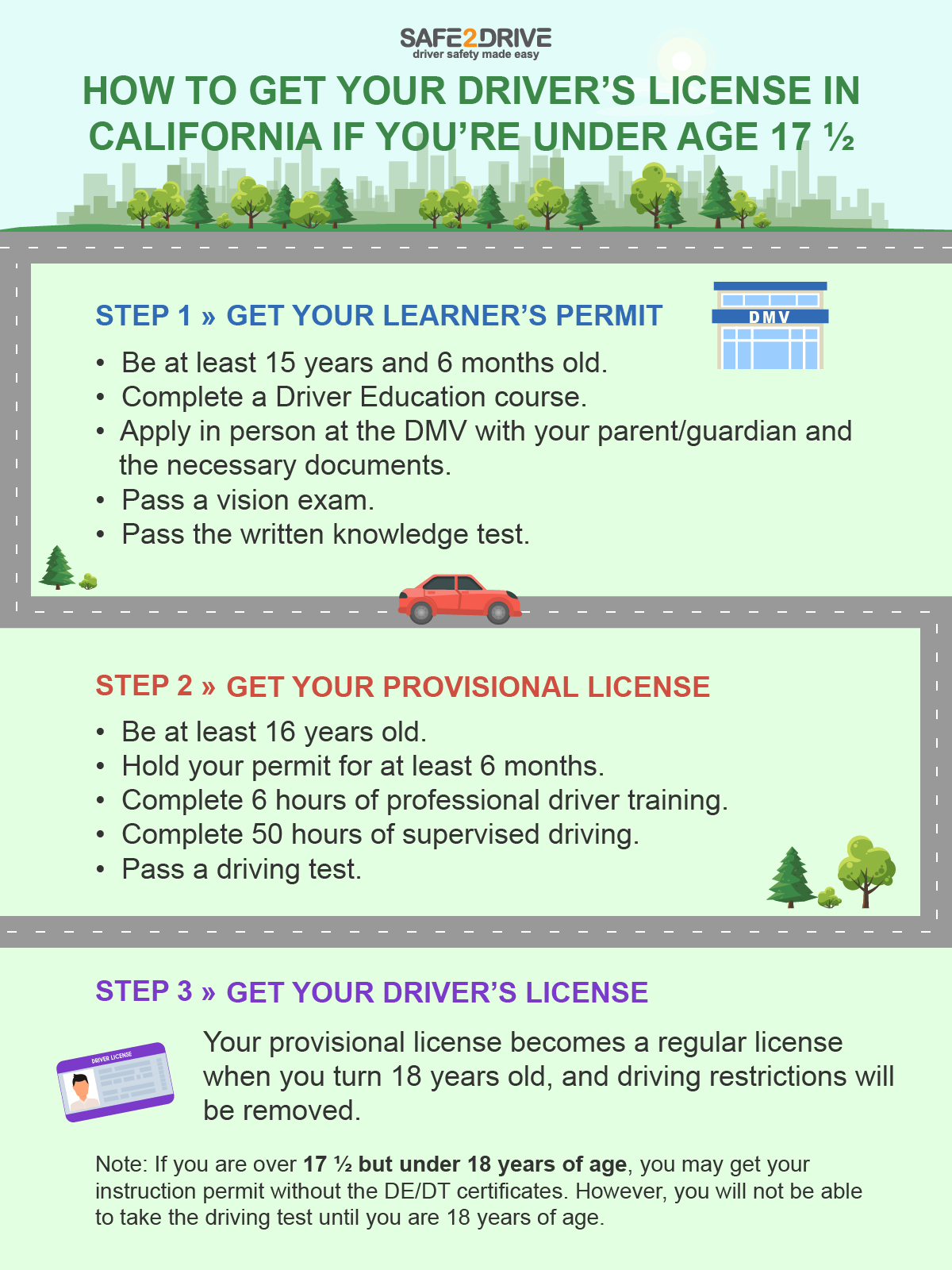
In California, the minimum age to apply for a learner’s permit is 15 and a half years old. However, there are different pathways depending on your age and whether you are enrolled in a formal driver education program.
- Under 18 Years Old: If you are under 18, you must be at least 15 and a half years old to apply for an instruction permit. You will also need to present proof of completion of a driver education course and a driver training course, or be currently enrolled in one. This is part of California’s Graduated Driver Licensing (GDL) program, designed to provide new drivers with a structured learning experience.
- 18 Years Old and Older: If you are 18 or older, you can apply for an instruction permit without needing to complete driver education or training beforehand. However, taking these courses is still highly recommended for building a strong foundation of driving knowledge and skills.
Residency and Legal Status
Applicants must be able to prove they are legal residents of California. This typically involves providing documentation that establishes your address within the state. Additionally, proof of legal presence in the United States is required.
Driver Education and Training (for Under 18)
For applicants under 18, a crucial component of the permit application is proof of enrollment in or completion of a driver education program. This program covers the rules of the road, safe driving practices, and the dangers of impaired driving. You will need to present a certificate of completion or a form signed by your instructor verifying your enrollment.
- Driver Education: This is a classroom-based course that provides theoretical knowledge about driving.
- Driver Training: This is a behind-the-wheel course where you receive practical instruction from a licensed driving instructor.
Essential Documents for Your Permit Application
Gathering the correct documentation is a critical step that often causes delays if not handled properly. The California DMV has specific requirements for the documents you must present. It’s advisable to gather these well in advance of your appointment.
Proof of Identity and Date of Birth
You will need to provide an original or certified copy of a document that proves your identity and date of birth. Acceptable documents include:
- U.S. Birth Certificate: An original or certified copy issued by a vital records office.
- U.S. Passport: A valid U.S. passport.
- Consular Report of Birth Abroad: A report issued by the U.S. Department of State.
- Certificate of Citizenship: For those born abroad to U.S. citizen parents.
- Permanent Resident Card: A valid Permanent Resident Card (I-551).
Proof of Legal Presence
In addition to proving your identity, you must also demonstrate your legal presence in the United States. Accepted documents can overlap with identity documents, but it’s important to ensure they clearly indicate legal status. Examples include:
- U.S. Birth Certificate
- U.S. Passport
- Permanent Resident Card (I-551)
- Employment Authorization Document (EAD)
- Foreign Passport with Valid I-94 Form
Proof of California Residency
To show that you reside in California, you will need to present two different documents. These documents must clearly display your name and California address. Acceptable examples include:
- Utility Bills: Water, gas, electricity, or landline phone bills.
- Rental or Lease Agreements: Signed by the owner and tenant.
- Mortgage Statements
- Bank Statements
- School Records: Transcripts or report cards issued by a California school.
- Medical Bills
- Insurance Documents
Social Security Number (SSN)
You are generally required to provide your Social Security number (SSN). You can present your Social Security card, a W-2 form, or a pay stub with your SSN. If you do not have an SSN, you may need to provide documentation from the Social Security Administration.
Certificate of Completion for Driver Education/Training (Under 18)
As mentioned, if you are under 18, you must bring proof that you have completed or are enrolled in a driver education and training program. This is typically a DL 400C form or a certificate provided by your driving school.
The Application Process at the DMV
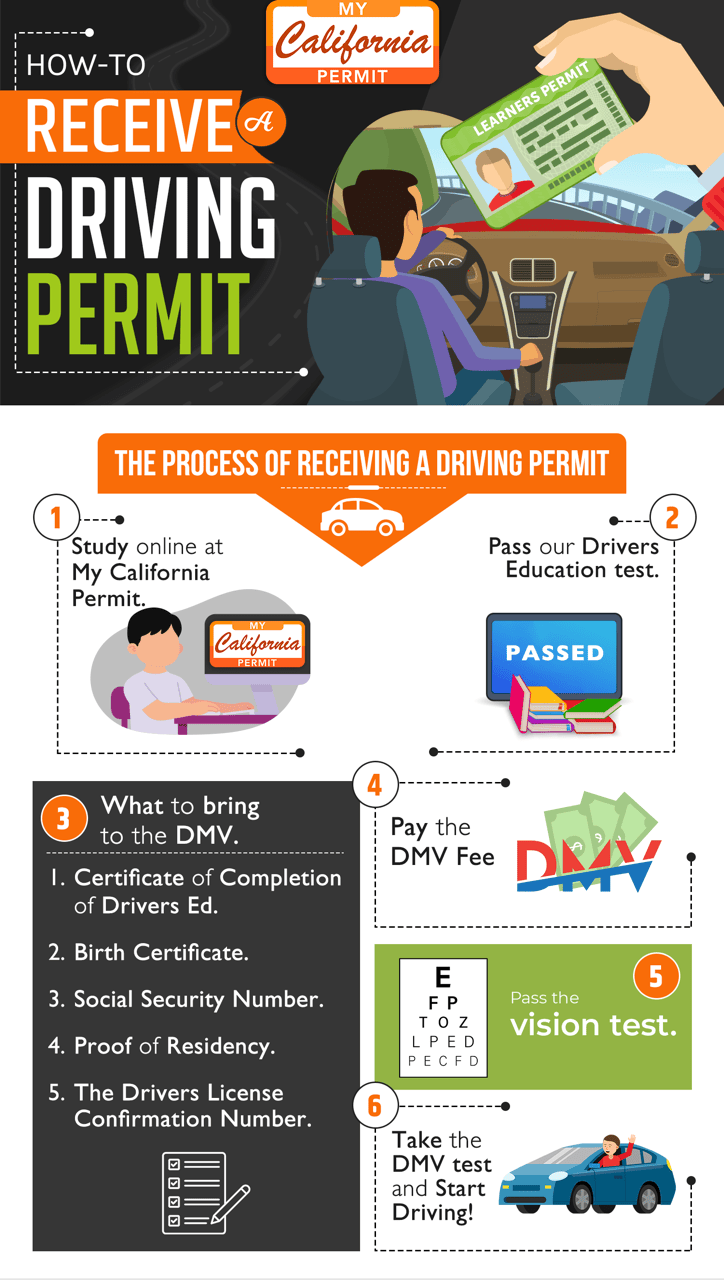
Once you have gathered all your necessary documents, the next step is to visit a California DMV office to formally apply for your permit. It’s highly recommended to schedule an appointment online to minimize wait times.
Completing the DL 44 Application Form
You will need to fill out the Driver License or Identification Card Application, form DL 44. This form requires detailed personal information, including your name, address, date of birth, and answers to questions about your driving history and any medical conditions that might affect your ability to drive safely. You can often start this form online before your appointment, which can save time at the office.
Vision Screening
At the DMV, you will undergo a vision screening to ensure your eyesight meets the minimum requirements for driving. You will be asked to read letters on a chart. If you wear corrective lenses, such as glasses or contact lenses, bring them with you and mention it to the examiner, as there may be a restriction placed on your permit or future license.
Written Knowledge Test
The most significant hurdle for many is the written knowledge test. This computer-based test assesses your understanding of California’s traffic laws, road signs, and safe driving practices. The test is multiple-choice and covers information found in the official California Driver Handbook.
- Preparation is Key: Thoroughly study the California Driver Handbook. It is the definitive source of information for the test. Many online resources and practice tests are available to help you prepare.
- Test Format: The test consists of 36 multiple-choice questions. You must answer at least 30 correctly to pass.
- Language Options: The test is available in multiple languages. Inform the DMV staff if you require a different language.
- Passing and Failing: If you pass, you move on to the next step. If you fail, you can retake the test after a waiting period (usually one week). There is a limit to the number of times you can take the test.
Thumbprint and Photograph
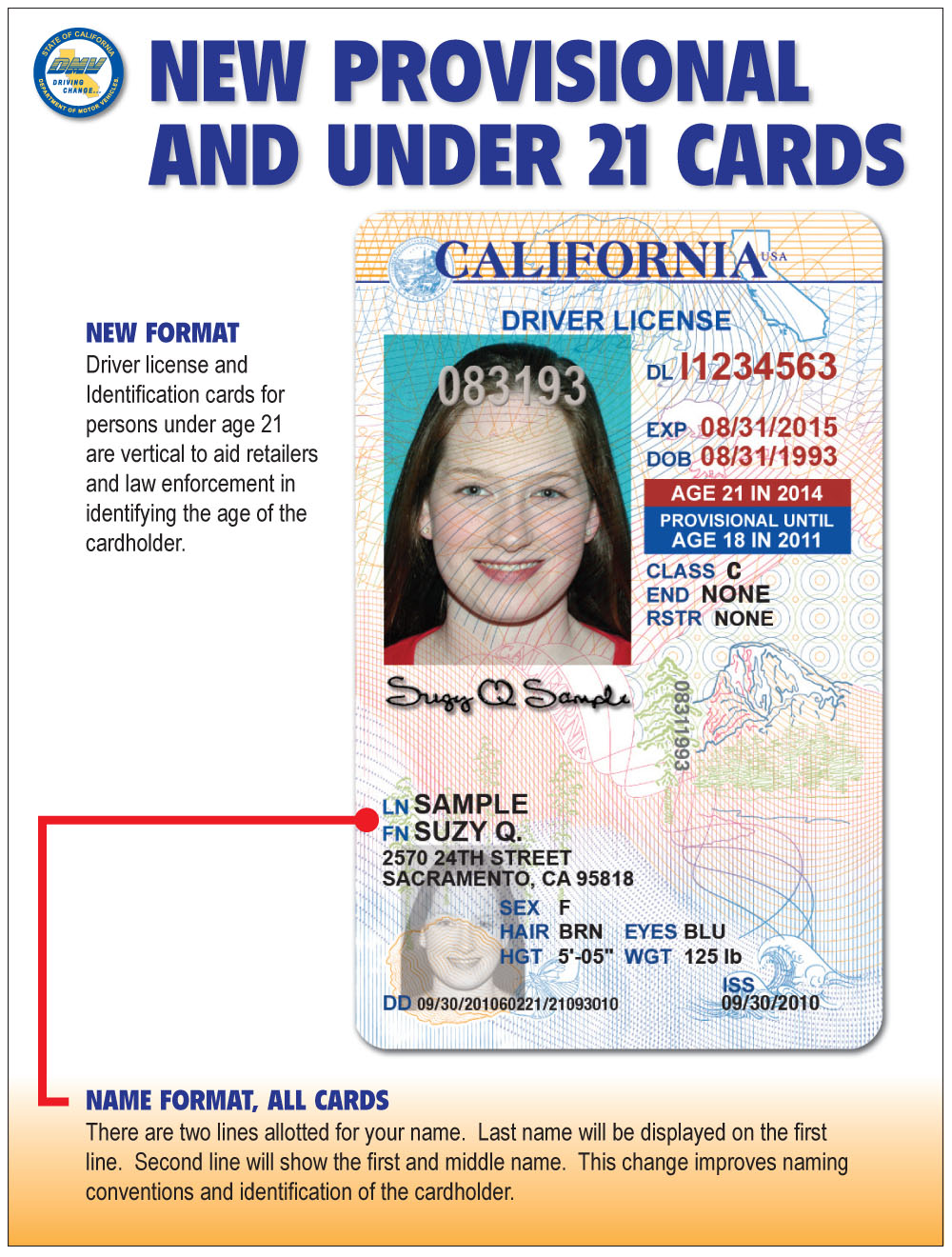
During your visit, a thumbprint will be taken. This is a standard part of the identification process. You will also have your photograph taken for your permit. Ensure you are dressed appropriately for your photo, as it will be on your official identification.
Fee Payment
There is a non-refundable application fee that must be paid at the time of your application. The current fee can be found on the California DMV website. This fee covers the cost of processing your application and issuing your permit.
Post-Permit Requirements and Restrictions
Once you have successfully passed all the requirements and been issued your instruction permit, your journey towards obtaining a full driver’s license is still ongoing. There are specific rules and requirements you must adhere to while holding a permit, especially if you are under 18.
Driving Supervision Requirements (Under 18)
For permit holders under 18, the instruction permit is not a license to drive alone. You must be accompanied by a licensed adult who meets specific criteria:
- Licensed Adult: The accompanying driver must be at least 25 years old and hold a valid California driver’s license.
- Seating Position: The adult must be seated in a position where they can readily take control of the vehicle, typically in the front passenger seat.
- Permit Validity: The permit must be valid for at least six months before you can apply for a provisional license.
Practice Driving Hours (Under 18)
The GDL program mandates a minimum number of supervised practice driving hours to ensure you gain sufficient experience.
- Total Hours: You must complete at least 50 hours of supervised driving practice.
- Night Driving: Of those 50 hours, at least 10 hours must be completed at night.
- Log Keeping: It is crucial to keep a detailed log of your driving hours, which will need to be signed by the supervising adult. This log will be required when applying for your provisional license.
Restrictions on Permit Holders
Permit holders, particularly those under 18, face several restrictions designed to ensure safety and provide a controlled learning environment.
- No Driving Alone: As emphasized, driving alone is prohibited.
- Passenger Limitations: Generally, permit holders under 18 cannot drive with passengers under 20 years old unless accompanied by a licensed parent, guardian, instructor, or another licensed driver 25 years or older. There are exceptions for family members.
- Curfew: While not always strictly enforced for permit holders in the same way as provisional licenses, it is advisable to avoid driving during late-night hours unless supervised by an eligible adult. The provisional license has stricter curfew rules.
- No Cell Phone Use: All drivers holding a permit are prohibited from using wireless devices while driving, including hands-free devices.
Transitioning to a Provisional License (Under 18)
After holding your instruction permit for at least six months, completing the required supervised driving hours, and passing the behind-the-wheel driving test, you will be eligible to apply for a provisional driver’s license. This is another graduated step in the licensing process, with its own set of rules and restrictions.
The Permit as a Stepping Stone
Obtaining your learner’s permit is a significant accomplishment, but it is just the first step in a comprehensive licensing process designed to create safe and responsible drivers. By understanding and adhering to all the requirements, you set yourself up for success on the road and contribute to the overall safety of California’s roadways. The commitment to learning and practicing safe driving habits will serve you well throughout your driving career.
LifeOutOfTheBox is a participant in the Amazon Services LLC Associates Program, an affiliate advertising program designed to provide a means for sites to earn advertising fees by advertising and linking to Amazon.com. Amazon, the Amazon logo, AmazonSupply, and the AmazonSupply logo are trademarks of Amazon.com, Inc. or its affiliates. As an Amazon Associate we earn affiliate commissions from qualifying purchases.