
Navigating the urban landscape of Chicago can be an exhilarating experience, brimming with iconic landmarks, world-class dining, and vibrant cultural attractions. However, for visitors and even seasoned residents, understanding the intricacies of parking within this bustling metropolis is crucial to avoid unwelcome financial penalties. A parking ticket in Chicago isn’t just a minor inconvenience; it represents a tangible cost that can impact your budget and your overall perception of your visit. This guide delves into the typical costs, the factors influencing them, and how to navigate the system to minimize your chances of receiving one.
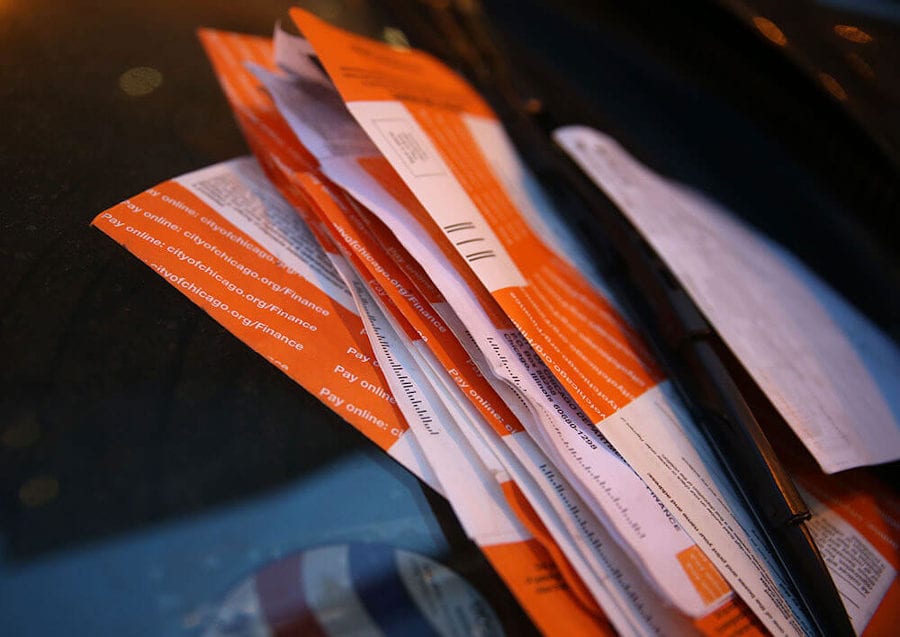
Understanding Chicago’s Parking Ticket Fines
The cost of a parking ticket in Chicago is not a fixed, one-size-fits-all figure. Instead, it varies based on the severity of the violation and the location within the city. The city’s Department of Finance oversees the issuance and management of parking citations, and their fee structure is designed to encourage compliance with parking regulations.
Standard Parking Violations
For most common parking infractions, such as exceeding the posted time limit, parking in a no-parking zone, or failing to feed a meter, the base fine typically falls within a range. Historically, these fines have started at around $60 for minor offenses. However, it’s important to note that this figure can be subject to change with city ordinances and budget adjustments. These “standard” tickets are generally issued for violations that do not pose a significant safety hazard or impede traffic flow substantially. They are the most frequent types of tickets issued and are often seen as the entry-level penalty for parking missteps.
Escalated Violations and Increased Fines
Certain parking violations are deemed more serious due to their potential impact on public safety, traffic flow, or accessibility. These can include:
- Parking in a Fire Lane: This is a critical violation as it directly impedes emergency services. Fines for such offenses are significantly higher, often starting at $150 or more.
- Blocking a Driveway or Sidewalk: This hinders access for residents and pedestrians, particularly those with mobility challenges. These tickets also carry higher penalties, often in the $100 to $150 range.
- Parking in a “No Standing” or “No Stopping” Zone: These restrictions are in place for specific reasons, often to maintain traffic movement or ensure clear sightlines. Violations here can result in fines similar to blocking a driveway.
- Parking Too Close to a Hydrant: This is another safety-related violation that can incur substantial fines, typically upwards of $100.
- Snow Route Violations: During the winter months, strict parking restrictions are enforced on designated snow routes to allow for effective plowing. Tickets issued on these routes during a snow emergency can be costly, often around $75.
The rationale behind these escalated fines is to deter behavior that poses a clear risk or significant inconvenience to the wider community. The higher cost serves as a stronger deterrent for these more impactful infractions.
Meter Violations and Special Zones
Chicago utilizes a sophisticated network of parking meters, both traditional and digital. The cost of parking itself varies depending on the zone and the time of day, and failing to adhere to these meter rules can lead to a ticket.
- Expired Meter: If your time runs out at a meter, you can expect a fine starting around $60. This is one of the most common tickets issued in the city.
- Street Cleaning/Residential Permit Zones: Many streets have specific days and times for street cleaning or are designated as residential permit parking zones. Parking in these areas during restricted hours without the proper permit will result in a ticket, often in the $50 to $75 range.
- Loading Zones: While loading zones are essential for commerce, parking in them outside of designated hours or without a commercial vehicle can lead to a fine.
The digital nature of many parking meters in Chicago offers convenience through mobile payment apps, but it also means that time limits are strictly enforced. Vigilance is key when relying on these systems.
Factors Influencing Parking Ticket Costs
Beyond the general classification of the violation, several other factors can influence the final cost of a parking ticket in Chicago, or at least the potential financial implications.
Late Payment Penalties
One of the most significant ways a parking ticket’s cost can escalate is through late payment penalties. Chicago operates on a system where timely payment is incentivized.
- Initial Fine Period: When you receive a ticket, there is typically an initial period (often 30 days) during which you can pay the base fine without additional charges.
- Subsequent Penalties: If the fine remains unpaid after this initial period, additional penalties are often added. These late fees can increase the original fine substantially, sometimes doubling or even tripling the amount owed over time. For instance, a $60 ticket could balloon to $120 or more if ignored for an extended period.
- Collection Agencies: If the ticket continues to go unpaid, the city may then turn the debt over to a collection agency, which can further increase the amount owed with collection fees and negatively impact your credit score.
This escalating penalty system underscores the importance of addressing parking citations promptly.

Booting and Towing
In cases of multiple unpaid tickets or particularly egregious violations, the city has the authority to immobilize your vehicle with a “boot” or even tow it away.
- Booting: A vehicle with two or more outstanding parking tickets is subject to booting. The cost to have the boot removed typically includes the payment of all outstanding tickets plus a booting fee, which can be several hundred dollars.
- Towing: Vehicles with more outstanding tickets, or those parked in critical no-parking zones, are at risk of being towed. The cost of reclaiming a towed vehicle includes the payment of all outstanding tickets, the towing fee, and daily storage fees, which can rapidly accumulate, making it a very expensive consequence.
These measures are implemented to ensure compliance and to clear the streets of illegally parked vehicles.
Administrative Fees and Court Costs
While not always directly added to the initial ticket amount, certain situations can involve additional administrative fees or court costs. If you choose to contest a ticket and are found guilty in court, you may be responsible for court fees in addition to the original fine. Similarly, administrative processes for resolving complex cases can sometimes involve small fees.
How to Avoid Parking Tickets in Chicago
Prevention is always the best policy when it comes to parking tickets. Being aware of the rules and employing smart parking strategies can save you money and stress.
Understand the Signage
Chicago employs a variety of parking signs. It is imperative to read and understand all signs at the location where you intend to park. Look for:
- Time Limits: Posted hours for parking restrictions.
- Permit Requirements: Signs indicating residential permit parking or special zone restrictions.
- Street Cleaning Schedules: Days and times when parking is prohibited for cleaning.
- No Parking/No Standing/No Stopping: Understand the nuances of these designations. “No Parking” generally means you cannot leave your vehicle unattended, while “No Stopping” is more restrictive, often prohibiting even brief stops.
Utilize Parking Apps and Meters Correctly
- Pay Attention to Meter Expiration: If using a meter, set a reminder on your phone for a few minutes before your time is up.
- Mobile Payment: Leverage Chicago’s mobile parking apps, but ensure you are entering the correct zone number and vehicle information.
- Digital Meters: Be aware that digital meters often have less forgiving grace periods than older mechanical ones.
Be Mindful of Special Events and Construction
- Event Parking: During major events at venues like Soldier Field or Wrigley Field, parking restrictions are often implemented in surrounding neighborhoods. Check local advisories or event websites.
- Construction Zones: Temporary parking restrictions are common around construction sites. Pay close attention to any temporary signage.
Consider Alternative Transportation
For visitors to Chicago, especially those staying in densely populated areas or planning to explore multiple attractions, considering alternative transportation can be a wise choice to avoid parking headaches altogether.
- Public Transportation: Chicago’s public transit system, including the ‘L’ train and bus network, is extensive and efficient. It can be a cost-effective and stress-free way to get around, especially to popular tourist areas like the Magnificent Mile or Millennium Park.
- Ride-Sharing Services: Services like Uber and Lyft are readily available and can be convenient for direct transport to your destination.
- Walking and Biking: Many of Chicago’s most beloved attractions are within walking distance of each other, particularly in the downtown area. Bike-sharing programs are also a popular and enjoyable way to experience the city’s lakefront and neighborhoods.

Contest Tickets When Appropriate
If you genuinely believe you have been unfairly ticketed, you have the right to contest it. Chicago provides avenues for contesting tickets, either online, by mail, or in person. You will need to present evidence to support your case, such as photos, receipts, or witness statements. However, be prepared to spend time and effort on this process.
By understanding the potential costs, the reasons behind them, and implementing proactive parking strategies, visitors and residents can better navigate the parking landscape of Chicago and keep their travel budgets on track.
LifeOutOfTheBox is a participant in the Amazon Services LLC Associates Program, an affiliate advertising program designed to provide a means for sites to earn advertising fees by advertising and linking to Amazon.com. Amazon, the Amazon logo, AmazonSupply, and the AmazonSupply logo are trademarks of Amazon.com, Inc. or its affiliates. As an Amazon Associate we earn affiliate commissions from qualifying purchases.