
Navigating the intricacies of purchasing a vehicle in California can be a significant undertaking, with numerous factors contributing to the final price. Among these, the car sales tax stands out as a crucial component that affects both budget and final expenditure. Understanding what car sales tax is in California, how it’s calculated, and what it covers is essential for any prospective buyer. This comprehensive guide aims to demystify this aspect of vehicle acquisition, ensuring a smoother and more informed transaction.
Understanding California’s Sales and Use Tax
At its core, the car sales tax in California is part of the state’s broader sales and use tax system. This tax is levied on the retail sale of tangible personal property, which includes vehicles. When you purchase a car, you are essentially buying a tangible item, and therefore, it is subject to this tax. The revenue generated from sales tax contributes to funding public services, infrastructure projects, and various state and local government programs.
The Dual Nature: Sales Tax vs. Use Tax
It’s important to distinguish between sales tax and use tax, though they serve the same purpose and have the same rate. Sales tax is what you pay when you buy a car within California from a licensed dealer or a private party. The seller is responsible for collecting this tax at the point of sale and remitting it to the state.
Use tax, on the other hand, is designed to capture tax on items purchased outside of California but subsequently brought into the state for use. If you buy a car in another state and then register it in California, you are generally required to pay the equivalent use tax. This prevents individuals from avoiding California’s tax obligations by making purchases elsewhere. For vehicle purchases, this typically happens when you register your out-of-state vehicle with the California Department of Motor Vehicles (DMV).
Who Collects the Tax?
For most vehicle purchases, the tax is collected by the seller at the time of the transaction. If you buy from a licensed dealership, they will add the sales tax to your total purchase price. If you buy from a private party, you will typically pay the sales tax directly to the California Department of Motor Vehicles when you register the vehicle, alongside registration fees and other applicable charges. The DMV then remits these collected taxes to the state.
Calculating Your Car Sales Tax
The calculation of car sales tax in California is not a flat rate across the entire state. It is a combination of the state sales tax rate and any applicable local district taxes.
The Base State Sales Tax Rate
California‘s statewide sales tax rate is currently set at 7.25%. This is the fundamental rate that applies to most taxable transactions throughout the state.
Local District Taxes: The Variable Component
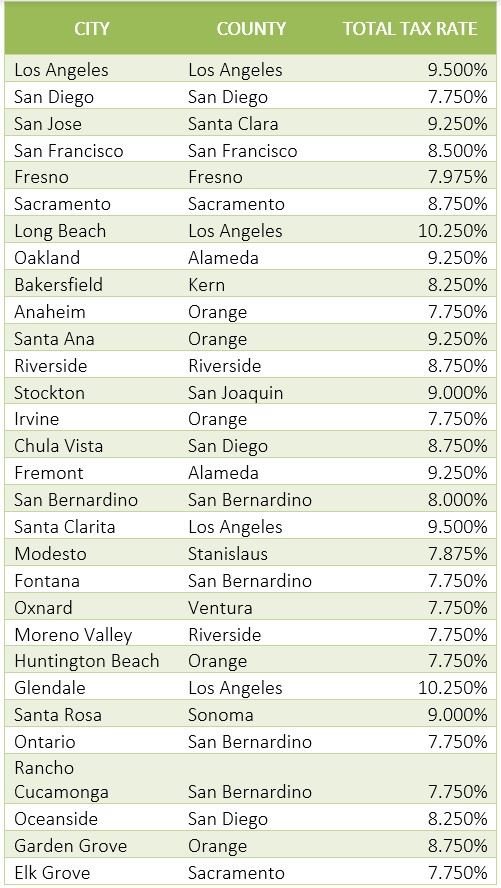
The complexity arises with local district taxes. These are additional taxes imposed by counties, cities, and special districts, and they vary significantly from one locality to another. These district taxes can be for various purposes, such as funding public transportation, local infrastructure improvements, or public safety initiatives.
The total sales tax rate in any given location is the sum of the state rate and the rates of all applicable district taxes within that jurisdiction. This means that two people buying identical cars in different cities within California could end up paying different amounts of sales tax, simply based on their delivery location.
Finding Your Specific Rate
To determine the exact sales tax rate for your vehicle purchase, you need to know the location where the sale will be finalized or where the vehicle will be registered and primarily used. The California Department of Tax and Fee Administration (CDTFA) provides resources to help taxpayers find the correct tax rate for specific locations. Online lookup tools are often available on their website, allowing you to input a zip code or city to find the applicable combined state and local sales tax rate.
The Taxable Amount
It’s important to note that sales tax is calculated on the net retail selling price of the vehicle. This means that any discounts, rebates, or trade-in allowances applied by the dealer before the sale are typically deducted from the price before sales tax is calculated. However, this can vary, and it’s always wise to clarify with the dealership exactly how the taxable amount is determined. For example, a manufacturer’s rebate offered directly to the consumer after the sale would generally not reduce the taxable amount.
What Does Car Sales Tax Cover?
The car sales tax collected in California is a vital source of revenue that supports a wide array of public services and infrastructure projects that benefit residents across the state. While the exact allocation of funds can be complex and vary based on the specific district taxes applied, the general purpose is to contribute to the collective well-being and functionality of the state.
Funding Public Services
A significant portion of sales tax revenue is directed towards funding essential public services. This includes:
- Education: Support for K-12 schools, community colleges, and universities.
- Public Safety: Funding for law enforcement agencies, fire departments, and emergency medical services.
- Healthcare: Contributions to public health programs and services.
- Social Services: Support for various programs that assist vulnerable populations.
Infrastructure Development and Maintenance
Sales tax revenue also plays a critical role in the development and maintenance of California’s extensive infrastructure. This encompasses:
- Roads and Transportation: Funding for the construction, repair, and maintenance of highways, bridges, and local roads. This also supports public transportation systems, such as buses and trains, in various regions.
- Utilities: Contributions to the maintenance and expansion of public utilities like water and sewer systems.
- Parks and Recreation: Funding for the upkeep and development of state and local parks, providing recreational spaces for residents and visitors.

Local Initiatives and Projects
District taxes, which make up a portion of the total sales tax rate, are specifically allocated to local needs. These can include:
- Community Projects: Funding for local libraries, community centers, and cultural institutions.
- Environmental Protection: Support for initiatives aimed at preserving natural resources and improving air and water quality.
- Economic Development: Investments in programs designed to foster local business growth and create jobs.
When you pay sales tax on a vehicle purchase, you are indirectly contributing to the upkeep and improvement of the communities and the state you live in, as well as supporting the services that enhance the quality of life for everyone.
Exemptions and Special Cases
While most vehicle purchases in California are subject to sales tax, there are certain exemptions and special cases that buyers should be aware of. These provisions are designed to address specific circumstances and ensure fairness in the tax system.
Exclusions and Exemptions
- Gifts: If a vehicle is received as a bona fide gift from a family member or a close friend, and no money or other consideration changes hands, it may be exempt from sales tax. However, the California Department of Tax and Fee Administration has specific rules regarding what constitutes a gift, and it is crucial to understand these requirements. Documentation will likely be required to prove the nature of the transfer.
- Sales to the U.S. Government: Vehicles purchased by the United States government are generally exempt from California sales tax.
- Sales for Resale: Businesses that purchase vehicles for the purpose of reselling them (e.g., car dealerships, rental car companies) are typically exempt from paying sales tax at the time of purchase. They will, however, be responsible for collecting and remitting sales tax when they sell the vehicle to a final consumer.
- Certain Non-Profit Organizations: In some limited circumstances, certain types of non-profit organizations may be eligible for sales tax exemptions on vehicle purchases, depending on their specific status and the intended use of the vehicle.
Out-of-State Purchases and Use Tax
As mentioned earlier, vehicles purchased out of state but brought into California for use are subject to the use tax. The rate of use tax is the same as the sales tax rate in the district where the vehicle is first registered or primarily used. When you register the vehicle with the DMV, you will be assessed and required to pay the applicable use tax. This prevents individuals from avoiding California’s tax obligations. If you paid sales tax to another state on the purchase, you may be able to claim a credit for that tax paid against your California use tax liability, up to the amount of California tax due.
Special Circumstances for Certain Buyers
- Military Personnel: There are specific provisions for members of the U.S. military stationed in California who purchase vehicles. Depending on the circumstances, such as where the vehicle is purchased and registered, and their home of record, some exemptions or special treatments might apply. It’s advisable for military personnel to consult with the DMV or CDTFA for clarification.
- Diplomats and Foreign Consular Officials: Individuals holding diplomatic status or working for foreign consular offices in California may be eligible for exemptions from sales and use tax, subject to specific treaties and agreements.
It is crucial for buyers to thoroughly understand the requirements and documentation needed for any claimed exemption. Misunderstanding these rules can lead to penalties and interest charges. Consulting with a tax professional or directly with the California Department of Tax and Fee Administration is always recommended for complex situations or when claiming an exemption.
Tips for Buyers and Final Considerations
When embarking on the journey of purchasing a vehicle in California, a clear understanding of car sales tax can empower you to make more informed decisions and avoid unwelcome surprises. By factoring this cost into your budget from the outset, you can ensure a smoother financial transaction.
Budgeting for Sales Tax
The most significant tip for any buyer is to proactively incorporate the estimated sales tax into your overall vehicle budget. Before you even start test-driving cars or negotiating prices, use the resources available (like the CDTFA’s rate finder) to estimate the tax based on the anticipated purchase price and your local tax rate. This will give you a more realistic picture of the total out-the-door cost. Don’t wait until you’re at the dealership to discover this significant expense.
Clarify All Fees with the Dealership
While sales tax is a state-mandated charge, dealerships may also have other fees. It’s imperative to ask for a detailed breakdown of all costs before signing any paperwork. This includes understanding how the dealership calculates the taxable amount, especially if there are trade-ins, rebates, or other incentives involved. A transparent dealer will be happy to explain every line item on the purchase agreement.
Consider the Timing of Your Purchase
While the sales tax rate itself doesn’t usually change based on the time of year, the overall price of vehicles can fluctuate. Savvy buyers might time their purchases to take advantage of seasonal sales or model year-end clearances, which could indirectly affect the total sales tax paid due to a lower base price.
Private Party Sales and DMV Interaction
If you’re purchasing from a private seller, remember that you will be responsible for paying the sales tax to the California Department of Motor Vehicles when you register the vehicle. Be prepared for this interaction. Ensure you have all the necessary paperwork, including a properly completed bill of sale. The DMV will assess the tax based on the reported sale price or the vehicle’s market value, whichever is higher, and the applicable tax rate for your registered address.
Out-of-State Purchases Require Diligence
For those considering purchasing a vehicle out of state, do not underestimate the implications of California’s use tax. Factor in the potential use tax liability when comparing prices. Registering an out-of-state vehicle in California will trigger the use tax assessment, and it’s a cost that must be paid to legally operate the vehicle in the state.
Stay Informed About Tax Law Changes
Sales tax laws and rates can change. While significant shifts are not frequent, it’s beneficial to stay generally aware of any updates that might affect vehicle purchases. The California Department of Tax and Fee Administration is the official source for the most current tax information.
By approaching your vehicle purchase with a thorough understanding of car sales tax in California, you can navigate the process with greater confidence and ensure that your new vehicle acquisition aligns perfectly with your financial plans.
LifeOutOfTheBox is a participant in the Amazon Services LLC Associates Program, an affiliate advertising program designed to provide a means for sites to earn advertising fees by advertising and linking to Amazon.com. Amazon, the Amazon logo, AmazonSupply, and the AmazonSupply logo are trademarks of Amazon.com, Inc. or its affiliates. As an Amazon Associate we earn affiliate commissions from qualifying purchases.