
California, the Golden State, beckons with its diverse landscapes, vibrant culture, and economic opportunities. From the sun-drenched beaches of Southern California to the majestic redwood forests of the North, its allure is undeniable. However, for many, the dream of living in California is tempered by a significant consideration: the cost of living. This comprehensive breakdown aims to illuminate the financial realities of establishing a life in this iconic state, covering key expenses that shape an individual’s budget. Understanding these components is crucial for anyone considering a move, whether for career advancement, a change of scenery, or simply to experience the unique Californian lifestyle.
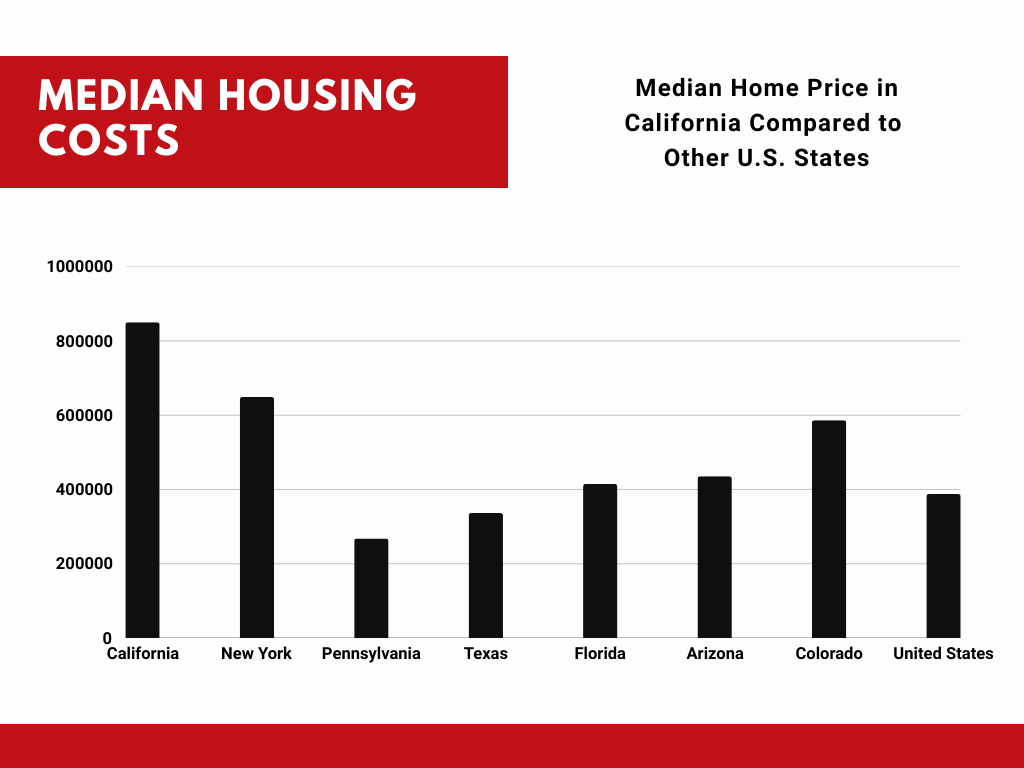
Housing: The Largest Financial Pillar
Housing is undeniably the most substantial expense for residents in California. The state’s desirability, coupled with limited supply and strong demand, drives up property values and rental rates significantly, particularly in major metropolitan areas. The cost can vary dramatically depending on the region, proximity to urban centers, and type of accommodation.
Renting vs. Owning
The decision between renting and owning is a fundamental one, with vastly different financial implications.
Rental Market Dynamics
For renters, monthly costs are a significant drain on income. Major cities like Los Angeles, San Francisco, and San Diego consistently rank among the most expensive rental markets in the nation.
- Studio Apartments: In these prime locations, a studio apartment can easily range from $1,800 to $3,000 per month, or even more in highly sought-after neighborhoods.
- One-Bedroom Apartments: Expect to pay between $2,000 and $3,500 for a one-bedroom, with prices escalating for units with premium amenities or desirable views.
- Two-Bedroom Apartments: Families or roommates sharing a space might face monthly rents of $2,500 to $4,500+, especially in bustling urban cores.
Even in more affordable regions of California, such as the Central Valley or parts of the Inland Empire, rents for comparable units will still be higher than the national average. Factors such as square footage, building amenities (gym, pool, doorman), and the age and condition of the property all contribute to the final price.
Homeownership Costs
Purchasing a home in California requires substantial capital and ongoing financial commitment.
- Down Payments: The median home price across California hovers around $750,000 to $800,000, though this figure can surge well over $1 million in coastal cities. A typical 20% down payment on a median-priced home would necessitate saving $150,000 to $160,000, a daunting task for many.
- Mortgage Payments: Even with a significant down payment, monthly mortgage payments can be substantial, factoring in the principal, interest, property taxes, and homeowner’s insurance.
- Property Taxes: California has Proposition 13, which limits annual property tax increases. However, the initial property tax assessment is based on the purchase price, meaning higher purchase prices translate to higher annual tax bills.
- Homeowner’s Insurance: This is a crucial expense, especially in fire-prone areas or coastal regions susceptible to earthquakes, adding another layer to monthly housing outlays.
- Maintenance and Repairs: Homeownership comes with the responsibility of upkeep, including unexpected repairs, which can add to the overall cost of owning a property.
Alternative Housing Options
For those seeking more affordable housing solutions, several alternatives exist:
- Co-living Spaces: These are becoming increasingly popular, offering private bedrooms within shared living environments, often including utilities and amenities at a lower price point than traditional rentals.
- Accessory Dwelling Units (ADUs): Often referred to as “in-law suites” or “backyard cottages,” ADUs are secondary housing units on single-family lots, providing a more affordable rental option or an opportunity for homeowners to generate income.
- Suburban and Rural Living: Moving further away from major metropolitan centers can significantly reduce housing costs, though it may come with longer commutes or fewer job opportunities.
Transportation: Navigating the Golden State
California is a vast state, and getting around can be a significant expense. The reliance on personal vehicles is high, especially outside of the most densely populated urban cores.
Vehicle Ownership Costs
Owning a car in California involves several recurring expenses:
- Car Payments: For those financing a vehicle, monthly payments can range from a few hundred to over a thousand dollars, depending on the vehicle’s cost and loan terms.
- Gasoline: California consistently has some of the highest gasoline prices in the United States, driven by state taxes and environmental regulations. Filling up a standard car can cost $60-$100 or more per week, depending on driving habits and fuel efficiency.
- Car Insurance: Premiums vary widely based on location, driving record, vehicle type, and coverage levels, but California generally has higher car insurance rates than the national average.
- Maintenance and Repairs: Regular oil changes, tire rotations, and unexpected repairs contribute to the ongoing cost of vehicle ownership.
- Registration and Smog Checks: Annual vehicle registration fees and mandatory smog checks add to the financial burden.
Public Transportation and Ride-Sharing
In major cities like San Francisco (BART, Muni), Los Angeles (Metro Rail, buses), and San Diego (MTS Trolley), public transportation offers a more budget-friendly alternative to car ownership.
- Monthly Passes: Public transit passes can range from $70 to over $100 per month, depending on the transit system and coverage area.
- Ride-Sharing Services: While convenient, services like Uber and Lyft can quickly become expensive, especially for daily commutes or frequent use. A short ride might cost $15-$30, and longer distances can easily reach $50-$100 or more.
Commuting Costs
The length and cost of a commute can significantly impact a resident’s daily expenses and overall quality of life. Long commutes can lead to increased fuel consumption, wear and tear on vehicles, and valuable time spent in traffic, which has an indirect financial cost.
Utilities and Essential Services
Beyond housing and transportation, essential utilities form another significant part of the monthly budget in California.
Electricity, Gas, and Water

The cost of utilities can fluctuate based on usage, climate, and local providers.
- Electricity: California‘s sunny climate often leads to higher electricity consumption for air conditioning during warm months. Rates can range from $100 to $300+ per month for a typical household, depending on usage and home size.
- Natural Gas: Used for heating and cooking, natural gas bills can vary seasonally, typically being higher in winter.
- Water: Water conservation is a major focus in California, and while rates are generally regulated, costs can still add up, especially for larger households or during periods of drought.
- Trash and Recycling: These services are usually bundled with other utilities or provided by a separate municipal service, costing $20-$50 per month.
Internet and Mobile Phone Services
Staying connected is a necessity, and these services add to the monthly outlay.
- Internet: High-speed internet plans can range from $60 to $100+ per month, depending on the provider and desired speed.
- Mobile Phone: Individual or family mobile phone plans typically cost $40-$150+ per month, depending on data allowances and carrier.
Food and Groceries: Nourishing the Body
The cost of food in California is generally higher than the national average, reflecting higher labor costs and transportation expenses.
Grocery Shopping
- Supermarkets: Even basic grocery shopping can represent a substantial portion of a household’s budget. A family of four might spend $800-$1,200 or more per month on groceries, depending on dietary choices, brand preferences, and whether they opt for organic or specialty items.
- Farmers’ Markets: While offering fresh, local produce, farmers’ markets can sometimes be more expensive than traditional supermarkets, especially for out-of-season items.
Dining Out and Entertainment
California offers a vibrant culinary scene, but dining out can quickly become a luxury.
- Casual Dining: A meal at a mid-range restaurant can cost $20-$50 per person.
- Fine Dining: For a special occasion, a meal at a high-end restaurant can easily run $100-$200+ per person, excluding drinks and gratuity.
- Coffee and Takeout: Daily coffee habits or frequent takeout orders can add $100-$300+ to monthly expenses.
Healthcare: A Critical Investment
Healthcare costs are a significant concern for residents across the United States, and California is no exception. The expenses associated with health insurance premiums, deductibles, co-pays, and out-of-pocket costs can be substantial.
Health Insurance
- Employer-Sponsored Plans: If employed by a company offering health insurance, a portion of the premium is often subsidized by the employer, though employees still contribute a significant amount.
- Marketplace Plans: For those purchasing insurance through the Affordable Care Act (ACA) marketplace, premiums can range from $300 to $600+ per month for individuals, and considerably more for families, depending on income and plan level.
- Deductibles and Co-pays: Even with insurance, individuals will face deductibles (the amount paid out-of-pocket before insurance kicks in) and co-pays for doctor visits, specialist appointments, and prescriptions.
Medical Expenses
Unexpected medical emergencies or ongoing treatments can lead to significant financial strain. It’s essential to factor in potential out-of-pocket medical expenses when budgeting for life in California.
Other Expenses and Lifestyle Choices
Beyond the core necessities, numerous other expenses contribute to the overall cost of living, often influenced by personal choices and lifestyle.
Childcare and Education
For families with young children, childcare is a major expense. California has some of the highest childcare costs in the country.
- Daycare Centers: Full-time daycare for an infant can cost $1,200-$2,500+ per month.
- Preschool: Part-time or full-time preschool will also represent a significant monthly cost.
- Private Schools: For those opting for private education, tuition fees can range from $10,000 to $30,000+ per year.
Personal Care and Entertainment
- Gym Memberships: Monthly gym fees can range from $30 to $100+.
- Entertainment: Costs for movies, concerts, sporting events, and hobbies can vary widely based on individual interests.
- Clothing and Personal Items: Regular purchases of clothing, toiletries, and other personal necessities contribute to the monthly budget.
Taxes
California has one of the highest state income tax rates in the United States. This progressive tax system means higher earners pay a larger percentage of their income in taxes. Sales tax also adds to the cost of goods and services.
Conclusion: Balancing the Dream and the Reality
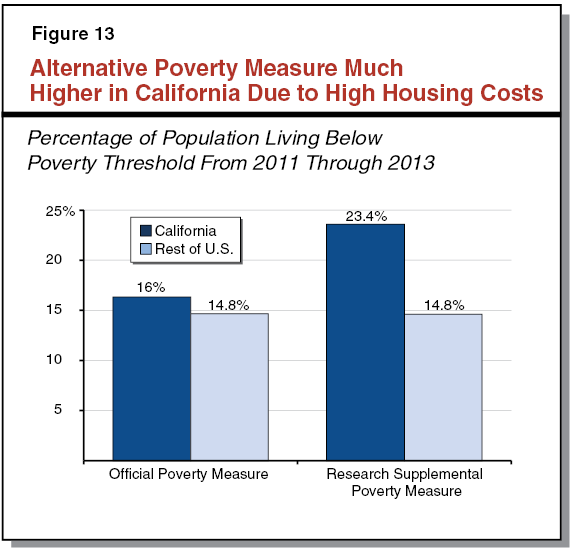
The cost of living in California is undeniably high, particularly when compared to the national average. Housing is the dominant factor, followed by transportation, utilities, and everyday expenses. However, for many, the advantages of living in California—the career opportunities, the natural beauty, the cultural diversity, and the innovative spirit—outweigh the financial challenges.
A thorough understanding of these expenses, coupled with diligent financial planning and realistic budgeting, can help make the dream of living in California a tangible reality. Whether considering a move to a bustling metropolis like San Francisco, a sun-drenched beach town like Santa Monica, or a more family-oriented suburb, knowing the financial landscape is the first step toward a successful and fulfilling life in the Golden State.
LifeOutOfTheBox is a participant in the Amazon Services LLC Associates Program, an affiliate advertising program designed to provide a means for sites to earn advertising fees by advertising and linking to Amazon.com. Amazon, the Amazon logo, AmazonSupply, and the AmazonSupply logo are trademarks of Amazon.com, Inc. or its affiliates. As an Amazon Associate we earn affiliate commissions from qualifying purchases.