
Navigating the intricate regulations surrounding the shipment of ammunition to a Federal Firearms License (FFL) holder in California presents a complex but manageable challenge. This process is governed by a confluence of federal and state laws, each designed to ensure public safety and responsible firearm ownership. For individuals and businesses unfamiliar with these directives, understanding the precise steps, required documentation, and carrier policies is paramount. This guide aims to demystify the process, providing a clear framework for compliant ammunition shipments.
Understanding Federal and California Ammunition Regulations
The shipment of ammunition is not a matter to be taken lightly, especially when crossing state lines into a jurisdiction with specific firearm and ammunition control measures. Both the federal government and the state of California impose distinct requirements.
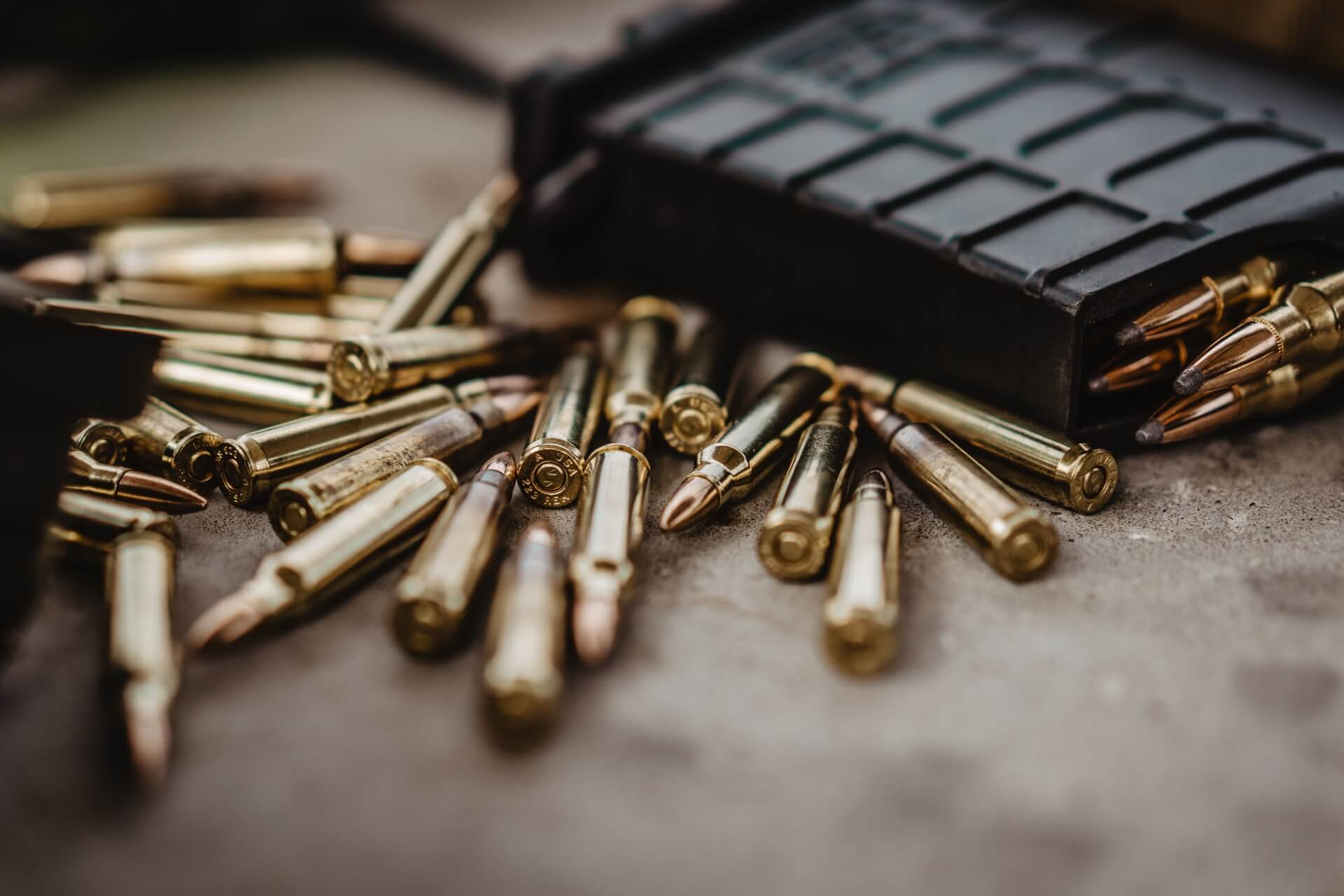
Federal Oversight
At the federal level, the Bureau of Alcohol, Tobacco, Firearms and Explosives (ATF) oversees the regulation of firearms and ammunition. The Gun Control Act of 1968 (GCA) is a cornerstone of these regulations. For interstate commerce involving ammunition, specific provisions apply. Generally, licensed dealers (FFLs) can ship ammunition to other licensed dealers. However, individuals shipping ammunition must adhere to strict guidelines, often involving specific labeling and packaging requirements. Furthermore, federal law prohibits the shipment of armor-piercing ammunition, regardless of the recipient’s FFL status. Understanding the definitions of “ammunition” and “armor-piercing ammunition” as defined by the ATF is a critical first step.
California’s Specific Requirements
California, in particular, has a robust set of laws governing ammunition sales and transfers. As of 2018, California enacted Assembly Bill 962, which mandates that all ammunition sold or transferred in the state must be done so through a licensed ammunition vendor or an FFL dealer. This means that even if you are shipping to an FFL, the process must adhere to these stringent state-level controls.
Key California regulations include:
- Ammunition Background Checks: Individuals purchasing ammunition in California are subject to a background check, similar to firearm purchases. This applies to FFLs receiving ammunition as well, ensuring that the ammunition is not being transferred to a prohibited person.
- Ammunition Vendor Licenses: Entities selling ammunition in California must possess a valid FFL and an ammunition vendor license. This ensures that all sales and transfers are conducted by legally recognized entities.
- Prohibited Ammunition Types: California also has its own list of prohibited ammunition types, which may include certain .50 BMG rounds and armor-piercing rounds, often overlapping with federal prohibitions but potentially with state-specific nuances.
The Role of the FFL Recipient
The Federal Firearms License (FFL) holder in California plays a pivotal role in the compliant receipt of ammunition. They are legally authorized to possess and transfer firearms and ammunition under federal law, provided they comply with all state and local regulations. When you are shipping ammunition to an FFL, you are essentially engaging in a transaction that is recognized and facilitated by their license. However, this does not exempt the shipper from their own legal responsibilities.
The FFL recipient must have the appropriate licensing to handle ammunition shipments. This typically includes a standard FFL and, for sales within California, an ammunition vendor license. Before shipping, it is crucial to verify the FFL’s active status and their specific licensing for ammunition handling. The FFL should also be aware of any inventory control or record-keeping requirements mandated by California law for incoming ammunition.
Preparing Your Ammunition Shipment
Proper preparation is key to ensuring your ammunition reaches its California FFL destination without incident or legal complications. This involves meticulous attention to packaging, labeling, and documentation.
Packaging Requirements
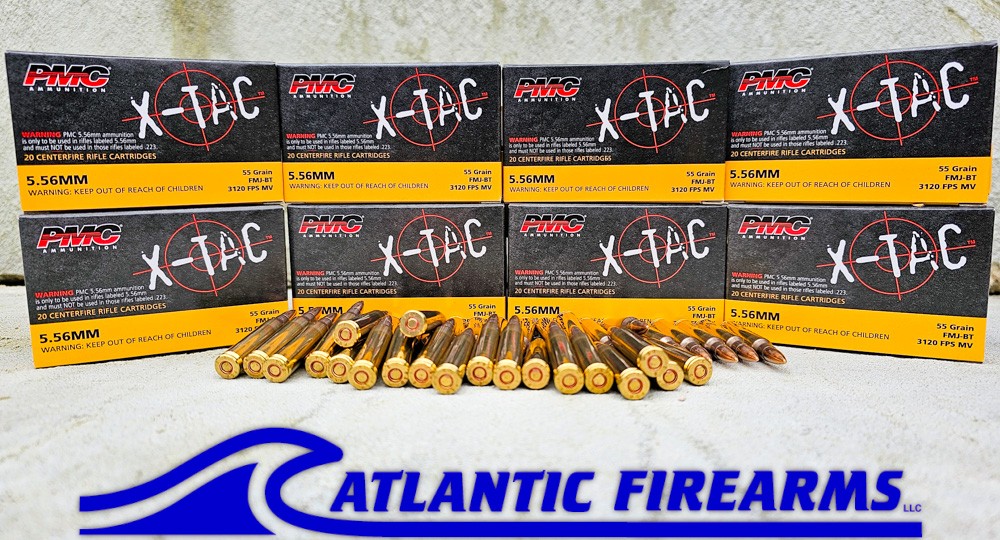
Ammunition must be shipped in its original manufacturer’s packaging whenever possible. This packaging is designed to safely contain the rounds and prevent accidental discharge. If original packaging is not available, the ammunition must be secured in a manner that prevents movement and protects against damage.
Key packaging considerations include:
- Inner Packaging: Ammunition should be placed in secure boxes or trays that hold the rounds firmly. These inner containers prevent individual rounds from shifting and potentially causing damage.
- Outer Packaging: The inner containers should then be placed within a sturdy outer shipping box. The box should be strong enough to withstand the rigors of transit. No void spaces should exist within the outer box that could allow for shifting. Padding materials, such as bubble wrap or packing peanuts, can be used to fill these spaces.
- Weight Limits: Be mindful of carrier weight limits for packages. Ammunition can be dense, and exceeding these limits can lead to shipping delays or refusal.
- Prohibited Items: Never combine ammunition shipments with other prohibited items or materials that could react with ammunition under any circumstances.
Labeling and Marking
Accurate and compliant labeling is a critical component of shipping ammunition. Failure to properly label a package can result in its refusal by the carrier, or worse, legal penalties.
Essential labeling includes:
- “Cartridges, Small Arms” or “Ammunition”: The outer shipping container must be clearly marked with the contents. While specific wording may vary slightly by carrier, clearly indicating “Cartridges, Small Arms” or “Ammunition” is generally required.
- Shipper and Recipient Information: Complete and accurate addresses for both the shipper and the FFL recipient must be present and legible.
- Hazard Class Labels (If Applicable): Depending on the type and quantity of ammunition, certain hazard class labels may be required by federal regulations and carrier policies. While most common handgun and rifle ammunition may not require specific hazard labeling if packaged properly and in limited quantities, it is imperative to consult current Department of Transportation (DOT) regulations and carrier guidelines. Some types of ammunition, particularly those exceeding certain energetic material thresholds, might fall under DOT regulations for hazardous materials.
- “This Package Contains Ammunition” or Similar Declaration: Many carriers require an explicit declaration on the exterior of the package stating its contents.
Documentation and Declarations
Beyond labeling, specific documentation is often necessary.
- FFL Information: You will need to provide the FFL’s name, address, and their FFL number. This is essential for compliance with federal law, which often requires that ammunition be shipped to a licensed entity.
- Proof of Legality: Depending on your location and the California FFL’s requirements, you may need to provide documentation verifying the legality of the ammunition type you are shipping and your right to possess it. The FFL may request this to ensure their own compliance.
- Carrier-Specific Forms: Each shipping carrier will have its own set of forms or declarations that must be completed. These forms will typically require you to attest that you are in compliance with all applicable federal, state, and local laws regarding the shipment of ammunition.
Selecting a Shipping Carrier and Navigating Policies
The choice of shipping carrier is paramount, as each has its own distinct policies regarding the transportation of ammunition. These policies are often more restrictive than federal regulations and must be strictly adhered to.
Major Carrier Policies
- United Parcel Service (UPS): UPS has specific policies for shipping ammunition. Generally, UPS permits the shipment of ammunition only to FFL holders. The shipper must be an FFL themselves. Private individuals are typically prohibited from shipping ammunition via UPS. All shipments must be properly packaged, labeled, and declared according to UPS’s hazardous materials guidelines if applicable, and their specific ammunition shipping policies.
- Federal Express (FedEx): Similar to UPS, FedEx has stringent rules. FedEx generally requires that shippers of ammunition be FFL holders. They will have specific requirements for packaging, labeling, and the declaration of contents. It is critical to consult the most current FedEx Service Guide for details on shipping ammunition, as policies can change.
- United States Postal Service (USPS): The USPS has very strict regulations regarding the mailing of ammunition. Generally, the USPS prohibits the mailing of ammunition by individuals. Only certain licensed manufacturers and dealers may ship ammunition through the USPS, and only under very specific conditions and with explicit USPS authorization. For most individuals, the USPS is not a viable option for shipping ammunition.
Key Considerations When Choosing a Carrier:
- FFL Status of Shipper: Many carriers will only accept ammunition shipments from licensed FFLs. If you are an individual, your options may be severely limited, and you may need to work through an FFL to facilitate the shipment.
- Destination Restrictions: Confirm that the carrier accepts shipments of ammunition to California, and specifically to an FFL. Some carriers may have additional restrictions for certain states.
- Declared Value and Insurance: Ammunition can be valuable. Understand the carrier’s policies on declared value and insurance for ammunition shipments. Not all carriers offer insurance for ammunition, or they may have limitations on coverage.
- Carrier Agreements: If you are an FFL shipping regularly, you may have specific agreements with carriers that outline terms and conditions for ammunition shipments.
The Importance of Verification
Before attempting any shipment, it is imperative to contact the specific carrier you intend to use and obtain their most current written policy on shipping ammunition. Do not rely on hearsay or outdated information. Policies can be updated frequently, and direct verification is the only way to ensure compliance. Ask specific questions regarding:
- Whether private individuals can ship.
- Required packaging and labeling.
- Any necessary declarations or documentation.
- Specific restrictions for shipping to California.
- Any hazardous materials classifications that may apply.
Legal Compliance and Best Practices
Adhering to all legal requirements and implementing best practices will ensure a smooth and compliant ammunition shipment to your FFL in California.
Due Diligence with the FFL
- Verify FFL Status: Always verify that the FFL is currently licensed and in good standing with the ATF. You can use the ATF’s FFL eZCheck system for this purpose.
- Confirm Ammunition Handling Capability: Ensure the FFL is equipped and licensed to receive ammunition shipments. Some FFLs may specialize in firearms and not handle ammunition transfers.
- Communicate Clearly: Establish clear communication with the FFL regarding the shipment details, including expected delivery dates and any specific receiving procedures they may have.
Record Keeping
Maintaining meticulous records of your ammunition shipments is crucial for legal compliance and potential future reference. This includes:
- Copies of all shipping labels and receipts.
- Documentation of the FFL’s information.
- Any declarations made to the carrier.
- Records of communication with the FFL.
- Receipts for the ammunition itself.
Prohibited Ammunition Types
Be acutely aware of all prohibited ammunition types, both federally and under California law. This includes, but is not limited to, armor-piercing ammunition and certain types of incendiary or explosive rounds. Shipping any prohibited ammunition is a serious federal and state offense. If in doubt, do not ship it.

Seeking Professional Guidance
The legal landscape surrounding firearms and ammunition is complex and constantly evolving. If you have any doubts or are undertaking a significant volume of shipments, consider consulting with:
- An Attorney Specializing in Firearms Law: They can provide authoritative advice on specific legal requirements.
- A Licensed Ammunition Vendor or FFL: They have direct experience with the practical aspects of shipping and receiving ammunition and can offer valuable insights into carrier policies and state-specific regulations.
By following these guidelines diligently, you can navigate the process of shipping ammunition to a Federal Firearms License holder in California with confidence, ensuring compliance and responsible practices.
LifeOutOfTheBox is a participant in the Amazon Services LLC Associates Program, an affiliate advertising program designed to provide a means for sites to earn advertising fees by advertising and linking to Amazon.com. Amazon, the Amazon logo, AmazonSupply, and the AmazonSupply logo are trademarks of Amazon.com, Inc. or its affiliates. As an Amazon Associate we earn affiliate commissions from qualifying purchases.