
While the term “province” is commonly associated with countries like Canada or Argentina, it’s important to clarify that California in the United States is officially a state, not a province. However, understanding its vastness, diverse geography, rich history, and significant cultural influence, one might colloquially equate its stature to that of a large province or even a small country. This article will explore the multifaceted identity of California, delving into its geographical expanse, historical evolution, and the unique characteristics that define it as more than just a state.
A Land of Extremes: Geography and Natural Wonders
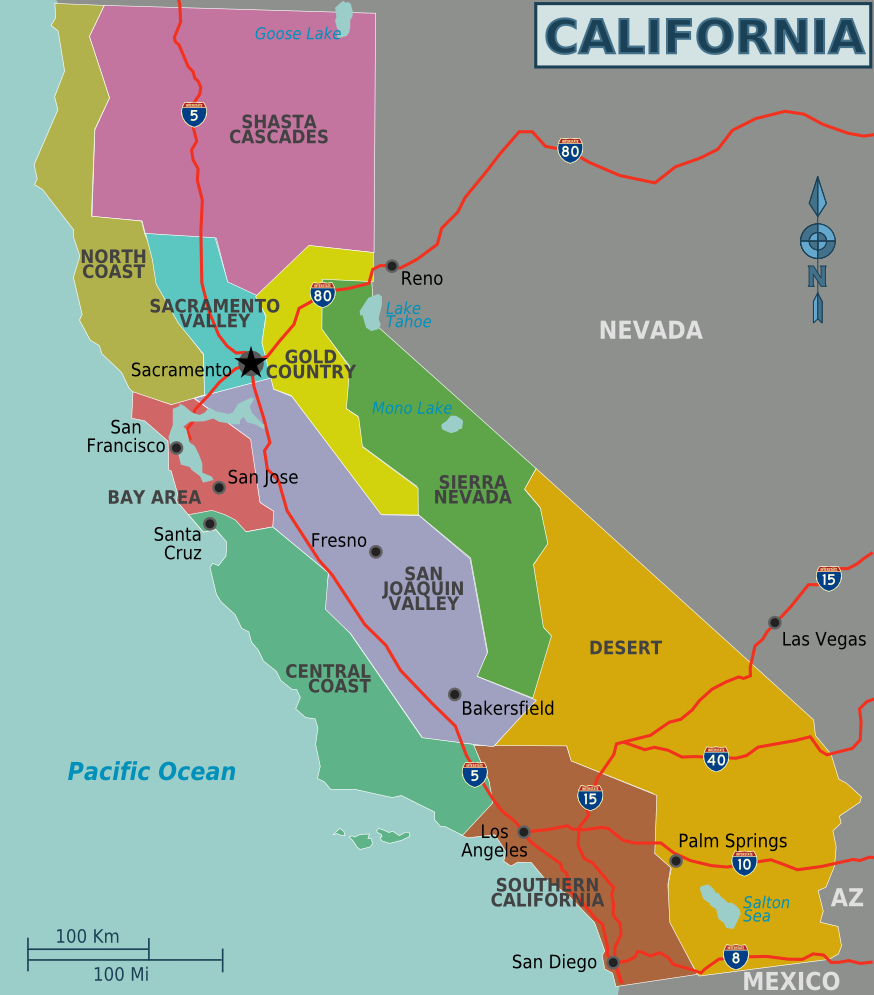
The sheer geographical diversity of California is astounding. Spanning over 163,000 square miles, it is the third-largest state in the U.S. by area, boasting an incredible array of landscapes.
Coastal Majesty and Urban Hubs
The state’s iconic coastline stretches for over 840 miles along the Pacific Ocean. This maritime border is home to world-renowned cities like Los Angeles and San Francisco, each with its own distinct character and global appeal. Los Angeles, the entertainment capital of the world, draws millions with its glamorous allure, while San Francisco captivates with its historic cable cars, vibrant culture, and the majestic Golden Gate Bridge. Along this coast, one finds picturesque beaches, dramatic cliffs, and bustling port cities, all contributing to a dynamic and ever-evolving urban tapestry.
Majestic Mountain Ranges and Volcanic Landscapes
Inland, California rises dramatically into imposing mountain ranges. The Sierra Nevada mountains are perhaps the most famous, home to iconic natural landmarks such as Yosemite National Park and the towering granite monoliths of Yosemite Valley. This range also contains Mount Whitney, the highest peak in the contiguous United States. Further south, the San Bernardino Mountains and the San Gabriel Mountains offer further opportunities for outdoor adventure. The eastern part of the state, bordering Nevada, is characterized by the dramatic volcanic landscapes of the Long Valley Caldera and the stark beauty of the Death Valley National Park, the driest and hottest place in North America, yet a place of profound geological significance and breathtaking vistas.
Vast Deserts and Fertile Valleys
Beyond the mountains lie expansive desert regions, most notably the Mojave Desert and the aforementioned Death Valley. These seemingly barren lands are teeming with unique flora and fauna adapted to extreme conditions, offering a stark contrast to the state’s verdant agricultural heartlands. The Central Valley, a vast and fertile basin, is one of the world’s most productive agricultural regions, earning California the nickname “The Salad Bowl of America.” This region is responsible for a significant portion of the United States fruit, nut, and vegetable production.
Ancient Forests and Redwood Giants
Northern California is home to some of the planet’s most awe-inspiring natural treasures: the ancient redwood forests. The Redwood National and State Parks preserve groves of the tallest trees on Earth, the Coast Redwoods (Sequoia sempervirens). Walking amongst these colossal giants, some thousands of years old, is a humbling and profoundly spiritual experience. These forests, with their mist-shrouded canopies and dappled sunlight, are a testament to the power and resilience of nature.
A Tapestry of History: From Spanish Missions to Gold Rush Fever
California’s history is as rich and varied as its landscapes, marked by exploration, conquest, and rapid transformation.
Indigenous Roots and Spanish Colonization
Long before European arrival, the land that is now California was inhabited by diverse indigenous peoples for thousands of years. Tribes such as the Chumash, Ohlone, Pomo, and Hupa developed unique cultures, languages, and traditions adapted to their specific environments.

The arrival of Europeans began in the 16th century, but significant Spanish colonization commenced in the late 18th century with the establishment of a chain of Missions along the coast, stretching from San Diego to Sonoma. These missions, founded by Franciscan friars, aimed to convert indigenous peoples to Christianity and establish Spanish authority. Landmarks like the Mission San Juan Capistrano and the Mission Santa Barbara stand today as enduring testaments to this era.
Mexican Rule and the Bear Flag Republic
In 1821, after Mexico gained independence from Spain, California became a Mexican territory. This period saw the rise of the Californio culture, characterized by large ranches (ranchos) and a more secular society. However, tensions with the United States grew, culminating in the Mexican-American War. In 1846, a group of American settlers briefly declared independence as the Bear Flag Republic before U.S. forces took control.
The Gold Rush and Statehood
The most transformative event in California’s history was the discovery of gold at Sutter’s Mill near Coloma in 1848. This discovery triggered the California Gold Rush, attracting hundreds of thousands of people from across the globe seeking their fortune. This influx of people led to rapid population growth, the establishment of new towns and cities, and immense economic and social upheaval. The boom of the Gold Rush propelled California to statehood, admitted to the Union as the 31st state on September 9, 1850.
20th Century Growth and Innovation
The 20th century saw California emerge as a powerhouse in various industries, including agriculture, aerospace, and entertainment. The growth of Hollywood transformed the state into a global center for film and television. The development of the aerospace industry, particularly during World War II and the subsequent Cold War, led to significant technological advancements and population booms in Southern California. The state also became a hub for innovation in technology, particularly in the region that would become known as Silicon Valley.
The Cultural Crucible: Diversity and Influence
California is a melting pot of cultures, a demographic reality that shapes its unique identity and global influence.
A Mosaic of Peoples
Due to its history of immigration, California is one of the most ethnically and culturally diverse regions in the United States. It is home to large populations of people of Hispanic/Latino, Asian, African American, and Native American descent, alongside a strong European heritage. This diversity is reflected in its cuisine, arts, music, and traditions, creating a vibrant and dynamic cultural landscape. Neighborhoods like Chinatown in San Francisco and Little Tokyo in Los Angeles offer immersive cultural experiences.
Global Hubs of Innovation and Entertainment
California has long been at the forefront of innovation and cultural trends. Its universities, such as Stanford University and the University of California, Berkeley, are world-renowned research institutions that fuel advancements in technology and science. Silicon Valley, the global epicenter of technology, continues to drive innovation in fields ranging from artificial intelligence to biotechnology.
The state’s influence on global entertainment is undeniable. Hollywood remains the dominant force in film and television production, shaping popular culture worldwide. Beyond cinema, California is a leader in music, fashion, and digital media, constantly setting new trends.

A Beacon of Progressive Thought and Activism
Historically, California has often been perceived as a progressive state, a hub for social movements and a testing ground for new ideas. From the Free Speech Movement at UC Berkeley in the 1960s to contemporary environmental activism and social justice initiatives, the state has often been at the vanguard of cultural and political change. This spirit of innovation extends to its approach to policy and its embrace of new technologies and lifestyles.
In conclusion, while not officially a province, the state of California embodies a scale, diversity, and influence that often evokes the term. Its extraordinary geography, compelling history, and vibrant multicultural identity combine to make it a region of unparalleled significance, both within the United States and on the global stage. It is a land of dreams, innovation, and enduring natural beauty, constantly reinventing itself while holding true to its iconic spirit.
LifeOutOfTheBox is a participant in the Amazon Services LLC Associates Program, an affiliate advertising program designed to provide a means for sites to earn advertising fees by advertising and linking to Amazon.com. Amazon, the Amazon logo, AmazonSupply, and the AmazonSupply logo are trademarks of Amazon.com, Inc. or its affiliates. As an Amazon Associate we earn affiliate commissions from qualifying purchases.