
Yes, California has a comprehensive state tax system that impacts nearly every aspect of life and travel within the Golden State. From its notoriously high personal income tax rates to varying sales taxes across its diverse cities and counties, understanding California‘s tax landscape is crucial for anyone planning to visit, move, or conduct business here. These taxes significantly influence the cost of living, the price of goods and services, and the overall financial picture for individuals and families enjoying the California lifestyle, whether for a short vacation or a longer stay.
The Golden State’s Tax Landscape for Visitors and Residents
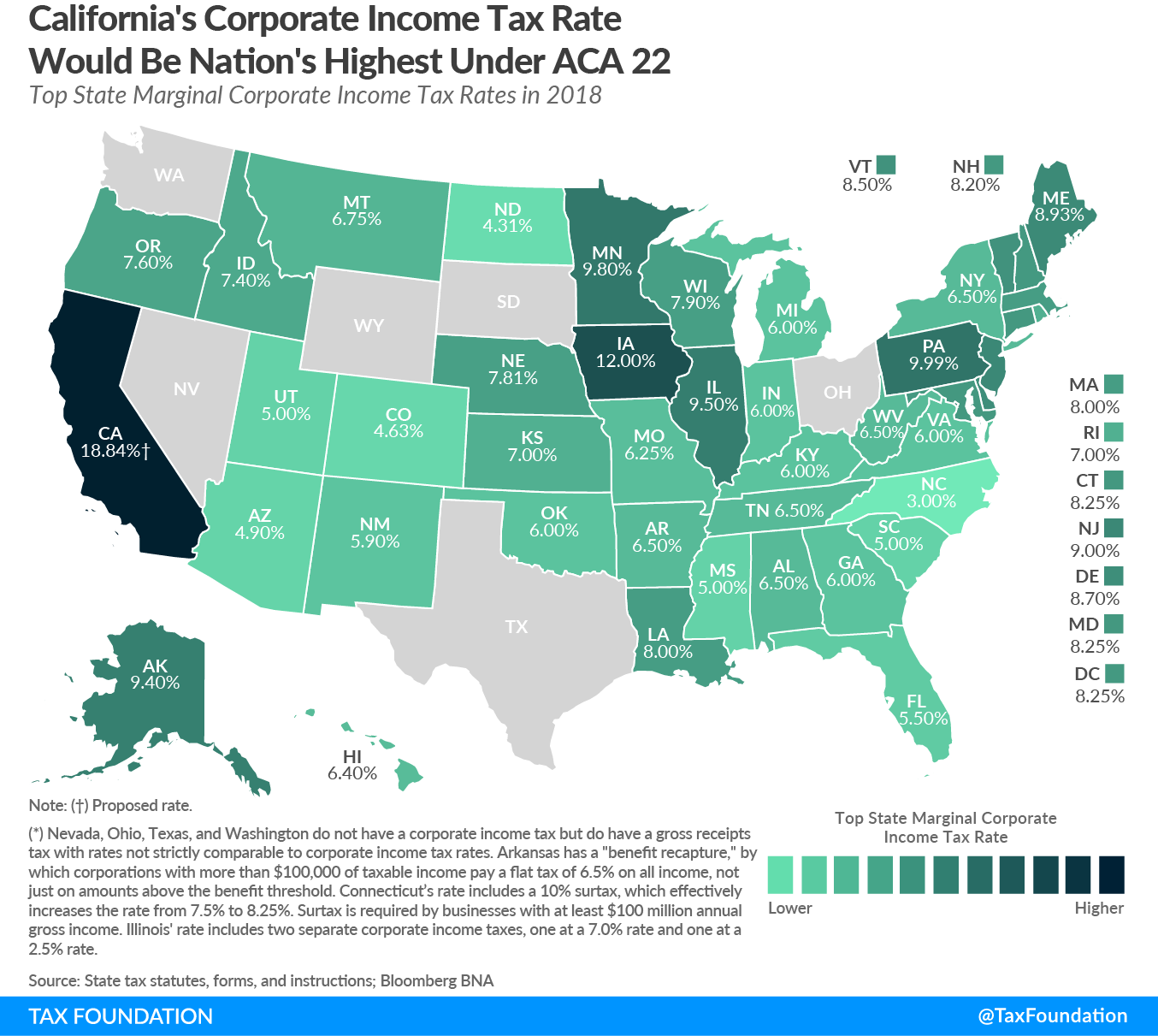
California’s tax structure is multifaceted, designed to fund a wide array of state and local services, from public education and infrastructure to environmental protection. For many, the mere mention of California taxes conjures images of high costs, and while the state does indeed have some of the nation’s highest tax burdens in certain categories, a closer look reveals a system that is complex and varies in its impact depending on one’s income, spending habits, and length of stay. For visitors, the most noticeable taxes will be sales tax on purchases and transient occupancy taxes on accommodation. For those considering a temporary or permanent move, personal income tax and property taxes become significant factors in lifestyle planning. Navigating this environment effectively can mean the difference between an enjoyable, budget-friendly experience and an unexpectedly costly one.
Understanding Personal Income Tax in California
California operates a progressive personal income tax system, meaning higher earners pay a larger percentage of their income in taxes. This is arguably the most significant tax for residents and those earning income within the state.
High Progressive Rates
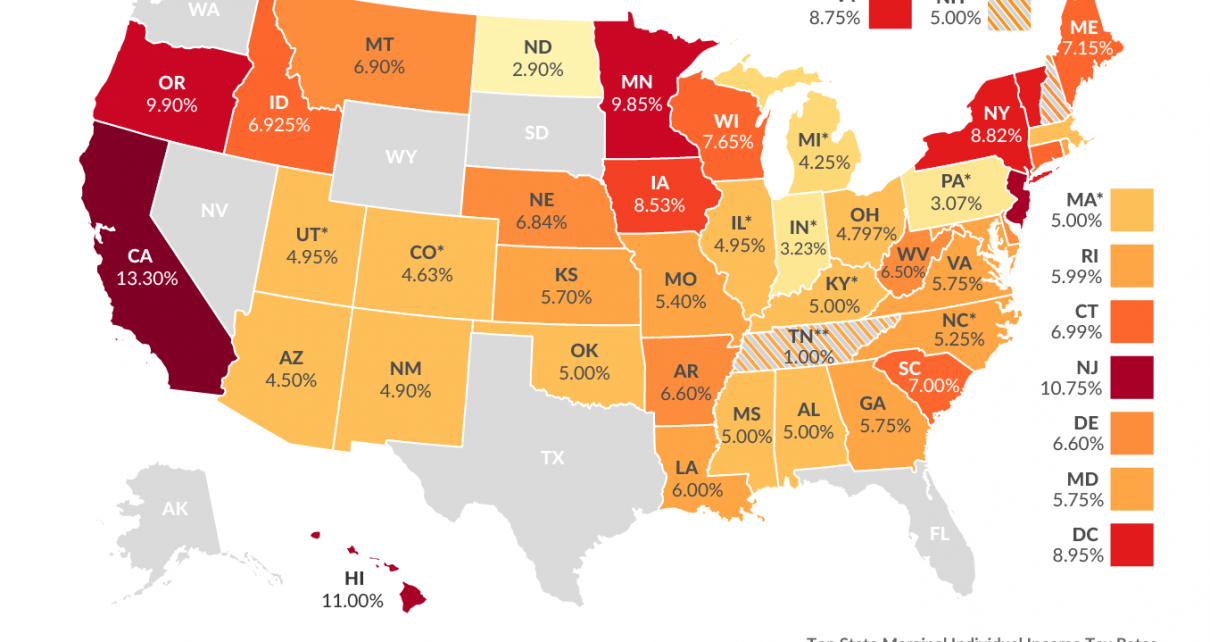
The state’s income tax rates are among the highest in the United States, with the top marginal rate exceeding 13% for the highest earners. This structure is a defining feature of the California lifestyle, as it directly impacts disposable income. For residents, understanding these brackets and how they apply to various income sources—including wages, investments, and business profits—is fundamental to financial planning.
Non-Resident Income
Even non-residents can be subject to California income tax if their income is sourced within the state. This can apply to individuals who temporarily work in California, perform services for a California entity, or have certain types of California-based investment income. For instance, a consultant flying into San Francisco for a project might find a portion of their earnings taxable by the state, impacting their overall compensation and requiring careful tax planning. This is particularly relevant for the burgeoning “digital nomad” or remote worker lifestyle, where understanding where income is truly sourced becomes paramount.
Impact on Lifestyle Decisions
The high income tax burden in California often influences significant lifestyle choices. It can affect decisions about where to live, whether to commute long distances to avoid higher housing costs, or even the viability of certain entrepreneurial ventures. For those considering retiring in California, understanding how retirement income is taxed is equally important, as it shapes their golden years’ financial landscape. This tax forms a foundational element of the state’s cost of living narrative and its appeal (or deterrent) for various income brackets.
Sales Tax and Everyday Lifestyle Expenses
Beyond income tax, sales tax is perhaps the most ubiquitous tax encountered by everyone in California, from long-term residents to short-term tourists. It directly impacts the cost of goods and many services, influencing daily spending habits and overall budget for a California lifestyle.
State and Local Sales Tax Rates
California has a statewide sales tax rate, which is then augmented by various district taxes imposed by cities, counties, and special districts. This means the actual sales tax rate you pay can vary significantly depending on your exact location. For example, while the statewide rate applies everywhere, a purchase made in Los Angeles might incur a higher combined sales tax than one made in a less populated county. This localized variation means that even basic expenses like dining out, shopping for clothes, or buying souvenirs will have different price points depending on your itinerary.
What’s Taxed and What’s Exempt
Generally, sales tax applies to the sale of tangible personal property. This includes most retail purchases, from electronics to clothing. However, there are notable exemptions that are key for budgeting:
- Groceries: Most unprepared food items purchased at grocery stores are exempt from sales tax. This is a significant relief for families and individuals managing their food budgets.
- Prescription Medicine: Essential health-related items like prescription drugs are also exempt.
- Services: Most services, unlike tangible goods, are not subject to sales tax. However, services that result in the creation or repair of tangible property may be taxed.
Understanding these exemptions is vital for both budget travelers looking to save on daily expenses and residents managing household costs. The difference between buying prepared food at a deli (taxable) and ingredients to cook at home (often exempt) can add up over time, impacting one’s overall financial lifestyle in California.
Impact on Consumer Habits
The combined sales tax rate, often reaching above 9% or even 10% in some areas, can significantly increase the final cost of consumer goods. This can influence where people choose to shop, how often they dine out, and even their choices between buying new items versus second-hand goods. For tourists, it means an item priced at $100 could cost over $110 after tax in some cities, a factor to consider when planning souvenir purchases or budgeting for shopping sprees in iconic locations like Beverly Hills or Union Square in San Francisco.
Property, Hotel, and Other Lifestyle Taxes
Beyond income and sales taxes, several other taxes contribute to the overall cost of living and visiting California, each playing a role in shaping different lifestyle aspects.
Property Tax
While not directly applicable to visitors, property tax is a fundamental component of the cost of living for homeowners in California. Guided by Proposition 13, property taxes are generally assessed at 1% of the property’s purchase price, plus approved local bonds and fees, and can only increase by a maximum of 2% per year until the property is sold. This system influences housing affordability and indirectly affects rental prices, as landlords often factor property taxes into their rental rates. Therefore, whether renting an apartment in San Diego or buying a home in Napa Valley, property taxes are an underlying financial reality that shapes the residential lifestyle in California.
Transient Occupancy Tax (TOT) / Hotel Tax
This is a direct tax on visitors and is crucial for anyone planning a trip to California. Also known as hotel tax, the Transient Occupancy Tax (TOT) is levied by cities and counties on guests staying in hotels, motels, bed and breakfasts, and often short-term rentals. These rates vary significantly by locality. For example, a stay in Anaheim (home to Disneyland) might have a different TOT rate than a hotel in downtown Sacramento or a coastal resort in Santa Barbara. This tax can add a substantial percentage (often between 10% and 15% or more) to the advertised room rate, making it a critical factor for budget travelers or those planning extended stays. Always factor TOT into your accommodation budget to avoid surprises.
Excise Taxes
California also imposes excise taxes on specific goods and services, which target particular lifestyle choices.
- Fuel Tax: California has one of the highest gasoline taxes in the nation. This directly impacts the cost of driving, a significant consideration given the state’s vast distances and car-centric culture. For road trippers exploring the Pacific Coast Highway or daily commuters, fuel costs are a substantial part of their lifestyle budget.
- Tobacco and Cannabis Taxes: Products like cigarettes and legal cannabis are subject to significant excise taxes. These taxes reflect public health policies and contribute to specific state programs. For consumers of these products, the tax adds significantly to their purchase price.
These various taxes collectively shape the economic environment of California, impacting everything from daily commutes to vacation planning.

Navigating California’s Tax Environment for a Seamless Lifestyle
Understanding California’s tax structure is not just about avoiding surprises; it’s about making informed lifestyle and travel decisions. For visitors, being aware of sales tax variations and the Transient Occupancy Tax on hotels allows for more accurate budgeting, ensuring that your dream trip to California aligns with your financial expectations. Opting for self-catering accommodations can help mitigate some costs, as can researching sales tax rates in different shopping districts.
For those considering a longer stay or a move, a comprehensive understanding of income and property taxes is non-negotiable. These taxes profoundly influence the real cost of living and the overall financial viability of a California lifestyle. While California presents a higher tax burden in many areas compared to other states, it also offers unparalleled natural beauty, diverse cultural experiences, and robust economic opportunities that many find worth the investment. By proactively accounting for these taxes, individuals can enjoy a more seamless and financially predictable experience, fully embracing all that the Golden State has to offer.
LifeOutOfTheBox is a participant in the Amazon Services LLC Associates Program, an affiliate advertising program designed to provide a means for sites to earn advertising fees by advertising and linking to Amazon.com. Amazon, the Amazon logo, AmazonSupply, and the AmazonSupply logo are trademarks of Amazon.com, Inc. or its affiliates. As an Amazon Associate we earn affiliate commissions from qualifying purchases.