
Navigating the purchase of a new or used vehicle in California involves understanding various costs, and prominent among these is the sales tax. This tax, officially known as the sales and use tax, is a significant factor in the overall price of an automobile and can vary depending on specific local jurisdictions. For any traveler looking to buy a car in the Golden State, or even a resident planning a major purchase, a clear comprehension of this tax is essential for budgeting and avoiding surprises.
Understanding California Sales and Use Tax
At its core, California’s sales tax is a levy imposed on the retail sale of tangible personal property, including vehicles. The use tax, conversely, applies when you purchase an item outside of California for use within the state, and sales tax was not paid at the point of purchase. For vehicles, this means if you buy a car out of state and bring it into California, you will likely owe the use tax equivalent to the sales tax rate.
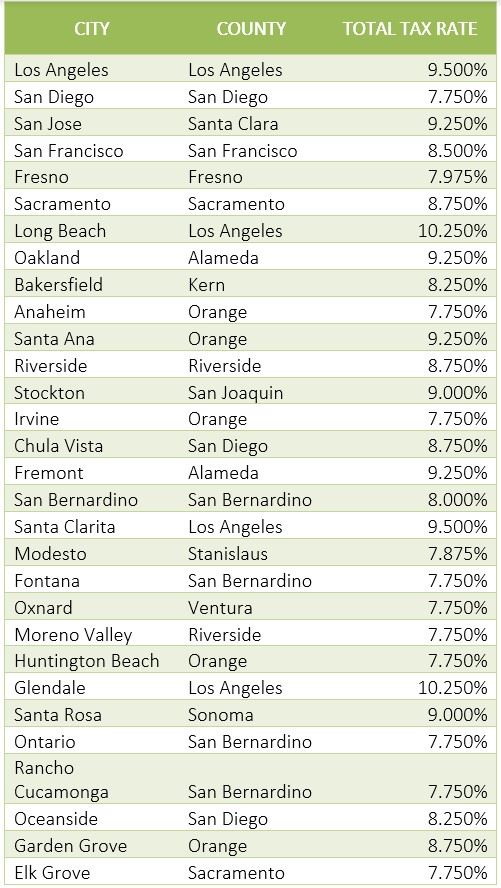
The California Department of Tax and Fee Administration (CDTFA) oversees the collection of these taxes. The state sets a base rate, but this is augmented by district taxes levied by local governments, including counties and cities. This means that the exact sales tax rate you pay will be determined by the specific location where the vehicle is purchased or, in the case of out-of-state purchases, where it will be registered and primarily used.
State and Local Tax Components
The statewide sales tax rate in California is 7.25%. However, this is rarely the total amount you will pay. Most cities and counties impose additional district taxes, which can significantly increase the combined rate. These district taxes are often referred to as Bradley-Burns sales and use taxes.
For example, a county might have a 0.25% district tax, and a city within that county might add another 1.50%. This means a car purchased in that specific city could be subject to a total sales tax rate of 7.25% (state) + 0.25% (county) + 1.50% (city) = 9.00%.
How Sales Tax is Calculated on Vehicles
When you purchase a car, the sales tax is typically calculated on the gross receipts of the sale. This means the tax is applied to the final price of the vehicle, including any dealer fees or optional add-ons that are considered part of the sale. However, certain items might be exempt or taxed differently. For instance, if you trade in an old vehicle, the sales tax is usually calculated on the difference between the new car’s price and the trade-in value, not the full price of the new car. This is a significant benefit for many buyers, as it can substantially reduce the overall tax burden.
It is crucial to be aware of your local sales tax rate. The CDTFA provides a searchable database on its website where you can enter a zip code or address to determine the applicable sales tax rate for a specific location. This tool is invaluable for planning your purchase and understanding the financial implications.
Factors Influencing Sales Tax on Cars
Several factors can influence the final amount of sales tax paid on a vehicle in California. Understanding these nuances can help buyers make informed decisions and potentially save money.
Purchase Location vs. Registration Location
For in-state purchases, the sales tax rate generally applies based on the location where the transaction occurs and the vehicle is delivered. If you buy a car from a dealership in Los Angeles but plan to register it in Sacramento, the tax is typically based on the Los Angeles rate. However, for out-of-state purchases, the use tax is assessed at the rate of the county or city where the vehicle will be registered and principally used. The California Department of Motor Vehicles (DMV) collects this use tax when you register your vehicle.
Trade-In Value
As mentioned earlier, the trade-in of an existing vehicle can significantly reduce the taxable amount. The sales tax is computed on the net difference between the purchase price of the new vehicle and the agreed-upon value of the trade-in. This applies whether the trade-in is with the same dealer or a different one, as long as the transaction is structured correctly.
Exemptions and Special Cases
While most vehicle sales are subject to sales tax, there are specific exemptions. For instance, vehicles purchased by certain government entities or for specific charitable purposes might be exempt. Additionally, individuals who move into California from another state and bring a vehicle they have owned for a certain period may be exempt from paying use tax, provided they owned and used the vehicle in their previous state of residence for a specified duration before establishing residency in California. The exact requirements for such exemptions are detailed by the CDTFA.
Another consideration is the purchase of vehicles for immediate export and use outside of California. If a vehicle is purchased with the intent to be immediately shipped out of state or to another country and is not intended for use within California, it may be eligible for an exemption from sales tax. However, stringent documentation and proof of export are required by the CDTFA to qualify for this exemption.

The Role of the Department of Motor Vehicles (DMV)
The California Department of Motor Vehicles (DMV) plays a critical role in the sales tax process for vehicles, particularly concerning use tax and registration. While dealerships typically collect and remit sales tax on in-state purchases at the point of sale, the DMV is the primary agency responsible for ensuring that taxes are paid on vehicles purchased out-of-state or when ownership is transferred.
Use Tax Collection
When you bring a vehicle into California that was purchased outside the state, the DMV will assess and collect the applicable use tax at the time you register the vehicle. This ensures that vehicles used within the state contribute to the tax base, regardless of where they were initially acquired. The rate used will be the combined state and local sales tax rate for the county and city where you will register the vehicle. You will need to provide proof of the purchase price and any taxes paid in the other state to avoid double taxation.
Registration Fees and Taxes
Beyond sales and use tax, the DMV also collects various other fees and taxes associated with vehicle registration. These include registration fees, license plate fees, and vehicle license fees, which are often based on the vehicle’s value. It’s important to distinguish these ongoing registration costs from the one-time sales or use tax paid at the time of purchase.
Verification and Compliance
The DMV works in conjunction with the CDTFA to ensure compliance with tax laws. When you register a vehicle, the DMV verifies that the appropriate taxes have been paid. This process helps to prevent tax evasion and ensures that the state and local governments receive the revenue they are due. For buyers, this means being prepared with all necessary documentation, including the purchase agreement, bill of sale, and any proof of taxes paid elsewhere.
Tips for Car Buyers in California
Purchasing a vehicle in California can be a complex process, and understanding the sales tax is a vital part of it. Here are some tips to help you navigate the experience smoothly.
Research Local Tax Rates
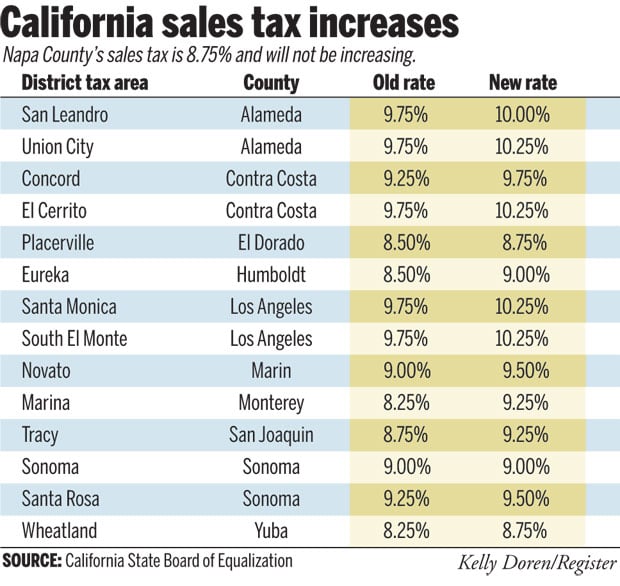
Before you even step into a dealership, know the sales tax rate for the specific city and county where you intend to purchase or register your vehicle. Use the CDTFA’s online tools to confirm the rate. This knowledge empowers you to negotiate effectively and budget accurately. Don’t assume a dealership in one city will have the same tax rate as one just a few miles away.
Factor in All Costs
The sticker price of a car is not the final price. Always factor in the sales tax, registration fees, potential smog check costs, and any other dealer-added fees. Some dealerships might be more transparent than others in breaking down these costs. Ask for a detailed breakdown of all charges before agreeing to a purchase.
Understand Trade-In Implications
If you are trading in a vehicle, ensure the trade-in value is clearly stated on the purchase agreement and that the sales tax is applied to the net difference. A dealership might offer a seemingly high price for your trade-in, but if the sales tax is still calculated on the original price of the new car, you might not be saving as much as you think.
Consider Out-of-State Purchases Carefully
While tempting, purchasing a vehicle out-of-state and bringing it to California often negates any potential savings once the use tax and registration fees are factored in. You will owe the difference between what you paid (if anything) and the California use tax rate. Plus, you’ll need to manage the registration process with the DMV, which can sometimes be more involved than an in-state purchase.
Consult Official Resources
For the most accurate and up-to-date information, always refer to the official websites of the California Department of Tax and Fee Administration (CDTFA) and the California Department of Motor Vehicles (DMV). These agencies provide detailed guides, forms, and rate information that are essential for any vehicle purchase in the state. Their resources are designed to help consumers understand their obligations and rights.
By being well-informed about California’s sales tax on vehicles, you can approach your car-buying journey with confidence, ensuring a smooth and financially sound transaction.
LifeOutOfTheBox is a participant in the Amazon Services LLC Associates Program, an affiliate advertising program designed to provide a means for sites to earn advertising fees by advertising and linking to Amazon.com. Amazon, the Amazon logo, AmazonSupply, and the AmazonSupply logo are trademarks of Amazon.com, Inc. or its affiliates. As an Amazon Associate we earn affiliate commissions from qualifying purchases.