
Understanding the nuances of sales tax is a crucial component of planning any trip, whether for leisure or business. For visitors heading to the sun-drenched shores of San Diego, California, knowing the applicable sales tax rate can significantly impact budgeting for purchases, from souvenirs and dining to accommodation and car rentals. While California generally boasts some of the highest sales tax rates in the nation, San Diego operates within this framework, with its own specific combined rate reflecting local additions. This guide aims to demystify the sales tax landscape in San Diego, providing clarity for tourists and travelers to make informed spending decisions.
Understanding California’s Sales Tax Framework
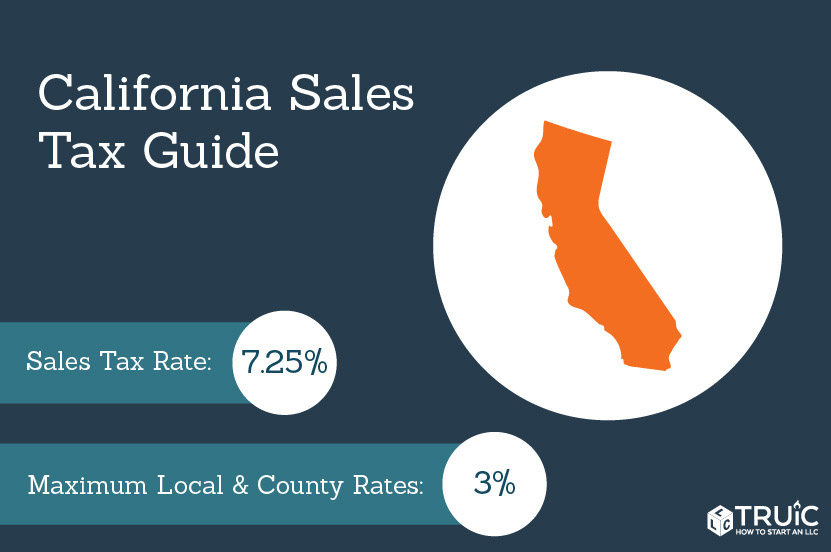
California‘s sales and use tax is a complex system administered by the California Department of Tax and Fee Administration (CDTFA). The state imposes a base sales tax rate, which is then augmented by district taxes, primarily local taxes imposed by counties and cities. These district taxes are often established to fund local services, infrastructure projects, or public safety initiatives. The combined sales tax rate a consumer pays is the sum of the state rate and all applicable district tax rates for the specific location of the transaction.
The State Sales Tax Rate
The foundational sales tax rate in California is set by the state government. This rate is subject to change, although it has remained relatively stable in recent years. For the most current state rate, it is always advisable to consult official California government resources. However, for the purpose of understanding the San Diego rate, it’s the local additions that truly differentiate the combined figure. The state portion aims to fund statewide programs and services, forming the base upon which local levies are added.
District Taxes: The Local Component
District taxes are the variable component of California‘s sales tax. These can include county taxes and city taxes, as well as special district taxes. In San Diego, like in many other populous California cities, there are indeed district taxes that contribute to the overall combined rate. These taxes are voted on by the residents of the respective districts and are intended to support local improvements, transportation, housing, or other community needs. The specific combination of these district taxes for San Diego results in its unique combined sales tax rate.
Calculating The Sales Tax In San Diego
When you make a purchase in San Diego, the sales tax you pay is determined by the combined rate applicable at the point of sale. This rate is a sum of the state rate and any local district taxes that apply to San Diego County and the City of San Diego. The CDTFA publishes these rates periodically, and they can vary slightly across different jurisdictions within the county due to the presence of different special districts.
The Combined Sales Tax Rate for San Diego
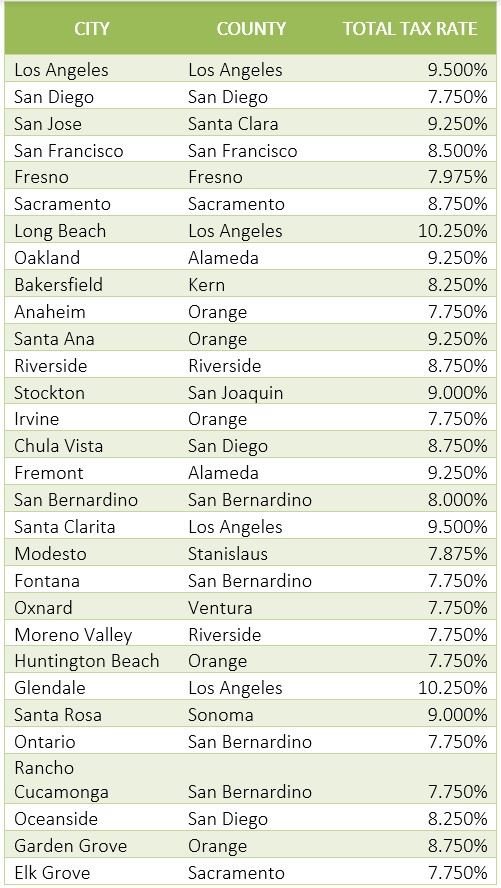
As of the most recent information available, the combined sales tax rate for transactions occurring within the City of San Diego is generally 7.75%. This rate is comprised of the state’s base rate plus specific district taxes levied within San Diego County and the City of San Diego itself. It’s important to note that while this is the standard rate for most retail transactions, certain specific goods or services might be subject to different tax treatments, or additional district taxes could apply in very specific zones. For instance, transit-related taxes or those funding specific local projects can sometimes influence the final rate for certain transactions within designated areas.
Where Does the Tax Go?
The revenue generated from sales taxes in California, including those collected in San Diego, is distributed to various levels of government. A portion goes to the state’s General Fund, supporting a wide array of state-level programs. The remainder is allocated to counties and cities, often earmarked for specific purposes as determined by the district taxes. This means that your purchases in San Diego contribute directly to the maintenance and improvement of the city and county’s infrastructure, public services, and local initiatives. For tourists, this is a tangible way their spending supports the community they are visiting.
What Purchases Are Subject to Sales Tax in San Diego?
The vast majority of tangible personal property purchased or consumed in San Diego is subject to sales tax. This includes a wide range of items that tourists are likely to encounter and purchase during their visit. Understanding what is taxed can help in budgeting for expenses.
Retail Goods and Merchandise
This is perhaps the most common category of taxable purchases. When you buy clothing, electronics, souvenirs, books, or any other general merchandise from a retail store within the City of San Diego, the 7.75% sales tax will be added to the purchase price. This applies to both small independent boutiques and larger chain retailers. So, whether you’re picking up a postcard or a new gadget, factor in the sales tax.
Dining and Prepared Foods
Dining out is a significant part of the travel experience, and in San Diego, restaurant meals and prepared foods are subject to sales tax. This includes food and beverages sold by restaurants, cafes, delis, and food trucks. The tax is applied at the point of sale. It is important to distinguish between “hot prepared food” and “food products” sold for home consumption; while hot prepared foods are generally taxed, some staple grocery items may be exempt. However, for most typical tourist dining experiences, assume sales tax will apply.
Accommodation and Lodging
This is where it can get a bit more complex for travelers, as hotel stays are subject to a combination of sales tax and a separate local lodging or occupancy tax. While the general sales tax rate of 7.75% might apply to certain services bundled with the room, the primary tax on hotel stays is typically the Transient Occupancy Tax (TOT). This tax is levied by the city or county and varies depending on the location within San Diego. Therefore, when budgeting for your stay at a San Diego hotel, such as the Marriott Marquis San Diego Marina or a charming boutique like the La Valencia Hotel, be aware that the total cost will include both the room rate, state sales tax (if applicable to certain charges), and the local TOT.
Services and Rentals
Certain services and rentals are also subject to sales tax in California. This can include repair services, amusement and recreation services, and the rental of tangible personal property. For example, if you rent a car from a company like Hertz or Enterprise in San Diego, you will pay sales tax on the rental charges. Similarly, tickets to theme parks like SeaWorld San Diego or attractions like the USS Midway Museum may also have sales tax included or added, depending on how they are structured. It’s always best to check the specifics of the service or rental agreement.
Exemptions and Special Considerations for Tourists
While most purchases are taxed, there are some potential exemptions and special considerations that travelers to San Diego should be aware of. These can sometimes offer savings or require specific documentation.
Certain Food Products
As mentioned, while prepared foods are generally taxed, certain basic food products intended for home consumption are exempt from state sales tax. This typically includes items like fresh fruits, vegetables, bread, milk, and eggs purchased from grocery stores for personal use rather than immediate consumption at a restaurant or take-out establishment. However, this distinction is important: prepared meals or “hot food to go” are usually taxed.
Out-of-State Purchases
If you purchase items online from an out-of-state retailer that does not have a physical presence in California, you may not be charged sales tax at the time of purchase. However, you are technically liable for paying use tax to the state of California on such purchases. Use tax is essentially the equivalent of sales tax for items brought into California that were purchased out-of-state without paying California sales tax. While enforcement for small, individual tourist purchases can be challenging, it’s a principle to be aware of, especially for significant purchases made online before arriving in San Diego.
Diplomatic and Consular Exemptions
Certain individuals, such as foreign diplomats and consular officers with valid exemption cards, may be eligible for sales and use tax exemptions on their purchases within California. This is a specialized exemption and requires proper documentation.
Bundled Transactions and Services
When a purchase involves both taxable goods and nontaxable services, the taxability depends on how the transaction is structured. The CDTFA has specific rules for “bundled transactions.” Often, if the nontaxable service is incidental to the sale of a taxable item, the entire transaction may be considered taxable. Conversely, if the taxable good is incidental to a nontaxable service, the entire transaction might be exempt. For tourists, this is less common for everyday purchases but can arise with package deals or complex service agreements.
Tips for Managing Sales Tax While Visiting San Diego
Being mindful of sales tax can help you manage your travel budget more effectively. Here are some practical tips for tourists visiting San Diego.
Budgeting for Purchases
The most straightforward tip is to simply add the 7.75% (or the precise rate for your specific location within San Diego County) to the advertised price of goods and services when you are budgeting. This gives you a more realistic expectation of your total expenditure. For example, if you plan to spend $500 on shopping and souvenirs, mentally add approximately $38.75 for sales tax.
Understanding Hotel and Rental Car Charges
When booking accommodation or rental cars, always review the final bill carefully. Look for line items detailing sales tax and Transient Occupancy Tax (TOT). Sometimes, the initial quote may not include all taxes and fees, so it’s wise to ask for a full breakdown. This is especially relevant for major tourist hubs like the Gaslamp Quarter or areas near Balboa Park.
Utilizing Online Resources
The CDTFA website is an invaluable resource for accurate and up-to-date sales tax information. While it can be technical, it provides official rates and guidelines. For travelers, however, keeping the general rate for San Diego (7.75%) in mind is usually sufficient for most common purchases.
Keeping Receipts
Keeping receipts for your purchases can be helpful for tracking expenses and for any potential returns or exchanges. It also serves as a record of the taxes paid, which can be useful for personal budgeting or, in rare cases, for business expense reporting.
By understanding the sales tax in San Diego, travelers can approach their spending with greater confidence, ensuring their budget aligns with their experiences in this vibrant Southern California city. From the beaches of La Jolla to the culinary delights of Little Italy, a little tax awareness goes a long way in making a San Diego trip both enjoyable and financially sound.
LifeOutOfTheBox is a participant in the Amazon Services LLC Associates Program, an affiliate advertising program designed to provide a means for sites to earn advertising fees by advertising and linking to Amazon.com. Amazon, the Amazon logo, AmazonSupply, and the AmazonSupply logo are trademarks of Amazon.com, Inc. or its affiliates. As an Amazon Associate we earn affiliate commissions from qualifying purchases.