
Understanding the tax landscape of a destination is a crucial element for any traveler planning an extended stay, a business trip, or even a budget-conscious vacation. While the allure of [California]’s diverse attractions—from the sun-drenched beaches of [Southern California] to the majestic [Sierra Nevada] mountains—often takes center stage, the practicalities of finances cannot be overlooked. For those considering a trip that extends beyond a short getaway, or perhaps even a relocation to the Golden State, grasping the nuances of its state tax system is paramount. This guide aims to demystify California’s state tax, focusing specifically on aspects most relevant to travelers and those engaging in tourism-related activities.
California’s Sales and Use Tax: A Traveler’s Primer
The most direct and frequently encountered state tax for visitors in [California] is the sales and use tax. This tax is levied on the sale of tangible personal property and certain services. For travelers, this means that nearly every purchase, from a souvenir t-shirt in [San Francisco]’s [Fisherman’s Wharf] to a meal at a casual restaurant in [San Diego], will include this tax.
Understanding the Components
The state sales tax rate in [California] is currently 7.25%. However, this is just the base rate. Most cities and counties in [California] impose additional local district taxes, which are added to the state rate, resulting in a combined sales tax rate that varies significantly across different localities. This means that the tax on a purchase made in [Los Angeles] will likely differ from one made in [Sacramento] or a more remote tourist area.
Rate Variations by Locality
The variation in sales tax rates is a key factor for travelers to be aware of. For instance, a purchase in [Downtown Los Angeles] might be subject to a higher combined rate than in a less populated area. Understanding these variations can influence where one chooses to shop, dine, or even book certain experiences. While the difference for a small purchase might be negligible, for larger expenditures, such as renting a vacation home or purchasing specialized gear for an outdoor adventure in places like [Yosemite National Park], the accumulated tax can become a more significant consideration.
What is Taxed?
Generally, tangible personal property is subject to sales tax. This includes items like clothing, electronics, furniture, and automobiles. Services are also taxed in [California] if they are “in connection with the sale or use of tangible personal property.” This can encompass a range of activities relevant to tourism, such as repair services for vehicles or equipment. However, many professional services, like legal or accounting advice, are not subject to sales tax. For travelers, it’s important to note that specific items or services might have exemptions. For example, certain food products intended for home consumption are often exempt from sales tax, while prepared food purchased from restaurants is generally taxed.
The Use Tax: An Important Complement
Complementing the sales tax is the use tax. This tax applies to the purchase of tangible personal property or services that are consumed, stored, or used in [California] but were purchased outside the state, either from an out-of-state retailer or through mail order, catalog, or the internet, without paying [California] sales tax at the time of purchase. For travelers who might be tempted by online deals from out-of-state vendors for items they intend to use in [California], understanding the use tax obligation is crucial to remain compliant. This ensures a level playing field for in-state businesses and prevents tax evasion.
Income Tax: For Extended Stays and Beyond
While sales tax is the most immediate concern for most short-term visitors, individuals who establish residency or spend a significant amount of time in [California] may become subject to the state’s income tax. This is a more complex area, often relevant for digital nomads, those considering a seasonal work opportunity, or individuals planning a longer-term stay in the state.
Establishing Residency
Income Tax Rates and Brackets
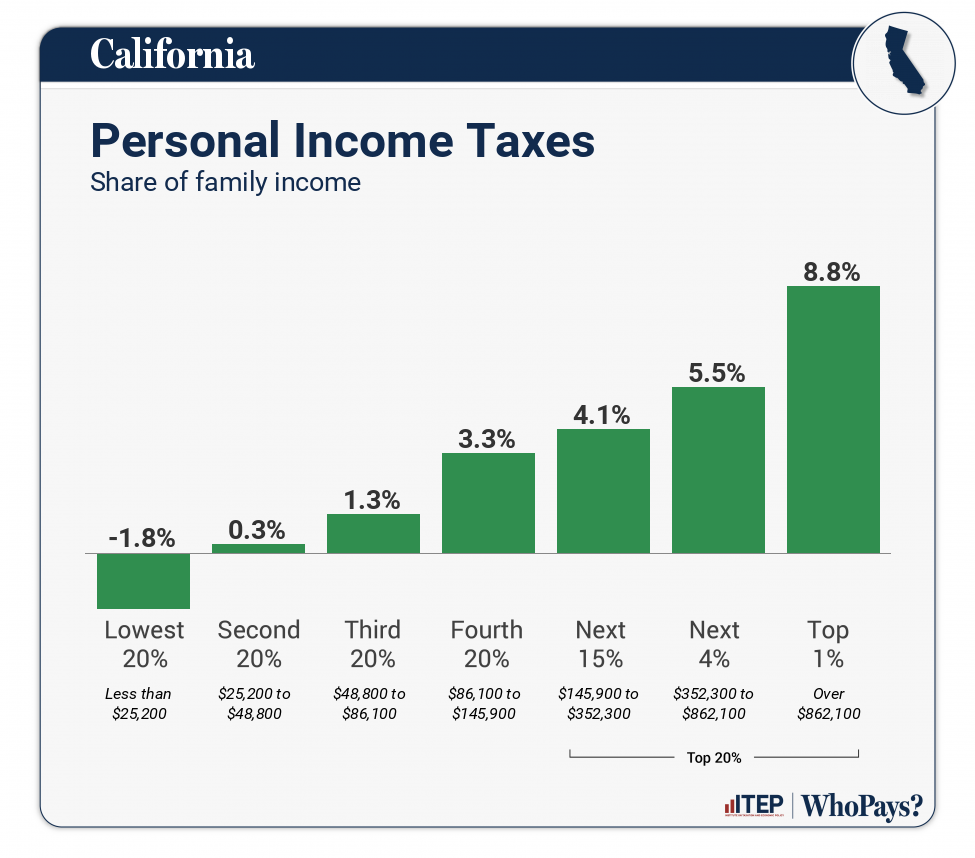
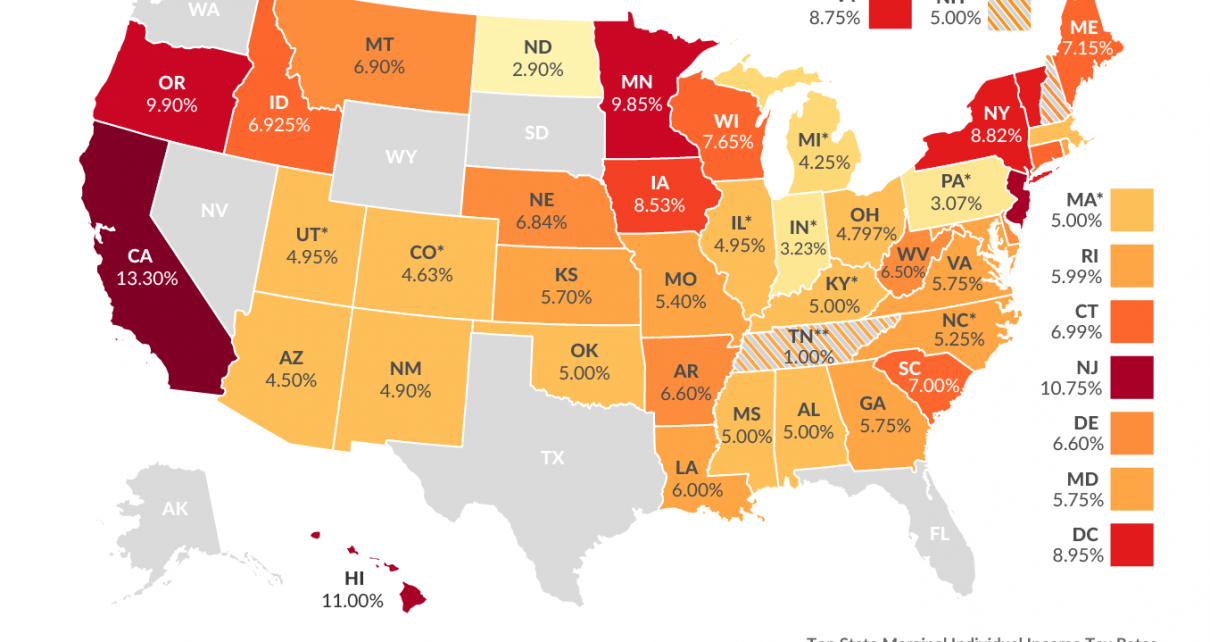
If you are deemed a resident of [California], you will be subject to the state’s progressive income tax rates. These rates range from 1% to 13.3% for the highest earners. The specific rate you pay depends on your total taxable income. The income subject to taxation includes wages, salaries, business income, investment income, and other forms of earnings. For those working remotely while in [California], understanding where their income is sourced and taxed is particularly important.
Tax Credits and Deductions
[California] offers various tax credits and deductions that can reduce an individual’s tax liability. These can include credits for dependents, low-income individuals, or specific business activities. While these are more typically relevant for full-time residents, a traveler who has earned income within the state or established residency might be eligible for certain benefits.Other Taxes Relevant to Travelers
Beyond sales and income tax, [California] has other tax considerations that might affect travelers, particularly those engaging in specific activities or making certain types of purchases.
Hotel Occupancy Taxes
Many cities and counties in [California] impose a transient occupancy tax (TOT) or hotel tax on the rental of lodging for less than 30 consecutive days. This tax is typically a percentage of the room rate and is often collected by the hotel or lodging provider at the time of check-out. For tourists staying in hotels, resorts, or short-term rentals across the state, such as in popular destinations like [Lake Tahoe] or [Palm Springs], this tax is an additional cost to factor into their accommodation budget. The rates can vary widely, so it’s wise to inquire about the specific TOT for your chosen location.
Car Rental Taxes
Renting a car is a common necessity for exploring the vastness of [California]. In addition to the standard sales tax, car rental companies often pass on other taxes and fees to consumers, including airport concession fees if renting at an airport, and sometimes specific local taxes related to vehicle rentals. These can add a significant amount to the daily rental cost, especially for longer rental periods.
Fuel Taxes
For travelers planning on driving extensively throughout [California], fuel taxes are an unavoidable expense. These taxes are embedded in the price of gasoline and diesel fuel. While these are generally not itemized separately for the consumer, they contribute to the overall cost of operating a vehicle within the state.
Navigating the Tax Landscape for a Smoother Journey
Understanding the state tax for [California] is not just about compliance; it’s about informed planning and maximizing your travel budget. Whether you’re a short-term tourist enjoying the attractions of [Disneyland] or contemplating a longer stay to experience the vibrant culture of [San Francisco], being aware of these tax implications will lead to a more seamless and financially sound experience.
For any traveler, especially those planning extended visits or business engagements, it is always advisable to consult the official website of the [California] Department of Tax and Fee Administration (CDTFA) or seek professional tax advice for the most current and specific information pertaining to your individual circumstances. This proactive approach ensures that you can fully enjoy all that [California] has to offer without unexpected financial surprises.
LifeOutOfTheBox is a participant in the Amazon Services LLC Associates Program, an affiliate advertising program designed to provide a means for sites to earn advertising fees by advertising and linking to Amazon.com. Amazon, the Amazon logo, AmazonSupply, and the AmazonSupply logo are trademarks of Amazon.com, Inc. or its affiliates. As an Amazon Associate we earn affiliate commissions from qualifying purchases.