
Navigating the vibrant landscape of outdoor recreation in California often involves exploring diverse modes of transport, from traditional bicycles to powerful off-road vehicles. In recent years, a new contender has emerged, capturing the attention of enthusiasts and regulatory bodies alike: the Surron. These electric-powered two-wheelers promise an exhilarating experience, blending elements of mountain biking with the torque of a motorcycle. However, their unique design and performance characteristics have placed them in a complex legal grey area, particularly within the meticulously codified vehicle laws of the Golden State. For anyone considering purchasing, riding, or renting a Surron in California, understanding its legal standing is paramount to ensuring a lawful and enjoyable experience. This guide delves into the intricacies of California’s vehicle code, offering insights into where and how Surrons can be legally operated, along with practical tips for riders.
Understanding Surrons: A New Category of Electric Mobility
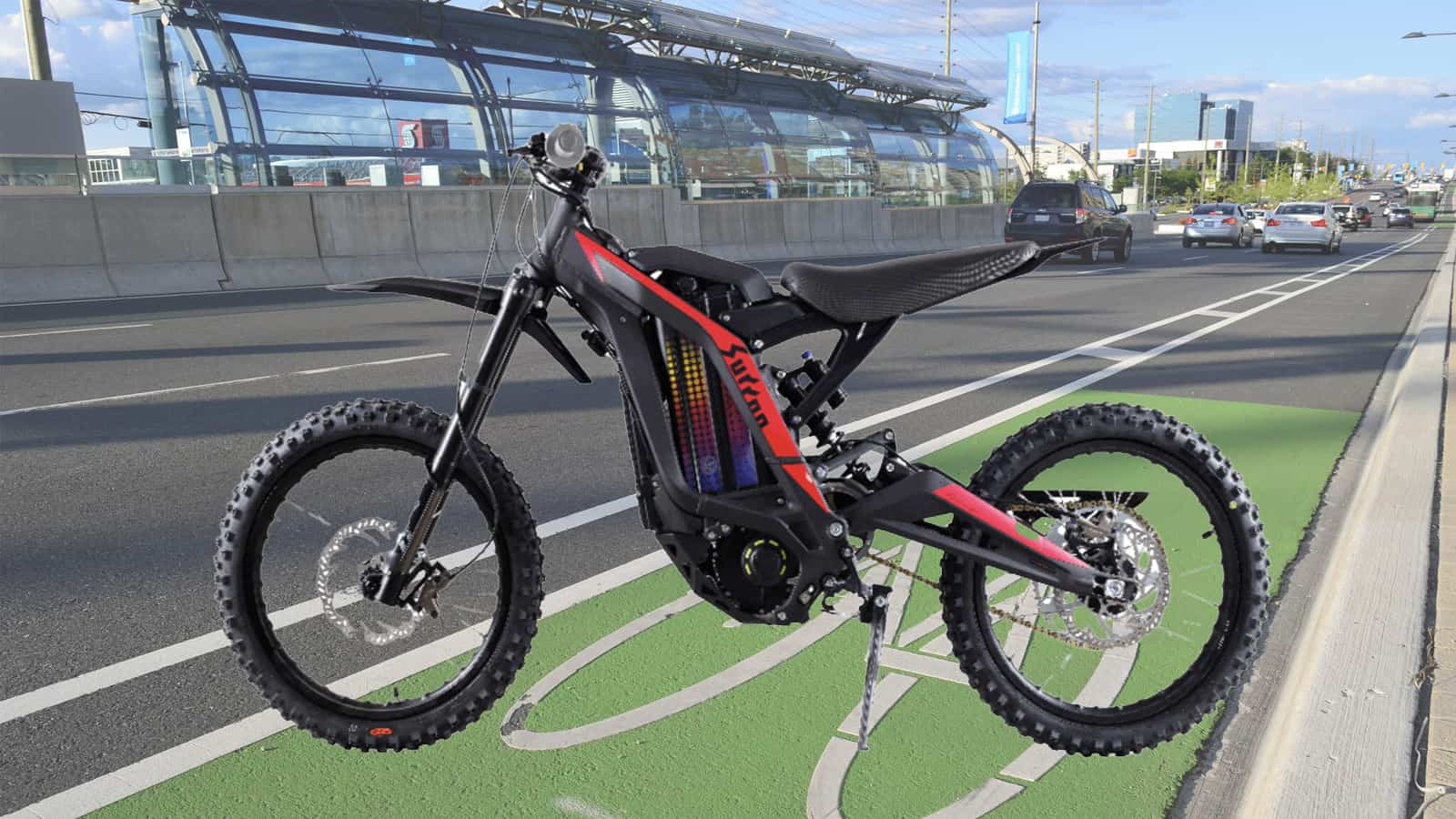
The Surron, specifically models like the Surron Light Bee X, represents a hybrid class of vehicle that challenges traditional classifications. Its design and capabilities often blur the lines between electric bicycles, mopeds, and dirt bikes, leading to widespread confusion regarding its legal status.
What is a Surron?
At its core, a Surron is an electric-powered off-road motorcycle, though its lighter weight and pedal-less design sometimes lead it to be mistaken for a heavy-duty electric bicycle. It features a powerful electric motor, robust suspension, and knobby tires, making it adept at tackling challenging terrain. Unlike many electric bicycles, Surrons typically lack functional pedals, relying solely on electric propulsion via a throttle. Their top speeds can easily exceed 40-50 mph, and their power output often surpasses the limits set for electric bicycles. This combination of speed, power, and the absence of pedals is central to the legal debate surrounding their use.
The Grey Area: Bicycle, Moped, or Motorcycle?
The primary challenge for Surron owners in California stems from the state’s classification system for two-wheeled vehicles. The California Vehicle Code (CVC) defines specific categories, each with distinct requirements for registration, licensing, safety equipment, and areas of operation.
- Electric Bicycle: California categorizes electric bicycles into three classes based on maximum speed and motor assistance. Crucially, all classes require functional pedals and a motor that assists, rather than solely propels, the rider. Surrons, lacking pedals and often exceeding speed/power limits, generally do not qualify as electric bicycles.
- Motorized Bicycle (Moped): A motorized bicycle is typically defined by having an automatic transmission, a motor that produces less than two brake horsepower, and a maximum speed of 30 mph on level ground. It also requires operational pedals. While some Surrons might fall within the horsepower range, the lack of pedals and often higher top speeds typically exclude them from this category.
- Motorcycle: This is the category into which most Surrons ultimately fall, based on their design, speed, power output, and lack of functional pedals. Motorcycles require registration with the Department of Motor Vehicles (DMV), a motorcycle endorsement on the rider’s driver’s license, insurance, and compliance with all motorcycle safety equipment laws (e.g., helmet).
Because Surrons are almost universally throttle-actuated and often exceed the specified speed and power limits for electric bicycles or mopeds, they are predominantly classified as off-highway motorcycles (OHMs) or street-legal motorcycles if they meet specific requirements. This classification dictates their permissible areas of operation and the legal prerequisites for riders.
California’s Vehicle Code: A Complex Landscape
The California Vehicle Code is comprehensive, aiming to regulate all vehicles to ensure public safety and environmental protection. For Surrons, understanding its nuances is critical.
Electric Bicycles vs. Motorized Bicycles vs. Motorcycles
California law (CVC §406) defines an “electric bicycle” as a bicycle equipped with fully operative pedals and an electric motor of less than 750 watts. It is generally not considered a motor vehicle and can be ridden in many places bicycles are permitted. There are three classes:
- Class 1: Pedal-assist only, motor assistance up to 20 mph.
- Class 2: Throttle-actuated or pedal-assist, motor assistance up to 20 mph.
- Class 3: Pedal-assist only, motor assistance up to 28 mph, and a speedometer required.
A “motorized bicycle” (CVC §406(a)), often referred to as a moped, must have operative pedals, an automatic transmission, and a motor producing less than two gross brake horsepower, with a top speed of no more than 30 mph.
“Motorcycles” (CVC §400) are any motor vehicle having a seat or saddle for the use of the rider and designed to travel on not more than three wheels in contact with the ground. This broad definition, encompassing vehicles like dirt bikes and conventional street motorcycles, is where Surrons typically land. The key differentiators are often the absence of pedals and the vehicle’s power and speed capabilities.
Key Regulations for Each Category
- Electric Bicycles: No registration, license, or insurance required. Riders generally follow bicycle laws, though helmets are required for Class 3 riders (and often recommended for all). Access is typically permitted on bike paths and trails unless specifically prohibited.
- Motorized Bicycles: Requires a driver’s license (any class), but no special motorcycle endorsement is needed. Registration and insurance are not required by state law, but riders must wear a helmet. They are generally restricted to roads, not bike paths.
- Motorcycles (including OHMs): Requires DMV registration, a motorcycle license (M1 endorsement), proof of insurance, and a DOT-approved helmet. Off-Highway Motorcycles (OHMs) used off paved roads in OHV areas also need an “OHV sticker” (Green or Red Sticker) for identification and environmental fee payment. Street-legal motorcycles must also meet all street-legal equipment requirements (lights, mirrors, horn, turn signals, etc.).
The Challenge of Classification for Surrons
Because most Surrons lack functional pedals and exceed the typical speed/power limits for electric bicycles and mopeds, they are almost universally classified as motorcycles in California. This means that to ride a Surron legally on any public land or street, it must meet motorcycle requirements. For off-road use, it needs to be registered as an OHM. For street use, it would need to be converted to meet street-legal standards, which can be a significant undertaking, requiring proper lighting, mirrors, turn signals, and passing inspections for roadworthiness. Many Surrons are sold without these street-legal components, making them explicitly off-road vehicles.

Where Can You Legally Ride a Surron in California?
The legality of riding a Surron hinges entirely on its classification and whether the rider meets the associated requirements.
Public Roads and Bike Lanes
If a Surron is classified as a motorcycle and meets all street-legal requirements (registration, license, insurance, equipment), it can be ridden on public roads like any other street-legal motorcycle. However, very few Surrons come from the factory equipped to be street legal in California. Attempting to ride an unregistered, uninspected Surron on public streets without a motorcycle license and helmet will result in citations, fines, and potential impoundment.
Crucially, Surrons are not permitted on bike lanes, bike paths, or multi-use trails designated for bicycles or pedestrians. Since they generally do not meet the definition of an electric bicycle, riding them in these areas is illegal and often considered trespass. Many local ordinances explicitly prohibit any motorized vehicles on such paths.
Off-Road Trails and OHV Areas
This is where Surrons typically find their legal home. If classified and registered as an Off-Highway Motorcycle (OHM), a Surron can be legally ridden in designated Off-Highway Vehicle (OHV) parks and trails across California. These areas are managed by agencies like California State Parks and the Bureau of Land Management (BLM), providing extensive networks of trails suitable for dirt bikes and similar vehicles.
To ride in these areas, the Surron must have an OHV registration sticker (either Green or Red, depending on emissions compliance for gas vehicles; electric vehicles generally qualify for Green Sticker status), and the rider must possess a valid driver’s license with a motorcycle endorsement (M1). A DOT-approved helmet is also mandatory. Examples of popular OHV areas include Hungry Valley State Vehicular Recreation Area and the Ocotillo Wells State Vehicular Recreation Area.
Private Property Considerations
Riding a Surron on private property is generally permissible without state-level registration or licensing requirements, provided the owner of the property grants permission. However, local noise ordinances or other specific regulations may still apply, especially in residential areas. Always ensure you have explicit permission from the landowner before riding.
Practical Tips for Surron Owners and Enthusiasts in California
For those looking to enjoy a Surron in California, a proactive and informed approach is key to avoiding legal troubles and ensuring a safe riding experience.
Check Local Ordinances
While state laws provide a framework, local municipalities (cities and counties like Los Angeles or San Diego) can impose additional restrictions. Before riding, especially in new areas, always check local ordinances regarding electric vehicles and off-road vehicle use. Some areas may have specific rules about noise, hours of operation, or outright bans on certain vehicle types.
Licensing, Registration, and Insurance
If you plan to ride your Surron anywhere other than private property, assume it will be classified as a motorcycle. This means you will need:
- A valid California driver’s license with an M1 motorcycle endorsement.
- To register your Surron as an Off-Highway Motorcycle (OHM) with the DMV, obtaining an OHV sticker. This involves proving ownership and paying associated fees.
- Appropriate liability insurance, especially if attempting to make it street-legal or if you wish to protect yourself in OHV areas.
Safety Gear and Best Practices
Regardless of where you ride, safety is paramount. Always wear a DOT-approved helmet. Additional protective gear such as gloves, sturdy boots, eye protection, and body armor are highly recommended, especially when riding off-road. Never ride under the influence of drugs or alcohol, and be mindful of other trail users.

The Future of Surron Legislation
As electric two-wheelers like Surrons grow in popularity, legislative efforts may emerge to create clearer classifications or specific regulations for this evolving category. Keeping abreast of potential changes in California Vehicle Code or local laws is advisable for all owners and enthusiasts. Engaging with rider communities and advocacy groups can also provide valuable insights into legislative trends and best practices.
In conclusion, while Surrons offer an exciting way to experience California’s diverse terrains, their legal status requires careful consideration. By understanding the classifications and adhering to the relevant laws, riders can safely and legally explore the golden state’s vast outdoor recreational opportunities.
LifeOutOfTheBox is a participant in the Amazon Services LLC Associates Program, an affiliate advertising program designed to provide a means for sites to earn advertising fees by advertising and linking to Amazon.com. Amazon, the Amazon logo, AmazonSupply, and the AmazonSupply logo are trademarks of Amazon.com, Inc. or its affiliates. As an Amazon Associate we earn affiliate commissions from qualifying purchases.