
Understanding the correct time zone for San Diego, California is a fundamental piece of information for any traveler planning a visit, a business professional coordinating across distances, or simply someone looking to connect with friends and family in this vibrant Southern California city. San Diego observes Pacific Standard Time (PST) during the winter months and transitions to Pacific Daylight Time (PDT) for the remainder of the year. This dual-time system, common across much of North America, ensures that daylight hours are optimally utilized throughout the year.
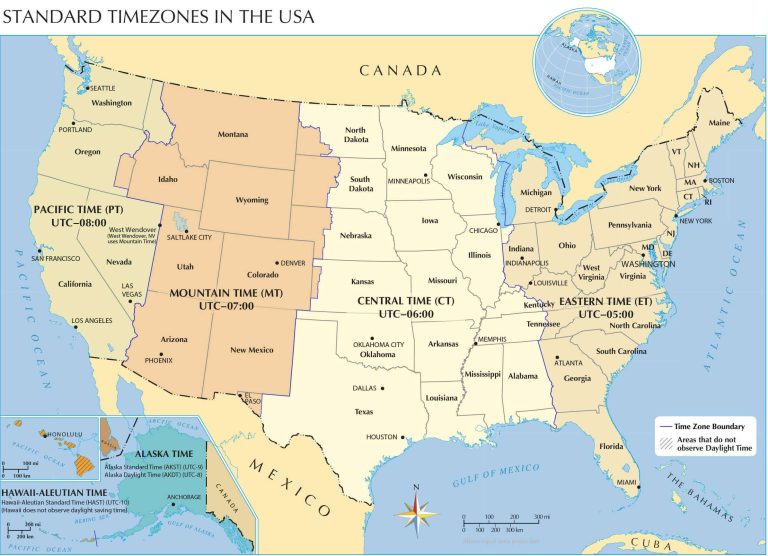
The Pacific Time Zone, which encompasses San Diego, is UTC−8 during standard time and UTC−7 during daylight saving time. This means that when San Diego is on PST, it is eight hours behind Coordinated Universal Time (UTC). When daylight saving time is in effect, and the city observes PDT, it is seven hours behind UTC. Knowing this distinction is crucial for avoiding miscommunications, ensuring timely arrivals for flights and appointments, and fully immersing yourself in the local rhythm of this beautiful coastal destination.

Understanding Pacific Standard Time and Daylight Saving Time in San Diego
The concept of time zones was established to standardize time across vast geographical areas, simplifying navigation and communication. For San Diego, California, this means aligning with the broader Pacific Time Zone. This zone stretches across the western United States, including states like Washington, Oregon, Nevada, and parts of Idaho and Arizona (though Arizona famously does not observe DST, with the exception of the Navajo Nation).
Pacific Standard Time (PST)
Pacific Standard Time (PST) is the baseline time for San Diego, California during the fall and winter months. It is observed from the first Sunday in November until the second Sunday in March. During PST, San Diego operates on UTC−8. This period typically brings cooler temperatures and clearer skies to Southern California, often ideal for exploring the city’s numerous outdoor attractions without the intense summer heat. Travelers planning trips during these months should set their watches accordingly, remembering that they are significantly behind many East Coast cities in the United States and even further behind European or Asian destinations.
Pacific Daylight Time (PDT)
As spring arrives, San Diego, California (along with most of the United States) springs forward into Pacific Daylight Time (PDT). PDT begins on the second Sunday in March and concludes on the first Sunday in November. During PDT, the time shifts forward by one hour, moving to UTC−7. This change is implemented to maximize daylight in the evenings, a practice historically aimed at conserving energy and allowing for more recreational activities after work or school. For visitors, this means longer, sunnier evenings perfect for enjoying a sunset stroll along La Jolla Cove or dining al fresco in the Gaslamp Quarter. The extended daylight can significantly enhance the experience of exploring outdoor attractions like Balboa Park or visiting Coronado Island.
Navigating Time Differences When Traveling to or from San Diego
The time zone in San Diego, California is a critical factor for anyone coordinating travel plans. Whether you are flying in from a different time zone, scheduling business meetings, or arranging to pick up guests, accurate time awareness is paramount.
International Travel Coordination
For international travelers, understanding the difference between San Diego’s time and their local time is essential. For example, someone traveling from London, which operates on Greenwich Mean Time (GMT) or British Summer Time (BST), will experience a significant time difference. When San Diego is on PST (UTC−8), London (GMT, UTC+0) is 8 hours ahead. When San Diego is on PDT (UTC−7), London (BST, UTC+1) is still 7 hours ahead. Conversely, travelers from East Asian cities like Tokyo (JST, UTC+9) will find San Diego significantly behind. During PST, Tokyo is 17 hours ahead of San Diego. This wide differential requires careful planning to avoid jet lag and to ensure all scheduled activities, such as airport pickups or pre-booked tours, run smoothly.

Domestic Travel and Business
Within the United States, the time difference can still be substantial. Traveling from New York City, which observes Eastern Standard Time (EST) or Eastern Daylight Time (EDT), involves a 3-hour difference. When San Diego is on PST, New York is on EST (UTC−5), meaning San Diego is 3 hours behind. During PDT, New York is on EDT (UTC−4), and San Diego remains 3 hours behind. This 3-hour gap is vital for booking connecting flights, scheduling conference calls, and coordinating with individuals in different parts of the country. Missing a business meeting or a crucial flight due to a simple oversight of the time zone can be costly and disruptive.
Utilizing Online Tools and Resources
Fortunately, numerous online tools and smartphone applications are available to help travelers and individuals manage time zone conversions effortlessly. Most booking websites for flights, hotels, and tours will automatically display times in your local zone or allow you to select your preferred time. When checking the time in San Diego, California, it is advisable to confirm whether Daylight Saving Time is currently in effect to ensure the most accurate information. This is particularly important when communicating with local contacts or making last-minute arrangements, as the transition dates for DST can sometimes lead to confusion.
The Impact of Time Zones on San Diego’s Tourism and Lifestyle
The temporal alignment of San Diego, California within the Pacific Time Zone has subtle yet significant influences on its tourism industry and the daily lifestyle of its residents and visitors. The abundance of daylight, especially during PDT, shapes how people experience the city.
Maximizing Daylight for Exploration
The extended daylight hours afforded by PDT are a boon for San Diego’s tourism. From exploring the world-renowned San Diego Zoo to enjoying the beaches of Pacific Beach or Mission Beach, visitors can take full advantage of the longer days. This allows for more leisurely exploration of the numerous attractions, including historical sites like the USS Midway Museum or the charming streets of Old Town San Diego State Historic Park. Evening activities, such as catching a baseball game at Petco Park or enjoying dinner with ocean views, are also enhanced by the lingering sunlight.
Business and Working Hours
For businesses operating in San Diego, California, understanding its time zone is critical for efficient operations, particularly for companies with branches or clients in different time zones. Early morning meetings might be common to accommodate East Coast partners, while late afternoon calls might be scheduled to connect with those on the West Coast or in Asia. The rhythm of the workday is inherently tied to the ebb and flow of daylight, influencing everything from commute times to the hours businesses remain open.
Cultural Events and Nightlife
The time zone also plays a role in the scheduling and enjoyment of cultural events and the city’s vibrant nightlife. Festivals, outdoor concerts, and evening performances often begin in the late afternoon or early evening, taking advantage of the daylight. The Gaslamp Quarter, known for its energetic nightlife, benefits from the extended daylight, allowing patrons to transition from sunset views to illuminated streets. The overall pace of life in San Diego often feels more relaxed, perhaps influenced by the constant sunshine and the inherent appeal of outdoor living, further accentuated by the benefits of Pacific Daylight Time.
In essence, being aware of whether San Diego, California is operating on PST or PDT is more than just a matter of knowing the clock; it’s about understanding the rhythm of the city, optimizing travel plans, and fully appreciating the lifestyle that makes San Diego such a coveted destination. Whether you are planning a leisurely vacation or a productive business trip, a clear grasp of the Pacific Time Zone will ensure a seamless and enjoyable experience in this sun-kissed city.
LifeOutOfTheBox is a participant in the Amazon Services LLC Associates Program, an affiliate advertising program designed to provide a means for sites to earn advertising fees by advertising and linking to Amazon.com. Amazon, the Amazon logo, AmazonSupply, and the AmazonSupply logo are trademarks of Amazon.com, Inc. or its affiliates. As an Amazon Associate we earn affiliate commissions from qualifying purchases.