
The song “Hotel California” by The Eagles is an iconic piece of music, instantly recognizable for its haunting melody, evocative lyrics, and masterful guitar solos. While its musical legacy is undeniable, the question of its release year often sparks curiosity, particularly for those who appreciate its place in the annals of popular culture. This timeless track, a cornerstone of classic rock, has transcended generations, its narrative continuing to captivate listeners and fuel discussions about its meaning and origins.
The Genesis of a Masterpiece
The narrative woven into “Hotel California” is as enduring as the melody itself. Released as the title track of the album of the same name, the song’s genesis lies in the creative crucible of the mid-1970s, a period of significant artistic output for The Eagles. The band, comprising Don Henley, Glenn Frey, Joe Walsh, Randy Meisner, and Don Felder, were at the height of their powers, having already achieved substantial success with previous albums.
The writing process for “Hotel California” was a collaborative effort, with Don Felder composing the initial music and Don Henley and Glenn Frey crafting the evocative lyrics. Felder’s distinctive guitar riff, a dark and atmospheric introduction, laid the foundation for the song’s unique sound. Henley, the primary lyricist, envisioned a narrative that was both allegorical and deeply personal, drawing inspiration from the excesses and disillusionment of the Los Angeles lifestyle during that era. Frey contributed significantly to shaping the lyrical themes and the song’s overall structure.
The Album and Its Impact
The album Hotel California was released on December 8, 1976. This date marked a pivotal moment for The Eagles. The album was met with widespread critical acclaim and commercial success, becoming one of the best-selling albums of all time. It garnered multiple awards, including two Grammy Awards, cementing its status as a landmark in rock music history. The title track, “Hotel California,” was released as a single in February 1977, quickly climbing the charts and becoming an international phenomenon.
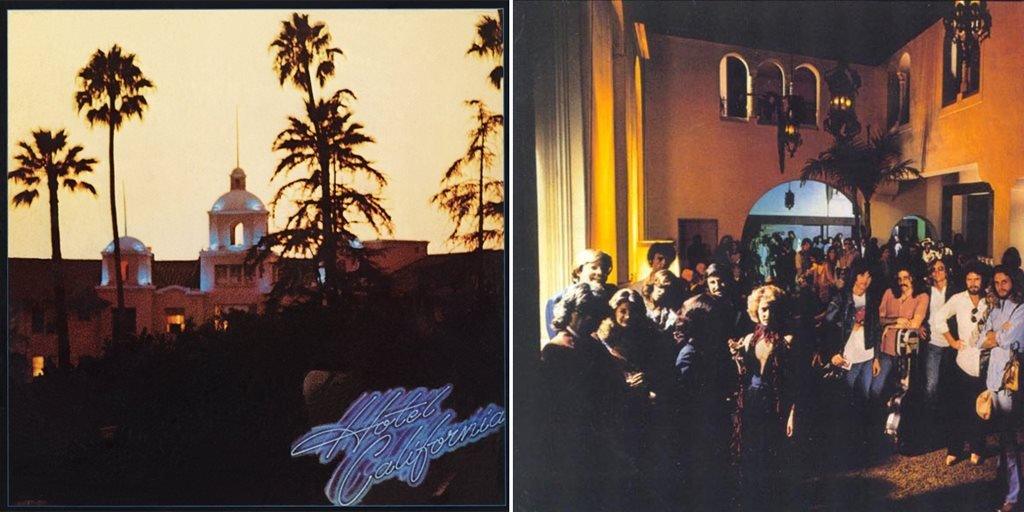
The album itself was a departure from their earlier, more country-rock-influenced sound, leaning into a more mature and complex rock aesthetic. The thematic depth and musical sophistication of Hotel California resonated with a broad audience, solidifying The Eagles as one of the most influential bands of their generation. The album’s artwork, featuring a stylized photograph of a dimly lit hotel at dusk, perfectly complemented the song’s mysterious and somewhat unsettling mood.
The Release Year Revealed

The song “Hotel California” by The Eagles was officially released in 1976. This release coincided with the unveiling of the album of the same name, which serves as its home. The single was subsequently released in early 1977, further cementing its presence in the musical landscape of the era. The year 1976 is therefore the definitive answer to when this seminal track first graced the airwaves and entered the collective consciousness of music lovers worldwide.
The Enduring Allure of 1976
The mid-1970s was a fertile ground for musical innovation, and 1976 was no exception. This year saw the release of other significant albums and singles that have since become classics. For The Eagles, 1976 represented a peak in their creative and commercial journey. The success of Hotel California propelled them to new heights, and the song itself became a defining anthem of the decade. Its enduring popularity is a testament to its artistic merit and its ability to connect with listeners on a profound level, even decades after its initial release. The song’s mystique, coupled with its impeccable musical craftsmanship, ensures its continued relevance and its place as a beloved piece of musical history.
Thematic Interpretations and Cultural Resonance
The lyrical content of “Hotel California” has been the subject of extensive analysis and debate since its release. Don Henley himself has described the song as an allegory for the excesses and self-destruction of the music industry in Los Angeles during the 1970s. The “hotel” serves as a metaphor for a place of illusion, temptation, and eventual entrapment, where guests are welcomed but can never truly leave. This interpretation resonates with the experiences of many artists navigating the complexities and pitfalls of fame.
Beyond the Music Industry
While the music industry interpretation is widely accepted, other readings of the lyrics have emerged over the years. Some fans have viewed the song through a lens of spiritual or philosophical allegory, seeing the “hotel” as a representation of addiction, materialism, or even a descent into madness. The ambiguous nature of the lyrics allows for a multitude of personal interpretations, contributing to the song’s enduring mystique. The vivid imagery—the “dark desert highway,” the “shimmering light,” the “pink champagne on ice”—creates a dreamlike, almost surreal atmosphere that invites listeners to project their own meanings onto the narrative.

The “Hotel California” Experience
The song’s impact extends beyond its lyrical content; it has become synonymous with a certain mood and aesthetic. The phrase “Welcome to the Hotel California” has entered the popular lexicon, often used to describe a place or situation that is alluring yet ultimately inescapable. The song’s association with California and the West Coast also contributes to its romanticized image. The evocative storytelling and the sophisticated musical arrangement have ensured that “Hotel California” remains a staple on classic rock radio and a beloved track for new generations of listeners. Its ability to spark conversation and inspire diverse interpretations is a testament to its artistic brilliance and its lasting cultural significance.
LifeOutOfTheBox is a participant in the Amazon Services LLC Associates Program, an affiliate advertising program designed to provide a means for sites to earn advertising fees by advertising and linking to Amazon.com. Amazon, the Amazon logo, AmazonSupply, and the AmazonSupply logo are trademarks of Amazon.com, Inc. or its affiliates. As an Amazon Associate we earn affiliate commissions from qualifying purchases.