
The allure of Fresno, California extends far beyond its statistical weather data. Nestled in the heart of California’s Central Valley, this vibrant city offers a dynamic blend of agricultural richness, burgeoning cultural scenes, and convenient access to some of the state’s most breathtaking natural wonders. Understanding the temperature in Fresno is crucial for anyone planning a visit, whether for a weekend getaway, an extended exploration of the region, or to experience its unique local offerings. This guide delves into the typical climatic conditions, helping you pack appropriately and plan your itinerary to make the most of your time in this captivating locale.

Understanding Fresno’s Climate: A Tale of Two Seasons
Fresno experiences a Mediterranean climate, characterized by hot, dry summers and mild, wet winters. This distinct pattern significantly influences the optimal times for travel and the kinds of activities that are most enjoyable throughout the year. The sheer scale of the Central Valley means that temperatures can fluctuate considerably, and proximity to mountain ranges can also play a subtle role in microclimates.
Summer in the Valley: Embracing the Heat
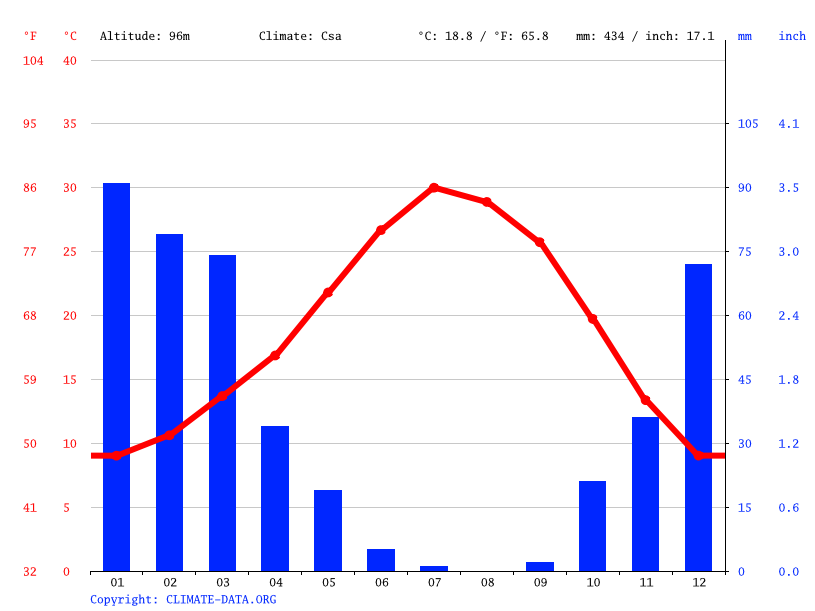
Summers in Fresno, typically from June through September, are defined by sustained high temperatures and abundant sunshine. Average daily highs frequently soar into the upper 80s and 90s Fahrenheit (around 31-37 degrees Celsius), with heatwaves pushing temperatures well over 100 degrees Fahrenheit (38 degrees Celsius) becoming increasingly common. The humidity levels remain relatively low, which can make the heat feel drier, but it’s essential to stay hydrated. Evenings offer some respite, with temperatures typically dropping into the comfortable 60s Fahrenheit (15-20 degrees Celsius).
Planning summer activities in Fresno requires a strategic approach to the heat. Early morning and late evening are ideal for outdoor excursions. This is the perfect time to explore the city’s parks, such as Woodward Park, or embark on a scenic drive towards the Sierra Nevada Mountains for cooler mountain air and hiking opportunities. Indoor attractions, including the Fresno Art Museum or the historical exhibits at the Forestiere Underground Gardens, are excellent options for escaping the midday sun. When venturing outdoors, prioritize lightweight, breathable clothing, wide-brimmed hats, sunglasses, and high SPF sunscreen. Always carry plenty of water.
Autumn and Spring: The Shoulder Seasons’ Charm
The shoulder seasons, spring (March through May) and autumn (October through November), offer arguably the most pleasant weather for visiting Fresno. During these months, temperatures are generally mild and inviting, with average daily highs ranging from the comfortable 70s to low 80s Fahrenheit (21-27 degrees Celsius). Nights are cool but rarely cold, typically in the 40s and 50s Fahrenheit (4-15 degrees Celsius). Rainfall increases during spring and can be sporadic throughout autumn, contributing to the region’s lush greenery following the dry summer months.
These seasons are ideal for exploring the agricultural heartland surrounding Fresno. Spring bursts with vibrant floral displays, particularly in the vast agricultural fields, and the air is alive with the scent of blossoms. Autumn brings the harvest season, with opportunities to visit local farms and orchards, like those offering fresh produce and U-pick experiences, and to witness the changing colors of the landscape. The Fresno metropolitan area itself comes alive with outdoor festivals and farmers’ markets. This is the time to enjoy leisurely strolls through the city’s neighborhoods, explore the historic downtown area, or take day trips to nearby attractions without the intensity of summer heat or winter chill.
Winter in the Valley: A Mild Respite
Winters in Fresno, from December through February, are generally mild and wetter compared to the rest of the year. Average daily highs hover in the mid-50s Fahrenheit (around 13 degrees Celsius), with occasional warmer days reaching into the 60s. Overnight lows can dip into the 30s and 40s Fahrenheit (0-9 degrees Celsius), and frost is possible, but prolonged freezing temperatures are uncommon. The majority of Fresno’s annual rainfall occurs during these months, often in the form of gentle showers, though occasional storms can bring heavier precipitation. Snowfall is extremely rare in the city itself, but the nearby Sierra Nevada Mountains receive significant snowfall, making them a popular destination for winter sports.
While winter might not be the primary season for outdoor adventure in the immediate vicinity of Fresno, it offers a unique charm. The landscape transforms into a tapestry of softer greens, and the cooler air is invigorating for those who enjoy crisp walks or cozy evenings. This is an excellent time to experience the city’s indoor cultural offerings, enjoy its diverse culinary scene at local restaurants, or explore the educational exhibits at institutions like the Pioneer Village. Furthermore, winter is the perfect gateway to the snow-capped beauty of the mountains, offering opportunities for skiing, snowboarding, and enjoying the serene winter wonderland.
Planning Your Visit: Aligning with the Mercury
To truly maximize your travel experience in Fresno, California, aligning your visit with the prevailing temperatures is key. Each season offers a distinct set of opportunities and considerations.
Springtime Adventures: Blossoms and Beyond
As winter rains subside, Fresno awakens with a vibrant display of nature. The surrounding agricultural lands, famous for their orchards, often become a spectacle of pink and white blossoms. This is an ideal time for photography enthusiasts and nature lovers. The weather is conducive to exploring the many parks and open spaces, enjoying outdoor dining, and visiting local farms for fresh produce. The Big Fresno Fairgrounds, while primarily hosting its famous fair in the fall, sometimes features spring events that capitalize on the pleasant weather. Consider a visit to nearby Yosemite National Park during spring, as the waterfalls are at their most spectacular, though early spring can still bring snow to higher elevations.
Summer Escapes: Thriving Amidst the Heat
While the summer heat in Fresno is undeniable, it also marks the peak season for many regional attractions. The proximity to national parks like Sequoia National Park and Kings Canyon National Park makes Fresno an excellent base camp for exploring these mountainous wonders, where temperatures are significantly cooler at higher altitudes. Within the city, embracing the heat means enjoying air-conditioned venues, visiting water parks, or partaking in evening events that are specifically designed for cooler hours. The agricultural fields, though dry, are ripe for harvest, offering opportunities for fruit picking of summer crops.
Autumn Harvest: A Season of Abundance
Autumn is a celebrated season in Fresno, a region deeply connected to agriculture. The cooler temperatures make it perfect for exploring the numerous farms and ranches that dot the landscape. This is the prime time for visiting pumpkin patches, corn mazes, and attending harvest festivals. The Big Fresno Fair is a major highlight, offering a quintessential slice of Californian agricultural heritage with rides, exhibits, and local delicacies. The city’s parks are also at their most inviting, with pleasant temperatures for leisurely walks and picnics.
Winter Wonders: Cozy City Breaks and Mountain Pursuits
Winter in Fresno offers a more relaxed pace. It’s an excellent time for cultural tourism, exploring the city’s museums, theaters, and culinary hotspots without the crowds. For those seeking snow, the nearby Sierra Nevada Mountains offer world-class skiing and snowboarding resorts like Mammoth Mountain (though a longer drive) or closer options that provide a winter wonderland experience. Back in the city, the holidays bring festive decorations and events, creating a warm and inviting atmosphere despite the cooler temperatures.
Packing Essentials: Dressing for Fresno’s Mercury
Regardless of the season, a few essentials will enhance your comfort and enjoyment in Fresno, California.
Layering for Versatility
The most effective packing strategy for Fresno is layering. This allows you to adapt to temperature fluctuations throughout the day and between different environments, especially when traveling between the city and higher elevations in the mountains.
- Spring/Autumn: Pack light to medium-weight layers. Think t-shirts, long-sleeved shirts, light sweaters or fleeces, and a medium-weight jacket. Comfortable walking shoes are a must.
- Summer: Prioritize lightweight, breathable fabrics like cotton and linen. Include shorts, t-shirts, sundresses, and a light cover-up for evenings or air-conditioned spaces. A wide-brimmed hat and sunglasses are non-negotiable.
- Winter: Pack warmer layers, including long-sleeved tops, sweaters, and a heavier coat. A scarf, gloves, and a warm hat are advisable, particularly if you plan to visit the mountains. Waterproof or water-resistant footwear is also a good idea for potential rain.

Hydration and Sun Protection
In Fresno, sun protection is paramount year-round, but especially critical during the summer months.
- Sunscreen: High SPF sunscreen is essential for all skin types and should be applied liberally and reapplied frequently when outdoors.
- Hats and Sunglasses: These provide crucial protection for your face and eyes.
- Reusable Water Bottle: Staying hydrated is vital, especially in the dry heat of summer. Many places in Fresno have water refill stations, and carrying your own bottle is both environmentally friendly and practical.
By understanding and preparing for the temperature in Fresno, California, you can ensure a comfortable and memorable visit, allowing you to fully immerse yourself in the rich experiences this dynamic region has to offer. From its agricultural bounty to its proximity to natural wonders, Fresno awaits your exploration.
LifeOutOfTheBox is a participant in the Amazon Services LLC Associates Program, an affiliate advertising program designed to provide a means for sites to earn advertising fees by advertising and linking to Amazon.com. Amazon, the Amazon logo, AmazonSupply, and the AmazonSupply logo are trademarks of Amazon.com, Inc. or its affiliates. As an Amazon Associate we earn affiliate commissions from qualifying purchases.