
The story of Chipotle Mexican Grill’s expansion into California is a significant chapter in the state’s vibrant culinary landscape and the broader narrative of fast-casual dining. While Chipotle is now a ubiquitous presence across the Golden State, its journey from a single Denver, Colorado eatery to a Californian staple involved strategic growth and a keen understanding of consumer preferences. Exploring the timeline of its Californian debut offers insights into the evolution of quick-service food and the enduring appeal of fresh, customizable ingredients.
The Genesis of Chipotle and Early Expansion
Chipotle was founded by Steve Ells in Denver, Colorado, in 1993. The core concept was simple yet revolutionary: to serve high-quality ingredients in a fast-casual setting, allowing customers to customize their meals, much like a traditional taqueria, but with a focus on fresh, ethically sourced produce and meats. This “food with integrity” ethos resonated immediately, and the brand’s popularity grew steadily in its home state.
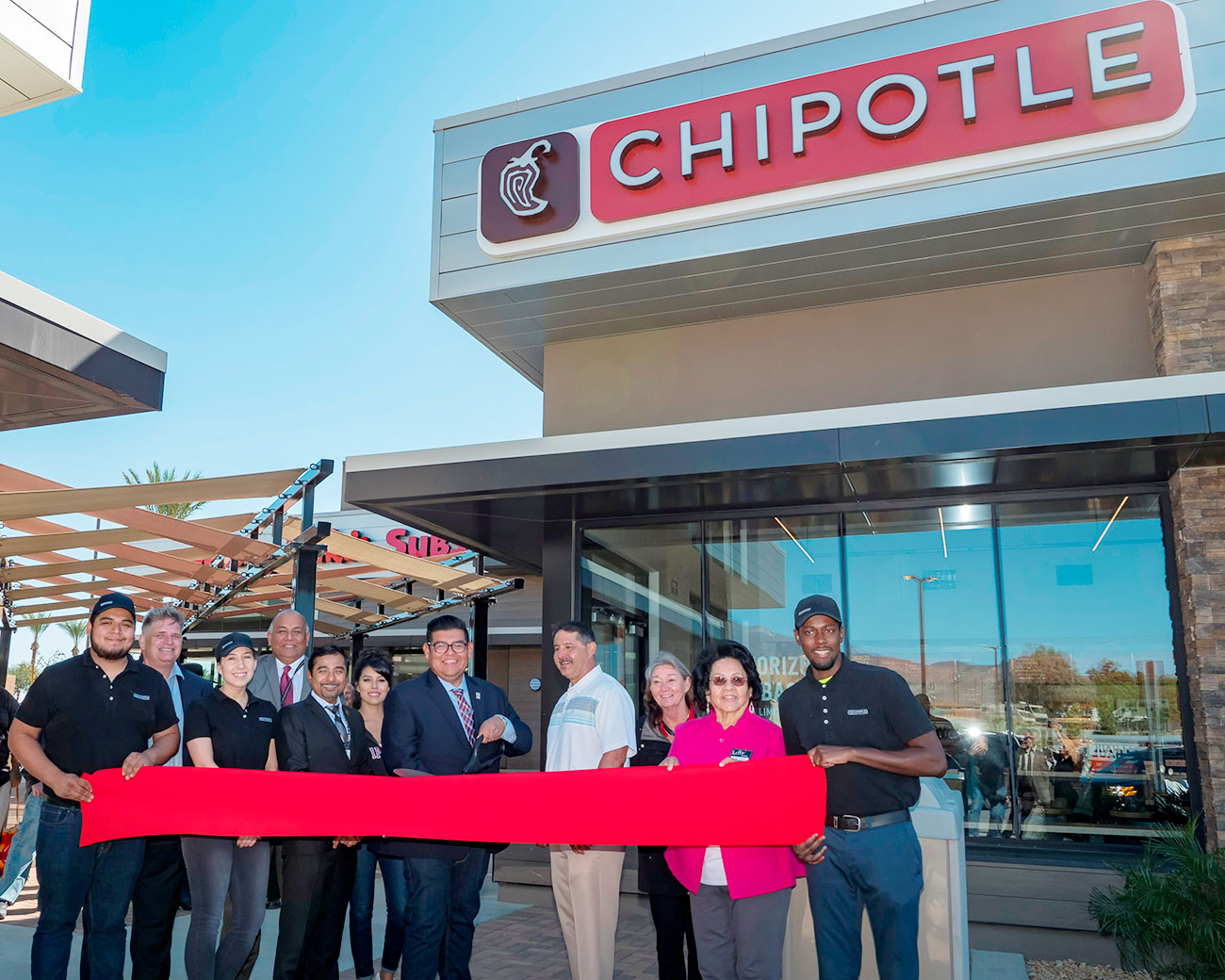
The initial expansion beyond Colorado was cautious and deliberate. Ells aimed to replicate the success of the flagship store by carefully selecting new locations that could support the brand’s operational model and appeal to its target demographic. Early growth focused on major metropolitan areas where there was a strong demand for convenient, yet quality, dining options.
Laying the Groundwork for National Reach
Before making a significant push into California, Chipotle had already established a notable presence in several other states. By the late 1990s and early 2000s, the company had opened numerous locations across the Midwest and East Coast. This period of expansion allowed Chipotle to refine its operational strategies, supply chain management, and marketing approaches on a larger scale. The success in these diverse markets provided a solid foundation and increased confidence for tackling a complex and highly competitive market like California. The company’s ability to maintain ingredient quality and consistent customer experience across multiple states was a testament to its scalable business model.
Chipotle’s Arrival in California
California, with its large population, diverse culinary scene, and strong appreciation for fresh, healthy food, was a natural and highly desirable market for Chipotle. The state’s emphasis on local produce and innovative food trends aligned perfectly with Chipotle’s brand identity. While pinpointing the exact date and location of the very first Chipotle in California can be challenging due to the organic nature of early expansion and the availability of precise historical data, it is widely understood that Chipotle began its California expansion in the early 2000s.
Initial openings likely occurred in densely populated urban centers, where the demand for quick, high-quality meals was most pronounced. Cities like Los Angeles and the San Francisco Bay Area would have been prime targets for Chipotle’s initial foray into the state. These regions boast a sophisticated diner base that is receptive to new dining concepts and values transparency in food sourcing.
Early Californian Footholds
The initial Chipotle locations in California would have been strategically placed to capture the lunchtime and dinner crowds. University towns, business districts, and busy suburban shopping centers were likely among the first to welcome the brand. The company’s emphasis on fresh ingredients, including cilantro-lime rice, seasoned meats, fresh salsas, and guacamole, offered a compelling alternative to traditional fast food.

The “build-your-own” burrito and bowl format, a hallmark of the Chipotle experience, proved particularly popular in California. This customization allows diners to cater to a wide range of dietary preferences and taste profiles, a critical factor in a state known for its health-conscious and adventurous eaters. The ability to choose between brown or white rice, black or pinto beans, mild, medium, or hot salsa, and the option of adding sour cream, cheese, and of course, guacamole, provided an unparalleled level of personalization.
The Impact on California’s Food Scene
Chipotle’s entry into California coincided with a growing consumer awareness and demand for healthier, more sustainable food options. The brand’s “food with integrity” mission, which emphasized sourcing ingredients from local farmers and raising animals with higher welfare standards, resonated deeply with Californian values. This commitment to ethical sourcing and transparency set Chipotle apart from many other fast-food chains at the time.
The success of Chipotle in California also played a role in shaping the broader fast-casual dining sector. Its model demonstrated that it was possible to offer convenient food at a reasonable price point while maintaining a commitment to quality and ethical sourcing. This paved the way for numerous other fast-casual concepts that have since emerged, further diversifying California’s rich culinary tapestry.
Fueling Further Growth and Innovation
Following its initial success, Chipotle experienced rapid expansion across California. New locations opened at a brisk pace, driven by strong customer demand and the brand’s growing recognition. This expansion allowed Chipotle to become a household name throughout the state, from San Diego in the south to Sacramento in the north, and in countless communities in between.
The company continued to innovate within its existing menu structure, introducing new protein options or limited-time offerings that kept the brand fresh and engaging for its patrons. California’s dynamic food culture also likely provided valuable feedback and inspiration for Chipotle, influencing its sourcing strategies and menu development in subtle yet significant ways. The state’s emphasis on organic produce and plant-based diets, for instance, may have contributed to the brand’s ability to offer a wide variety of vegetarian and vegan-friendly options.
The Enduring Appeal of Chipotle in California
Today, Chipotle is an integral part of the Californian dining landscape. Its distinctive green branding is a familiar sight in cities and towns across the state, serving millions of meals annually. The appeal lies in its consistent delivery of fresh, flavorful food that can be customized to individual preferences. Whether it’s a classic burrito stuffed with barbacoa, a vegetarian bowl brimming with sofritas and fresh vegetables, or a simple salad with grilled chicken, Chipotle offers a reliable and satisfying dining experience.
The convenience factor remains a major draw. In a state known for its fast-paced lifestyle, Chipotle’s ability to serve a complete meal quickly and efficiently is invaluable. Mobile ordering and delivery services have further enhanced this convenience, making it easier than ever for Californians to enjoy their favorite Chipotle meals at home, at work, or on the go.
Chipotle’s Legacy and Future in the Golden State
Chipotle’s journey in California is more than just a story of corporate expansion; it’s a reflection of evolving consumer tastes and the growing importance of food transparency. The brand has successfully embedded itself into the state’s culture, becoming a go-to choice for many seeking a delicious and convenient meal. As Chipotle continues to evolve, its roots in California, and the state’s impact on its development, remain a significant part of its identity. The future likely holds continued growth and adaptation, as Chipotle strives to meet the ever-changing demands of its loyal Californian customer base while upholding its core commitment to “food with integrity.” The question of “When did Chipotle open in California?” is answered by a period of strategic growth in the early 2000s, marking the beginning of a culinary relationship that continues to thrive.
LifeOutOfTheBox is a participant in the Amazon Services LLC Associates Program, an affiliate advertising program designed to provide a means for sites to earn advertising fees by advertising and linking to Amazon.com. Amazon, the Amazon logo, AmazonSupply, and the AmazonSupply logo are trademarks of Amazon.com, Inc. or its affiliates. As an Amazon Associate we earn affiliate commissions from qualifying purchases.