
The allure of fresh, succulent crab draws gourmands and seafood enthusiasts alike to the stunning coastline of California. From the sweet, delicate meat of the Dungeness crab to the tantalizing texture of rock crab, the Golden State offers a bounty from its pristine waters. Understanding the nuances of California crab season is key to experiencing this culinary delight at its absolute peak. This guide delves into the specifics of when to plan your crab-centric adventures, highlighting the best times, locations, and ways to savor this prized catch.
The Coveted Dungeness Crab: A Seasonal Star
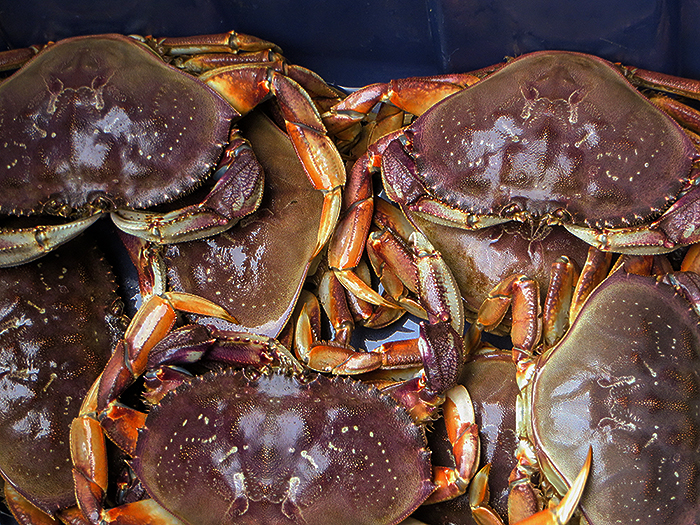
The Dungeness crab (Metacarcinus magister) reigns supreme in the hearts and menus of Californians. Its large size, generous meat-to-shell ratio, and exceptionally sweet flavor make it a highly sought-after delicacy. However, the availability of this magnificent crustacean is strictly regulated to ensure sustainable harvesting and robust populations.
Understanding the Dungeness Crab Regulations
The fishing season for Dungeness crab is determined annually by the California Department of Fish and Wildlife (CDFW). These regulations are put in place to protect the crabs during their molting and egg-laying periods, ensuring the health of future generations.
North Coast Opener: A Traditional Start
Historically, the Dungeness crab season on the North Coast of California, from the Oregon border down to Point Reyes, typically opens on the first Saturday in November. This opening is eagerly anticipated, marking the beginning of crab feasting for the year. However, this date is not set in stone and can be subject to delays.
Factors Influencing the Opening Date:
- Bait Station Inspection: The CDFW conducts inspections of commercial crab pots and bait stations along the coast. This is to monitor the condition of the crabs, particularly the presence of domoic acid, a neurotoxin that can accumulate in shellfish. If levels are too high, the season may be delayed to ensure public safety.
- Molting Cycle: The timing of the crabs’ molting cycle is also a crucial factor. Crabs are more vulnerable and their meat quality can be compromised during this period. The season opener is timed to coincide with when most adult crabs have completed their molting.
- Fishermen’s Input: The CDFW also consults with the commercial fishing industry to gauge readiness and market conditions.
Central and Southern California: A Later Start
South of Point Reyes, the Dungeness crab season often opens later. The fishing grounds in this region typically see their commercial season commence on December 1st. This later opening accounts for differences in crab populations and environmental conditions in these waters.
The Recreational Fishery
For recreational crabbers, the regulations can differ slightly, and in many areas, the season is open year-round for taking Dungeness crab. However, there are often size and bag limits in place, and it’s always advisable to check the latest CDFW regulations for the specific area you plan to fish.
When to Expect the Best Quality
While the season might be open, the “best” time for Dungeness crab quality generally aligns with the cooler months. The crabs are typically fuller and their meat sweeter from late fall through winter and into early spring. As the water warms in late spring and summer, the crabs may have recently molted and their meat can be more watery, with a less intense flavor. Therefore, the period from November through March or April is often considered prime time for enjoying the finest Dungeness crab.
Rock Crab: An Abundant All-Season Option
While Dungeness crab garners much of the attention, the waters off the California coast are also home to several species of rock crab, most notably the brown rock crab (Cancer antennarius) and the red rock crab (Cancer productus). These smaller, hard-shelled crustaceans offer a delightfully sweet and flavorful meat that is often compared to Dungeness crab.
The Advantage of Year-Round Availability
A significant advantage of rock crab is that their season is generally open year-round for both commercial and recreational fishing. This means that even when the Dungeness crab season is closed, you can still enjoy fresh, local crab. The CDFW manages rock crab populations, and while specific regulations regarding traps, gear, and limits apply, the continuous availability makes them a consistent option.
Where to Find Rock Crab

Rock crabs are found throughout California’s coastal waters, often inhabiting rocky reefs and kelp beds. They are a common catch for recreational fishermen using traps or even hand-lines from piers and jetties.
Culinary Notes on Rock Crab
Rock crabs are smaller than Dungeness crabs, meaning there’s less meat per crab. However, their shells are typically full of rich, flavorful tomalley (hepatopancreas), which is highly prized by many for its intense seafood essence. When cooked, the meat is sweet and tender, making them a fantastic choice for steaming, boiling, or incorporating into seafood stews and cioppino.
Experiencing California Crab: Beyond the Season
Knowing when crab season is open is just the first step in a delightful culinary journey. The experience of enjoying fresh California crab can be elevated by understanding where and how to procure and savor it.
Visiting Coastal Communities
The best places to experience fresh crab are the charming coastal towns and cities that dot the California coastline. Towns like Bodega Bay, Sausalito, Santa Cruz, San Francisco, and those along the Mendocino Coast are renowned for their fresh seafood markets and restaurants serving crab directly off the boat.
Seafood Markets and Docks
For the freshest possible crab, head directly to local seafood markets or the commercial fishing docks. Here, you can often purchase live crabs or freshly cooked ones, sometimes still warm from the pot. This is the ultimate farm-to-table (or rather, dock-to-table) experience.
Restaurants and Culinary Hotspots
Many restaurants along the coast feature Dungeness and rock crab on their menus, especially during peak season. Look for establishments that highlight “freshly caught” or “local” crab. Classic preparations include whole steamed crabs, crab cocktails, crab Louie salads, and the iconic San Francisco sourdough crab bowls.
Recreational Crabbing
For the adventurous, participating in recreational crabbing offers an unparalleled connection to the source of your meal.
Gear and Techniques
Recreational crabbing typically involves the use of crab pots, ring nets, or hand-lines. Crab pots are lowered to the seafloor with bait (often chicken legs or fish carcasses), and crabs are lured in. After a period, the pot is hauled up. Ring nets are simpler and are also baited and retrieved. Hand-lining involves lowering a baited line and feeling for the crabs to grab on.
Public Access Points
Many piers, jetties, and rocky shorelines offer excellent opportunities for recreational crabbing. Popular spots can be found in areas like the San Francisco Bay (check specific regulations for bay crabbing), Monterey Bay, and off the coast of Santa Barbara. Always check local regulations regarding access and permitted crabbing areas.
Essential Tips for Crab Enthusiasts
- Check Regulations: The most crucial tip is to always verify the latest regulations with the California Department of Fish and Wildlife before heading out for any crabbing activity. Regulations can change due to environmental conditions or population assessments.
- Inspect Your Catch: When buying crab, look for lively, hard-shelled specimens. For Dungeness crab, a heavier crab for its size often indicates more meat.
- Storage: If you catch your own or buy live crabs, keep them cool and moist until ready to cook. If purchasing cooked crab, it should be consumed within a day or two.
- Sustainability: Be mindful of sustainable seafood practices. Dungeness crab and rock crab are generally considered sustainable choices when harvested according to regulations.
The Peak of Flavor
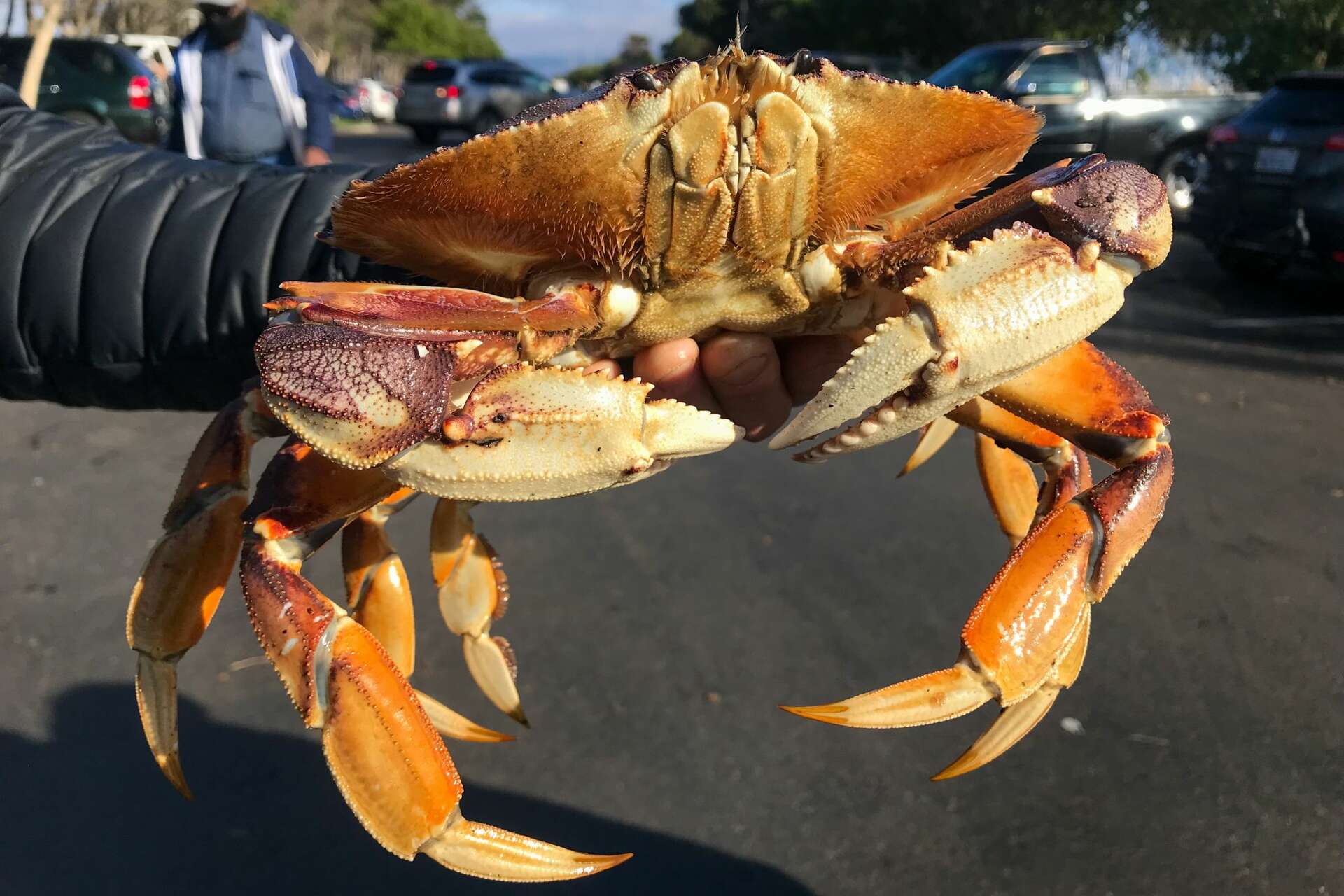
In summary, for the ultimate Dungeness crab experience, aim for the period between November and April. This timeframe generally offers the highest quality meat. For a more consistent, year-round crab fix, rock crab is an excellent and delicious alternative. No matter your preference, the coastal bounty of California promises a memorable and flavorful adventure for any seafood lover.
LifeOutOfTheBox is a participant in the Amazon Services LLC Associates Program, an affiliate advertising program designed to provide a means for sites to earn advertising fees by advertising and linking to Amazon.com. Amazon, the Amazon logo, AmazonSupply, and the AmazonSupply logo are trademarks of Amazon.com, Inc. or its affiliates. As an Amazon Associate we earn affiliate commissions from qualifying purchases.