
California, a state renowned for its diverse landscapes, from the towering Redwood National and State Parks to the arid expanses of the Mojave Desert, offers a unique canvas for outdoor enthusiasts. Among its many recreational pursuits, deer hunting holds a significant place, attracting both seasoned hunters and those eager to experience this time-honored tradition. Understanding the intricacies of California’s deer hunting seasons is paramount for anyone planning a hunting expedition, ensuring compliance with regulations and maximizing the opportunity for a successful and responsible hunt. The state’s hunting calendar is meticulously structured, reflecting a deep commitment to wildlife management and conservation.
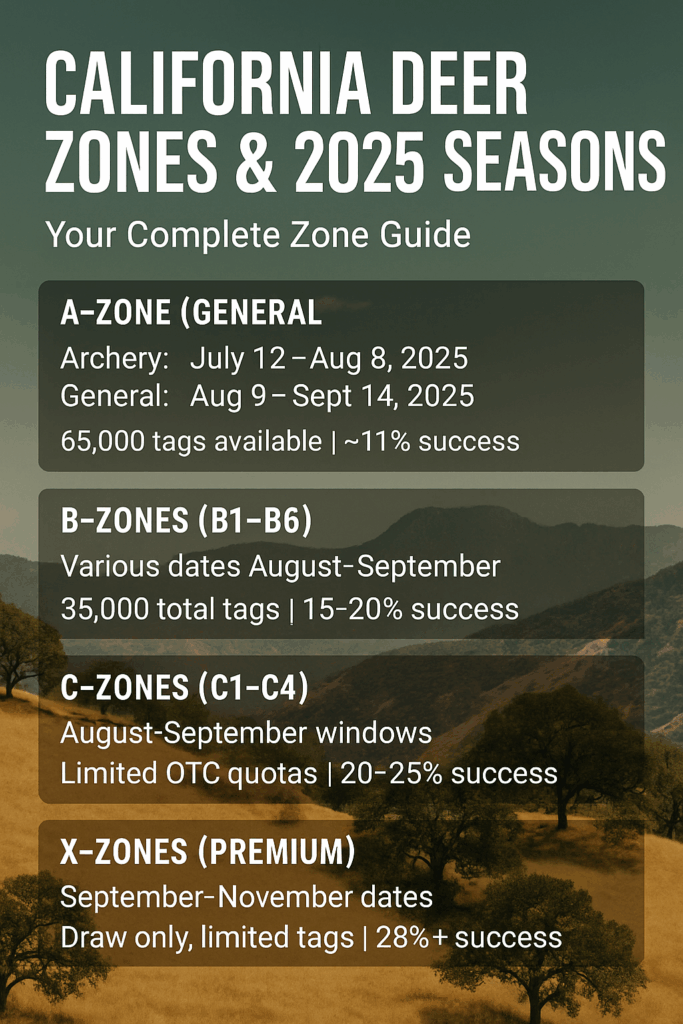
Understanding California’s Deer Management Zones
California’s deer population is managed through a system of distinct zones, each with its own specific regulations and seasons. This zonal approach allows the California Department of Fish and Wildlife (CDFW) to tailor hunting opportunities to the unique ecological characteristics and deer herd dynamics of different regions. Familiarity with these zones is the first step in navigating the state’s hunting regulations.
The Archery Either-Sex Hunts
The hunting year in California often kicks off with archery either-sex hunts, offering an early opportunity for hunters. These seasons are generally the first to open and provide a chance to pursue both male and female deer. The earlier start allows for hunting during a time when deer may be less pressured and more predictable in their movements. These early seasons are often characterized by the use of specialized archery equipment, requiring a different skill set and approach compared to rifle hunting.
The Early Season Hunts
Following the archery periods, the early season hunts commence. These seasons typically involve the use of rifles and may have specific restrictions on the type of deer that can be harvested (e.g., bucks only). The timing of these seasons is carefully chosen to coincide with periods when deer are actively feeding and moving, often in preparation for the rut. Hunters in these early seasons will find themselves navigating a variety of habitats, from oak woodlands to mountainous terrain, depending on their chosen zone.
The Late Season Hunts
As the year progresses, the late season hunts offer a final opportunity for many hunters. These seasons often take place in more challenging weather conditions, requiring hunters to be prepared for colder temperatures and potentially snow. The late season can be a productive time, as deer may concentrate in areas with readily available food sources. This period also often coincides with the peak of the rut in some areas, leading to increased deer activity.
The Junior Hunts
California places a strong emphasis on introducing younger generations to hunting. The junior hunts are specifically designed for hunters aged 16 and under, providing a supervised and educational experience. These seasons are often held concurrently with or shortly before the general seasons, allowing junior hunters to participate with adult mentors. This initiative is crucial for fostering a culture of responsible hunting and wildlife stewardship among the youth.
Key Deer Species and Their Hunting Seasons
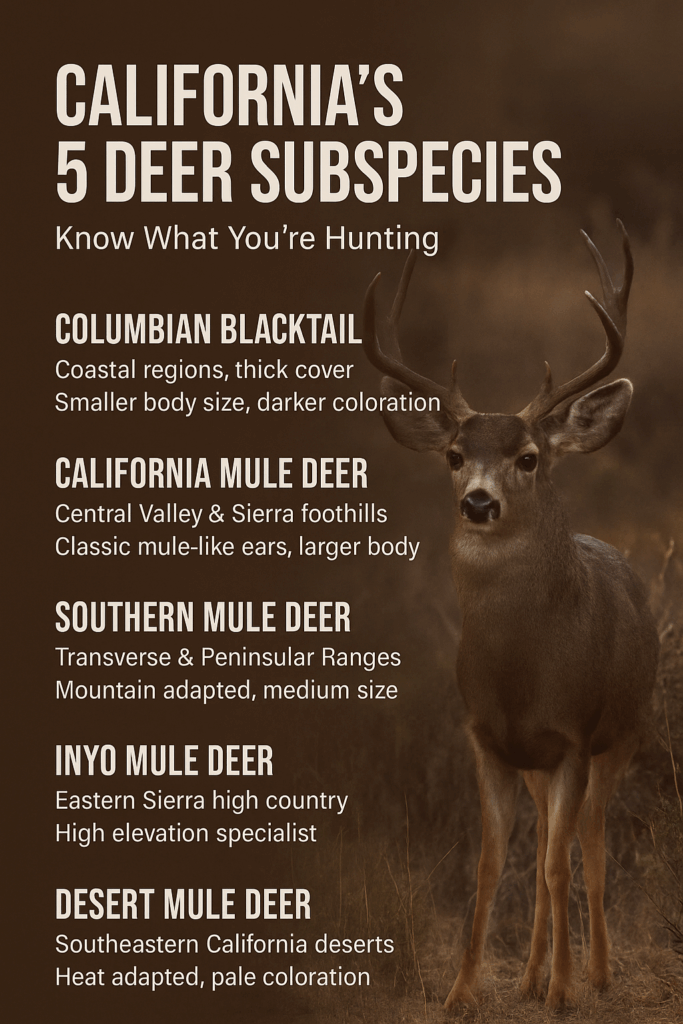
California is home to two primary subspecies of mule deer: the California mule deer and the Northern California mule deer. Black-tailed deer, a subspecies of the mule deer family, are also prevalent in the coastal ranges. Each species occupies distinct ecological niches and may have slightly varied hunting seasons depending on the management zone.
Mule Deer
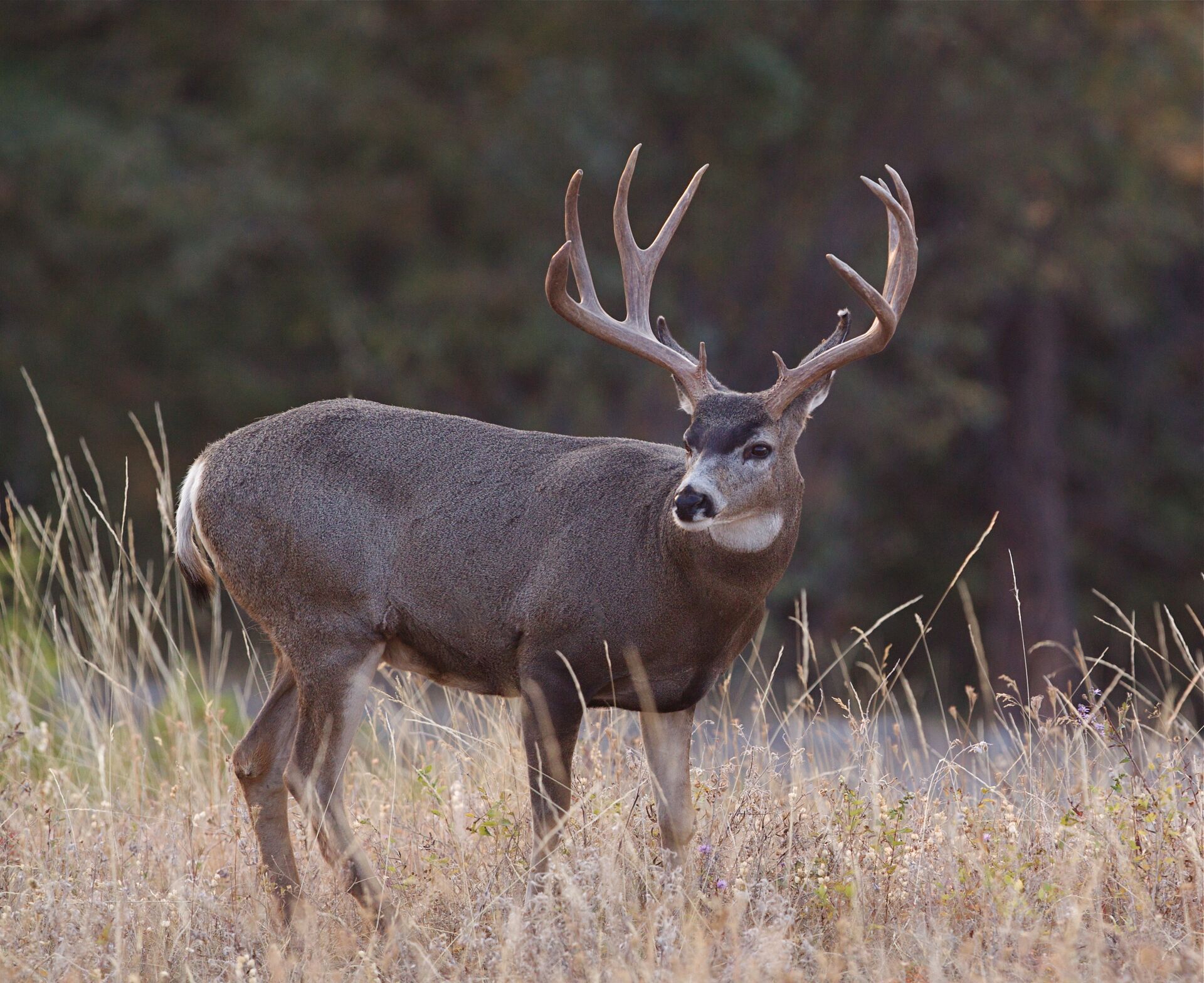
Mule deer are found throughout much of California, particularly in the mountainous and arid regions of the state. Their large ears, which give them their name, are a distinctive feature. Mule deer hunting seasons are staggered across the various management zones to allow for sustainable harvest. The CDFG carefully monitors mule deer populations to ensure that hunting pressure does not negatively impact herd health. Hunters often seek out areas with abundant browse and water sources for mule deer.
Black-Tailed Deer
Black-tailed deer are more commonly found in the coastal coniferous forests and chaparral ecosystems of Northern and Central California. They are generally smaller than mule deer and have a darker coat. Their hunting seasons are also managed by zone, with specific regulations in place to protect their populations. The lush vegetation of the coastal regions provides ample food for black-tailed deer, and hunters often need to navigate dense cover to locate them.
The Deer Tag System and Application Process
A critical component of deer hunting in California is the tag system. Hunters must obtain a specific deer tag for the zone and type of deer they wish to hunt. The process for obtaining these tags is highly regulated, with specific application periods and drawing systems in place.
The Draw System
For most general deer seasons, California utilizes a draw system. This means that hunters apply for tags, and if successful in the lottery, they are awarded a tag for a specific hunt. This system is designed to distribute hunting opportunities equitably and to manage harvest numbers effectively. Hunters typically apply during a designated application period, usually in the spring or early summer, with the drawing results released shortly thereafter.
Junior Deer Hunts and Archery-Only Hunts
Some specific hunts, such as the junior hunts and archery-only hunts, may not be part of the general draw system. These tags might be available on a first-come, first-served basis or through a separate application process. It is essential for hunters to consult the CDFW’s official hunting regulations for the most up-to-date information on how to acquire these specific tags.
Hunter Education Requirements
Before a hunter can apply for any deer tags in California, they must have completed a Hunter Education course. This course covers essential topics such as firearm safety, hunting ethics, wildlife identification, and conservation principles. Proof of completing this course is required during the tag application process. This requirement underscores California’s commitment to ensuring that all hunters are knowledgeable and responsible.
Planning Your California Deer Hunting Trip
A successful deer hunting trip in California requires meticulous planning. Beyond understanding the season dates, hunters must consider factors such as scouting, equipment, accommodation, and adherence to safety protocols.
Scouting and Pre-Season Preparation
Effective scouting is a cornerstone of successful hunting. Before the season opens, hunters should invest time in scouting their chosen hunting areas. This involves identifying deer sign, such as tracks, droppings, and rubs, as well as locating water sources and potential bedding areas. Understanding the topography and vegetation of the hunting zone is also crucial. Many hunters utilize maps, aerial imagery, and even trail cameras to gain insights into deer movements and habits.
Choosing Your Hunting Destination
California’s diverse geography offers a multitude of hunting destinations. Popular areas include the Shasta-Trinity National Forest, the Sequoia National Forest, and various Bureau of Land Management (BLM) lands. Each area presents unique challenges and opportunities based on terrain, vegetation, and deer herd characteristics. Researching specific management zones and their associated deer populations is highly recommended.
Accommodation and Logistics
Depending on the remoteness of the hunting location, hunters will need to plan their accommodation. This might range from camping in designated wilderness areas to booking rooms in nearby towns or lodges. For those venturing into more remote territories, backcountry camping with proper bear-resistant food storage is essential. It is advisable to book accommodations in advance, especially during peak hunting seasons, as availability can be limited. Consider staying at the Tenaya at Yosemite for a comfortable basecamp if hunting in nearby national forests.
Essential Gear and Safety
Proper gear is vital for a safe and successful hunt. This includes appropriate camouflage clothing, sturdy hiking boots, a reliable rifle or bow, ammunition, a hunting knife, a first-aid kit, navigation tools (map, compass, GPS), and sufficient water and food. Hunters must also be aware of California’s specific hunting regulations regarding blaze orange requirements, firearm handling, and ethical hunting practices. Carrying a cell phone or satellite communication device for emergencies is also a wise precaution. Always inform someone of your hunting plans, including your expected return time.
Ethical Hunting and Conservation
Responsible hunting is not just about filling a tag; it is about contributing to the long-term health of wildlife populations and ecosystems. California’s hunting regulations are designed with conservation in mind, and adherence to these principles is a responsibility every hunter shares.
Adhering to Regulations
Strictly following all CDFW regulations, including season dates, bag limits, legal shooting hours, and tagging requirements, is non-negotiable. Violations can result in significant penalties, including fines and revocation of hunting privileges. Understanding and respecting these rules ensures that hunting remains a sustainable activity for future generations.
Respecting Wildlife and Habitat
Hunters are stewards of the land. This means minimizing their impact on the environment, practicing ethical shot placement to ensure a quick and humane harvest, and properly utilizing or donating harvested game meat. Leaving no trace, packing out all trash, and avoiding unnecessary disturbance to wildlife and their habitat are fundamental principles of ethical hunting.
Supporting Conservation Efforts
Many hunters actively participate in or support organizations dedicated to wildlife conservation. These organizations often work in partnership with agencies like the CDFW to fund habitat restoration projects, wildlife research, and hunter education programs. Contributing to these efforts helps ensure that California’s natural resources are preserved for the benefit of all.
By understanding the nuances of California’s deer hunting seasons, the specifics of the tag system, and the principles of ethical hunting, enthusiasts can embark on rewarding and responsible expeditions into the state’s wild landscapes. The thrill of the hunt is amplified by the knowledge that one is participating in a tradition that respects both the wildlife and the environment.
LifeOutOfTheBox is a participant in the Amazon Services LLC Associates Program, an affiliate advertising program designed to provide a means for sites to earn advertising fees by advertising and linking to Amazon.com. Amazon, the Amazon logo, AmazonSupply, and the AmazonSupply logo are trademarks of Amazon.com, Inc. or its affiliates. As an Amazon Associate we earn affiliate commissions from qualifying purchases.