
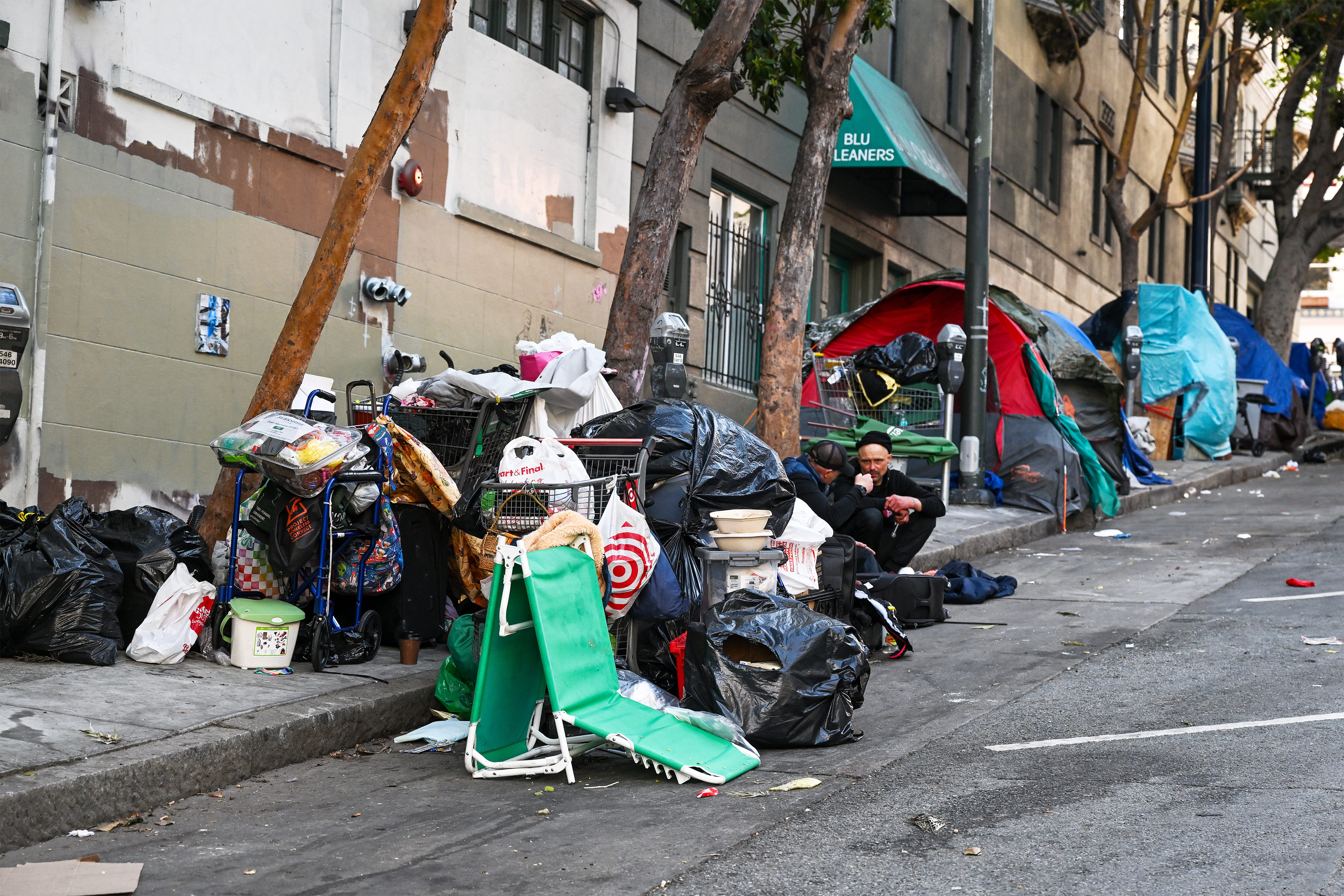
California, a state often synonymous with sunshine, innovation, and a vibrant tourism industry, also grapples with a profound and visible challenge: homelessness. The sheer number of individuals experiencing homelessness across the Golden State is a complex issue with multifaceted origins, deeply intertwined with economic, social, and policy factors. Understanding this crisis requires looking beyond simplistic explanations and delving into the unique environment that California presents.
The Unfolding Housing Crisis
At the heart of California’s homelessness epidemic lies an escalating housing affordability crisis. Decades of insufficient housing construction, coupled with a burgeoning population and strong economic growth in key sectors, have created an intense demand for limited living spaces. This imbalance has driven rental and homeownership costs to astronomical levels, far exceeding wage growth for many residents.
Supply and Demand Imbalance
The core economic principle of supply and demand plays a pivotal role. For years, California has not built enough housing to keep pace with its population growth. Factors contributing to this include:
- Restrictive Zoning Laws: Many cities have implemented zoning regulations that limit the density of housing that can be built, favoring single-family homes over multi-unit dwellings. This significantly curtails the potential for new construction.
- NIMBYism (Not In My Backyard): Local opposition to new housing developments, particularly affordable or higher-density projects, is a significant hurdle. Concerns about traffic, school overcrowding, and neighborhood character, while sometimes valid, often lead to project delays or outright rejection.
- High Construction Costs: California faces some of the highest construction costs in the nation due to labor expenses, material prices, and stringent building codes. This makes it more expensive to build new units, especially those aimed at lower-income brackets.
- Environmental Regulations: While crucial for protecting California’s natural beauty, environmental reviews and permitting processes can add significant time and expense to development projects.
The Magnifying Effect of High Rents
The consequence of this supply deficit is soaring rental prices. In major metropolitan areas like Los Angeles and San Francisco, renting a modest apartment can consume a substantial portion, often over 50%, of a median-income household’s earnings. This leaves little room for savings or unexpected expenses, pushing vulnerable individuals and families to the brink. When a job loss, medical emergency, or rent increase occurs, the transition to homelessness can be swift and devastating.
Gentrification and Displacement
Economic development and investment in certain neighborhoods, while bringing positive changes like revitalized infrastructure and new businesses, can also lead to gentrification. As areas become more desirable, property values and rents rise, displacing long-term residents, particularly those in lower-income brackets, who can no longer afford to live in their communities. This displacement often pushes individuals into less stable housing situations or onto the streets.
Economic and Social Vulnerabilities
Beyond the direct impact of housing costs, several economic and social factors contribute to an individual’s vulnerability to homelessness in California.
Stagnant Wages and Income Inequality
While California boasts a robust economy driven by sectors like technology, entertainment, and agriculture, the benefits of this growth have not been evenly distributed. Many low-wage service industry jobs have not kept pace with the rising cost of living. This widening income inequality means that a significant portion of the population is struggling to afford basic necessities, with housing being the most prominent.
The Gig Economy and Precarious Employment
The rise of the gig economy and contract-based work, while offering flexibility for some, can also lead to unpredictable income streams and a lack of essential benefits like health insurance and paid time off. This instability makes it difficult for workers to maintain consistent housing, especially when faced with unexpected financial shocks.

Mental Health and Substance Use Challenges
Mental health issues and substance use disorders are significant contributing factors to homelessness, and California is no exception. These challenges can impair an individual’s ability to maintain employment, manage finances, and secure stable housing. Without adequate access to affordable and comprehensive mental health services and addiction treatment, individuals struggling with these issues are at a much higher risk of falling into homelessness. The lack of a robust social safety net for these populations exacerbates the problem.
Systemic Failures and Transitions
Individuals exiting systems such as foster care, the criminal justice system, or military service often face significant challenges in transitioning to independent living. Without adequate transitional support, housing assistance, and job training, many find themselves without a stable place to live. The discharge process from hospitals or correctional facilities, if not carefully managed with housing plans in place, can directly lead to homelessness.
Policy and Governance Factors
The response to homelessness, or lack thereof, by governmental bodies at the state and local levels also plays a critical role. Policy decisions, funding allocations, and the effectiveness of implementation strategies have a direct impact on the scale of the crisis.
Insufficient Funding for Affordable Housing and Services
Despite increasing awareness, the funding allocated to address homelessness and create affordable housing has historically been insufficient to meet the overwhelming need. While California has made some strides in allocating funds, the scale of the problem often dwarfs the resources available. This includes funding for rental subsidies, supportive housing, emergency shelters, and outreach services.
Fragmented Approach and Coordination Challenges
Addressing homelessness effectively requires a coordinated, multi-agency approach. However, responsibilities can be fragmented across different government departments and non-profit organizations, leading to inefficiencies, gaps in service, and a lack of cohesive strategy. This can make it difficult for individuals to navigate the system and access the help they need.
Legal and Political Hurdles
Efforts to address homelessness can sometimes be hampered by legal challenges and political disagreements. Debates over property rights, encampment ordinances, and the best strategies for providing shelter and services can slow down progress and create uncertainty. The political will to implement sometimes unpopular but necessary solutions can also be a significant factor.
The “California Dream” and Its Illusions
The allure of California — its pleasant climate, economic opportunities, and perceived laid-back lifestyle — acts as a magnet for people from across the country and even internationally. This continuous influx, while contributing to the state’s vibrancy, also adds to the demand on its already strained housing market and social services. For those arriving with limited resources, the dream can quickly turn into a nightmare when faced with the harsh realities of the cost of living and a competitive job market.

Conclusion: A Call for Comprehensive Solutions
The presence of so many homeless individuals in California is not the result of a single cause but a complex interplay of economic, social, and policy factors. The extreme cost of housing, exacerbated by insufficient supply and high demand, is a primary driver. This is compounded by income inequality, precarious employment, and the persistent challenges of mental health and substance use disorders. Systemic failures in supporting vulnerable populations during transitions and a historically underfunded and sometimes fragmented approach to policy and service delivery further contribute to the crisis.
Addressing homelessness requires a sustained, comprehensive, and compassionate strategy. This includes significantly increasing the supply of affordable housing, implementing robust supportive services for mental health and addiction, strengthening the social safety net, and fostering greater coordination between government agencies and community organizations. Ultimately, California’s ability to tackle this profound challenge will depend on its collective commitment to ensuring that the Golden State is a place of opportunity and security for all its residents, not just a select few.
LifeOutOfTheBox is a participant in the Amazon Services LLC Associates Program, an affiliate advertising program designed to provide a means for sites to earn advertising fees by advertising and linking to Amazon.com. Amazon, the Amazon logo, AmazonSupply, and the AmazonSupply logo are trademarks of Amazon.com, Inc. or its affiliates. As an Amazon Associate we earn affiliate commissions from qualifying purchases.