
Embarking on a transcontinental journey across the United States is a common undertaking for millions each year, with the flight from the bustling east coast metropolis of New York to the expansive western state of California being one of the most frequently traveled routes. While the exact duration can vary based on a multitude of factors, a direct flight from major airports in the New York metropolitan area to key hubs in California typically spans approximately 5.5 to 6.5 hours. This estimate focuses purely on airborne time, but understanding the entire travel experience requires delving deeper into flight dynamics, airport logistics, and personal considerations.
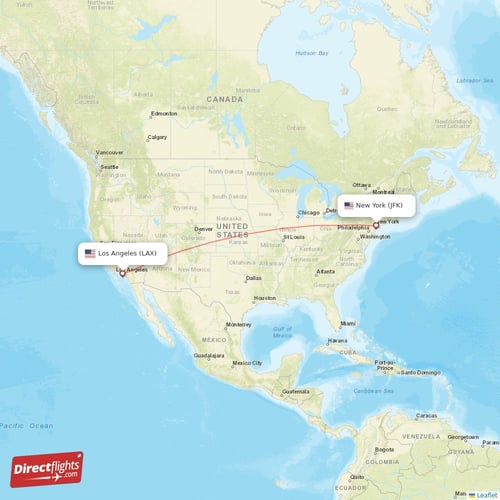
Understanding the Transcontinental Journey
The journey from the eastern seaboard to the west coast is a significant aerial traverse, covering thousands of miles. Knowing what influences the actual flight time can help travelers plan more effectively and manage expectations.
The Direct Flight Advantage
For those prioritizing speed and convenience, direct flights are unequivocally the best option. These non-stop services bypass the time-consuming process of layovers, connecting flights, and additional take-offs and landings. Most major airlines offer numerous direct routes daily between New York and California, catering to both business and leisure travelers. The average flight time of 5.5 to 6.5 hours applies to these direct services. It’s worth noting that westbound flights (east to west) often take slightly longer than eastbound flights (west to east). This phenomenon is primarily due to the prevailing westerly jet stream at high altitudes. When flying against the jet stream, the aircraft encounters headwinds, increasing flight duration. Conversely, eastbound flights benefit from tailwinds, reducing the overall travel time. This difference can add anywhere from 15 to 45 minutes to a westbound journey.
Factors Influencing Flight Duration
Beyond the jet stream, several other elements can impact how long you’re airborne:
- Aircraft Type: Modern aircraft, such as the Boeing 787 Dreamliner or Airbus A350, are designed for greater fuel efficiency and can sometimes maintain higher cruising speeds over long distances compared to older models, potentially shaving a few minutes off the journey.
- Route and Air Traffic Control (ATC): Flight paths are meticulously planned, but can be altered by Air Traffic Control (ATC) for various reasons, including avoiding congested airspace, adverse weather conditions, or to maintain safe separation between aircraft. Any deviation from the most direct route can add time.
- Weather Conditions: While the jet stream is a constant factor, localized weather phenomena like thunderstorms, strong winds, or even volcanic ash can necessitate rerouting or impose speed restrictions, adding to flight time.
- Airport Congestion: Taxiing time on the ground, both before take-off and after landing, can be surprisingly significant at busy airports. Depending on traffic, it can take 20-40 minutes just to move from the gate to the runway or vice versa.
Key Airports and Routes
Understanding the major departure and arrival points is crucial for grasping the scope of this transcontinental air corridor. The choice of airport can influence not only the specific flight options but also the overall journey time due to varying airport efficiencies and ground transportation considerations.
Major Departure Hubs in New York
The New York metropolitan area is served by three primary international airports, each offering extensive direct services to California:
- John F. Kennedy International Airport (JFK): Located in Queens, JFK is one of the busiest airports in the United States and a major international gateway. It offers a vast number of direct flights to all major California cities.
- Newark Liberty International Airport (EWR): Situated in New Jersey, just across the Hudson River from Manhattan, EWR is a significant hub for United Airlines and also provides numerous direct connections to the west coast.
- LaGuardia Airport (LGA): Also in Queens, LGA primarily handles domestic flights. Following extensive renovation, it now offers an improved experience for travelers, with many carriers providing direct routes to California, especially to business-centric destinations.
Primary Arrival Gateways in California
California, being a large and diverse state, has several major international and domestic airports that serve as common arrival points for flights from New York:
- Los Angeles International Airport (LAX): As the primary airport for the Los Angeles area, LAX is the most frequent destination for flights from New York. It’s a massive hub with extensive ground transportation options.
- San Francisco International Airport (SFO): Serving the San Francisco Bay Area, SFO is another top arrival point, especially for those heading to Silicon Valley or northern California.
- San Diego International Airport (SAN): A popular choice for travelers heading to southern California’s coastal cities, SAN offers a more relaxed arrival experience compared to LAX.
- Oakland International Airport (OAK): Located across the bay from San Francisco, OAK is often a convenient alternative for those traveling to the East Bay or seeking potentially lower airfares.
- Sacramento International Airport (SMF): For destinations in northern California’s capital region, SMF provides direct access.

Beyond Flight Time: The Full Travel Experience
While the 5.5 to 6.5 hours in the air is the core of the journey, a holistic understanding of travel time demands accounting for the entire door-to-door experience. Overlooking these peripheral components can lead to unexpected stress and missed connections.
Pre-Flight Considerations
The actual flight time is only one piece of the puzzle. The time spent before the plane even takes off can add several hours to your total travel duration:
- Travel to the Airport: Getting to JFK, EWR, or LGA from various parts of the New York metropolitan area can be a journey in itself. Depending on traffic, public transport schedules, and your starting point, this could take anywhere from 45 minutes to 2 hours or more.
- Check-in and Security: Airlines recommend arriving 2-3 hours before a domestic flight. This allows ample time for baggage check, navigating security checkpoints (which can have long lines, especially during peak travel times), and getting to your gate.
- Boarding: Boarding typically begins 30-60 minutes before the scheduled departure time, adding another chunk of time where you are at the airport but not yet in the air.
- Deplaning and Baggage Claim: Upon arrival in California, deplaning can take 15-30 minutes, followed by waiting for checked luggage, which can add another 15-45 minutes.
- Ground Transportation at Destination: Similar to departure, traveling from your arrival airport (e.g., LAX or SFO) to your final destination in California will require additional time, again subject to traffic and the efficiency of local transport.
When all these components are added together, a door-to-door journey from New York to California can easily span 9 to 12 hours or even more, making proper planning essential.
Navigating Time Zones and Jet Lag
Crossing the continent also means crossing three time zones, moving from Eastern Time (ET) to Pacific Time (PT). This 3-hour difference, while seemingly minor, can significantly impact your body’s internal clock and lead to jet lag. Arriving in California at 2 PM local time might feel like 5 PM to your body, potentially disrupting sleep patterns and energy levels.
Tips for mitigating jet lag include:
- Hydrating well before, during, and after the flight.
- Adjusting your sleep schedule gradually in the days leading up to your trip.
- Exposing yourself to natural light upon arrival in California to help reset your circadian rhythm.
- Avoiding excessive caffeine and alcohol, which can exacerbate jet lag symptoms.
Optimizing Your Cross-Country Air Travel
Making the journey from New York to California as comfortable and efficient as possible involves making informed choices regarding airlines and booking strategies.
Choosing the Right Airline and Aircraft
Not all flights are created equal, especially on a route of this duration. Key considerations when selecting an airline and aircraft include:
- Comfort and Amenities: For a 5.5 to 6.5-hour flight, comfort becomes a priority. Look into airlines offering better seat pitch (legroom), in-flight entertainment systems, Wi-Fi availability, and power outlets. Major carriers like United Airlines, Delta Air Lines, American Airlines, JetBlue Airways, and Alaska Airlines all operate this route, often on modern narrow-body or wide-body aircraft designed for longer domestic hauls.
- Service Level: Some airlines, such as JetBlue with its “Mint” premium service, offer enhanced amenities on transcontinental routes, including lie-flat seats and gourmet dining, elevating the experience for those willing to pay a premium. Even in economy, service levels for snacks, beverages, and cabin comfort can vary.

Smart Booking Strategies
Booking your flight strategically can save both time and money:
- Flexibility with Dates and Times: If your schedule allows, being flexible with your travel dates and times can significantly impact ticket prices and potentially lead to less crowded flights, which can contribute to a more relaxed experience. Mid-week flights (Tuesday, Wednesday) and early morning or late-night departures often offer better value.
- Booking in Advance: Generally, booking several weeks, or even months, in advance can secure better fares. Prices tend to increase as the departure date approaches, especially for popular routes.
- Considering Layovers (If Budget is Primary): While direct flights are faster, if budget is your absolute top priority, connecting flights can sometimes be cheaper. However, be mindful that a layover can add 3-6 hours or more to your total travel time, making the journey much longer than the direct 5.5-6.5 hour flight.
- Premium Economy or Business Class: For those seeking an elevated experience, especially for business travel or special occasions, considering premium economy or business class can make a long flight far more enjoyable. The extra space, enhanced service, and amenities can transform the journey from a necessary transit into a comfortable part of your trip.
In conclusion, while the core flight time from New York to California by plane hovers around 5.5 to 6.5 hours for a direct service, the entire travel experience encompasses much more. From navigating busy airports to adjusting to new time zones, careful planning and informed choices are key to a smooth and enjoyable transcontinental journey.
LifeOutOfTheBox is a participant in the Amazon Services LLC Associates Program, an affiliate advertising program designed to provide a means for sites to earn advertising fees by advertising and linking to Amazon.com. Amazon, the Amazon logo, AmazonSupply, and the AmazonSupply logo are trademarks of Amazon.com, Inc. or its affiliates. As an Amazon Associate we earn affiliate commissions from qualifying purchases.