
Navigating the legal landscape of gambling in Texas can be as complex as understanding a poker hand. While the allure of casinos and a flutter on the horses might be strong, the Lone Star State maintains a more conservative approach compared to some of its neighbors. Understanding the nuances of what is permitted and what is strictly prohibited is crucial for any traveler or resident looking to engage in gaming activities. This exploration will delve into the legality of various forms of gambling, the distinctions drawn by Texas law, and the enforcement surrounding these regulations, providing clarity for those seeking entertainment within the state.
The Broad Strokes of Texas Gambling Law
At its core, Texas law defines gambling as risking something of value on the outcome of a contest of chance, with the intention of winning something of value. This broad definition is the bedrock upon which all subsequent prohibitions and exceptions are built. Generally, most forms of gambling, including traditional casino-style games like blackjack, roulette, and slot machines, are illegal in Texas outside of very specific, regulated exceptions. The Texas Penal Code (§ 47.01 et seq.) criminalizes engaging in, operating, or promoting illegal gambling.
Understanding “Contest of Chance”
A key element in determining illegality is the “contest of chance.” Texas law distinguishes between games of pure chance and games where skill plays a predominant role. While a simple coin toss or a lottery draw is undeniably a contest of chance, games like poker can sometimes blur this line depending on the specific rules and context. However, even in games with a significant skill component, if chance is still a material element, they can fall under the purview of gambling laws. The interpretation and enforcement often hinge on whether the outcome is predominantly determined by luck rather than skill.
Pari-Mutuel Wagering: A Licensed Exception
One of the most prominent and legal forms of gambling in Texas is pari-mutuel wagering on horse racing and greyhound racing. The Texas Racing Act established a framework for licensed racetracks to conduct live racing and accept bets. This is a carefully regulated industry, with strict oversight to ensure fairness and collect taxes.
Horse Racing and Greyhound Racing Tracks
Several Texas cities are home to licensed racetracks where visitors can experience the thrill of live racing and place bets. These venues, such as the Lone Star Park in Grand Prairie and the Retama Park near San Antonio, operate under strict state regulations. The pari-mutuel system means that all bets of a similar type are pooled together, and after deducting taxes and track commissions, the remaining money is distributed among the winners. This system ensures that the odds are determined by the collective betting behavior of the patrons.
Charitable Bingo and Raffles
Texas law permits certain types of charitable gambling, primarily bingo games and raffles, conducted by qualified non-profit organizations. These organizations must obtain specific licenses from the Texas Lottery Commission and adhere to strict rules regarding the distribution of proceeds. Typically, a significant portion of the revenue generated must go towards the charitable cause, with only a limited percentage allowed for administrative costs or prizes. This exception is designed to support community organizations and their philanthropic efforts, rather than to provide a general avenue for commercial gambling.
Licensed Charitable Organizations
To host a bingo game or raffle, an organization must be recognized as a “qualified organization” by the state. This usually involves being a religious, charitable, scientific, literary, or educational organization, or a veterans’ organization, that has been in existence for a specified period. The Texas Lottery Commission oversees the licensing process and ensures compliance with all regulations, including prize limits and reporting requirements.
What Remains Strictly Illegal?
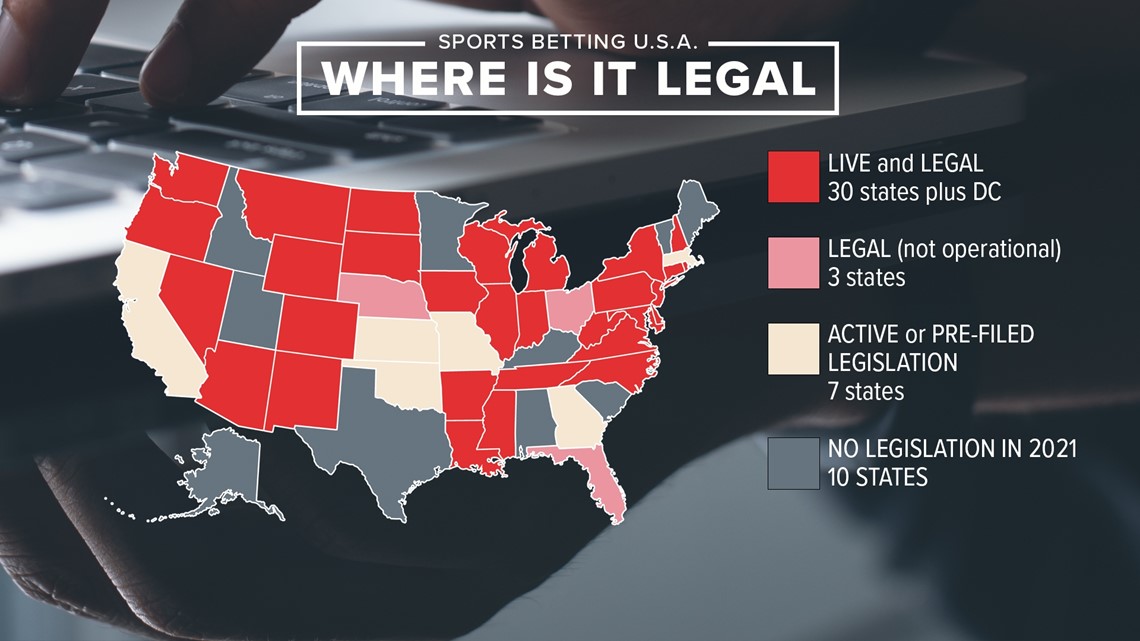
Despite the allowances for pari-mutuel racing and charitable gaming, the vast majority of gambling activities remain prohibited. This includes the operation of traditional casinos, the use of slot machines outside of licensed facilities, and most forms of unregulated card games or sports betting.
Casino-Style Gambling
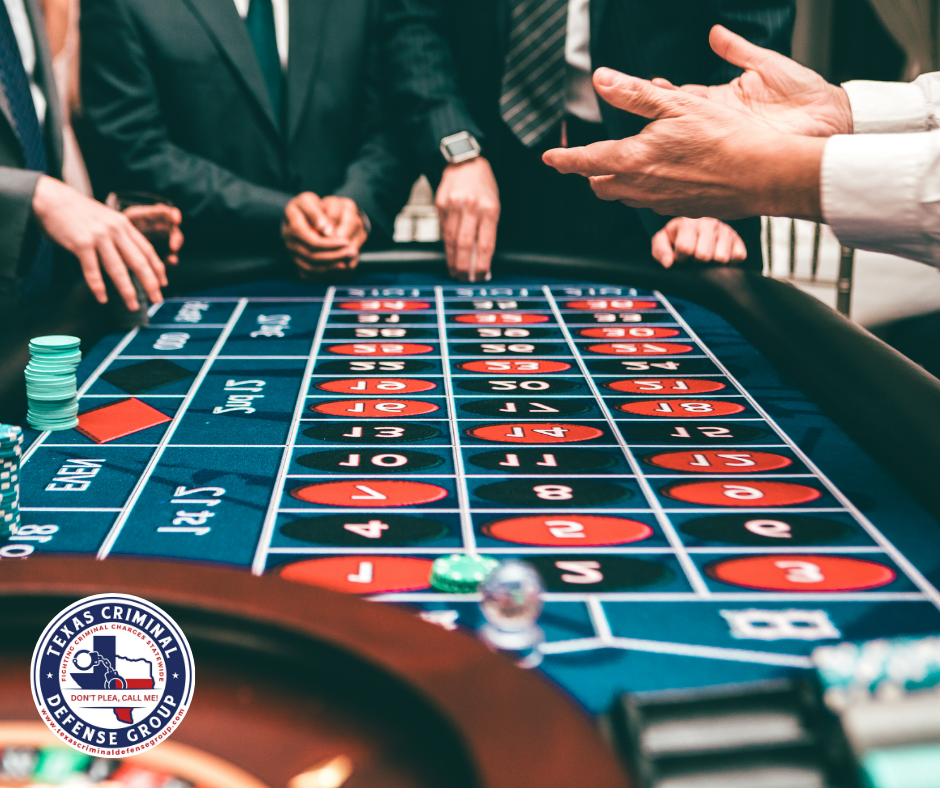
The most significant absence from the Texas gambling landscape is the commercial casino. Unlike states like Nevada or New Jersey, Texas does not permit the establishment of full-scale casinos offering games like slots, craps, or roulette. While there are tribal casinos operated by federally recognized Native American tribes, these are subject to federal law and compacts with the state, and their offerings can vary. However, for the general public, traditional casino resorts are not a legal option within the state’s borders.
Sports Betting and Fantasy Sports
The legality of sports betting in Texas has been a subject of ongoing debate and legislative attempts. As of now, traditional sports betting is illegal. This means placing wagers on professional or collegiate sporting events through bookmakers or offshore online platforms is a violation of state law. Similarly, daily fantasy sports (DFS) have also been a grey area. While some fantasy sports operators have continued to offer their games in Texas, the legal status has been subject to interpretation and legal challenges, with past opinions suggesting it could be considered illegal gambling depending on the specific game mechanics. Legislators continue to explore the possibility of legalizing sports betting, but for now, it remains on the prohibited list.
Internet Gambling and Offshore Platforms
Engaging in gambling through online platforms, whether they are based within Texas or offshore, is generally considered illegal. Texas law does not carve out exceptions for internet-based gambling. The state actively discourages and prosecutes individuals and entities involved in operating illegal online gambling sites within its jurisdiction. For residents, accessing offshore gambling sites can also carry legal risks, though enforcement has historically focused more on operators than individual players.
Enforcement and Penalties
The enforcement of Texas gambling laws is primarily the responsibility of state and local law enforcement agencies, including the Texas Department of Public Safety and various district attorneys’ offices. Penalties for violating gambling laws can range from Class C misdemeanors, which typically involve fines, to more serious felony charges for operators and organizers of illegal gambling enterprises.
Civil Forfeiture
In cases involving illegal gambling operations, law enforcement has the authority to seize assets that are deemed to be proceeds of or used in the commission of the crime. This can include money, vehicles, real estate, and other property. Civil forfeiture laws are a significant tool used to disrupt and dismantle organized illegal gambling rings.
The Role of Tribal Casinos
It is important to acknowledge the presence of tribal casinos in Texas. These casinos are operated by federally recognized Native American tribes, such as the Kickapoo Traditional Tribe of Texas. Under federal law, tribes have the right to offer gambling on their sovereign lands, often including Class III gaming such as slot machines and table games, provided they have a compact with the state. While these offer a form of casino experience within Texas, they are distinct from commercially licensed casinos and are specifically for tribal members and their guests.
Future Prospects and Considerations
The landscape of gambling law is not static. Debates surrounding potential expansion, particularly concerning sports betting and possibly casino gaming, are recurring themes in Texas politics. Proponents argue that legalization could generate significant tax revenue, create jobs, and provide consumers with legal and regulated options. Opponents often cite concerns about increased problem gambling, social costs, and the potential for crime.
Legislative Efforts
Numerous legislative bills have been introduced over the years aiming to expand gambling in Texas. These efforts have often focused on sports betting, with proposals ranging from allowing it at racetracks to a broader statewide system. However, thus far, these initiatives have faced significant hurdles in the state legislature, often failing to gain sufficient traction. The conservative political climate in Texas has historically been a significant factor in the slow pace of gambling reform.
Responsible Gaming
For those engaging in the legal forms of gambling available in Texas, such as pari-mutuel wagering or charitable bingo, responsible gaming practices are paramount. Understanding the odds, setting limits, and recognizing the signs of problem gambling are essential for maintaining a healthy relationship with such activities. Resources are available through state agencies and non-profit organizations for individuals seeking help with gambling-related issues.
In conclusion, while Texas does not prohibit all forms of gambling, its laws are restrictive. Travelers and residents can legally participate in pari-mutuel horse and greyhound racing, and support charitable causes through licensed bingo and raffles. However, traditional casino gambling, unregulated sports betting, and most forms of internet gambling remain illegal. Navigating these regulations requires a clear understanding of what is permitted, ensuring that any gaming activities align with state law and promote responsible enjoyment.
LifeOutOfTheBox is a participant in the Amazon Services LLC Associates Program, an affiliate advertising program designed to provide a means for sites to earn advertising fees by advertising and linking to Amazon.com. Amazon, the Amazon logo, AmazonSupply, and the AmazonSupply logo are trademarks of Amazon.com, Inc. or its affiliates. As an Amazon Associate we earn affiliate commissions from qualifying purchases.