
The city of Oklahoma City is known for its vibrant arts scene, historic districts, and, of course, its burgeoning culinary landscape. From the Bricktown entertainment district to the tranquil beauty of the Myriad Botanical Gardens, there’s always something to explore. However, a recent event, seemingly tied to the city’s rich history and perhaps even its iconic National Cowboy & Western Heritage Museum, has sparked curiosity and a touch of intrigue among local residents and visitors alike. The question on many lips: did a prominent local establishment, often associated with thrilling experiences and perhaps a touch of the dramatic, mistakenly target the wrong domicile?

Unpacking the “Ice Raid” Phenomenon
The term “Ice Raid” itself conjures images of swift, decisive action, often associated with clandestine operations or perhaps even elaborate pranks. In the context of Oklahoma City, understanding the origin and intent behind such an event is crucial to deciphering its potential impact on the local tourism narrative. While the specifics of this particular incident remain shrouded in mystery, the very notion of an “ice raid” suggests an element of surprise and a deliberate, perhaps even performative, action.
Local Lore and the Spirit of Play
Oklahoma City possesses a unique brand of local culture, one that often blends a deep respect for its Western roots with a modern, forward-thinking spirit. This duality can manifest in unexpected ways, from elaborate themed events to community-driven initiatives that foster a sense of shared experience. The idea of an “ice raid,” if it indeed took place as implied by the title, could be a fascinating example of this playful, yet impactful, engagement with the local community. It’s possible that the “raid” was an organized event, perhaps a marketing stunt for a local business, or even a spontaneous act of goodwill or civic engagement. Without further details, it’s difficult to ascertain the exact nature of the “ice raid,” but its association with a “house” suggests a localized, personal interaction.
The Role of Local Establishments
When considering the potential perpetrators of such an “ice raid,” one might look to establishments that are integral to the fabric of Oklahoma City’s tourism and leisure offerings. These could range from popular entertainment venues to unique culinary destinations. For instance, a popular ice cream parlor or a dessert-focused restaurant might engage in such a promotion to generate buzz. Alternatively, a more adventurous or experience-oriented business, perhaps one that offers interactive tours or themed events, could be behind it. The key here is to understand the underlying motivations. Was it intended to be a moment of levity, a genuine attempt at customer engagement, or something else entirely? The implications for local tourism are significant, as such novel events can often become talking points and contribute to a city’s unique appeal.
Speculation and the Power of a Good Story
The title itself is designed to pique interest and encourage speculation, a common tactic in local storytelling and community engagement. In a city like Oklahoma City, where local pride runs deep, a curious incident like an “ice raid” can quickly become a topic of conversation. This is precisely the kind of anecdotal evidence that can contribute to a city’s narrative and its charm for visitors. It suggests a city that is alive, dynamic, and full of surprises. For tourists seeking authentic experiences, stumbling upon or hearing about such events can be a highlight of their trip, offering a glimpse into the everyday life and unique character of the destination.
Exploring the Potential Motives and Impacts on Tourism
If an “ice raid” did indeed occur in Oklahoma City, the motivations behind it would likely have a direct bearing on its impact on the city’s tourism appeal. Was it a misfired attempt at publicity, a genuine community outreach effort, or perhaps a misunderstanding? Each scenario paints a different picture for potential visitors.
Case Study: The Accidental Tourist Attraction?
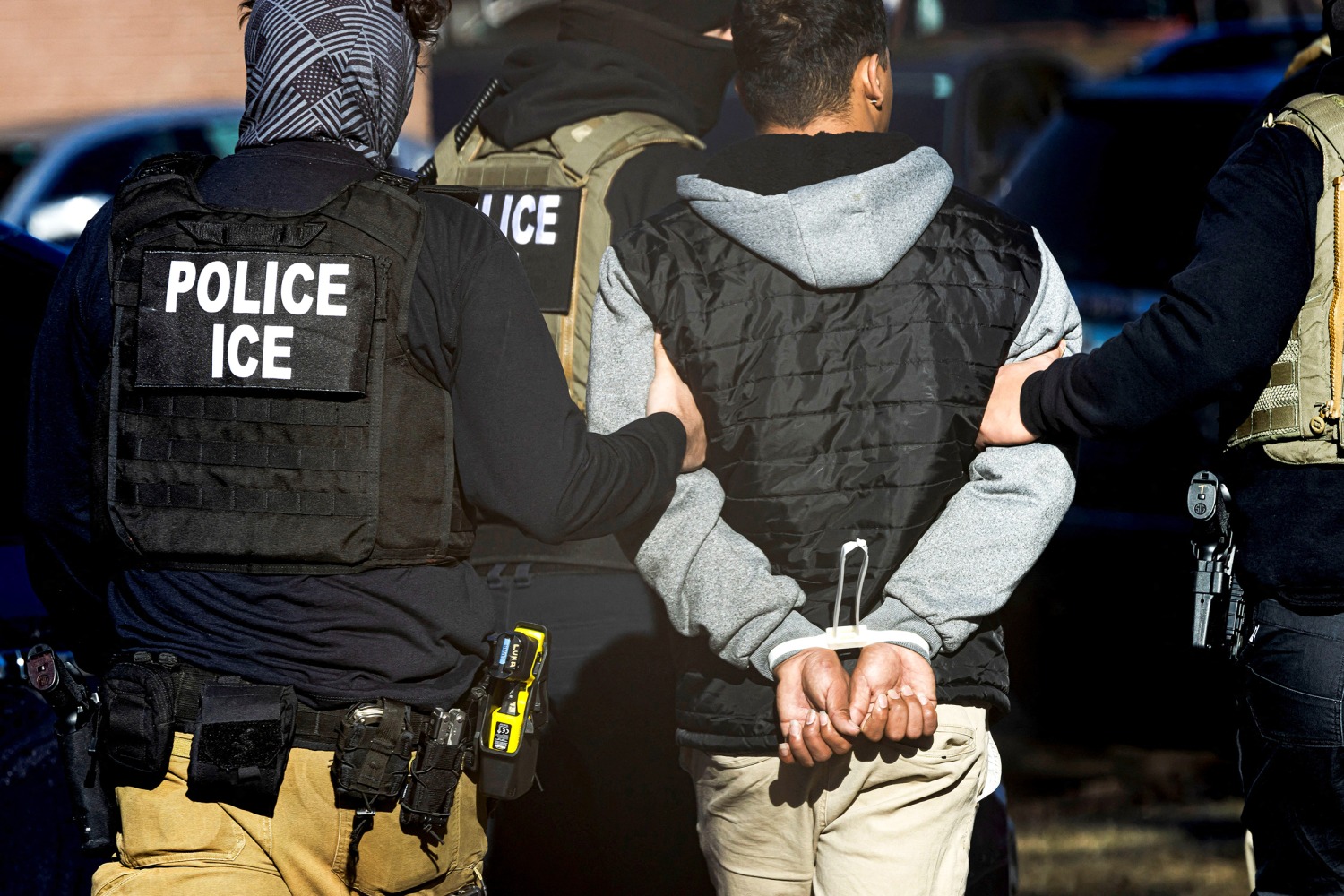
Imagine, for a moment, that the “ice raid” was an intended surprise for one household, but due to a miscommunication or a navigational error, it landed at the wrong address. This scenario, while potentially embarrassing for the organizers, could inadvertently create a charming local legend. Tourists who hear about the “wrong house ice raid” might be amused and intrigued, seeking out the location or the business responsible for the mix-up. This type of quirky, human-interest story can be incredibly powerful in marketing a destination, highlighting its authenticity and the unexpected delights that await visitors. It transforms a simple event into a memorable anecdote, one that travelers might share long after their visit.
Community Engagement and Local Charm
Conversely, if the “ice raid” was a planned community event, perhaps aimed at spreading cheer or promoting a local cause, its impact would be overwhelmingly positive. Such initiatives often garner positive local media attention and create a sense of warmth and community spirit. For tourists, this translates into a destination that feels welcoming and alive. It suggests a city that cares about its residents and actively seeks to create joyful experiences for everyone. This type of engagement can significantly enhance a visitor’s perception of a place, moving beyond the typical attractions to a more profound connection with the local culture.
The Power of a Viral Moment
In today’s digital age, even a seemingly small local incident can gain widespread traction through social media. If the “ice raid” was documented and shared online, it could reach a global audience, sparking curiosity about Oklahoma City and its unique occurrences. This organic, user-generated content can be a potent form of tourism marketing, often more authentic and persuasive than traditional advertising. Potential visitors might see videos or posts about the “ice raid” and be drawn to the city, eager to experience its unexpected charm firsthand.
The Psychology of “Raids” and Localized Experiences
The very concept of a “raid,” even in a lighthearted context, suggests an element of excitement and surprise. This psychological appeal is often leveraged by businesses seeking to create memorable customer experiences, especially within the tourism sector. The “ice raid” scenario, if it involved a deliberate act, taps into this desire for novelty and engagement.
Building Anticipation and Delight
For businesses in Oklahoma City aiming to attract and retain visitors, creating moments of unexpected delight is paramount. An “ice raid,” regardless of its target, has the potential to generate buzz and leave a lasting impression. Whether it’s a surprise delivery of ice cream to a neighborhood or a themed event that “raids” a public space with entertainment, these actions are designed to evoke emotions and create memories. The psychological impact of such an event lies in its ability to break from the mundane and introduce an element of playful disruption.
The “Fear of Missing Out” (FOMO) Factor
When news of such an event circulates, it can create a sense of “fear of missing out” among locals and potential tourists. People might begin to wonder what else is happening in Oklahoma City that they are unaware of. This curiosity can drive increased engagement with local events, businesses, and attractions. Tourists who are looking for unique experiences might actively seek out information about such occurrences, hoping to be a part of something memorable. This speculative element adds another layer to the city’s allure, suggesting a destination that is always buzzing with activity.

Crafting a Unique Local Narrative
Ultimately, incidents like the speculated “ice raid” contribute to Oklahoma City’s evolving narrative as a tourist destination. It moves beyond the typical descriptions of museums and parks to embrace the quirks and eccentricities that make a place truly special. A city that can generate such curious and engaging local stories is a city that resonates with travelers looking for more than just a checklist of sights. It suggests a destination with personality, where the unexpected is always a possibility, and where even a simple “ice raid” can become part of the local folklore.
LifeOutOfTheBox is a participant in the Amazon Services LLC Associates Program, an affiliate advertising program designed to provide a means for sites to earn advertising fees by advertising and linking to Amazon.com. Amazon, the Amazon logo, AmazonSupply, and the AmazonSupply logo are trademarks of Amazon.com, Inc. or its affiliates. As an Amazon Associate we earn affiliate commissions from qualifying purchases.