
The allure of deer hunting in California draws a dedicated following each year, promising an immersive experience in the state’s diverse and often stunning natural landscapes. Beyond the thrill of the chase, it’s an opportunity to connect with the wild, understand ecological rhythms, and perhaps bring home a sustainable source of food. For both seasoned hunters and newcomers eager to participate, knowing the precise timing of deer hunting seasons is paramount. California’s deer populations are managed by the California Department of Fish and Wildlife (CDFW), which sets regulations based on species, geographical zones, and the specific weapon used. Understanding these nuances is the first step toward planning a successful and compliant hunting trip.
Understanding California’s Deer Hunting Zones and Seasons
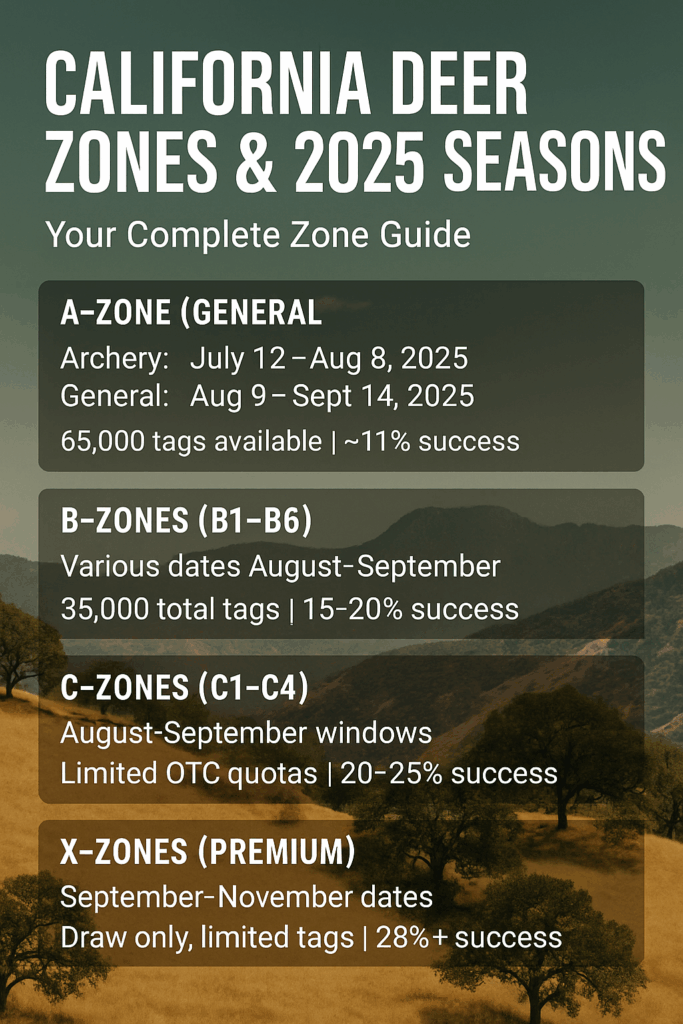
California is divided into numerous administrative zones, each with its own unique set of hunting regulations, including specific season dates. These zones are designed to manage deer populations effectively, taking into account varying habitat types, herd health, and local conservation needs. The CDFW designates these zones, often grouping them into larger management areas. Familiarity with these zones is critical, as a hunter in one area might be subject to different rules than someone just a few miles away in another zone.
Archery Season: The Early Bird Catches the Deer
Archery hunting typically kicks off the deer hunting year in California. This season is characterized by its emphasis on stealth, close-range engagement, and the use of bows and arrows. Archery hunters often have the opportunity to pursue deer earlier than firearm hunters, providing an extended hunting period. The dates for archery season can vary significantly by zone. For instance, the X1-X6a zones, which encompass much of the Sierra Nevada, generally open for archery in August. Other zones, like the A, B, and C zones, often have archery seasons that begin in late July or early August as well. The advantage of archery season lies not only in its early start but also in the generally quieter wilderness experience it offers. Hunters often find themselves in more remote areas, enjoying the natural ambiance before the influx of later seasons. It’s a season that demands patience, a deep understanding of deer behavior, and a high degree of skill in stalking and marksmanship. The regulations for archery typically involve specific requirements for arrow length, broadhead types, and bow draw weight, ensuring a focus on humane and effective harvesting.
General Firearm Season: The Main Event
The general firearm season is arguably the most anticipated period for many deer hunters. This season allows for the use of rifles and shotguns, often leading to a higher number of hunters in the field. The dates for the general firearm season are meticulously set by the CDFW to coincide with optimal conditions for harvesting and herd management.
Early Firearm Seasons
In many of California’s popular hunting zones, early firearm seasons begin in September. For example, the A, B, and C zones, covering vast agricultural and foothill regions, often open their general firearm seasons in early to mid-September. These early dates coincide with periods when deer may be more active and visible, especially in the cooler morning and evening hours. Hunters in these regions might find themselves navigating oak woodlands, chaparral, and rolling grasslands. The success during this period often depends on understanding deer movement patterns as they transition from summer ranges to areas with more readily available food sources as vegetation begins to change.
Late Firearm Seasons
Later firearm seasons typically extend into October and sometimes even into early November, depending on the specific zone. Zones like the X1-X6a, which are higher in elevation and often snow-covered later in the year, may have firearm seasons that run through October. These later seasons can offer a different hunting experience, with cooler temperatures and deer potentially congregating in areas with accessible forage. Hunters in these zones might be navigating mountainous terrain, dense forests, and open alpine meadows. The challenge of late-season hunting often involves adapting to changing weather conditions and locating deer that may have become more wary due to earlier hunting pressure. The CDFW carefully balances these season dates to ensure that deer populations can reproduce and thrive, while still providing ample opportunities for hunters.
Special Hunts and Tag Opportunities
Beyond the general seasons, California offers a variety of special hunts and tag opportunities that cater to specific interests and provide unique hunting experiences. These often involve limited entry, requiring hunters to apply for specific permits.
Premium Hunts
Premium hunts are highly sought-after opportunities that often involve specific weapon types (like archery or muzzleloader) and target particular species or management units. These hunts are typically drawn through a lottery system, with applications opening in the spring. Success in securing a premium hunt tag can mean access to areas with exceptional trophy potential or areas with specific management goals. The CDFW uses these hunts as a tool to manage specific herds and gather valuable data.
Junior Hunts
Recognizing the importance of fostering the next generation of hunters, California designates special junior hunting seasons and opportunities. These events are designed to provide a safe and educational environment for young hunters under the guidance of experienced adults. Junior hunters often have extended season dates or access to specific areas that are managed to reduce pressure and increase their chances of success. These hunts are crucial for passing on hunting traditions and promoting responsible stewardship of wildlife resources.
Muzzleloader Seasons
For those who appreciate the historical and challenging aspect of muzzleloader hunting, California offers specific muzzleloader seasons. These typically occur after the general firearm seasons have concluded, providing another opportunity for hunters to engage with deer using traditional firearms. Muzzleloader hunting requires a distinct set of skills, emphasizing accuracy at closer ranges and a thorough understanding of the firearm’s capabilities and limitations. The regulations for muzzleloaders are strict, defining acceptable calibers, ignition systems, and projectile types to ensure fair chase and effective harvesting. These seasons often take place in zones that have seen general firearm pressure, meaning hunters may need to employ more advanced stalking techniques to locate their quarry.
Planning Your California Deer Hunt
A successful deer hunt in California requires meticulous planning, from understanding the regulations to preparing for the physical demands of the hunt.
Obtaining Licenses and Tags
The first and most crucial step for any hunter is to secure the necessary licenses and tags. Hunters must purchase a hunting license, which is valid for a specific season. In addition to the general hunting license, specific tags are required for deer. These tags are zone-specific and often correspond to the type of deer (buck or either-sex) and the weapon being used. The CDFW operates a tag application system, with deadlines that must be strictly adhered to. It’s important to research which tag is appropriate for your desired hunting zone and season.
Understanding Regulations and Bag Limits
California’s hunting regulations are comprehensive and designed to ensure the sustainability of wildlife populations. Hunters are responsible for knowing and adhering to these rules, which include specific bag limits (the number of deer you can harvest), legal shooting hours, restrictions on weapon types, and tagging requirements. The CDFW publishes an annual “Big Game Hunting Digest” which is the definitive guide for all regulations. Failure to comply with these regulations can result in significant fines, loss of hunting privileges, and confiscation of equipment.
Choosing Your Hunting Location
With over 150,000 square miles of diverse terrain, California offers a vast array of hunting opportunities. From the rugged mountains of the Sierra Nevada to the rolling hills of the coast range and the high desert regions, each area presents unique challenges and rewards. Researching specific wildlife management areas, national forests, or Bureau of Land Management (BLM) lands within your chosen zone is essential. Consider factors such as accessibility, terrain difficulty, known deer populations, and the type of hunting experience you seek. Public lands offer extensive opportunities, but understanding access points and any specific access restrictions is vital. Private land hunting is also an option, though it typically requires leasing or obtaining permission from landowners.
Gear and Preparation
Effective preparation is key to a safe and successful hunt. Essential gear includes appropriate clothing for variable weather conditions, sturdy hiking boots, navigation tools (map, compass, GPS device), a reliable firearm or archery equipment, ammunition or arrows, a hunting knife, a first-aid kit, and plenty of water and food. Hunters should also consider a field dressing kit and a method for transporting harvested game. Physical conditioning is also a critical component; many hunting areas involve steep inclines and long hikes. Practicing with your chosen weapon is paramount to ensure accuracy and a humane harvest. Understanding the basics of tracking, field dressing, and meat care will enhance your overall experience and ensure that you can properly handle your harvest.
LifeOutOfTheBox is a participant in the Amazon Services LLC Associates Program, an affiliate advertising program designed to provide a means for sites to earn advertising fees by advertising and linking to Amazon.com. Amazon, the Amazon logo, AmazonSupply, and the AmazonSupply logo are trademarks of Amazon.com, Inc. or its affiliates. As an Amazon Associate we earn affiliate commissions from qualifying purchases.