
Southern California’s climate is renowned for its mild winters and sunny summers, offering a long growing season that is ideal for cultivating a wide variety of produce. Among the most beloved garden staples, the tomato thrives in this region, promising abundant harvests of juicy, flavorful fruits. However, understanding the nuances of when to plant tomatoes in Southern California is crucial for success. This guide delves into the optimal timing, considering microclimates, frost risks, and the specific needs of different tomato varieties.
Understanding Southern California’s Climate Zones for Tomato Planting
Southern California is not a monolithic growing environment. The region encompasses diverse microclimates, from the coastal plains to the inland valleys and the higher desert elevations. Each of these zones presents unique challenges and opportunities for tomato cultivation.

Coastal Influence: The Advantage of Proximity to the Pacific
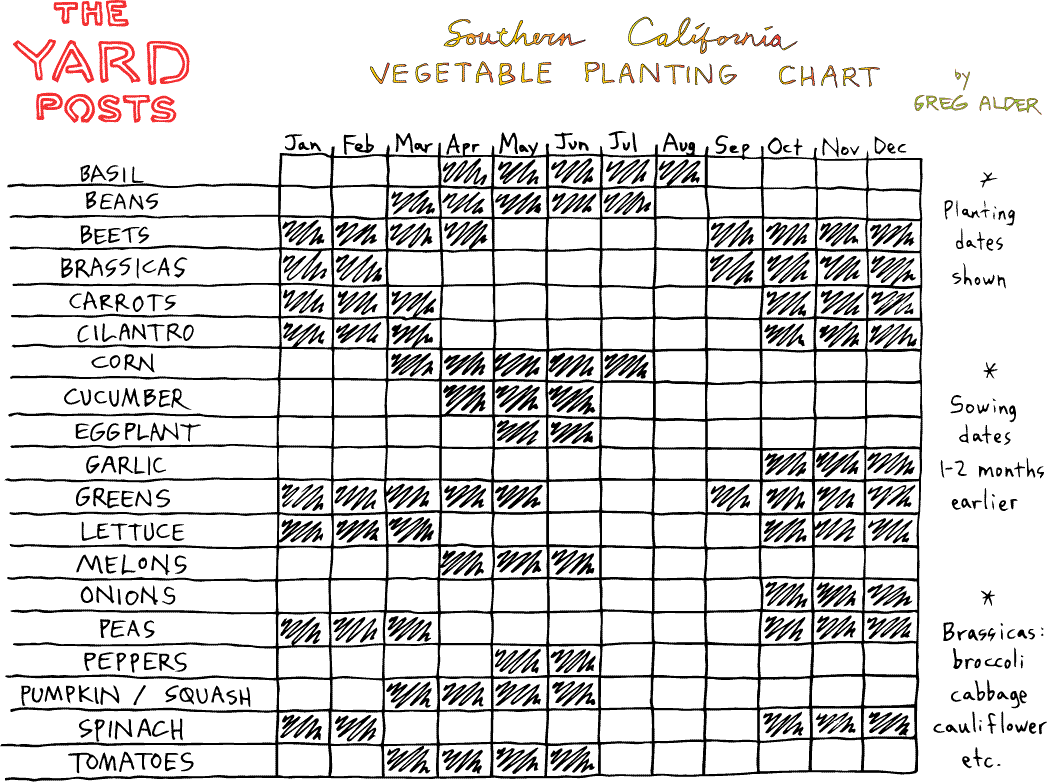
Areas directly influenced by the Pacific Ocean generally experience warmer winters and cooler summers compared to inland regions. This oceanic buffer significantly extends the tomato growing season. Coastal communities such as Santa Monica, San Diego, and parts of Orange County can often plant tomatoes earlier in the spring and continue harvesting well into the fall. The risk of a late spring frost is minimal, allowing gardeners to transplant their seedlings into the ground as early as February or March. The cooler summer temperatures along the coast can also prevent blossom end rot and stress in tomato plants that might occur in hotter inland areas.
Inland Valleys: Embracing the Heat
The inland valleys, including areas around Los Angeles, the San Fernando Valley, and the Inland Empire, experience a more pronounced diurnal temperature swing. Winters are cooler, and summers are significantly hotter. This means that while the growing season is still long, the timing of planting needs careful consideration to avoid extreme heat stress during fruit development.
For inland gardeners, transplanting tomato seedlings into the ground is typically best delayed until the danger of the last frost has definitively passed. This usually falls between March and April. The intense summer heat can be challenging for young plants, so providing some afternoon shade during the hottest months of July and August might be necessary for optimal growth and fruit production. Conversely, the prolonged warmth can lead to earlier ripening of fruit for those who manage the heat.
High Desert and Mountainous Regions: A Shorter, More Challenging Season
Areas at higher elevations or further from the coast, such as parts of the High Desert (e.g., Victorville, Lancaster) or mountainous communities, face a more restricted growing window. These areas are more susceptible to late spring frosts and early fall freezes.
For these regions, patience is key. It is generally recommended to wait until April or even early May to transplant tomato seedlings outdoors. Even then, gardeners must remain vigilant for unexpected cold snaps, and it may be wise to have frost protection materials, such as row covers, readily available. The growing season is shorter, so choosing early-maturing tomato varieties can maximize the harvest before the cooler weather sets in.
Key Factors Influencing Tomato Planting Dates
Beyond the general climate zones, several specific factors play a significant role in determining the precise window for planting tomatoes in Southern California.
Frost Dates: The Ultimate Determinant of Safety
The most critical factor is the risk of frost. Tomatoes are warm-season plants and are highly sensitive to cold. Even a light frost can damage or kill young seedlings. Local frost dates are the primary guide. While many coastal areas rarely experience a frost after February, inland and higher elevations may have a frost risk extending into March or even early April. Consulting local agricultural extension offices or reputable gardening resources for specific frost data in your immediate area is highly recommended. For most of Southern California, the period from late February (coastal) to early May (inland/higher elevations) represents the transplanting window, but always verify with local frost-free dates.
Soil Temperature: A Measure of Readiness
While air temperature is important, soil temperature is equally, if not more, critical for root development. Tomato seeds and seedlings will not thrive if planted in cold soil. Ideally, the soil temperature should consistently be at least 60°F (15.5°C) for transplanting seedlings. This usually occurs a few weeks after the last expected frost date. Gardeners can check soil temperature with a simple thermometer. For those eager to get a head start, using techniques like raised beds or black plastic mulch can help warm the soil more quickly.
Moonlight and Seasonal Rhythms (Traditional Wisdom)
While scientific data points to temperature as the primary driver, many traditional gardeners in Southern California adhere to planting by the moon and the general seasonal flow. The belief is that planting during the waxing moon phase, leading up to the full moon, can encourage stronger growth. While not scientifically proven, observing the natural rhythms of the season and considering these traditional practices can add a layer of connection to the gardening process. The general wisdom is to plant after the major spring rains have passed and the soil has begun to warm noticeably.
Choosing the Right Tomato Varieties for Southern California
The vast array of tomato varieties available means that selecting the right ones for your specific location and planting time can greatly influence your success.
Early-Season Varieties: Beating the Heat
For inland areas prone to intense summer heat, or for gardeners who want the earliest possible harvest, opting for early-maturing varieties is a wise strategy. These tomatoes typically produce ripe fruit within 50-70 days of transplanting. Examples include:
- Early Girl: A reliable hybrid known for its consistent production of medium-sized red fruits.
- Moskvich: An heirloom variety that tolerates cooler conditions well and produces good yields.
- Sub Arctic Plenty: Bred for shorter, cooler seasons, making it a good choice for areas with marginal heat.
Mid-Season and Long-Season Varieties: Maximizing the Harvest
For coastal regions with longer, milder growing seasons, or for inland gardeners who can provide afternoon shade, mid-season (70-85 days) and long-season (85+ days) varieties offer a chance for larger fruits and a more extended harvest. These include many classic heirlooms and popular hybrids.
- Beefsteak Types: Such as Brandywine or Cherokee Purple, which require a longer, warmer season to develop their full flavor and size.
- Roma/Paste Tomatoes: Like San Marzano, which are prolific producers and do well in warm conditions.
- Cherry Tomatoes: Such as Sungold or Sweet 100, which are often very productive and can tolerate a wide range of conditions, providing a continuous harvest.
Heat-Tolerant Varieties: Enduring the Inland Sun
In the scorching inland summers, some varieties are naturally more resilient to heat stress. Look for descriptors like “heat tolerant” or “drought tolerant.”
- Solar Fire: A hybrid series specifically bred for heat tolerance.
- Celebrity: A widely adaptable, disease-resistant determinate variety that performs well in various climates.
- Homestead: A classic variety known for its ability to withstand heat and produce well.
Prepping for Success: From Seedling to Garden Bed
Regardless of the exact planting date, proper preparation ensures your tomato plants get off to a robust start in the Southern California soil.
Starting Seeds Indoors: Gaining an Edge
For many gardeners, starting tomato seeds indoors 6-8 weeks before the last expected frost date is a common practice. This allows for stronger, more developed seedlings by the time they are ready to be transplanted outdoors. Use a quality seed-starting mix and provide ample light (preferably from grow lights) and warmth. Harden off your seedlings gradually for a week or two before transplanting by exposing them to outdoor conditions for increasing periods each day.
Soil Preparation: The Foundation of a Healthy Plant
Tomatoes are heavy feeders and require well-draining, nutrient-rich soil. Amend your garden beds with generous amounts of compost and aged manure. A soil pH between 6.0 and 6.8 is ideal. If planting in containers, use a high-quality potting mix designed for vegetables. Ensure containers have adequate drainage holes, especially important in Southern California’s often dry but sometimes intensely rainy periods.
Transplanting Techniques: Giving Them the Best Start
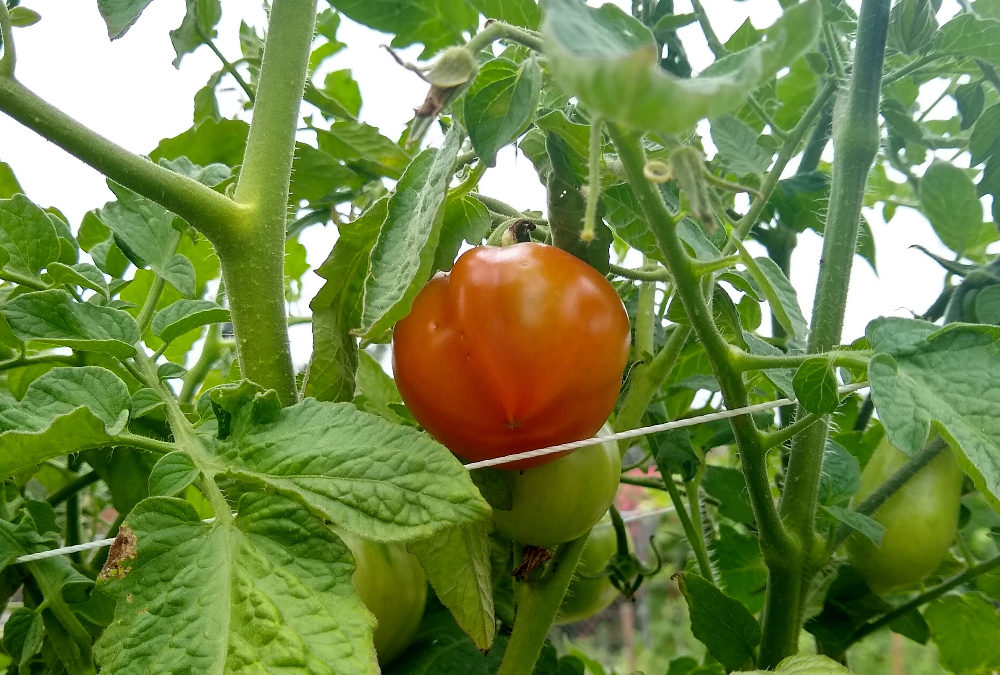
When transplanting seedlings, dig a hole deep enough to bury a significant portion of the stem. Tomatoes have the ability to grow roots along their buried stems, which results in a stronger root system and a more resilient plant. Remove the lower leaves before burying. Space plants according to their mature size, typically 2-3 feet apart, to ensure good air circulation and prevent disease. Water thoroughly after transplanting.
By carefully considering the microclimate, understanding frost dates, and selecting appropriate varieties, gardeners in Southern California can enjoy a bountiful and delicious tomato harvest throughout the long, sunny growing season. Whether you’re in the cool coastal breezes of Malibu or the warmer inland expanses near Pasadena, timing your tomato planting is the first step toward garden glory.
LifeOutOfTheBox is a participant in the Amazon Services LLC Associates Program, an affiliate advertising program designed to provide a means for sites to earn advertising fees by advertising and linking to Amazon.com. Amazon, the Amazon logo, AmazonSupply, and the AmazonSupply logo are trademarks of Amazon.com, Inc. or its affiliates. As an Amazon Associate we earn affiliate commissions from qualifying purchases.