
Navigating the legalities surrounding marriage, especially when planning a destination wedding or elopement, can often feel like deciphering a complex map. For many couples, the allure of a Texas wedding—whether it’s a romantic rendezvous in a historic San Antonio courtyard, a rustic celebration in the Texas Hill Country, or a chic urban affair in Dallas—is undeniable. However, understanding the validity period of a marriage license is a crucial step that requires clarity. This guide delves into the specifics of how long a Texas marriage license is valid, ensuring your matrimonial journey in the Lone Star State proceeds smoothly and without unexpected bureaucratic hurdles.

The Clock Starts Ticking: Issuance and Expiration in Texas
In Texas, once a marriage license is issued, it enters a grace period before it can be used for the wedding ceremony. This period, known as the “waiting period,” is a mandated 72 hours from the time the license is issued. This means a couple cannot legally marry for three full days after obtaining their license. While this waiting period is a standard feature, the critical question for couples planning their nuptials is the ultimate expiration date of the license itself.
Understanding the Validity Period
A Texas marriage license is valid for 90 days from the date it is issued. This 90-day window is the period during which the marriage ceremony must take place and the license must be returned to the county clerk’s office for recording. It’s imperative for couples to be acutely aware of this timeframe. Exceeding this limit means the license becomes void, and the couple will need to apply for and purchase a new license, incurring additional fees and potentially delaying their wedding plans.
The Importance of the Issuance Date
The issuance date, typically stamped on the license by the county clerk, serves as the official starting point for the 90-day validity. Couples should carefully note this date upon receiving their license. Many county clerk offices in Texas provide a clear indication of the expiration date directly on the license itself, simplifying the tracking process. However, it is always prudent for couples to maintain their own records, perhaps by setting a calendar reminder or marking it clearly on a personal copy. This proactive approach helps prevent last-minute scrambles or the disheartening realization that their license has expired just before their planned ceremony.
Planning Your Texas Wedding: Timing is Everything
The 90-day validity period has significant implications for wedding planning, especially for those organizing destination weddings or those who prefer a more relaxed approach to wedding preparations.
Destination Weddings and Elopements
For couples choosing Texas as their wedding destination, whether for an intimate elopement on the Gulf Coast or a grand celebration in a Houston ballroom, the 90-day validity is a key logistical consideration. It’s generally advisable to obtain the marriage license as close to the wedding date as possible, but not so close that the 72-hour waiting period or potential unforeseen delays could jeopardize the ceremony.
For example, if you plan to marry on a Saturday, you would ideally want to obtain your license on the preceding Tuesday or Wednesday to account for the waiting period and have ample time. Couples traveling from out of state or out of the country will need to factor in travel time to Texas to obtain the license. Some counties may allow one party to obtain the license if the other is unable to be present, provided the absent party provides a sworn affidavit. However, this is not a universal rule and varies by county. It is essential to check the specific requirements of the county clerk’s office where you intend to apply.
Elopements in Iconic Texas Locales
The allure of eloping in Texas is multifaceted. Perhaps it’s the vast, open landscapes, the historic charm of towns like Galveston, or the vibrant energy of cities like Austin. Regardless of the chosen backdrop, the 90-day validity of the marriage license remains a constant. For spontaneous elopements, couples might find themselves obtaining the license just a few days before their ceremony, which is perfectly permissible as long as the 72-hour wait is observed and the wedding occurs within the 90-day window.
However, for those planning a slightly more elaborate elopement, perhaps involving a photographer, an officiant, and a special location, careful planning is still paramount. Securing these elements in advance is wise, and ensuring the marriage license is valid for the chosen date is a non-negotiable step.
Beyond the Validity Period: Renewal and Reapplication
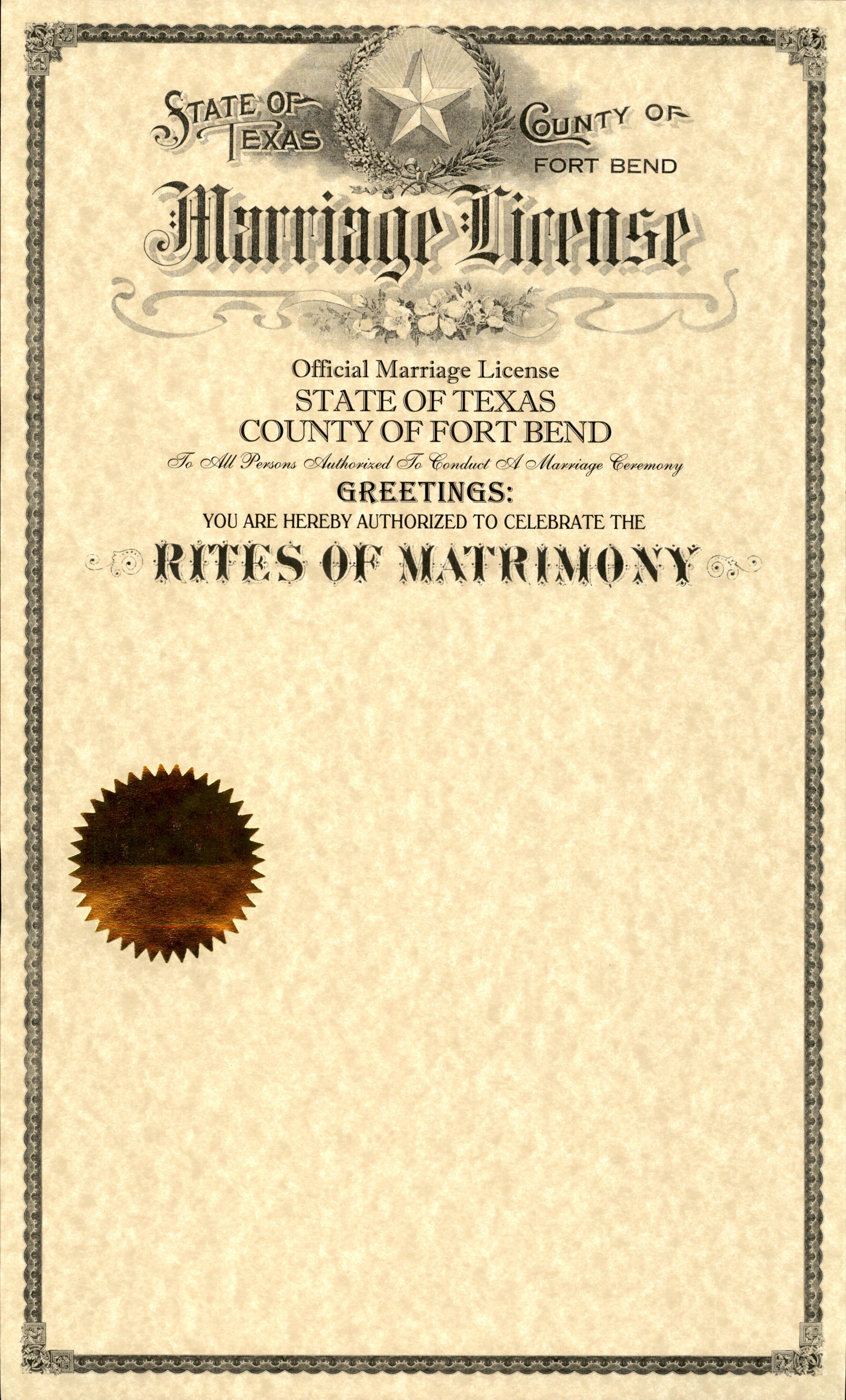
What happens if, despite best efforts, a couple finds themselves with an expired marriage license? The good news is that there isn’t a “renewal” process in the traditional sense for a Texas marriage license. Instead, the process requires reapplication.
Reapplying for a New License
If the 90-day validity period expires before the marriage ceremony takes place, the couple must return to the county clerk’s office to apply for a new marriage license. This involves completing the application process again, paying the required fees, and adhering to all the initial requirements, including presenting valid identification and any necessary proof of age or divorce.
It’s important to understand that the previous license cannot be extended or reinstated. The new application effectively starts the clock over, including the 72-hour waiting period and the new 90-day validity period. This underscores the importance of meticulous planning and understanding the deadlines associated with obtaining and using a marriage license in Texas.
Potential Implications of Delays
While the 90-day period is generally sufficient for most wedding plans, unforeseen circumstances can arise. Medical emergencies, sudden financial constraints, or unexpected venue issues could necessitate a postponement. In such scenarios, if the postponement pushes the wedding date beyond the expiration of the marriage license, reapplication becomes a necessity.
For couples planning complex or destination weddings, it might be prudent to consider the possibility of needing to reapply and build that into their budget and timeline. While it’s an added expense and logistical step, it ensures that the legal foundation for their marriage remains sound. The Texas judicial system, like any other, values adherence to its legal frameworks, and a valid marriage license is the cornerstone of a lawful union.
Essential Documentation and Requirements
Beyond understanding the validity period, couples embarking on the marriage license application process in Texas must be aware of the required documentation and other stipulations.
Identification and Age Requirements
Applicants must be at least 18 years of age to obtain a marriage license without parental consent or a court order. If an applicant is 16 or 17 years of age, they must present a court order granting permission to marry. Those under 16 cannot marry in Texas. Valid forms of identification typically include a driver’s license, state-issued ID card, passport, or military ID. Proof of age is usually established through the identification presented.
Proof of Divorce or Death of Previous Spouse
If either applicant has been previously married, they must provide proof that the previous marriage has been legally terminated. This can be done by presenting a certified copy of the final divorce decree or a death certificate of the former spouse. The specific requirements for this documentation can vary slightly by county, so it is always wise to confirm with the local county clerk’s office in advance.
The Application Process
The application process itself is generally straightforward. Both applicants must appear in person at the county clerk’s office. They will be asked to complete an application form, swear to the truthfulness of the information provided, and present their identification and any required divorce decrees or death certificates. Once approved, the license is issued, and the 72-hour waiting period begins, followed by the 90-day validity period.
Conclusion: A Foundation for Your Texas Nuptials
The 90-day validity period of a Texas marriage license is a critical detail for any couple planning to tie the knot in the Lone Star State. From the initial issuance to the final ceremony and recording, understanding this timeframe ensures a seamless legal transition into marriage. Whether you dream of a romantic wedding in Austin, an adventurous elopement in Big Bend National Park, or a family gathering in Dallas, mindful planning around the marriage license’s expiration date is paramount. By familiarizing yourself with the requirements, deadlines, and potential need for reapplication, you can lay a strong legal foundation for your enduring union, allowing you to focus on the joy and celebration of your wedding day. Remember, a valid marriage license is not just a piece of paper; it’s the official commencement of your legally recognized partnership.
LifeOutOfTheBox is a participant in the Amazon Services LLC Associates Program, an affiliate advertising program designed to provide a means for sites to earn advertising fees by advertising and linking to Amazon.com. Amazon, the Amazon logo, AmazonSupply, and the AmazonSupply logo are trademarks of Amazon.com, Inc. or its affiliates. As an Amazon Associate we earn affiliate commissions from qualifying purchases.