
Navigating the world of academic and journalistic writing often involves incorporating visual elements, such as photographs and illustrations, to enhance understanding and engagement. When these visuals are not original creations, proper attribution is paramount. This is especially true when adhering to specific citation styles, such as the Chicago Manual of Style. The Chicago Manual of Style offers detailed guidelines for citing various sources, and this includes visual media. Understanding how to correctly cite pictures in Chicago style is crucial for maintaining academic integrity, respecting intellectual property rights, and allowing your readers to locate the original sources of the images you use.

Understanding the Nuances of Image Citation
Before diving into the specific formats, it’s important to recognize that the Chicago Manual of Style provides two primary systems for citation: the Notes and Bibliography system and the Author-Date system. While the fundamental principles of attribution remain consistent, the placement and structure of citations will vary slightly between these two approaches. For visual works, the goal is to provide enough information for a reader to identify the creator, the title or description of the work, its date, and its source. This ensures transparency and acknowledges the original artist or photographer’s contribution.
Identifying Key Information for Citation
Regardless of the Chicago style system employed, several pieces of information are essential for citing a picture effectively. These typically include:
- Creator/Artist/Photographer: The name of the individual or entity responsible for creating the image.
- Title of the Work: If the image has a specific title, this should be included. If not, a descriptive phrase will suffice.
- Date of Creation: The year or period when the image was created.
- Medium/Format: While not always explicitly required, mentioning the type of image (e.g., photograph, illustration, painting) can be helpful.
- Source/Publication Information: Where the image was found (e.g., a book, a website, a museum collection).
- Access Information (if applicable): For online sources, this might include a URL and the date of access.
- Copyright Holder (if different from the creator): Sometimes, the rights to an image are held by an entity other than the creator.
Citing Images in the Notes and Bibliography System
The Notes and Bibliography system is commonly used in humanities disciplines and relies on footnotes or endnotes for in-text citations, with a comprehensive bibliography at the end of the work.
Footnotes and Endnotes for Images
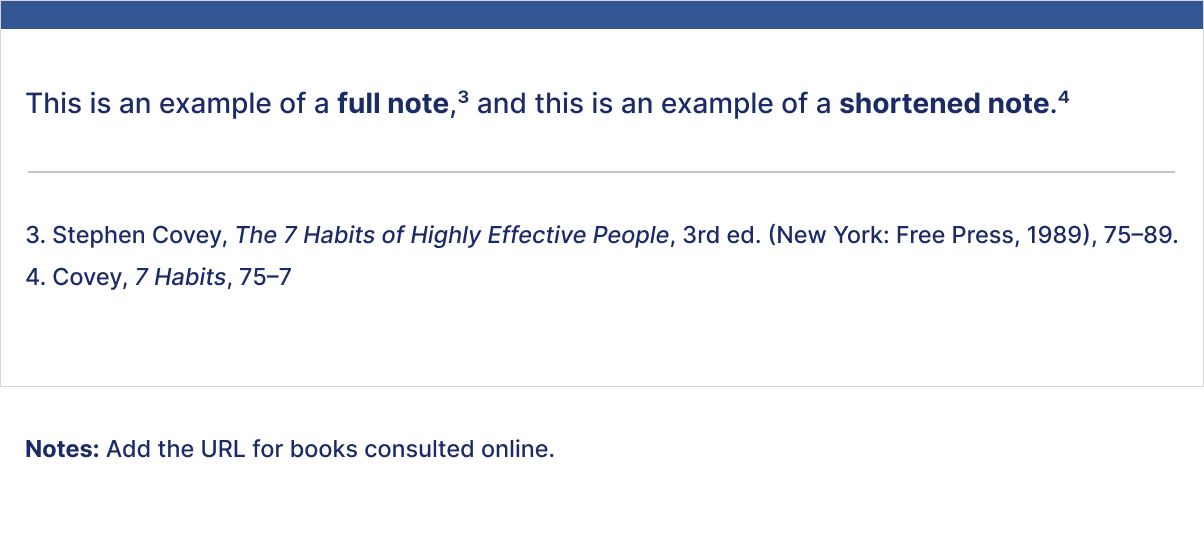
When an image is first introduced in the text, a footnote or endnote is typically used. Subsequent references to the same image can then be shortened. The general format for an image footnote in the Chicago Manual of Style aims to provide a clear identification.
For a photograph from a book:
1. John Smith, "Sunrise over the [Grand Canyon](https://lifeoutofthebox.com/grand-canyon)," photograph, 2022, in *Adventures in the American West* (New York: Wanderlust Press, 2023), plate 15.
- John Smith: The photographer’s name.
- “Sunrise over the Grand Canyon”: The title of the photograph, or a descriptive phrase if no title exists.
- photograph: The medium.
- 2022: The date of creation.
- Adventures in the American West: The title of the book where the photograph appears.
- New York: Wanderlust Press, 2023: Publication information for the book.
- plate 15: Specific location within the book, if applicable.
For an image found online:
2. Maria Garcia, "Street Art in [Berlin](https://lifeoutofthebox.com/berlin)," photograph, July 15, 2021, [Flickr](https://lifeoutofthebox.com/flickr), https://www.flickr.com/photos/mariagarcia/123456789.
- Maria Garcia: The photographer’s name.
- “Street Art in Berlin”: A descriptive title.
- photograph: The medium.
- July 15, 2021: The date of creation.
- Flickr: The website where the image was found.
- https://www.flickr.com/photos/mariagarcia/123456789: The direct URL to the image.
Bibliography Entries for Images
The bibliography entry provides a more complete record of the source. It typically follows a slightly different order and includes all necessary details for identification.
For a photograph from a book:
Smith, John. "Sunrise over the Grand Canyon." Photograph, 2022. In *Adventures in the American West*, 15. New York: Wanderlust Press, 2023.
Notice the order change for the creator and the placement of the descriptive elements.
For an image found online:
Garcia, Maria. "Street Art in Berlin." Photograph, July 15, 2021. Flickr. https://www.flickr.com/photos/mariagarcia/123456789.
Special Cases:
- Museum Collections: If citing a work from a museum collection, include the museum name and accession number.
- Note: “The Starry Night,” by Vincent van Gogh, 1889, oil on canvas, Museum of Modern Art, New York, accession no. 472.1941.
- Bibliography: Van Gogh, Vincent. “The Starry Night.” 1889. Oil on canvas. Museum of Modern Art, New York, accession no. 472.1941.
- Images in Presentations or Lectures: If the image was part of a presentation or lecture, cite it as such, including the presenter’s name, the lecture title, and the date and location of the presentation.
Citing Images in the Author-Date System
The Author-Date system, prevalent in social sciences and natural sciences, uses in-text parenthetical citations and a reference list at the end.
In-Text Citations for Images
In the Author-Date system, the in-text citation typically includes the author’s last name and the year of publication.
For a photograph from a book:
(Smith 2022)
If the image is accompanied by a caption that includes sufficient information, the in-text citation might refer to the caption number or page.
For an image found online:
(Garcia 2021)
It’s crucial to place the parenthetical citation immediately after the image or after the sentence in which it is discussed.

Reference List Entries for Images
The reference list includes all sources cited in the text, alphabetized by the author’s last name.
For a photograph from a book:
Smith, John. 2022. "Sunrise over the Grand Canyon." Photograph. In *Adventures in the American West*, 15. New York: Wanderlust Press.
- Year: The year of publication is placed immediately after the author’s name.
- Title: The title of the work and descriptive information follow.
For an image found online:
Garcia, Maria. 2021. "Street Art in Berlin." Photograph. July 15. Flickr. https://www.flickr.com/photos/mariagarcia/123456789.
The date of access for online materials is usually not required in the Author-Date system, but the publication date of the content itself is.
Considerations for Different Image Types:
- Illustrations and Diagrams: Treat these similarly to photographs, citing the creator and source. If the illustration is from a textbook explaining a concept, the citation might be linked directly to that explanation.
- Artworks: For reproductions of artworks, cite the artist, the title of the artwork, the date of creation, the medium, and the source of the reproduction (e.g., the museum or book).
- Copyright and Permissions: Always be mindful of copyright. Even with proper citation, you may need to secure permission to use an image, especially for commercial purposes. The Chicago Manual of Style focuses on attribution, but legal considerations are separate.
- Attribution within the Image: Some images, especially those licensed under Creative Commons or available from stock photo sites, may have specific attribution requirements. Always check the terms of use.
By diligently applying these guidelines, you can ensure that your use of visual materials is both ethical and compliant with the rigorous standards of the Chicago Manual of Style. This practice not only protects you from accusations of plagiarism but also enriches your work by providing readers with the context and origins of the images you have chosen to share. Whether you are writing a scholarly paper, a magazine article, or a blog post for a travel website, accurate image citation is a hallmark of professional and credible content.
LifeOutOfTheBox is a participant in the Amazon Services LLC Associates Program, an affiliate advertising program designed to provide a means for sites to earn advertising fees by advertising and linking to Amazon.com. Amazon, the Amazon logo, AmazonSupply, and the AmazonSupply logo are trademarks of Amazon.com, Inc. or its affiliates. As an Amazon Associate we earn affiliate commissions from qualifying purchases.