
California, a state synonymous with sunshine, golden beaches, and year-round outdoor activities, often sparks a question for those planning a visit or even for its residents looking for seasonal shifts: “When will it get cold in California?” While the Golden State rarely experiences the biting chill of a harsh winter found elsewhere, its diverse geography creates a fascinating spectrum of temperatures and weather patterns. Understanding these nuances is key to planning the perfect trip, whether you’re seeking crisp mountain air, comfortable desert evenings, or a mild respite from summer heat. This exploration delves into the seasonal changes across California, offering insights into when the cooler temperatures truly make their presence felt, and how they vary from the iconic coast to the rugged interior.
Understanding California’s Diverse Climates
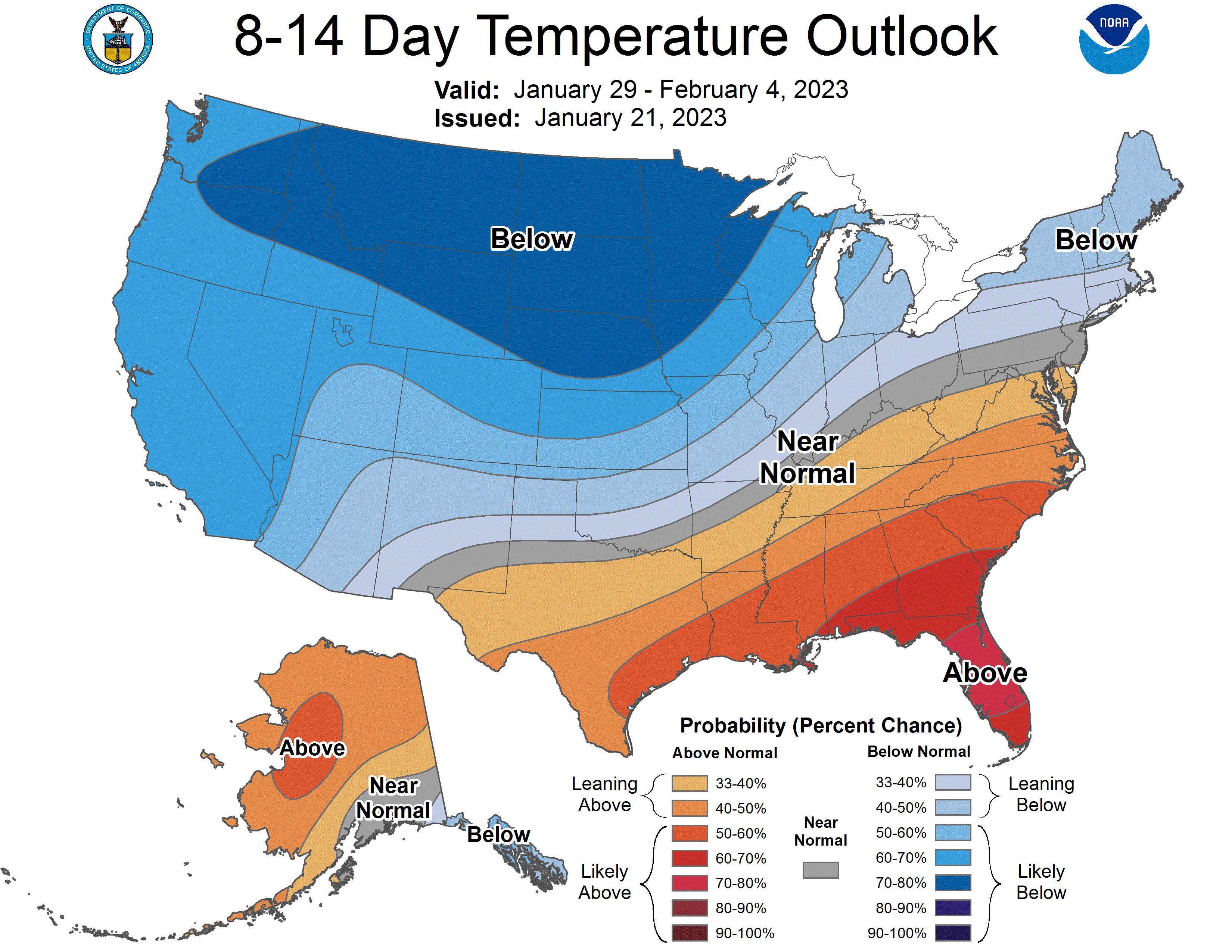
California’s sheer size and varied topography are the primary drivers behind its diverse climatic zones. From the Pacific Ocean’s moderating influence along the coast to the arid expanses of the interior deserts and the towering peaks of the Sierra Nevada, each region experiences its own unique temperature fluctuations throughout the year.
Coastal Breezes and Winter Whispers
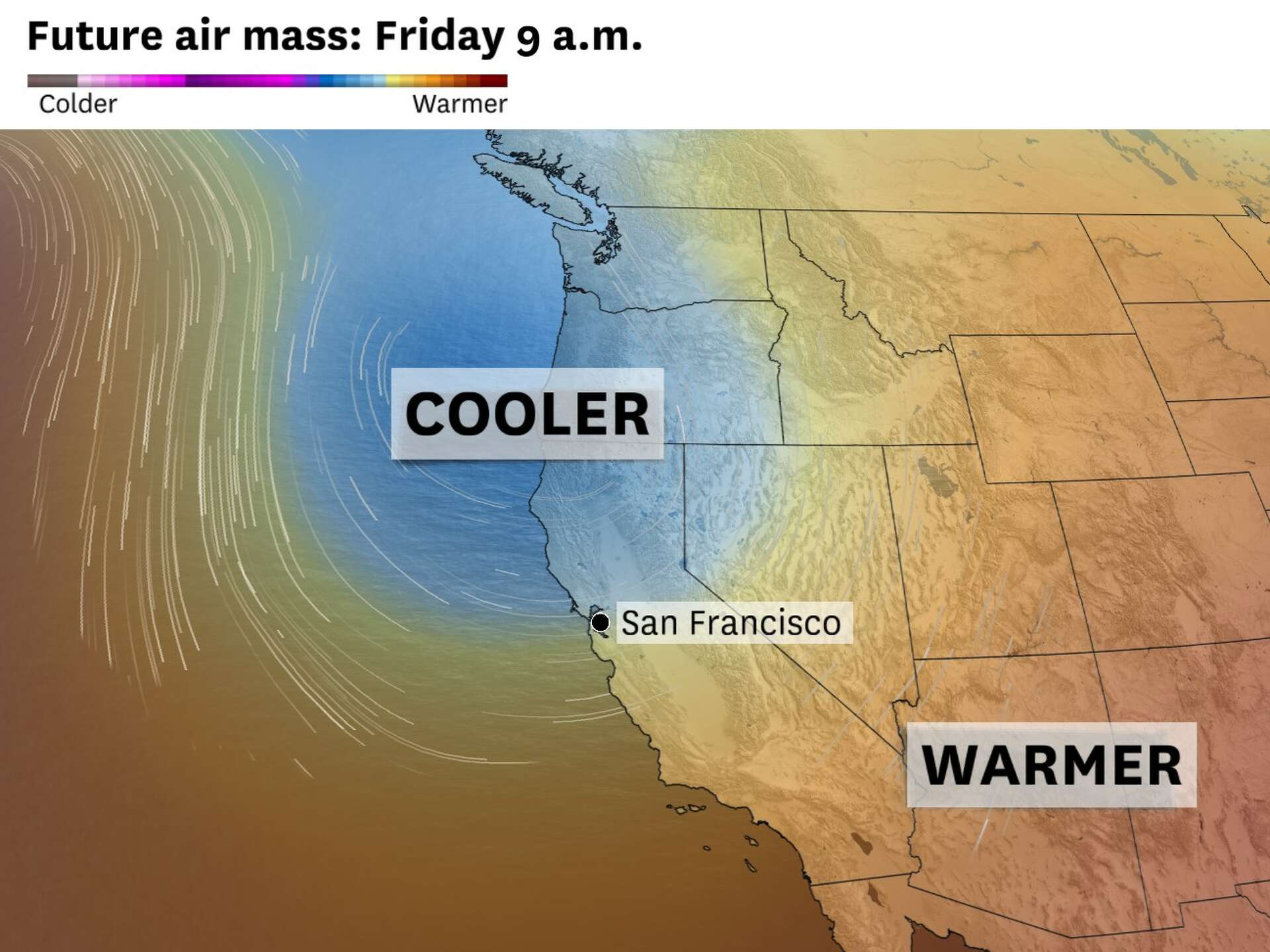
Along the California Coast, the influence of the Pacific Ocean is paramount. Winters here are generally mild, with temperatures rarely dipping below freezing. Instead of snow, the coast experiences its “cooler” season from approximately November through March. This period is characterized by increased rainfall, particularly in Northern California, and cooler daytime highs that might hover in the 50s and 60s Fahrenheit (10-15°C). Evenings can feel considerably cooler, often necessitating a light jacket or sweater. For instance, San Francisco is known for its cool summers and mild, often damp winters. Visitors in December or January can expect daytime temperatures in the mid-50s Fahrenheit (around 13°C), with overnight lows dropping into the 40s Fahrenheit (around 7°C). While it’s not “cold” in the conventional sense, it’s a noticeable shift from the warmer months.
Inland Valleys and Autumn’s Arrival
Moving inland, the moderating effect of the ocean diminishes, leading to more pronounced seasonal variations. The great Central Valley, a hub for agriculture, experiences hotter summers and cooler winters. Here, “cold” starts to become more relevant. From October onwards, temperatures begin to drop significantly. November and December often bring frost to the valleys, and occasional light freezes are not uncommon. Daytime highs in cities like Fresno or Bakersfield might range from the 40s to 60s Fahrenheit (4-15°C) during the winter months, with overnight lows frequently reaching the 30s Fahrenheit (around 0-4°C). This is when the landscapes begin to show the effects of cooler weather, with deciduous trees shedding their leaves and a general crispness in the air.
Desert Regions: A Tale of Two Extremes
The desert regions of Southern California, most notably the Mojave Desert and the areas surrounding Palm Springs, present a unique climate profile. Summers are intensely hot, but winters offer a distinctly different experience. From November through February, desert nights can become genuinely cold, with temperatures frequently dropping into the 30s and 40s Fahrenheit (around 0-7°C). While daytime highs might still be pleasant, often in the 60s and 70s Fahrenheit (15-26°C), the transition to cool evenings and cold nights is quite pronounced. This makes the desert a popular winter destination for those seeking sunshine without the oppressive heat, but visitors should pack accordingly for chilly evenings.
Mountain Retreats: Embracing Winter’s Chill
For a truly cold experience in California, one must head to its mountain ranges, particularly the Sierra Nevada. Areas like Lake Tahoe, Mammoth Lakes, and the San Bernardino Mountains embrace winter wholeheartedly. Snowfall typically begins in earnest by late November or December, transforming these regions into winter wonderlands. Temperatures here consistently dip below freezing, both day and night, during the winter months. Daytime highs can range from the 20s to 40s Fahrenheit (-7 to 4°C), while overnight lows can plummet into the single digits or even below zero Fahrenheit (-17°C and lower). This is when California experiences its traditional “cold” season, marked by snow, ice, and the need for serious winter gear.
Seasonal Transition: When Does the Cold Creep In?
The transition from warm to cool, and eventually to cold, is a gradual process that varies significantly across the state.
Autumn’s Cool Embrace: September to November
September still often feels like summer across much of California, especially in the southern regions. However, by October, a noticeable shift begins. Coastal areas start to experience cooler sea breezes, and the number of sunshine hours may slightly decrease. Inland, the intense heat of summer breaks, and crisp, cool air begins to prevail, particularly in the mornings and evenings. For the mountains, October often marks the first snowfall, signaling the true arrival of cooler temperatures. In the deserts, the unbearable heat of summer gives way to comfortable, and then cooler, temperatures by late October and into November.
Winter’s Grip: December to February
This is unequivocally California’s coldest period. For most of the state, this means mild, wet winters along the coast, cool and potentially frosty conditions in the valleys, and genuinely cold, snowy weather in the mountains. The deserts experience their coolest temperatures and cold nights. Even in typically mild areas, a week of cooler, rainier weather can make it feel significantly colder than the average temperatures might suggest.
Spring’s Thaw: March to May

As winter recedes, spring brings a gradual warming trend. However, even into April, higher elevations in the mountains can still experience significant snowfall and freezing temperatures. Coastal areas begin to warm up, with temperatures becoming more consistently pleasant. Inland valleys start to heat up, though they are still considerably cooler than their summer highs. The deserts see a rapid increase in temperatures as spring progresses, transitioning from cool to warm and eventually hot by May.
Preparing for California’s Cooler Seasons
Understanding when and where California gets cold is crucial for planning your travel experiences.
Packing for the Coast: Layers are Key
If your itinerary includes coastal cities like Los Angeles, San Diego, or Santa Barbara during the cooler months (November to March), pack layers. A light jacket, a sweater, and long-sleeved shirts are essential. Evenings by the beach can be breezy and cool. While you won’t need heavy winter coats, comfortable long pants and closed-toe shoes are advisable.
Inland Exploration: Be Ready for Temperature Swings
For the Central Valley or wine country regions like Napa Valley during autumn and winter, be prepared for more significant temperature variations between day and night. A medium-weight jacket, jeans, and warmer socks will be beneficial. Consider adding a scarf and gloves for the cooler mornings and evenings.
Desert Adventures: Warm Days, Chilly Nights
Visiting the desert in winter (November to February) requires a different approach. Pack light, breathable clothing for the daytime, but ensure you have a warm jacket, a hat, and potentially gloves for the evenings and early mornings. The difference in temperature between noon and midnight can be dramatic.
Mountain Escapes: Full Winter Gear
For any trip to the mountains during winter, full winter attire is non-negotiable. This includes waterproof and insulated jackets and pants, thermal base layers, waterproof boots, gloves, a warm hat, and potentially goggles if you plan on skiing or snowboarding. Check local weather forecasts for specific conditions, as mountain weather can change rapidly.
Beyond Temperature: Other Indicators of Cold
While temperature is the primary indicator of cold, other factors contribute to the overall perception of cooler weather in California.
Rainfall and Fog
In coastal and northern regions, increased rainfall during the winter months often coincides with cooler temperatures, creating a damp, chilly atmosphere. Southern California’s winter rains are also a sign of the cooler season. The famous San Francisco fog, while not directly a temperature indicator, is often associated with cooler, overcast conditions that persist well into the summer, and its presence in winter amplifies the feeling of coolness.
Shorter Daylight Hours
As with most places in the Northern Hemisphere, California experiences shorter daylight hours from autumn through winter. The earlier sunsets contribute to the perception of cooler, darker evenings, and prompt the need for indoor activities or warmer outdoor wear.
Seasonal Flora and Fauna
The changing colors of the landscape, from the greening hills after winter rains to the eventual blooming of wildflowers in spring, also signal the cyclical nature of California’s climate. In the mountains, the presence of snow and the dormancy of certain wildlife are unmistakable signs of a cold season.
In conclusion, while California’s reputation for eternal sunshine holds true for many of its iconic destinations, a nuanced understanding of its diverse climates reveals distinct periods when “cold” truly arrives. From the mild, rainy winters on the coast to the frosty mornings in the valleys and the snow-laden landscapes of the Sierra Nevada, California offers a spectrum of cooler experiences. By considering the specific region and time of year, travelers can effectively pack and plan, ensuring a comfortable and enjoyable exploration of the Golden State, no matter the season.
LifeOutOfTheBox is a participant in the Amazon Services LLC Associates Program, an affiliate advertising program designed to provide a means for sites to earn advertising fees by advertising and linking to Amazon.com. Amazon, the Amazon logo, AmazonSupply, and the AmazonSupply logo are trademarks of Amazon.com, Inc. or its affiliates. As an Amazon Associate we earn affiliate commissions from qualifying purchases.