
Understanding the financial landscape of purchasing property in California is crucial for any prospective homeowner. Beyond the advertised price of a home, a significant component of the overall expense involves closing costs. These are the various fees and charges that arise during the final stages of a real estate transaction, culminating in the official transfer of ownership. For those navigating the Golden State’s dynamic property market, a comprehensive grasp of what constitutes these costs, and their typical range, is essential for budgeting and avoiding unwelcome surprises.
California’s closing costs can vary considerably, influenced by a multitude of factors including the property’s location, sale price, the specific lender, and the chosen title and escrow companies. Generally, closing costs in California can range from 2% to 5% of the loan amount or purchase price. This broad spectrum underscores the importance of obtaining detailed estimates early in the home-buying process.
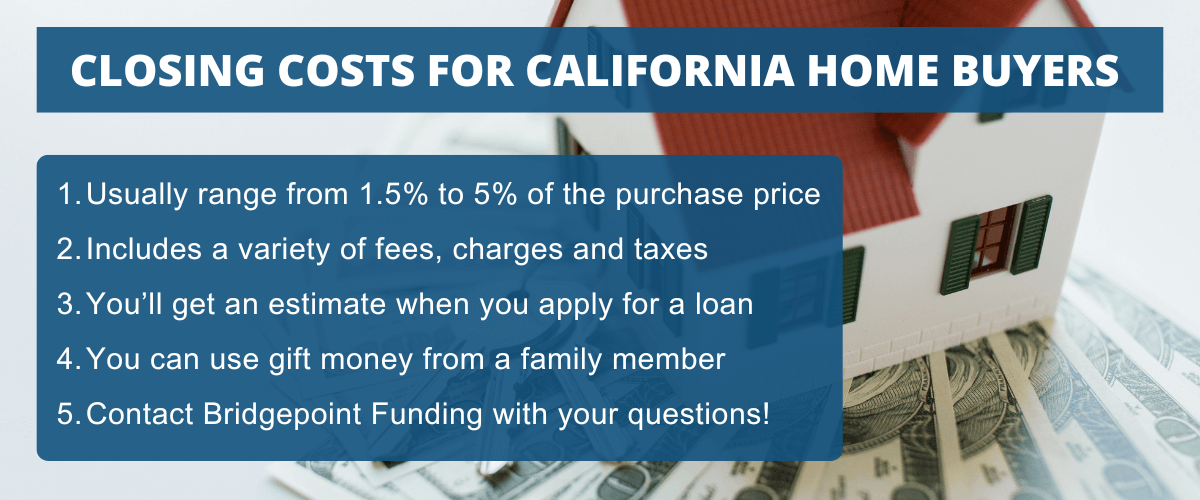
Understanding the Components of Closing Costs
Closing costs are not a monolithic entity but rather a collection of individual fees and charges. They are typically broken down into several categories, each serving a specific purpose in facilitating the transaction and ensuring clear title for the buyer. Understanding each component allows for a more precise estimation and negotiation strategy.
Lender Fees
These fees are associated with obtaining and processing your mortgage. They reflect the costs incurred by the lender to underwrite your loan.
Origination Fee
This fee is charged by the lender to process and underwrite your loan application. It is often expressed as a percentage of the loan amount, typically ranging from 0.5% to 1%. For example, on a $500,000 loan, an origination fee of 1% would be $5,000. This fee covers the administrative work involved in securing your mortgage.
Discount Points
Discount points are optional fees paid directly to the lender at closing in exchange for a reduced interest rate on your mortgage. One point is equal to 1% of the loan amount. For instance, paying two points on a $500,000 loan would cost $10,000. The decision to purchase points depends on how long you plan to stay in the home and whether the savings from a lower interest rate over time will outweigh the upfront cost.
Appraisal Fee
An appraisal is a professional assessment of the property’s market value, conducted by a licensed appraiser. Lenders require this to ensure the loan amount does not exceed the property’s worth. The fee typically ranges from $400 to $700, depending on the complexity of the appraisal and the location.
Credit Report Fee
This fee covers the cost of obtaining your credit reports from the major credit bureaus. It allows the lender to assess your creditworthiness and risk profile. This fee is usually modest, often between $30 and $50.
Underwriting Fee
The underwriting fee is charged by the lender for the process of evaluating your loan application and determining your eligibility. This can range from $500 to $1,000.
Third-Party Fees
These are fees paid to various third parties involved in the transaction, such as title companies, escrow officers, and inspectors.
Title Insurance
Title insurance is a critical component of closing costs, protecting both the lender and the buyer against any undisclosed claims or defects in the property’s title. There are two main types:
- Lender’s Title Insurance: This policy protects the lender’s investment. It is mandatory for all mortgage loans.
- Owner’s Title Insurance: This policy protects the buyer’s equity in the property. While often optional, it is highly recommended for comprehensive protection.
The cost of title insurance is based on the purchase price of the home and can range from 0.5% to 1% of the sale price. For example, on a $700,000 home, this could be between $3,500 and $7,000.
Escrow Fees
An escrow company acts as a neutral third party, holding all funds and documents related to the transaction until all conditions of the sale are met. The escrow fee is typically split between the buyer and seller, although this can be negotiated. It can range from $500 to $1,000 or more, depending on the complexity of the transaction.
Recording Fees
These are fees charged by the local government (county or city) to officially record the new property deed and mortgage documents in public records. These fees are usually modest, often ranging from $100 to $300.
Home Inspection Fee
A home inspection is a thorough examination of the property’s condition, including its structural integrity, plumbing, electrical systems, and HVAC. While not always mandatory, it is a prudent expense for any buyer to uncover potential issues. Fees typically range from $300 to $500.
Pest Inspection Fee
Similar to a general home inspection, a pest inspection focuses on identifying any evidence of termites, rodents, or other pests that could damage the property. This fee usually falls between $75 and $150.
Survey Fee

A property survey is sometimes required to verify the property boundaries and ensure there are no encroachments from neighboring properties. The cost can vary significantly, from $300 to $1,000 or more, depending on the size and complexity of the lot.
Government Fees and Taxes
These are costs imposed by local or state governments as part of the property transfer.
Transfer Taxes
Many cities and counties in California impose a real estate transfer tax, which is levied on the sale of property. This tax is typically paid by the seller, but it can be negotiated as a buyer’s responsibility. The rate varies by jurisdiction, often ranging from $1.10 to $4.40 per $1,000 of the sale price. For a $600,000 home, this could amount to $660 to $2,640.
Property Taxes (Prorated)
At closing, you will likely need to pay a prorated portion of the annual property taxes. This covers the period from the closing date to the end of the tax period. For instance, if you close on April 15th and the tax year ends on June 30th, you would pay for those remaining months. The actual amount depends on the property’s assessed value and the local tax rate.
Homeowner’s Insurance
Lenders require homeowners insurance to protect against damage from fire, theft, natural disasters, and other covered events. The first year’s premium is typically paid at closing. The cost varies widely based on the property’s value, location, and coverage levels, but expect to pay between $500 and $2,000 annually, with the first year’s payment due at closing.
Factors Influencing Closing Costs in California
While the components of closing costs are relatively standard, the actual dollar amount can fluctuate significantly due to several key factors. Understanding these variables can help buyers anticipate and manage their expenses more effectively.
Property Location
The specific city or county within California where the property is located plays a substantial role in closing costs. Some areas have higher title and escrow fees, and transfer tax rates can vary dramatically. For example, closing costs in a high-demand market like San Francisco might be higher than in a more rural area of the state. Different counties also have different recording fees and potential local taxes.
Sale Price of the Home
As many closing costs are calculated as a percentage of the purchase price or loan amount, more expensive homes naturally incur higher closing costs. This applies directly to fees like title insurance, origination fees, and potentially transfer taxes.
Loan Type and Lender Policies
The type of mortgage you secure—whether it’s a conventional loan, an FHA loan, or a VA loan—can influence certain fees. Different lenders also have varying fee structures for origination, underwriting, and other associated costs. Shopping around for lenders and comparing their Loan Estimates is essential.
Negotiation and Seller Contributions
In some cases, buyers can negotiate for the seller to contribute towards closing costs. This is more common in a buyer’s market or when a seller is highly motivated to sell. While sellers are not obligated to contribute, it can be a valuable negotiation tactic to reduce the buyer’s out-of-pocket expenses at closing. A seller’s credit can help offset a portion of the buyer’s closing costs, but it might also mean a slightly higher purchase price.
Property Taxes and Insurance Premiums
The ongoing costs of property taxes and homeowner’s insurance are factored into the initial payments at closing. Higher property tax rates in certain areas or more comprehensive insurance policies will naturally increase the upfront funds required. Additionally, if the property is part of a homeowners association (HOA), there may be additional fees or reserves to consider at closing.
Estimating and Managing Your Closing Costs
Proactive planning and a thorough understanding of your Loan Estimate are your best tools for managing closing costs in California.
Obtaining a Loan Estimate
Once you apply for a mortgage, your lender is required to provide you with a Loan Estimate within three business days. This document details all anticipated closing costs, broken down by category. Carefully review this document, paying close attention to lender-imposed fees and third-party service provider costs. Do not hesitate to ask your loan officer for clarification on any item you don’t understand.
Comparing Service Providers
For services where you have a choice of providers, such as title companies or escrow officers, get quotes from multiple companies. Even small differences in fees can add up. Your real estate agent or loan officer can often recommend reputable providers, but it’s still wise to compare pricing.
Budgeting for the Unexpected
Despite diligent estimation, it’s always wise to have a buffer for unexpected costs. This could include last-minute repairs discovered during inspection or slight variations in estimated fees. Aim to have an additional 1% to 2% of the purchase price set aside for contingencies.

Seeking Professional Guidance
Working with an experienced real estate agent and a knowledgeable mortgage broker is invaluable. They can guide you through the complexities of closing costs, help you understand your Loan Estimate, and advise on potential negotiation strategies. For example, an agent familiar with the Los Angeles market will have a better understanding of typical closing costs in that specific region compared to someone unfamiliar.
By thoroughly understanding each component, the factors that influence them, and employing smart management strategies, prospective homebuyers in California can approach the closing process with confidence, ensuring a smoother transition into homeownership.
LifeOutOfTheBox is a participant in the Amazon Services LLC Associates Program, an affiliate advertising program designed to provide a means for sites to earn advertising fees by advertising and linking to Amazon.com. Amazon, the Amazon logo, AmazonSupply, and the AmazonSupply logo are trademarks of Amazon.com, Inc. or its affiliates. As an Amazon Associate we earn affiliate commissions from qualifying purchases.