
Navigating the process of registering a vehicle purchased or brought in from another state to Texas can seem daunting, but with a clear understanding of the requirements and steps involved, it becomes a manageable task. This guide aims to demystify the procedure for new Texas residents and those bringing a vehicle into the Lone Star State, ensuring a smooth transition and compliance with state regulations. From understanding the necessary documentation to the final inspection and payment of fees, we will cover all essential aspects to get your out-of-state car legally registered in Texas.
Understanding Texas Vehicle Registration Requirements
Before embarking on the registration process, it’s crucial to grasp the fundamental requirements that Texas law mandates for all registered vehicles. This includes establishing residency, obtaining Texas insurance, and understanding the inspection and titling processes. Texas operates under a strict system to ensure all vehicles on its roads are safe, insured, and properly accounted for.
Establishing Texas Residency
To register your vehicle in Texas, you must establish proof of residency. This is a critical first step, as Texas law requires vehicles operated in the state for more than 30 days to be registered. Proof of residency can typically be demonstrated through various official documents.
Acceptable Proof of Residency Documents
- Utility Bills: Recent bills (typically within the last 60-90 days) from electricity, gas, water, or internet providers in your name, showing your Texas address.
- Lease Agreements or Mortgage Statements: A signed lease agreement for a rental property or a current mortgage statement for a home you own, clearly displaying your Texas address.
- Texas Driver’s License or ID Card: If you have already obtained a Texas driver’s license or state identification card, this serves as strong proof of residency.
- Voter Registration Card: A voter registration card issued by a Texas county.
- Bank Statements: Recent bank statements (within the last 60-90 days) with your name and Texas address.
Securing Texas Auto Insurance
Having valid Texas auto insurance is a mandatory prerequisite for registering your vehicle. The insurance policy must meet the minimum liability coverage requirements set by the state of Texas. This ensures that you have financial protection in case of an accident.
Minimum Liability Coverage Requirements in Texas
Texas requires all drivers to carry at least the following minimum liability coverage:
- $30,000 for bodily injury per person
- $60,000 for total bodily injury per accident
- $25,000 for property damage per accident
It is highly recommended to obtain more than the minimum coverage to ensure adequate protection. When you secure your policy, ensure your insurance provider is aware you are registering the vehicle in Texas and that they provide you with an insurance card that complies with Texas state law.
Vehicle Inspection and Emissions Testing
Texas has a “Two Steps, One Sticker” vehicle inspection program. This program combines the state’s safety inspection and emissions testing (in certain counties) into a single inspection. Your vehicle must pass this inspection before you can complete your registration.
Understanding the Inspection Process
- Safety Inspection: This inspection verifies that your vehicle meets all safety standards, including brakes, lights, tires, and horn.
- Emissions Testing: Vehicles registered in certain designated metropolitan areas must undergo an emissions test to ensure they meet environmental standards. These areas include the counties of Brazoria, Collin, Dallas, Denton, Ellis, Fort Bend, Galveston, Harris, Hunt, Johnson, Kaufman, Montgomery, Parker, Rockwall, Tarrant, Travis, and Williamson. If your vehicle is older or has been modified, it’s wise to check specific requirements.
You will receive a sticker to place on your windshield upon passing the inspection. You will need the inspection certificate (Form VI-30) when you go to register your vehicle.
The Titling and Registration Process in Texas
Once you have established residency, secured Texas insurance, and passed your vehicle inspection, you are ready to proceed with the official titling and registration of your vehicle. This typically involves visiting your local county tax assessor-collector’s office.
Obtaining a Texas Title
If you have recently purchased the vehicle or are moving to Texas with a car you own outright (meaning no lienholder), you will need to obtain a Texas title. This document serves as proof of ownership.

Steps for Obtaining a Texas Title:
- Submit Proof of Ownership: This usually involves the vehicle’s current out-of-state title. If there is a lien on the vehicle, the lienholder will typically hold the title. In such cases, you will need to provide documentation from the lienholder authorizing the transfer of the title to Texas.
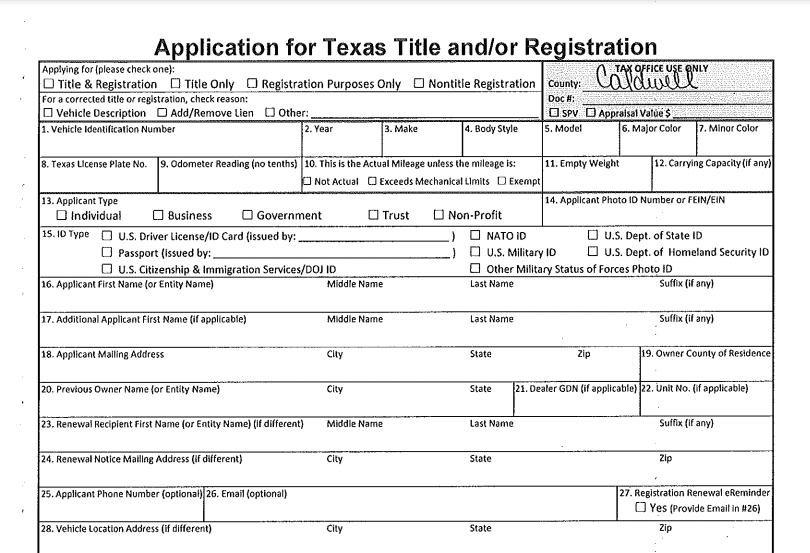
- Complete a Vehicle Application for Texas Title (Form 130-U): This form requires detailed information about you, the vehicle, and the transaction.
- Pay Applicable Fees: There are fees associated with titling a vehicle in Texas, which vary based on the vehicle’s value.
- Provide Proof of Purchase: A bill of sale or other documentation showing the purchase price of the vehicle is often required.
- Present Identification: A valid government-issued photo ID is necessary.
Registering Your Vehicle
After obtaining or transferring your title to Texas, you can then proceed with registering your vehicle and obtaining Texas license plates.
Steps for Registering Your Vehicle:
- Locate Your County Tax Assessor-Collector’s Office: Most counties have designated offices that handle vehicle registration. It’s advisable to check your county’s specific website for hours of operation and any specific requirements.
- Gather Required Documents:
- Proof of Texas vehicle insurance.
- Proof of passing the Texas vehicle inspection (Form VI-30).
- Your Texas title (or proof of lien if applicable).
- Your completed Vehicle Application for Texas Title (Form 130-U), if you are also titling the vehicle.
- Proof of residency.
- Your government-issued photo ID.
- Payment for registration fees and any applicable taxes.
- Complete the Registration Application: You will fill out the necessary forms at the office, or you may be able to pre-fill them online from your county’s website.
- Pay Fees and Taxes: Registration fees vary based on the type and weight of the vehicle. You may also be subject to sales tax if the vehicle was recently purchased and sales tax has not been previously paid in another state. Texas has a Used Vehicle Sales Tax (UVST) that may apply.
- Receive Your License Plates and Registration Sticker: Once all requirements are met and fees are paid, you will be issued your Texas license plates and a registration sticker to affix to your rear license plate.
Special Considerations for Out-Of-State Vehicles
There are a few specific scenarios and considerations that are particularly relevant when bringing an out-of-state vehicle into Texas. Understanding these can prevent potential delays or complications.
Vehicles Purchased from a Dealership
If you purchased your vehicle from a dealership in another state, the dealership may have provided you with temporary license plates and registration. When you bring the vehicle to Texas, you will still need to follow the steps outlined above to obtain a Texas title and registration. The dealership’s paperwork will be crucial for proving ownership and purchase.
Vehicles Purchased Privately
When purchasing a vehicle privately from an individual in another state, ensure all necessary paperwork is transferred correctly. This includes the original out-of-state title, signed over to you, and a bill of sale detailing the transaction. You will then use these documents to apply for a Texas title and registration.
Moving to Texas with a Vehicle Already Titled in Your Name
If you are moving to Texas and already own a vehicle titled in your name from another state, the primary steps will be to obtain a Texas title (if needed for transfer) and then register the vehicle. You will still need to fulfill the Texas insurance and inspection requirements. The process for titling will depend on whether you are directly transferring an existing out-of-state title or if there was a lienholder involved.
Vehicles from States with Different Titling Laws
Some states have different titling laws or may not issue titles for older vehicles. If you encounter such a situation, you may need to provide additional documentation to prove ownership, such as registration documents from the previous state and a bill of sale. It’s often helpful to contact the Texas Department of Motor Vehicles (TxDMV) or your local county tax assessor-collector’s office if you have unique circumstances regarding your out-of-state title.
Navigating Common Challenges and Tips for a Smooth Process
While the process is generally straightforward, new residents might encounter some common hurdles. Being prepared can make the entire experience more efficient and less stressful.
Common Challenges
- Incomplete Documentation: Missing or incorrect paperwork is the most frequent cause of delays. Ensure all forms are filled out completely and accurately, and that you have all necessary supporting documents.
- Insurance Verification Issues: Sometimes, insurance companies may not immediately update their systems to reflect Texas-compliant policies, leading to verification problems. Ensure your insurance provider issues you a Texas-specific insurance card or documentation.
- Vehicle Inspection Failures: Vehicles that have been modified or are older may have difficulty passing inspection. It’s wise to have any potential issues addressed before attending the inspection.
- Long Wait Times: County offices can be busy, especially during peak times. Consider visiting during off-peak hours or checking if your county offers appointments.

Tips for a Smooth Registration Experience
- Start Early: Don’t wait until the last minute, especially if you’ve just moved to Texas. Begin gathering your documents and understanding the requirements as soon as possible.
- Visit the TxDMV Website: The Texas Department of Motor Vehicles (TxDMV) website is an invaluable resource for forms, checklists, and detailed information on all aspects of vehicle titling and registration.
- Check Your County’s Website: Your local county tax assessor-collector’s office website often provides specific instructions, accepted forms of payment, and appointment scheduling information.
- Call Ahead: If you are unsure about any requirement or have a complex situation, don’t hesitate to call your local county tax assessor-collector’s office for clarification.
- Have Funds Ready: Be prepared to pay registration fees and taxes on the spot. Most offices accept cash, checks, and credit/debit cards, but it’s best to confirm beforehand.
- Keep Records: Retain copies of all submitted documents, receipts, and your new Texas registration and title for your records.
By understanding the requirements, preparing your documentation thoroughly, and following the steps outlined, you can successfully register your out-of-state car in Texas, allowing you to enjoy your new life in the Lone Star State with peace of mind on the road.
LifeOutOfTheBox is a participant in the Amazon Services LLC Associates Program, an affiliate advertising program designed to provide a means for sites to earn advertising fees by advertising and linking to Amazon.com. Amazon, the Amazon logo, AmazonSupply, and the AmazonSupply logo are trademarks of Amazon.com, Inc. or its affiliates. As an Amazon Associate we earn affiliate commissions from qualifying purchases.