
A Beacon of Alaskan Governance and History
The Alaska State Capitol, nestled in the heart of Juneau, stands as the profound symbol of democratic governance and the rich history of the United States‘s largest state, Alaska. Unlike many state capitols across the nation that boast grand domes and sprawling grounds, Alaska’s legislative home presents a distinct and understated architectural profile, reflecting the rugged, pragmatic spirit of the Last Frontier. It is not merely a government building but a landmark steeped in the narratives of statehood, political development, and the unique challenges of governing a vast and diverse region. Its identity is inextricably linked to Juneau itself, the only state capital in the United States that is inaccessible by road, a testament to Alaska’s wild topography.

Location and Significance in Juneau
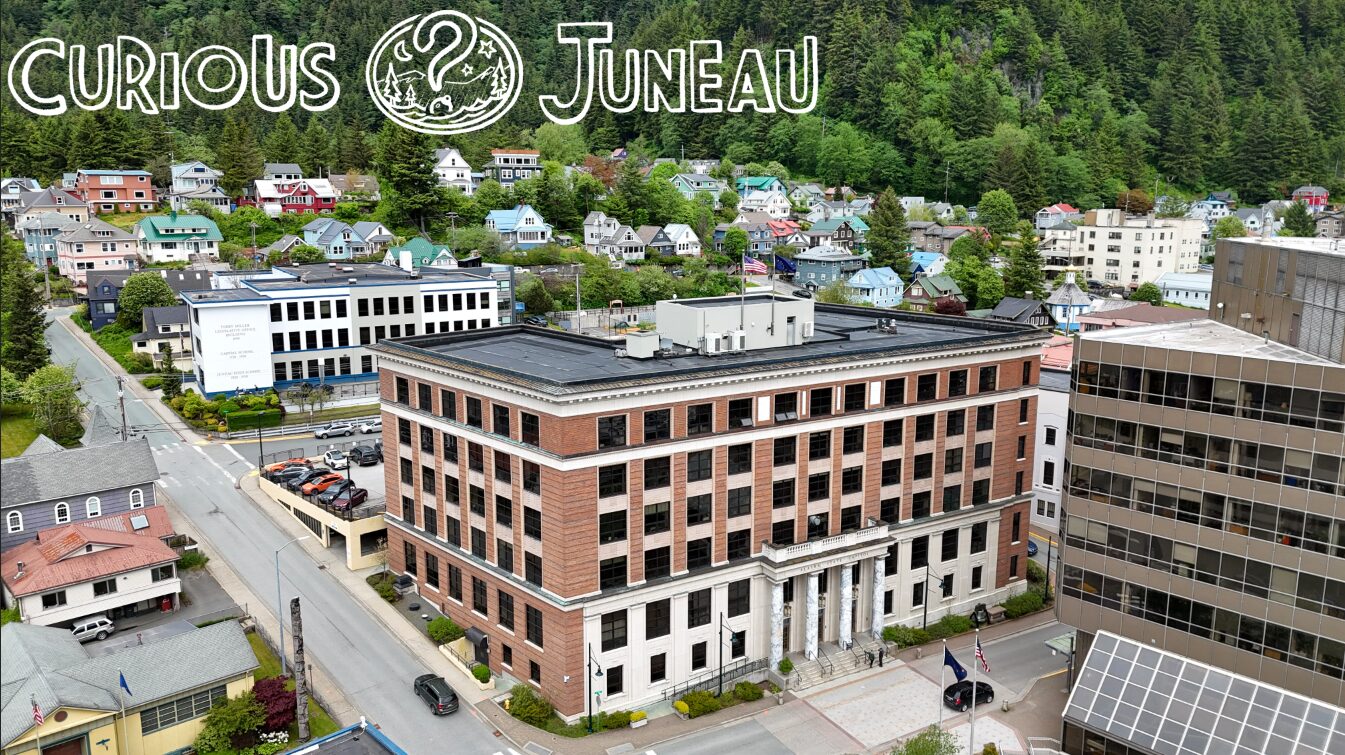
Located on Fourth Street, high above Juneau’s downtown waterfront, the Alaska State Capitol commands a vantage point offering glimpses of the Gastineau Channel and surrounding mountains. This urban setting, rather than a secluded campus, integrates the capitol directly into the everyday life of the city. Its location underscores Juneau’s role as the administrative and political hub of Alaska, a city whose very existence is a testament to the state’s pioneering spirit. The capitol serves as the primary seat of power, housing the offices of the Governor, Lieutenant Governor, and the Alaska State Legislature. For residents and visitors alike, it is more than just a functional building; it is a visible representation of sovereignty and collective identity, a place where laws are debated, decisions are made, and the course of Alaska’s future is charted.
The Building’s Unique Construction
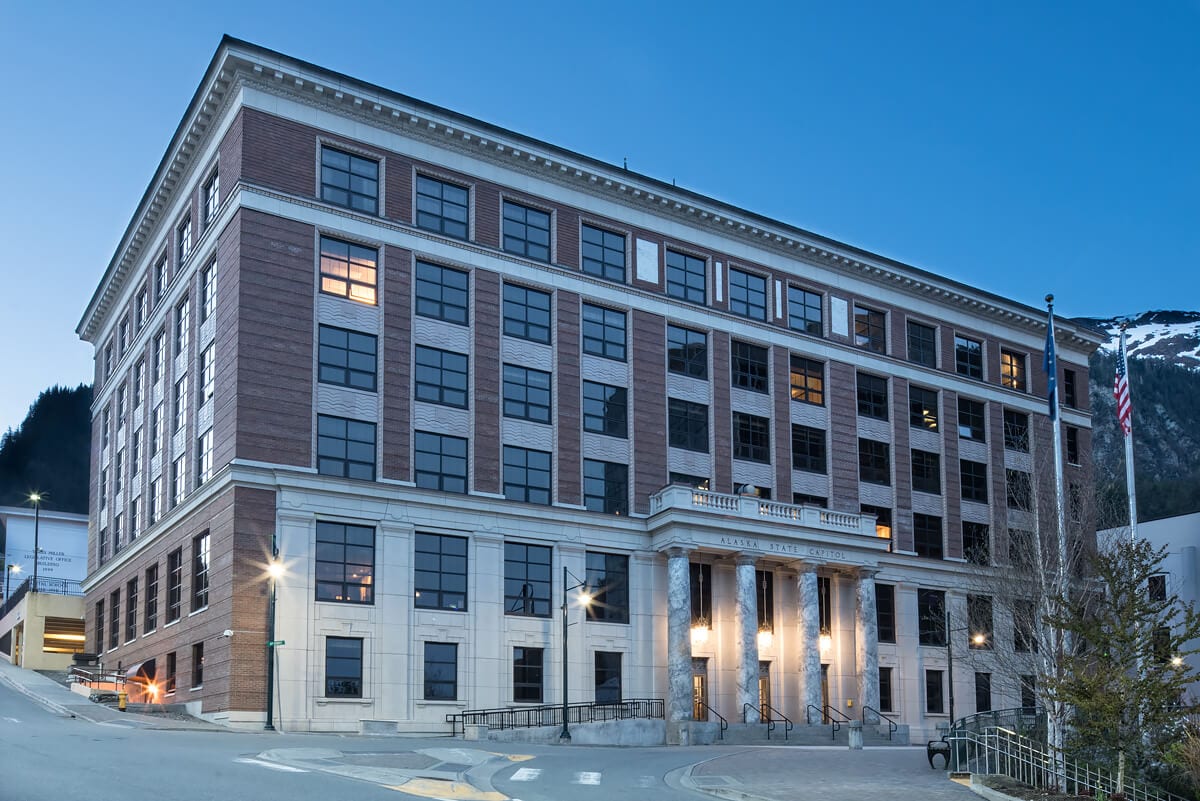
The construction of the Alaska State Capitol is a story of determination and adaptation. Completed in 1931, the building originally served as the Federal and Territorial Building, predating Alaska’s statehood by nearly three decades. Its design, devoid of the classical grandeur often associated with state capitols, was a pragmatic response to the remote location, challenging climate, and economic constraints of the era. The structure was built without a traditional dome, a feature almost ubiquitous among its counterparts, primarily due to the astronomical cost of transporting materials and constructing such an elaborate element in Juneau at the time. Instead, its strength lies in its solid, six-story presence, built of brick, concrete, and steel, designed to withstand the harsh Alaskan environment while exuding a sense of steadfastness and purpose.
Architectural Heritage and Design
The architecture of the Alaska State Capitol is a significant aspect of its landmark status. While it may lack the ostentatious flourishes of some older statehouses, its design is nonetheless deliberate and historically relevant, embodying the architectural trends of its construction period and the unique context of Alaska. The building represents a blend of Art Deco and Neoclassical elements, with a focus on functionality and durable materials, making it a distinctive example of early 20th-century civic architecture in the remote wilderness.
Art Deco Influence
Completed in 1931, the capitol distinctly showcases the influence of the Art Deco movement, popular during the interwar period. This style is characterized by its geometric forms, streamlined aesthetic, and often, an emphasis on modern materials and motifs. While not as elaborately decorated as some urban Art Deco skyscrapers, the Alaska State Capitol subtly incorporates these elements through its vertical emphasis, clean lines, and restrained ornamentation. The building’s exterior features a strong verticality, with a repetitive pattern of windows and a solid, imposing facade that suggests strength and modernity. Interior details, particularly in the public areas and legislative chambers, also exhibit Art Deco characteristics through their lighting fixtures, metalwork, and the use of contrasting materials that create visual interest without excessive embellishment. This stylistic choice not only reflects the architectural trends of the time but also contributes to the building’s distinct identity within the pantheon of American state capitols.
Materials and Craftsmanship
The choice of materials for the Alaska State Capitol was driven by both aesthetics and practicality, reflecting the resources available and the need for a robust structure in Alaska’s challenging climate. The exterior is clad in Tokeen marble from Prince of Wales Island, a testament to Alaska’s natural resources and a nod to local materials, though much of the original construction also utilized Indiana limestone for trim and detailing. The interior features extensive use of marble, brass, and wood, particularly birch and cedar, which lend warmth and dignity to the public spaces and offices. The marble, often cool and elegant, contrasts with the richness of the polished woods, creating an atmosphere that is both formal and inviting. The craftsmanship, though understated, is evident in the detailed metal railings, the precise joinery of the woodwork, and the durable finishes that have withstood decades of legislative activity and public scrutiny. These materials not only contribute to the building’s aesthetic appeal but also speak to a commitment to quality and longevity.
Distinguishing Features from Other Capitols
Perhaps the most distinguishing feature of the Alaska State Capitol is its deliberate departure from the traditional capitol archetype. The absence of a grand dome is its most noted deviation, setting it apart from nearly every other state capitol in the United States. This choice was born out of necessity rather than design preference, reflecting the logistical and economic realities of construction in a remote territorial capital during the early 20th century. Instead of a dome, the building is crowned with a relatively flat roofline, emphasizing its functional and pragmatic character. Furthermore, its design as a six-story office building, integrated directly into the urban fabric of Juneau, contrasts sharply with the often-isolated, monumentally scaled capitols found elsewhere. The Alaska State Capitol thus stands as a unique architectural landmark, a symbol of Alaska’s distinct history and the practical considerations that shaped its development.
Exploring the Capitol: Public Access and Notable Areas
The Alaska State Capitol is not merely an administrative edifice; it is a living museum and a publicly accessible landmark that welcomes visitors to experience a pivotal part of Alaska’s governance and history. Understanding its layout and the significance of its various chambers and displays enriches the visitor’s appreciation of this unique structure.
The Governor’s Office and Legislative Chambers
Among the most significant areas within the Alaska State Capitol are the offices of the Governor and Lieutenant Governor, situated on the second floor. These spaces, while primarily functional, carry immense symbolic weight as the executive nerve center of the state. Visitors can often view the exterior of these offices, noting the historical photographs and displays that line the adjacent hallways. The legislative chambers, located on the upper floors, are where the Alaska House of Representatives and the Alaska Senate convene. These chambers, designed for serious deliberation, feature polished wood, comfortable seating, and public galleries from which citizens can observe legislative proceedings. The Senate Chamber, notably, boasts a fireplace built with marble from Alaska and a large mural depicting Mount McKinley (Denali), symbolizing the state’s natural grandeur. The public galleries offer a direct window into the democratic process, making the building a vibrant landmark of civic engagement.
Public Art and Exhibits
Throughout the Alaska State Capitol, a rich collection of public art and historical exhibits adds depth and narrative to the landmark. Murals, sculptures, and historical photographs adorn hallways and common areas, each telling a piece of Alaska’s story. These artworks often depict scenes of Alaska’s indigenous cultures, pioneering efforts, natural beauty, and significant historical moments. For instance, the captivating mural depicting the history of Alaska in the Senate chamber is a notable example. Additionally, display cases frequently feature artifacts and memorabilia related to Alaska’s journey to statehood, its rich natural resources, and the challenges and triumphs of its people. This integration of art and history transforms the capitol from a mere government building into an engaging cultural landmark.
Historical Artifacts and Memorabilia
Beyond the static displays, the Alaska State Capitol houses various historical artifacts that resonate with the state’s past. From the original territorial flag to historical documents and personal effects of significant Alaskan figures, these items offer tangible connections to pivotal moments. The building itself, having served as a federal and territorial building before becoming a state capitol, is a historical artifact. The bronze plaque commemorating its original dedication in 1931, the historical markers outside, and the preserved architectural elements within, all contribute to its status as a significant historical landmark. Exploring these artifacts provides visitors with a deeper understanding of Alaska’s unique trajectory, from its indigenous roots to its modern statehood.
The Capitol’s Role in Alaska’s Story
The Alaska State Capitol is more than just a place of government; it is a repository of Alaska’s historical struggles, triumphs, and defining moments. Its existence and evolution are intrinsically tied to the narrative of Alaska itself, serving as a silent witness to the state’s formation and growth.
From Territorial Building to Statehouse
Constructed at a time when Alaska was still a territory, the building initially served as the Federal and Territorial Building, housing federal courts, post offices, and various territorial government offices. This dual function underscores Alaska’s colonial past and its gradual transition towards self-governance. When Alaska achieved statehood in 1959, the building naturally transitioned into its role as the state capitol. This transformation was not just administrative; it was symbolic, marking Alaska’s emergence as a full member of the United States. The transition solidified the building’s place as a landmark representing sovereignty and the culmination of decades of advocacy for self-determination. The history etched into its walls reflects the long and often arduous journey to becoming the 49th state.
Key Legislative Moments
Throughout its history, the Alaska State Capitol has been the stage for countless legislative debates and decisions that have shaped modern Alaska. From the initial discussions around statehood to pivotal decisions regarding resource management, environmental protection, and economic development, the building has housed the minds and voices that have guided the state’s direction. Landmark legislation, such as the creation of the Alaska Permanent Fund in 1976—a unique sovereign wealth fund that shares oil revenues directly with Alaskan citizens—was debated and passed within these very chambers. Other critical moments include legislation impacting Native Alaskan land claims, the development of the Trans-Alaska Pipeline System, and policies addressing climate change. Each law, each debate, each vote contributes to the ongoing narrative of the capitol as a dynamic landmark of democratic action.
Symbol of Statehood and Identity
More than its functional role, the Alaska State Capitol stands as a powerful symbol of Alaska’s statehood and unique identity. Its pragmatic architecture, devoid of traditional grandeur, speaks to the resourceful and independent spirit often associated with Alaskans. The materials sourced from within the state, such as Tokeen marble, further root the building in the Alaskan landscape and identity. It embodies the state’s blend of federal influence, territorial history, and the rugged individualism that defines much of its culture. For many Alaskans, the capitol is a source of pride, representing their collective voice and the legislative body that tirelessly works to preserve the state’s vast wilderness, support its diverse communities, and navigate its economic future. It is a landmark that resonates with the pioneering spirit of a state unlike any other.
Practical Information for Visitors
For those seeking to understand Alaska’s political heart and historical depth, a visit to the Alaska State Capitol is an essential experience. As a functioning government building, visitor access and activities are structured to allow public engagement while respecting the ongoing legislative process.
Best Time to Visit
The optimal time to visit the Alaska State Capitol largely depends on a visitor’s interests. During the legislative session, typically from January to May, the building is bustling with activity. Visitors can observe legislative sessions from public galleries, offering a live view of Alaska’s democracy in action. While the energy is high, access to certain areas might be more restricted due to security and ongoing work. Outside of session, from late May through December, the building offers a more serene environment. This period allows for easier self-guided exploration and often provides more relaxed opportunities to view the public art and historical displays without the urgency of legislative proceedings. The summer months align with Juneau’s peak tourist season, making it a popular time for visitors to incorporate the capitol into their broader exploration of the city’s landmarks.
Tour Information
The Alaska State Capitol offers options for both guided and self-guided tours, catering to different visitor preferences. During the legislative session, guided tours are often available, led by knowledgeable staff who provide insights into the building’s history, architecture, and current legislative functions. These tours typically cover the legislative chambers, the Governor’s office area, and key historical displays. Outside of session, visitors can embark on self-guided tours using brochures available at the building’s entrance. These brochures highlight points of interest, significant artworks, and historical markers, allowing visitors to explore at their own pace. All visitors should be prepared to go through security screening upon entry, as is standard for government buildings. Checking the official Alaska State Legislature website or calling ahead is always recommended for the most current information on tour availability, hours of operation, and any specific access restrictions.
Nearby Landmarks and Attractions in Juneau
A visit to the Alaska State Capitol can be seamlessly integrated into a broader exploration of Juneau’s rich array of landmarks. Just a short walk away is the Alaska State Museum, which offers comprehensive exhibits on Alaska’s natural, cultural, and historical heritage, providing essential context for the capitol’s role. The Governor’s Mansion, another significant historical landmark, is also in close proximity, showcasing elegant residential architecture. Beyond the downtown core, easily accessible by public transport or short drives, are natural wonders like the magnificent Mendenhall Glacier, a stunning natural landmark that epitomizes Alaska’s wild beauty, and the Mount Roberts Tramway, offering panoramic views of Juneau and the surrounding mountains. These nearby attractions complement a visit to the capitol, providing a holistic understanding of Juneau as both a political center and a gateway to Alaska’s iconic landscapes.
LifeOutOfTheBox is a participant in the Amazon Services LLC Associates Program, an affiliate advertising program designed to provide a means for sites to earn advertising fees by advertising and linking to Amazon.com. Amazon, the Amazon logo, AmazonSupply, and the AmazonSupply logo are trademarks of Amazon.com, Inc. or its affiliates. As an Amazon Associate we earn affiliate commissions from qualifying purchases.