
Navigating the intricacies of vehicle registration and temporary permits is a common necessity for drivers in California. Whether you’ve just purchased a new vehicle, are expecting a visitor with an out-of-state car, or need to operate a vehicle temporarily before full registration, understanding the process for obtaining a one-day permit from the California Department of Motor Vehicles (DMV) is crucial. This guide will demystify the acquisition of these essential permits, ensuring you can drive legally and without interruption.
Understanding the Purpose of a One-Day Permit
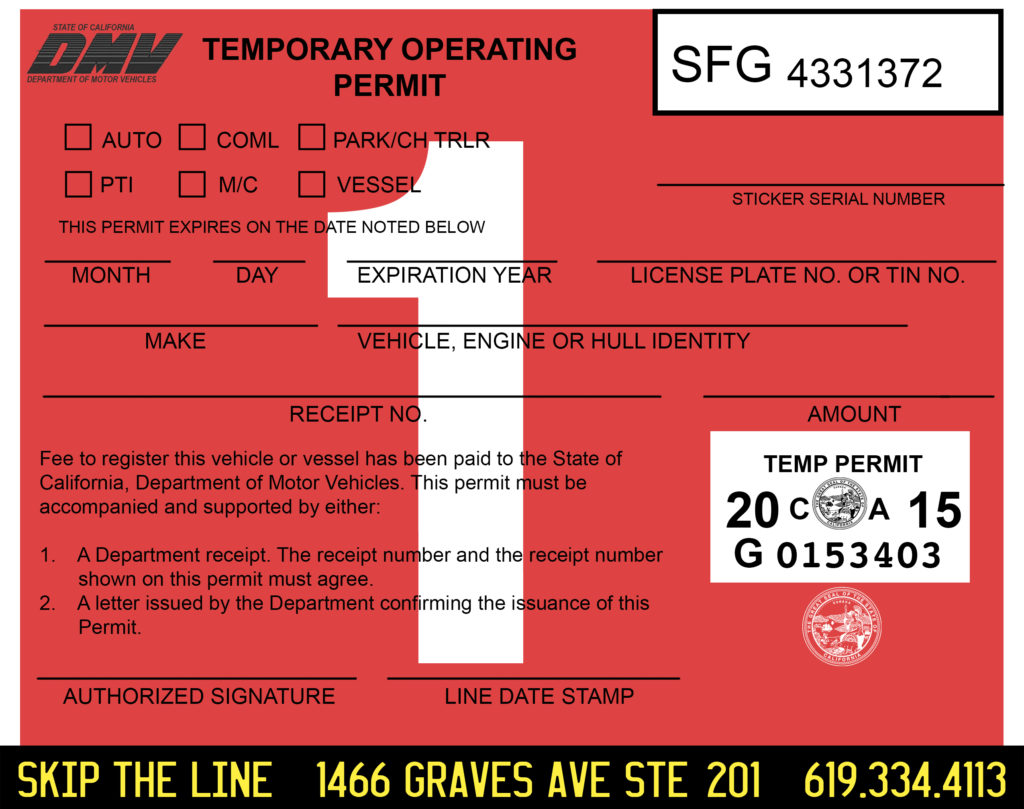
A one-day permit, officially known as a Temporary Operating Permit (TOP), serves as a short-term authorization to operate a vehicle on public roads in California without permanent license plates or registration stickers. These permits are typically issued in specific circumstances to bridge gaps in the standard registration process.
Common Scenarios Requiring a One-Day Permit
Several situations might necessitate the acquisition of a one-day permit:
- New Vehicle Purchase: When you buy a new or used vehicle from a dealership, they often provide a temporary operating permit to allow you to legally drive the car while the permanent registration and plates are being processed. This is usually included in the purchase price.
- Out-of-State Vehicle Registration: If you are bringing a vehicle into California from another state and need to register it, a temporary permit might be required to drive it to the DMV for inspection and processing.
- Vehicle Sold and Re-registration: If you have sold your vehicle and the buyer needs to register it, and you need to move it before its sale is finalized, a temporary permit might be applicable.
- Loaner or Rental Vehicles: In certain loaner or rental situations, a temporary permit might be issued to ensure legal operation.
- Temporary Use of a Vehicle: If you need to operate a vehicle that is not registered to you for a very short period, a one-day permit might be an option, though specific rules apply.
It is important to note that the primary function of a one-day permit is to facilitate the finalization of permanent registration or to allow legal operation during a short transition period. They are not intended as a long-term solution for unregistered vehicles.
Distinguishing from Other Temporary Permits
California offers various temporary permits, and it’s essential to understand the differences. The most common is the one issued by dealerships. If you are not purchasing from a dealer, you might encounter other forms of temporary registration documents. However, for the specific purpose of a “one-day permit” that allows immediate operation while permanent registration is pending, the context usually points to dealership-issued TOPs or specific DMV-issued temporary tags for unique situations.
How to Obtain a One-Day Permit
The method for obtaining a one-day permit largely depends on the circumstances under which you need it.
From a Licensed California Dealer
If you are purchasing a vehicle from a licensed California dealership, the process is straightforward.
Dealership-Provided Temporary Operating Permits
- Automatic Issuance: Upon the completion of a vehicle sale, licensed dealers are mandated by California law to issue a temporary operating permit. This permit is affixed to the vehicle’s rear window and displays the date of issuance.
- Validity Period: These dealer-issued TOPs are typically valid for 90 days. This generous validity period is designed to provide ample time for the DMV to process your permanent registration and mail you your license plates and stickers.
- No Additional Cost: The cost of this permit is generally included in the vehicle’s purchase price, and you do not typically pay separately for it at the dealership.
- Required Information: The permit will contain essential information such as the vehicle identification number (VIN), the date of issuance, and the dealership’s information.
What to Do if You Don’t Receive One
If you complete a vehicle purchase from a California dealer and do not receive a temporary operating permit, you must contact the dealership immediately. Driving without a valid permit or permanent plates is illegal and can result in citations and fines. The dealer is responsible for ensuring you have the necessary documentation.
Direct Purchase or Transfer Scenarios
For situations not involving a licensed dealer, obtaining a one-day permit directly from the DMV can be more nuanced.

One-Day Permits for Specific DMV Transactions
In rare circumstances, the DMV may issue a temporary permit to allow a vehicle to be driven to a specific location for an inspection or a processing appointment. This is not a standard over-the-counter transaction for the general public.
- DMV Appointments: If you have an appointment at the DMV for a vehicle inspection or registration renewal that requires the vehicle to be present, and your current registration or temporary plates have expired, you may need to inquire about the possibility of a temporary movement permit. This is often handled on a case-by-case basis.
- Contacting the DMV: It is advisable to contact your local DMV office in advance of your appointment to discuss your specific needs. You may need to provide proof of appointment and the reason for requiring a temporary permit.
- Proof of Insurance: Always ensure you have valid California auto insurance for the vehicle, as this is a requirement for any legal operation on public roads, including with temporary permits.
Special Cases and Inquiries
For unique situations, such as moving a vehicle from an impound lot or for specialized titling and registration processes, direct consultation with the DMV is indispensable. They will advise on the appropriate documentation and any temporary permits that may be available.
Navigating the DMV and Required Documentation
When interacting with the California Department of Motor Vehicles for any vehicle-related transaction, preparedness is key.
Essential Documents for Vehicle Transactions
Regardless of whether you are dealing with a temporary permit or permanent registration, certain documents are consistently required:
- Proof of Identity: A valid government-issued photo ID, such as a driver’s license or passport.
- Proof of Residency: Documents like utility bills or bank statements can serve as proof of residency in California.
- Vehicle Title or Manufacturer’s Certificate of Origin (MCO): This proves ownership of the vehicle.
- Proof of Insurance: A current insurance card or policy declaration page from a California-licensed insurance provider.
- Bill of Sale: If you purchased the vehicle, this document details the transaction.
- Odometer Disclosure Statement: Required for most vehicle sales.
When to Visit the DMV
If you are not receiving a temporary permit from a dealer and need to address a situation that might involve a DMV issued temporary permit, it is crucial to plan your visit strategically.
- Appointments are Highly Recommended: The DMV strongly encourages making appointments online or by phone to avoid extensive wait times.
- Check DMV Website: For the most current information on services, required documents, and office hours, always consult the official California DMV website. Information regarding specific permit types and their availability is best obtained directly from the source.
- Specific Transaction Types: When booking an appointment, be sure to select the correct service category to ensure you are seen by the appropriate staff.
Legal Implications and Compliance
Operating a vehicle without proper registration or temporary permits can lead to significant legal and financial consequences. Understanding these implications is vital for any driver in California.
Consequences of Unlawful Operation
- Traffic Citations: Driving a vehicle with expired registration, no license plates, or an invalid temporary permit will likely result in a traffic citation. These citations can include fines, fees, and potential points on your driving record.
- Vehicle Impoundment: In some cases, law enforcement officers may have the authority to impound a vehicle that is not legally registered or permitted to operate on public roads. The costs associated with towing and storage can be substantial.
- Insurance Issues: Your insurance policy may be invalidated if you are operating a vehicle illegally. This means that in the event of an accident, you may not be covered for damages or injuries, leading to severe financial liabilities.
- DMV Penalties: Beyond traffic fines, the DMV may impose administrative penalties or require you to undergo additional steps to rectify your registration status.

Staying Compliant
- Timely Processing: If you have purchased a vehicle from a dealer, ensure they have submitted all necessary paperwork to the DMV for permanent registration. Follow up if you haven’t received your plates or stickers within a reasonable timeframe, well within the 90-day validity of your TOP.
- Renewals: Be mindful of your registration expiration dates. Proactive renewal is always the best approach to avoid lapses in legal operation.
- Understanding Temporary Permit Rules: Familiarize yourself with the specific rules and limitations of any temporary permit you obtain. Not all temporary permits are interchangeable, and using one outside its intended scope can lead to non-compliance.
By understanding the acquisition process, required documentation, and the legal framework surrounding vehicle permits in California, drivers can navigate these requirements with confidence and ensure they remain compliant with state laws.
LifeOutOfTheBox is a participant in the Amazon Services LLC Associates Program, an affiliate advertising program designed to provide a means for sites to earn advertising fees by advertising and linking to Amazon.com. Amazon, the Amazon logo, AmazonSupply, and the AmazonSupply logo are trademarks of Amazon.com, Inc. or its affiliates. As an Amazon Associate we earn affiliate commissions from qualifying purchases.