
Florida’s allure as a travel destination is undeniable, drawing millions each year to its sun-drenched beaches, vibrant theme parks, and lush natural landscapes. Yet, beyond the well-trodden tourist paths, the Sunshine State harbors a less-advertised resident: a burgeoning population of non-native primates. This anomaly, often referred to as a “monkey problem,” is most concentrated in a specific region, raising both ecological and practical concerns for visitors and residents alike. Understanding this unique facet of Florida’s biodiversity adds another layer to the experience of exploring its diverse geographies.
The Genesis of Florida’s Primate Presence
The presence of monkeys in Florida is not a natural phenomenon; it’s a consequence of human introduction, primarily driven by a history intertwined with tourism and scientific curiosity. The most prominent and widely discussed monkey population in Florida is that of the rhesus macaque, a species native to South and Southeast Asia. Their introduction into the wild is largely attributed to a controversial decision made decades ago.

Early Introductions and Tourist Attractions
The story often begins in the mid-20th century. In an effort to enhance the appeal of certain riverside attractions, entrepreneurs and developers introduced small groups of monkeys to the Florida environment. The idea was to create a novel spectacle for tourists, offering a glimpse of exotic wildlife in a readily accessible setting. These early introductions, though seemingly benign at the time, laid the groundwork for the challenges faced today.
One of the most significant early introductions occurred along the Silver River in the Ocala National Forest area. Here, boat tours were established, allowing visitors to observe these imported primates from the safety of their vessels. The allure of seeing monkeys swinging through the trees, seemingly at home in the Florida wilderness, proved popular. Over time, these animals, with their remarkable adaptability and reproductive rates, began to establish a self-sustaining population, venturing beyond the immediate confines of their original habitat.
The Unforeseen Consequences
What was intended as a fleeting tourist attraction evolved into a persistent ecological concern. The monkeys, able to thrive in Florida’s warm climate and abundant food sources, began to reproduce and expand their territory. This expansion brought them into closer proximity with human settlements, agricultural areas, and native Florida wildlife. The initial novelty transformed into a complex situation requiring careful management and a deeper understanding of the ecological impact.
The Geographic Epicenter: Central Florida’s Ocala Region
While pockets of non-native primates can be found in other parts of Florida, the most significant and well-documented “monkey problem” is intrinsically linked to Central Florida, specifically the region surrounding Ocala. This area, characterized by its numerous springs, rivers, and extensive forested regions, provides an ideal habitat for these introduced species.
The Silver River and Its Adjoining Habitats
The Silver River remains the historical and ecological heart of Florida’s rhesus macaque population. The river’s clear waters and the surrounding Ocala National Forest offer a rich environment with ample vegetation for foraging and numerous trees for shelter and nesting. The relatively undisturbed nature of these areas, coupled with the absence of natural predators for these primates, allowed their numbers to grow unchecked.
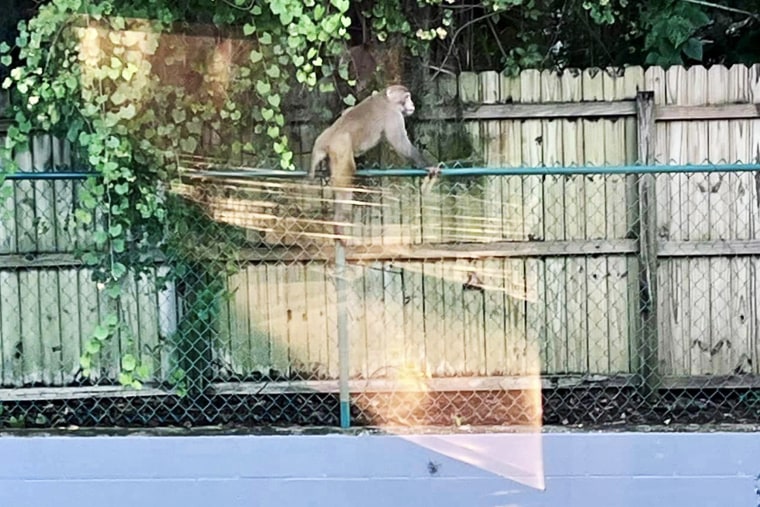
From the Silver River, the macaques have gradually dispersed into adjacent counties and habitats. This includes areas along other tributaries of the Withlacoochee River and into private lands. The monkeys are opportunistic feeders, supplementing their diet of fruits and leaves with crops from local farms and, sometimes, even raiding bird feeders in residential areas.

Impact on Local Communities and Tourism
The presence of a thriving wild monkey population in the Ocala region presents a unique scenario for local communities and the tourism industry. While some may still view the monkeys as an interesting natural anomaly, their increasing numbers and expanding range have led to a series of challenges.
- Agricultural Impact: Farmers in the region have reported damage to their crops from foraging monkeys, leading to economic losses. This necessitates the implementation of protective measures, which can be costly and labor-intensive.
- Human-Wildlife Conflict: As the monkeys become more accustomed to human presence, there are instances of them approaching people, sometimes exhibiting bold or aggressive behavior, particularly if they associate humans with food. This can create safety concerns for hikers, campers, and residents.
- Disease Transmission Concerns: While rare, there is always a potential for zoonotic disease transmission between non-native primates and humans. This is a concern that public health officials monitor closely.
- Ecological Disruption: The presence of a non-native species can impact the local ecosystem. The monkeys compete with native wildlife for food resources and can potentially alter the vegetation composition in areas where they establish dominance.
Despite these challenges, the unique presence of these primates continues to draw a certain type of curious traveler. Operators of boat tours along the Silver River still offer excursions, providing a carefully managed way for visitors to observe the macaques in their naturalistic habitat, albeit with increasing awareness of the complexities surrounding their existence.
Navigating the Monkey-Infested Waters: Travel Tips and Considerations
For travelers venturing into Central Florida, particularly the Ocala area, an awareness of the local monkey population is beneficial. While a direct encounter is not guaranteed, understanding their presence allows for a more informed and responsible travel experience. The focus here remains on embracing the unique aspects of the region from a travel perspective, rather than dwelling on the problem itself.
Embracing the Natural Spectacle Responsibly
The primary way most travelers will encounter these monkeys is through organized tours, most famously along the Silver River. These tours are designed to offer a safe and informative viewing experience.
- Choose Reputable Tour Operators: Select tour companies that prioritize responsible wildlife viewing. These operators are knowledgeable about the monkeys’ behavior and will guide visitors on how to observe them without disturbing their natural habits or posing a risk.
- Maintain a Safe Distance: Even from a boat, it is crucial to respect the animals’ space. Do not attempt to feed them, as this habituation is a primary driver of negative interactions and can be harmful to the monkeys.
- Follow Guide Instructions: The tour guides are trained to handle situations that may arise, such as monkeys approaching the boat. Adhering to their instructions is paramount for the safety of both visitors and the animals.
Exploring Beyond the River
The monkeys’ range extends beyond the immediate riverbanks. If you are hiking or exploring nature trails in areas known to have a macaque population, such as parts of the Ocala National Forest, it is wise to be prepared.
- Secure Your Food: If you are picnicking or hiking, keep all food items securely stored. Monkeys are attracted to food smells and may attempt to approach to steal it.
- Avoid Direct Eye Contact: While not always aggressive, prolonged direct eye contact can be perceived as a challenge by some primates.
- Do Not Approach: If you spot monkeys, admire them from a distance. Do not try to get closer for a photograph or out of curiosity. Their behavior can be unpredictable, especially if they feel threatened or cornered.
- Be Aware of Your Surroundings: When in areas known for these primates, remain vigilant and aware of your environment.
Understanding the Broader Context
The “monkey problem” in Florida is a fascinating case study in introduced species and the complexities of managing wildlife populations. For travelers, it adds an intriguing, albeit unusual, dimension to the natural landscape. It encourages a deeper appreciation for the delicate balance of ecosystems and the long-term consequences of human interventions. While the challenges are real for local residents, the spectacle of these non-native primates, viewed responsibly, can be a memorable part of an adventure in Central Florida, a region brimming with natural beauty and unique stories.
The existence of these monkeys serves as a reminder that even seemingly idyllic destinations can have complex ecological narratives. As visitors, understanding and respecting these narratives allows us to engage with the destination more thoughtfully, ensuring that our travel experiences contribute positively to the places we explore. The Ocala region, with its natural springs, forests, and the intriguing presence of its primate inhabitants, offers a travel experience that is both beautiful and thought-provoking.
LifeOutOfTheBox is a participant in the Amazon Services LLC Associates Program, an affiliate advertising program designed to provide a means for sites to earn advertising fees by advertising and linking to Amazon.com. Amazon, the Amazon logo, AmazonSupply, and the AmazonSupply logo are trademarks of Amazon.com, Inc. or its affiliates. As an Amazon Associate we earn affiliate commissions from qualifying purchases.