
Texas, a state celebrated for its sprawling landscapes and agricultural heritage, presents unique challenges and opportunities when it comes to managing resources like soil. Storing a yard of soil in the Lone Star State, especially considering its diverse climates ranging from humid coastal plains to arid West Texas, requires a thoughtful approach. This guide delves into practical strategies for preserving the integrity and utility of your soil, whether you’re a homeowner embarking on a landscaping project, a small-scale farmer preparing for the next planting season, or an enthusiast dedicated to maintaining a thriving garden. Understanding Texas’s specific environmental conditions is key to preventing degradation, nutrient loss, and weed infestation.

Understanding Texas Soil Storage Challenges
Texas’s vast geographical expanse encompasses a variety of soil types, each with its own characteristics and storage requirements. From the black waxy prairie soils of Central Texas to the sandy loams of the East Texas Piney Woods and the clay-heavy soils of the Gulf Coast, the composition of your soil dictates how it will react to storage. Furthermore, the Texas climate itself plays a significant role. Intense summer heat can bake soil, leading to compaction and a loss of organic matter. Heavy rainfall, particularly during hurricane season, can lead to waterlogging and nutrient leaching. Conversely, prolonged dry spells can cause soil to become overly dry, making it difficult to work with and potentially harming beneficial microorganisms.
Climate Considerations
The sheer size of Texas means that climate variability is a primary concern.
- Summer Heat: High temperatures, especially in regions like San Antonio or El Paso, can accelerate the decomposition of organic matter within the soil. This organic matter is crucial for soil structure, water retention, and nutrient availability. If not protected, the soil can become inert and less fertile.
- Rainfall Patterns: Coastal areas like Houston and the Texas Coast often experience significant rainfall, sometimes leading to flooding. Storing soil in open, unprotected piles can result in excessive moisture, which can promote the growth of unwanted weeds and fungi, and potentially wash away valuable nutrients.
- Wind Erosion: In the drier, western parts of the state, such as the Permian Basin, strong winds can contribute to soil erosion if not properly managed. This can lead to the loss of the finer, more fertile particles, leaving behind coarser material.
- Freeze-Thaw Cycles: While less pronounced than in northern states, some parts of Texas do experience occasional freezes. If soil is saturated with water during these cycles, it can lead to expansion and contraction, disrupting soil structure.
Soil Type and Composition
The inherent properties of the soil itself influence its storage needs.
- Clay Soils: These soils have a high capacity to hold water but can become dense and compacted when wet and hard as rock when dry. Storing clay-heavy soil requires careful moisture management to prevent it from becoming unmanageable.
- Sandy Soils: Sandy soils drain quickly, which can be beneficial for aeration but also leads to rapid drying and nutrient leaching. Protecting sandy soil from extreme dryness and wind is paramount.
- Loam Soils: Considered ideal for gardening, loams offer a good balance of drainage, water retention, and aeration. However, they still require protection from the elements to maintain their optimal composition.
- Organic Matter Content: Soils rich in organic matter are more susceptible to rapid decomposition under heat and can be more easily compacted. Preserving this valuable component is a key goal of proper storage.
Optimal Storage Methods for Texas Soil
Effective soil storage in Texas hinges on protecting it from the extremes of the climate and preserving its valuable biological and physical components. The goal is to maintain the soil’s health and fertility for future use, whether it’s for establishing a new flower bed at your Austin home or amending a vegetable patch.
Temporary Storage Solutions
For short-term storage, typically for a few weeks to a couple of months, the focus is on basic protection from the elements.
- Tarp Cover: A simple yet effective method is to cover the soil pile with a heavy-duty tarp. Ensure the tarp is secured with weights or stakes to prevent it from blowing away, especially in windy conditions common across West Texas. This helps to moderate moisture levels, preventing excessive drying or waterlogging, and offers some protection from direct sunlight.
- Wooden Pallets or Raised Platform: Elevating the soil pile slightly off the ground using wooden pallets or a simple raised platform can significantly improve drainage and aeration, preventing the bottom layers from becoming saturated and anaerobic. This is particularly useful during the rainy season in East Texas.
- Temporary Bins or Containers: Repurposed large bins, such as old garbage cans or purpose-built storage containers, can be used for smaller quantities of soil. Ensure these containers have drainage holes at the bottom.
Long-Term Soil Preservation
For storing soil over longer periods, more robust methods are necessary to ensure its continued viability and prevent significant degradation.
- Covered Structures: The most effective method for long-term storage is to utilize a covered structure. This could range from a simple lean-to shed or a car carport to a more dedicated garden shed or storage building. The structure provides comprehensive protection from sun, rain, wind, and temperature fluctuations, creating a more stable environment for the soil.
- Berm or Raised Pile with Cover: In situations where a structure isn’t feasible, creating a well-formed berm or raised pile can be beneficial. Shape the pile into a gentle dome to encourage water runoff. Cover the entire pile with a thick layer of mulch, compost, or even a layer of sod (grass side down) before adding a tarp. This creates an insulating layer that further protects the soil from temperature extremes and moisture loss.
- Sack or Bag Storage: For smaller quantities or if you need to store soil in multiple locations, consider using breathable fabric bags (like grow bags) or heavy-duty burlap sacks. These allow for some air exchange, preventing anaerobic conditions, while still offering protection from direct sunlight and significant moisture fluctuations. Store these bags in a dry, shaded location.
Maintaining Soil Health During Storage
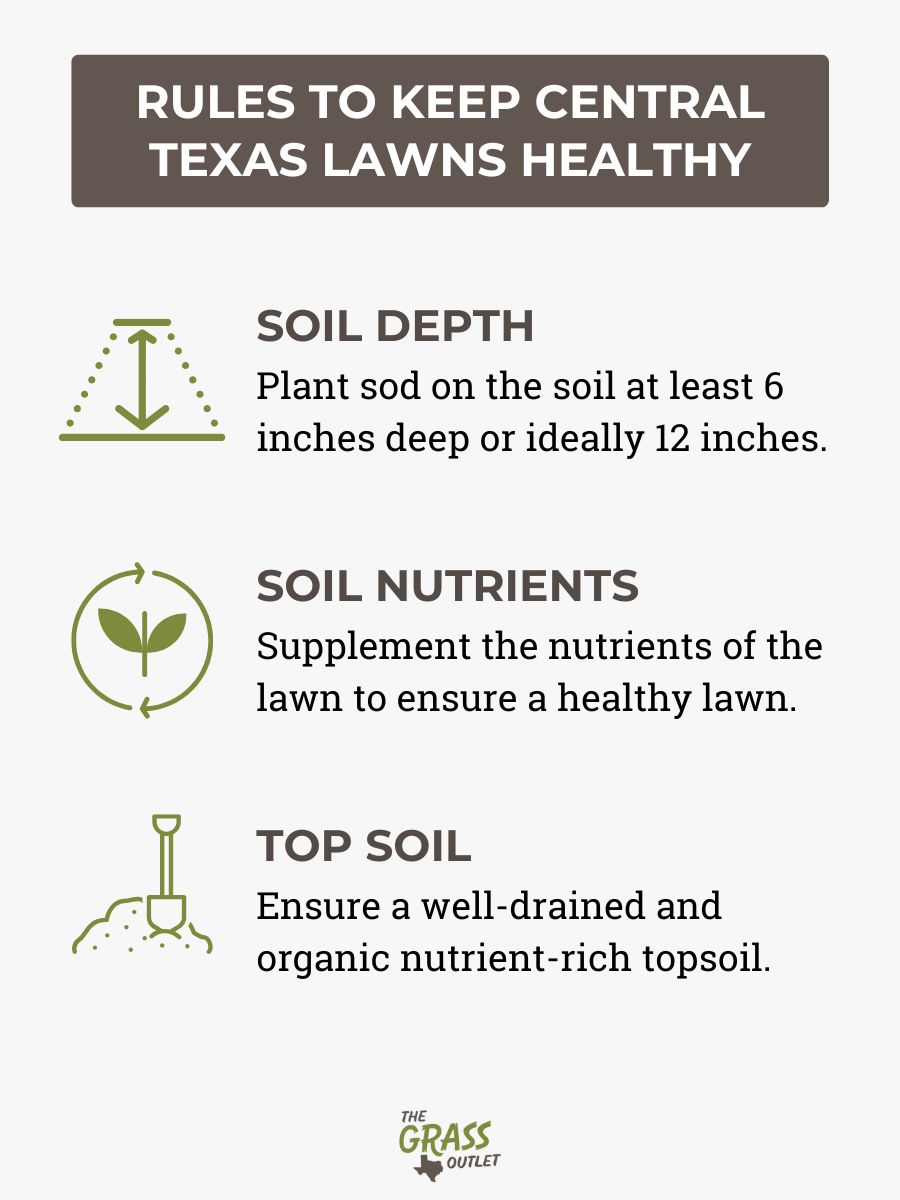
Beyond the physical methods of storage, certain practices can enhance the longevity and quality of stored soil, especially crucial for maintaining the delicate ecosystem within it.
Moisture Management
Controlling the moisture content is arguably the most critical aspect of Texas soil storage.
- Check Regularly: Regardless of the storage method, periodically check the moisture level of the soil. Digging into the pile to feel the soil a few inches down is a good practice. It should be consistently moist but not waterlogged.
- Adding Water: If the soil becomes too dry, especially during the prolonged dry spells in West Texas, lightly water the pile and ensure the cover is securely in place to retain moisture.
- Draining Excess Water: If the soil becomes too wet due to heavy rains, ensure adequate drainage. If using a tarp, lift the edges to allow water to escape. If stored in a container, verify that drainage holes are not blocked.
Preventing Weed and Pest Infestation
Stored soil can become a breeding ground for weeds and pests if not managed carefully.
- Source of Soil: Begin with high-quality soil that is as free of weed seeds and pests as possible. Sift through it before storing if necessary.
- Covering: A tightly secured cover is the first line of defense against weed seeds carried by wind or animals.
- Avoid Contamination: Do not store soil near areas where weeds are actively growing or where pests are prevalent.
- Beneficial Microorganisms: While less of a concern for purely physical storage, maintaining a slightly moist environment without waterlogging helps support beneficial microbial life, which is essential for soil health.
Aeration
Ensuring adequate airflow within the soil pile helps prevent anaerobic conditions, which can lead to the breakdown of organic matter and the production of undesirable odors.
- Loose Piling: Avoid compacting the soil unnecessarily when piling it.
- Periodic Turning: For very long-term storage (over a year), and if practical, consider turning the pile once or twice a year. This introduces oxygen and helps homogenize the soil. However, for a single yard of soil, this is often unnecessary if other preservation methods are employed.
Practical Applications and Benefits of Stored Soil in Texas
Properly stored soil in Texas offers significant advantages for a variety of endeavors, contributing to successful gardening, landscaping, and even small-scale agricultural initiatives. The investment in careful storage pays dividends in the quality and usability of the soil when it’s needed most.
Enhancing Garden and Landscape Projects
For homeowners in Dallas or anywhere across the state, stored soil is a valuable resource for various projects.
- New Garden Beds: Stored topsoil can be used to create brand-new garden beds, providing a rich foundation for vegetables, flowers, or herbs.
- Amending Existing Soil: Texas soils can vary widely in quality. Stored soil, especially if it’s a known good quality or amended with compost, can be mixed with existing garden soil to improve its structure, drainage, and fertility. This is crucial for areas with heavy clay or very sandy soils.
- Top Dressing Lawns: A layer of finely screened stored soil can be used as a top dressing for lawns to fill in low spots, improve drainage, and introduce organic matter, leading to a healthier, more resilient turf.
- Container Gardening: Stored soil, particularly if it’s a well-balanced potting mix, is essential for successful container gardening on patios or balconies, providing plants with the nutrients and structure they need to thrive.
Supporting Small-Scale Farming and Horticulture
Even beyond the hobbyist gardener, stored soil plays a role for those engaged in more intensive gardening or small-scale farming.
- Greenhouse Operations: Maintaining a supply of quality soil is vital for greenhouse operations, where controlled environments are used for propagation and growing crops year-round.
- Community Gardens: Stored soil can be a communal resource, supporting the efforts of community gardens across Texas, promoting local food production and community engagement.
- Nursery Stock: For nurseries or individuals propagating plants, having a reliable source of stored soil ensures the healthy growth of young plants before they are sold or transplanted.
Economic and Environmental Advantages
Proper soil storage is not just about convenience; it also has economic and environmental benefits.
- Cost Savings: Purchasing soil can be expensive. Storing and reusing existing soil or soil from a specific project saves money on material costs.
- Resource Conservation: By preventing soil degradation and loss, proper storage contributes to resource conservation. Healthy soil is a finite and precious resource.
- Reduced Waste: Instead of discarding usable soil, storing it properly reduces waste and the need for new soil extraction, which can have environmental impacts.
- Improved Water Management: Soil rich in organic matter, which is preserved through proper storage, has a greater capacity to absorb and retain water, reducing runoff and the need for excessive irrigation, a critical consideration in many parts of drought-prone Texas.
By implementing these storage strategies, Texans can ensure that a yard of soil remains a valuable asset, ready to contribute to the beauty and productivity of their homes and communities, regardless of the season or the region’s unique environmental challenges.
LifeOutOfTheBox is a participant in the Amazon Services LLC Associates Program, an affiliate advertising program designed to provide a means for sites to earn advertising fees by advertising and linking to Amazon.com. Amazon, the Amazon logo, AmazonSupply, and the AmazonSupply logo are trademarks of Amazon.com, Inc. or its affiliates. As an Amazon Associate we earn affiliate commissions from qualifying purchases.