
California, a land steeped in the allure of the precious metal, beckons prospectors and treasure hunters with the promise of glittering riches. The echoes of the California Gold Rush continue to resonate, drawing enthusiasts to its historic riverbeds and rugged mountains. While the era of mass fortune-seeking has passed, the dream of striking gold remains, offering a unique blend of adventure, history, and the potential for a tangible reward. This guide delves into the prime locations across the Golden State where the pursuit of gold is not just a fantasy, but a tangible possibility, focusing on the diverse geological landscapes that make California a perennial destination for amateur and seasoned prospectors alike.
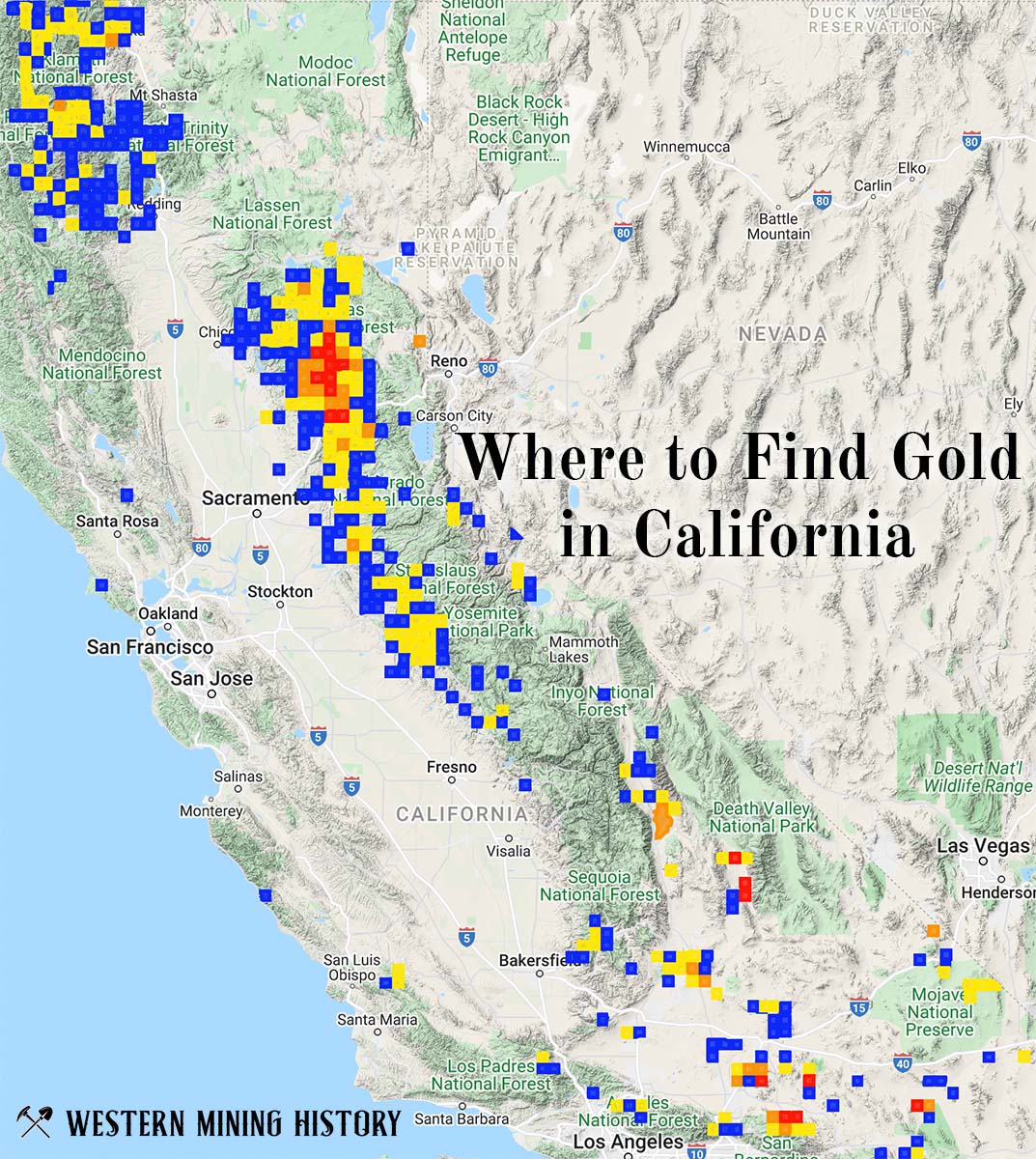
Exploring California’s Gold-Bearing Regions
California’s geological tapestry is rich with the history of gold deposition, primarily concentrated in the western foothills of the Sierra Nevada Mountains. This vast mountain range, stretching over 400 miles, was the epicenter of the 1849 gold fever and continues to be the most prolific area for gold prospecting today. The gold found here is predominantly placer gold, eroded from its original lode deposits and carried by rivers and streams over millennia.
The Mother Lode Region
The “Mother Lode” is the most famous and historically significant gold-producing belt in California. This series of veins and mineralized zones runs roughly parallel to the Sierra Nevada crest. While large-scale mining operations have largely ceased, many smaller creeks and rivers within this region still yield gold.
- Specific Counties to Target:
- Amador County: Known for its rich history and accessible prospecting areas, particularly around the towns of Jackson and Plymouth. The Cosumnes River and its tributaries are popular spots.
- Calaveras County: Home to the famous “Jumping Frog of Calaveras County,” this area also boasts numerous gold-bearing streams like the Calaveras River and its forks.
- El Dorado County: Named after the mythical city of gold, this county is legendary. The American River and its South, Middle, and North Forks have been heavily prospected but still offer opportunities. Towns like Placerville are steeped in gold rush history.
- Nevada County: Particularly around Nevada City and Grass Valley, this region is known for both lode and placer gold. The Yuba River and its tributaries are prime targets.
- Sierra County: Historically a major producer, especially around Downieville. The North Yuba River is a focal point for prospectors.
Northern California Gold Fields
While the Sierra Nevada dominates, gold can also be found in other parts of California, particularly in the northern counties. These areas often feature different geological formations and may require different prospecting techniques.
- Trinity County: Known for its remote wilderness and the Trinity River, which has historically yielded significant amounts of gold. The rugged terrain offers a more challenging but potentially rewarding experience.
- Shasta County: Gold has been found in numerous creeks and rivers, often associated with volcanic activity. The Sacramento River and its tributaries are worth investigating.
- Butte County: Areas around Oroville and the Feather River have a rich gold mining history.
Southern California Possibilities
While less common than in the north, gold has been discovered in scattered locations throughout Southern California. These deposits are often smaller and more localized.
- San Bernardino County: The Big Bear Lake region, specifically areas like Holcomb Valley, saw minor gold rushes in the late 19th century and still has potential for small finds.
- Riverside County: Gold has been reported in the Palen Mountains and surrounding desert areas, though these are typically difficult-to-access and often yield very fine gold.
Understanding Prospecting Techniques and Regulations
Successfully finding gold requires more than just knowing where to look; it involves understanding the right techniques and adhering to regulations that protect both the environment and the rights of prospectors.
Placer Gold Prospecting Methods
Placer gold is gold that has been eroded from its source and deposited in gravels, sands, and riverbeds. Common methods for finding placer gold include:
- Panning: The most basic and accessible method. It involves using a pan to wash away lighter material (sand and gravel) from heavier material (gold, black sands) using water. Successful panning relies on understanding how gold settles due to its high density.
- Sluicing: A more efficient method that uses a channel (sluice box) with riffles. Water is directed through the sluice, carrying gravel along. The riffles trap the heavy gold while lighter materials are washed away.
- Dredging: This involves using a suction dredge to vacuum up material from the bottom of a river or stream, which is then processed through a sluice. Note that dredge regulations can be strict and vary by location.
- Highbanking: Similar to sluicing, but the material is dug from the bank of a river or stream and then transported to a sluice box that is set up on the bank. This allows access to areas not reachable by direct stream sluicing.
Identifying Gold-Bearing Locations
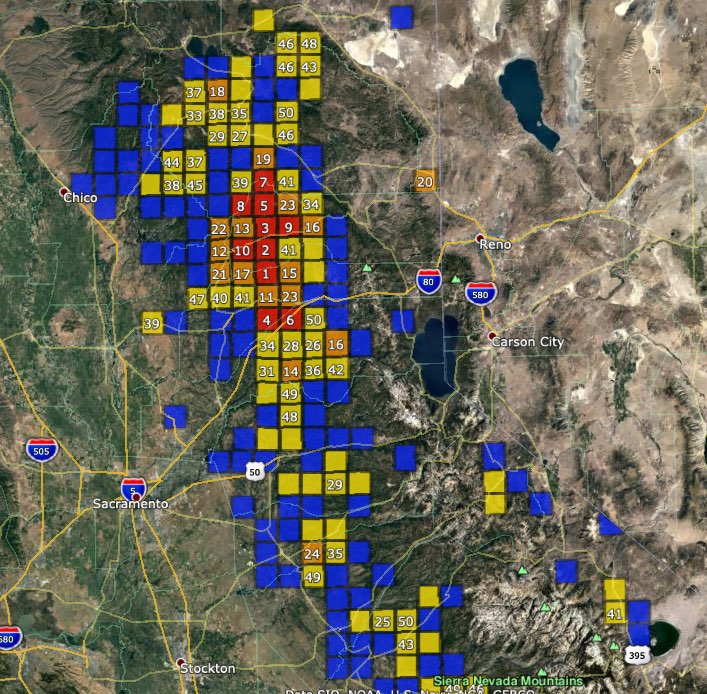
Gold is found in specific geological environments. Understanding these can significantly improve your chances:
- Inside Bends and Eddies: Gold, being heavy, tends to settle out of the current. Look for areas where the river slows down, such as the inside bends of a stream or behind large boulders.
- Bedrock Crevices: Gold can get trapped in cracks and crevices in the bedrock at the bottom of a stream. These are often excellent places to find concentrations of gold.
- Confluence Points: Where tributaries meet a larger river, the change in water flow can cause gold to drop out.
- Black Sands: Gold is often found associated with “black sands” – heavy minerals like magnetite, hematite, and ilmenite. While these don’t contain gold, their presence indicates an environment where gold might also settle.
Regulations and Permitting
Prospecting in California is subject to regulations designed to protect waterways and public lands. It’s crucial to be aware of these before heading out.
- Recreational vs. Commercial: Most amateur prospectors operate under recreational rules, which are generally less stringent. Commercial operations require more permits.
- Claim Staking: If you find a promising area, you might consider staking a mining claim. This involves marking the boundaries of your claim and filing the necessary paperwork with the Bureau of Land Management (BLM) and the county recorder. Claim validity requires annual fees and work requirements.
- Environmental Protection: Avoid disturbing riparian areas unnecessarily. Never use mercury for gold recovery, as it is highly toxic. Many areas have restrictions on dredging and the use of motorized equipment to protect fish spawning grounds. Always check with the local BLM office, U.S. Forest Service, or California Department of Fish and Wildlife for the most current regulations regarding prospecting activities in specific areas. Some parks and private lands may prohibit all forms of prospecting.
Essential Gear and Safety Precautions
Equipping yourself properly and prioritizing safety are paramount for a successful and enjoyable prospecting trip.
Essential Prospecting Equipment
- Gold Pan: A durable, high-quality gold pan is your most important tool.
- Shovel and Pick: For digging gravel and breaking up compacted material.
- Classifier: A set of screens to separate gravel into different sizes, making panning more efficient.
- Snuffer Bottle: A small, flexible plastic bottle used to suck up fine gold flakes from your pan.
- Vials or Containers: To store your gold finds.
- Gravel Bar: A tool for extracting material from crevices or digging deeper.
- Boots/Waders: Essential for comfort and safety when working in the water.
- Navigation Tools: Map, compass, and GPS device, especially if venturing into remote areas.
Safety and Preparedness
- Inform Others: Always let someone know where you are going and when you expect to return.
- Water Safety: River currents can be dangerous. Be aware of water levels and flow rates. Never prospect alone in fast-moving water.
- Weather: California’s weather can change rapidly, especially in the mountains. Be prepared for sun, heat, rain, and cold.
- Wildlife: Be aware of local wildlife, including rattlesnakes, bears, and mountain lions. Carry appropriate deterrents if necessary.
- First Aid: Carry a well-stocked first-aid kit and know how to use it.
- Stay Hydrated and Nourished: Bring plenty of water and food.
- Respect Private Property: Always obtain permission before prospecting on private land.
Beyond the Gold: The Experience of Prospecting
The allure of gold prospecting in California extends far beyond the potential monetary value of a find. It’s an immersion into history, a connection with nature, and a deeply rewarding personal experience. The pursuit itself offers a unique escape from the routines of modern life, allowing individuals to connect with the land and the legacy of those who sought their fortunes here centuries ago.
A Journey Through History
Prospecting in California is a direct link to the Gold Rush era. Standing by a river where thousands of prospectors toiled, using methods that have changed little in principle, provides a profound sense of continuity. Visiting historic mining towns like Coloma, Downieville, or Columbia State Historic Park further enriches this connection, offering glimpses into the lives of those who shaped the state’s destiny.
Connecting with Nature
The best gold-bearing locations are often in some of the most beautiful and unspoiled natural settings in California. Prospecting takes you into the heart of the Sierra Nevada forests, alongside pristine rivers and streams, and through rugged mountain landscapes. It’s an opportunity to disconnect from technology and reconnect with the natural world, observing its rhythms and appreciating its grandeur. The peace and tranquility found in these environments are often as valuable as any gold discovered.

The Thrill of Discovery
There is an undeniable thrill in the search for gold. The anticipation with every pan of material, the hope that the next scoop will reveal a glint of yellow, is a powerful motivator. Even small flakes or nuggets can bring immense satisfaction, representing a tangible reward for patience, effort, and a bit of luck. This element of discovery, the possibility of unearthing something precious that has lain hidden for ages, is a significant part of gold prospecting’s enduring appeal. It’s a tangible connection to the earth’s bounty and a reminder of the raw, untamed beauty of the Golden State.
LifeOutOfTheBox is a participant in the Amazon Services LLC Associates Program, an affiliate advertising program designed to provide a means for sites to earn advertising fees by advertising and linking to Amazon.com. Amazon, the Amazon logo, AmazonSupply, and the AmazonSupply logo are trademarks of Amazon.com, Inc. or its affiliates. As an Amazon Associate we earn affiliate commissions from qualifying purchases.