
The Sunshine State, with its alluring beaches, vibrant cities, and burgeoning healthcare industry, is a popular destination for many professionals. Among them, registered nurses (RNs) find a compelling landscape offering both career growth and a desirable lifestyle. Understanding the earning potential for RNs in Florida is crucial for those considering a move or seeking to advance their careers within the state. Factors such as location, experience, specialization, and the type of healthcare facility all play a significant role in determining salary, making it a complex but fascinating area to explore for anyone interested in the professional and economic aspects of healthcare in this dynamic region.

Factors Influencing Registered Nurse Salaries in Florida
The compensation for a registered nurse in Florida is not a monolithic figure. Instead, it’s a mosaic pieced together by several critical variables. Prospective and current RNs should be aware of these influences to set realistic expectations and to strategize for maximizing their earning potential.
Geographic Location Within Florida
Florida is a large state with diverse economic landscapes, and this is reflected in RN salaries. Major metropolitan areas and their surrounding suburbs typically offer higher wages due to a greater demand for healthcare services, a higher cost of living, and a more competitive job market.
Major Metropolitan Hubs
Cities like Miami, Tampa, Orlando, and Jacksonville often present the highest salary ranges for RNs. These areas are home to large hospital systems, numerous specialized clinics, and a higher population density, all contributing to increased demand for skilled nursing professionals. The competition among healthcare facilities in these urban centers can also drive up base pay and benefits to attract top talent. For instance, nurses working in the bustling healthcare networks of South Florida might see different figures than those in more rural parts of the Panhandle.
Rural and Suburban Areas
While generally lower than in major cities, salaries in suburban and rural areas of Florida can still be competitive, especially when considering the often lower cost of living. Some rural facilities may offer additional incentives or sign-on bonuses to attract nurses, compensating for the remoteness or the potentially longer commutes for staff. These areas might also offer unique experiences, such as more intimate patient relationships or a greater sense of community within the healthcare setting.
Experience Level and Seniority
As with most professions, a nurse’s experience is directly correlated with their earning potential in Florida. Entry-level positions naturally come with lower salaries, while seasoned nurses with years of practice command significantly higher compensation.
Entry-Level RNs
New graduates entering the nursing field in Florida can expect a starting salary that reflects their foundational knowledge and lack of hands-on experience. This initial phase is often characterized by extensive on-the-job training, mentorship, and a focus on skill development within a supervised environment. While the starting pay might be modest, the opportunities for learning and professional growth are substantial.
Mid-Career and Senior RNs
Nurses with five to ten years of experience typically see a noticeable increase in their salaries. They have developed specialized skills, refined their critical thinking abilities, and may have taken on more responsibility, such as charge nurse roles or preceptor duties. Beyond ten years, RNs can become highly sought-after experts, leading teams, contributing to policy development, or mentoring the next generation of nurses. Their advanced knowledge and proven track record justify higher compensation packages.
Nursing Specialization and Certifications
The specific area of nursing a registered nurse chooses to practice in, along with any advanced certifications they hold, can profoundly impact their salary in Florida. Highly specialized fields and those requiring extensive training or demanding conditions often offer higher remuneration.
High-Demand Specializations
Certain nursing specialties are consistently in high demand across Florida and, consequently, offer higher salaries. These include:
- Intensive Care Unit (ICU) Nursing: RNs working in ICUs, managing critically ill patients, require advanced skills and face high-stress situations, leading to increased pay.
- Emergency Room (ER) Nursing: The fast-paced and often chaotic environment of the ER demands quick thinking and decisive action, making ER nurses well-compensated.
- Operating Room (OR) Nursing: Surgical nurses, whether in scrub or circulating roles, are integral to patient safety and successful surgical outcomes, reflecting in their salaries.
- Oncology Nursing: Caring for cancer patients requires specialized knowledge and emotional resilience, making oncology nurses highly valued.
- Neonatal Intensive Care Unit (NICU) Nursing: Specializing in the care of newborns, particularly premature or critically ill infants, is a demanding and rewarding field with competitive salaries.
- Telemetry Nursing: Monitoring patients’ cardiac rhythms requires specialized knowledge and attention to detail, often leading to higher pay.
Advanced Certifications
Obtaining professional certifications demonstrates a commitment to a specific area of nursing and validates advanced competency. Common certifications, such as those in critical care (e.g., CCRN), emergency nursing (e.g., CEN), or oncology (e.g., OCN), can often lead to salary increases or qualify nurses for higher-paying positions within Florida’s healthcare institutions. These certifications underscore expertise and can be a significant negotiating point during salary discussions.
Type of Healthcare Facility
The setting in which a registered nurse practices is another significant determinant of their income. Different types of healthcare facilities have varying financial structures, patient loads, and operational needs, all of which influence compensation.
Hospitals (Private vs. Public)
Hospital-based nursing is a cornerstone of the profession in Florida. Large non-profit hospital systems, such as AdventHealth or HCA Healthcare, may offer competitive salaries and comprehensive benefits packages. For-profit hospitals also compete for talent, and their compensation structures can vary. Public hospitals, often county-run or affiliated with state universities, might have different pay scales, sometimes influenced by government funding and union contracts.

Outpatient Clinics and Physician Offices
RNs working in outpatient clinics, such as those found in Tampa or Orlando, or in private physician offices, generally earn less than their hospital-based counterparts. The patient acuity is typically lower, and the work environment may be less demanding in terms of immediate crisis management. However, these roles often offer more regular hours and a better work-life balance.
Long-Term Care Facilities and Skilled Nursing Homes
Facilities focused on long-term care, including nursing homes and skilled nursing facilities, often have tighter budgets and higher patient-to-nurse ratios compared to acute care hospitals. As a result, RN salaries in these settings tend to be on the lower end of the spectrum. However, for nurses who prefer a more consistent pace and long-term patient relationships, these roles can be fulfilling.
Travel Nursing Agencies
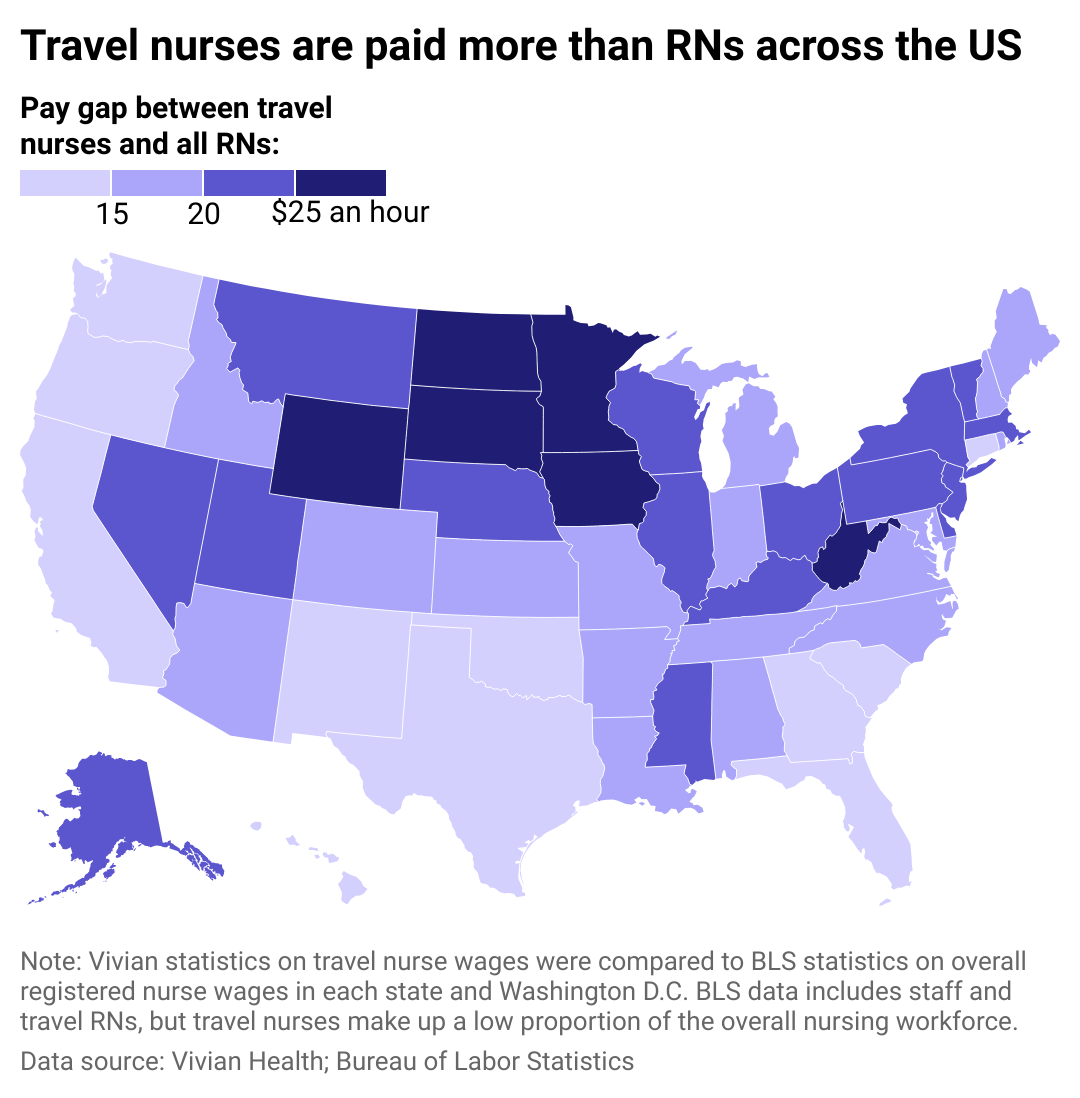
Registered nurses seeking the highest earning potential and a dynamic career path often consider travel nursing. Agencies that place RNs in short-term contracts across Florida can offer significantly higher weekly pay, as it often includes stipends for housing, meals, and travel. While the pay is attractive, it requires adaptability, a willingness to relocate frequently, and often involves working in high-demand areas or understaffed facilities.
Average Registered Nurse Salaries in Florida
While specific figures can fluctuate based on the factors mentioned above and market dynamics, it is possible to provide an estimated average salary range for registered nurses in Florida. These averages serve as a benchmark for understanding the general earning potential.
Salary Benchmarks and Ranges
According to various industry reports and salary aggregators, the average annual salary for a registered nurse in Florida typically falls within the range of $70,000 to $90,000. This figure represents a broad average and does not account for the significant variations based on experience, specialization, and location.
- Entry-Level RNs: Newly graduated RNs might start in the lower end of this range, potentially between $60,000 and $70,000 annually.
- Experienced RNs: Nurses with several years of experience and potentially a specialization could see their annual salaries climb to $80,000 to $100,000 or even higher.
- Advanced Practice Registered Nurses (APRNs): While this article focuses on RNs, it’s worth noting that APRNs, such as Nurse Practitioners or Certified Nurse Midwives, command significantly higher salaries, often exceeding $100,000 annually, reflecting their advanced education and scope of practice.
Hourly Wage Equivalents
For those who prefer to think in terms of hourly rates, the average registered nurse in Florida can expect to earn approximately $33 to $43 per hour. This hourly rate is derived from the annual salary divided by a standard 40-hour work week, excluding any overtime or on-call pay. Travel nurses, in particular, often negotiate higher hourly rates that can exceed $50 per hour or more, especially for high-demand assignments.
Cost of Living Considerations
It is essential to consider the cost of living when evaluating salary figures. While Florida offers a desirable lifestyle, the cost of living varies considerably across the state. Major metropolitan areas like Miami and Naples have a higher cost of living, particularly concerning housing, compared to more rural parts of the state. Therefore, a salary that might seem high in a less expensive area might be more comparable to a lower salary in a high-cost urban center when adjusted for living expenses. For example, an RN earning $85,000 in a rural county in North Florida might have a similar disposable income to an RN earning $95,000 in South Florida, depending on specific expenditure patterns.
Maximizing Earning Potential as a Registered Nurse in Florida
For registered nurses looking to optimize their income in Florida, a strategic approach to career development and job selection is key. Understanding where the highest demand and compensation lie, and actively pursuing opportunities for growth, can lead to significant financial rewards.
Pursuing Advanced Education and Certifications
Investing in further education and obtaining specialized certifications are among the most effective ways to boost earning potential.
- Master’s or Doctoral Degrees: Pursuing a Master of Science in Nursing (MSN) or a Doctor of Nursing Practice (DNP) can open doors to advanced roles such as nurse practitioners, nurse anesthetists, nurse educators, or administrators, all of which command higher salaries.
- Specialty Certifications: As previously mentioned, obtaining certifications in high-demand areas like critical care, emergency services, or oncology can make RNs more marketable and eligible for higher pay scales. These certifications often require a period of practice in the specialty and passing a rigorous exam.
Seeking Opportunities in High-Paying Sectors
Certain sectors within Florida’s healthcare industry are known for offering more competitive compensation.
- Travel Nursing: For those seeking maximum income and flexibility, travel nursing contracts in Florida can offer substantially higher pay rates than permanent positions. These roles often arise from staffing shortages in specific facilities or regions.
- Specialized Hospital Units: Working in critical care units (ICU, CVICU), emergency departments, or operating rooms within large hospital systems generally offers better pay than medical-surgical floors or less acute care settings.
- Out-of-State Experience: While focusing on Florida, it’s worth noting that nurses who have gained significant experience in high-paying markets outside of Florida may be able to leverage that experience for higher salaries upon returning or relocating to the Sunshine State.
Negotiation Skills and Market Awareness
Effective salary negotiation is a critical skill for any professional, including registered nurses in Florida.
- Research Market Rates: Before accepting a job offer or during annual reviews, nurses should research current salary benchmarks for their role, experience level, and geographic location. Websites, professional organizations, and networking with peers can provide valuable insights.
- Highlight Skills and Accomplishments: During salary negotiations, nurses should be prepared to articulate their specific skills, accomplishments, and the value they bring to the employer. This can include successful patient outcomes, contributions to process improvements, or leadership experience.
- Consider the Total Compensation Package: Beyond the base salary, nurses should evaluate the entire compensation package, including health insurance, retirement plans, paid time off, tuition reimbursement, and continuing education opportunities. These benefits can significantly add to the overall financial value of a position.
By understanding the multifaceted nature of RN compensation in Florida and proactively engaging in career development and negotiation, registered nurses can build a rewarding and financially secure future in this vibrant state.
LifeOutOfTheBox is a participant in the Amazon Services LLC Associates Program, an affiliate advertising program designed to provide a means for sites to earn advertising fees by advertising and linking to Amazon.com. Amazon, the Amazon logo, AmazonSupply, and the AmazonSupply logo are trademarks of Amazon.com, Inc. or its affiliates. As an Amazon Associate we earn affiliate commissions from qualifying purchases.