
California, a state renowned for its diverse landscapes stretching from the sun-drenched coastlines to the rugged mountain ranges, offers a surprising and often overlooked hunting experience. Beyond the glitz and glamour of its famous cities and entertainment industry, a significant portion of the Golden State is dedicated to preserving its natural heritage, which includes providing opportunities for regulated hunting. For those seeking to connect with the wild and engage in this traditional pursuit, California presents a variety of terrains and species to pursue.
Understanding the regulations, seasons, and specific locations is paramount for any aspiring hunter in California. The state is managed by the California Department of Fish and Wildlife (CDFW), which oversees all hunting activities to ensure conservation and sustainability. This involves a complex system of permits, licenses, and tags, all designed to manage wildlife populations responsibly.
Understanding California’s Hunting Landscape
California’s vastness translates into a wide array of habitats, each supporting different game species. From the dense forests of the Sierra Nevada mountains to the arid scrublands of Southern California and the expansive grasslands of the Central Valley, the hunting opportunities are as varied as the state’s geography.
Big Game Opportunities
The most sought-after hunting experiences in California often revolve around its big game populations.
Deer
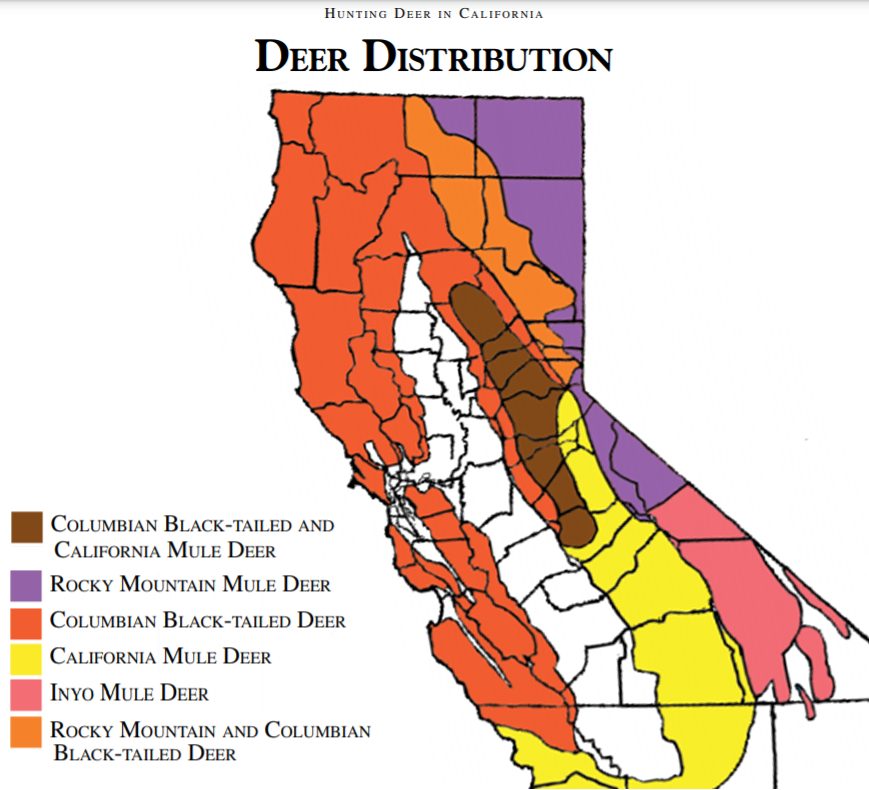
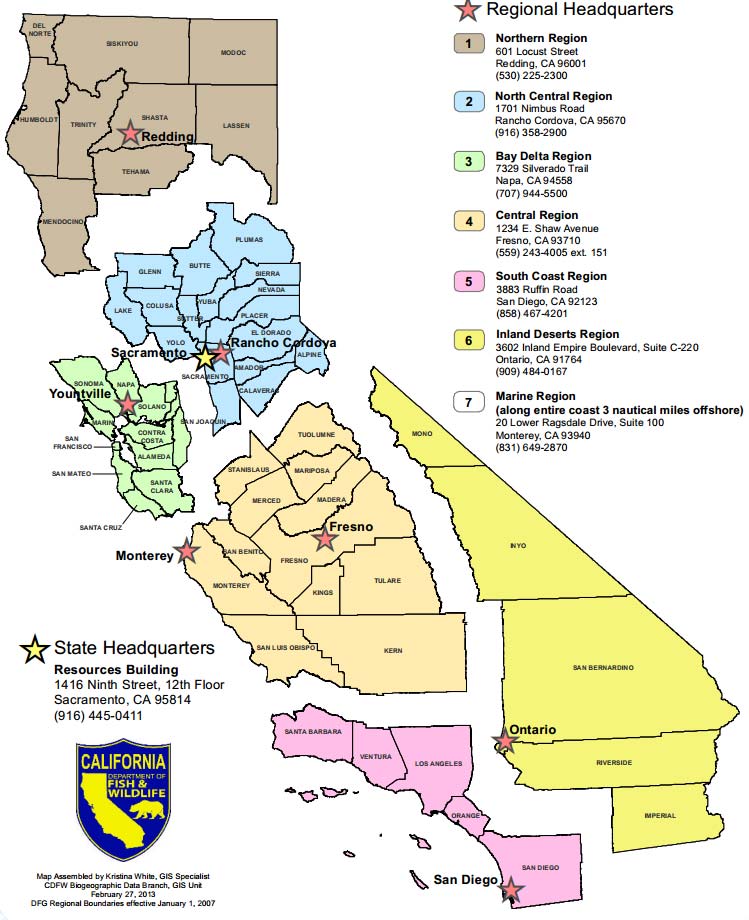
California is home to several subspecies of deer, primarily the black-tailed deer along the coast and in the northern forests, and the mule deer in the drier, mountainous regions. Hunting seasons and regulations vary significantly by zone and subspecies. Archery, muzzleloader, and rifle seasons are typically offered, with specific tags required for each. The CDFW designates various zones across the state, and understanding which zone your desired hunting area falls into is crucial for obtaining the correct tags and adhering to season dates.
Other Big Game
While deer are the most prevalent, California also offers opportunities for hunting elk, particularly the tule elk and Roosevelt elk. These hunts are highly regulated and often involve a lottery system for permits due to the species’ conservation status and limited populations. Bear hunting is also permitted in certain areas, with specific regulations in place to manage their populations. Wild pigs are another popular game animal, found in many parts of the state and offering a more accessible hunting experience for many.
Upland Game Birds
For enthusiasts of smaller game, California boasts a rich diversity of upland game birds.
Quail
Quail hunting is a quintessential California experience, especially in the chaparral and oak woodlands of the southern and central regions. Gambel’s quail, California quail, and mountain quail are the primary species. Many public lands are open to quail hunting, and success often depends on finding water sources and suitable cover.
Pheasant and Chukar
Pheasants are typically found in agricultural areas and managed hunting preserves, offering a more introduced but nonetheless popular pursuit. Chukar partridge inhabit the steeper, rocky slopes and arid hillsides, providing a challenging hunt that requires good physical conditioning.
Waterfowl
California’s extensive network of wetlands, marshes, and agricultural fields makes it a critical flyway for migratory waterfowl.
Ducks and Geese
Hunters can pursue a variety of duck species, including mallards, pintails, and widgeons, as well as geese such as Canada geese and snow geese. Popular waterfowl hunting areas include the Sacramento Valley, the Suisun Marsh, and various public wildlife areas along the coast and inland. Season dates and bag limits are strictly enforced and vary by species and flyway.
Planning Your California Hunting Trip
A successful hunting trip in California requires meticulous planning, starting with understanding the licensing and tag system.
Licenses and Tags

Before you can hunt, you must obtain a California hunting license. This is the foundational requirement for all hunters. In addition to the general license, specific tags are required for certain species, such as deer, elk, and bear. These tags are often limited and may be allocated through a drawing or preference point system. It is imperative to research the application periods for these tags well in advance. The CDFW website is the primary resource for all licensing and tag information, including application deadlines and drawing results.
Public vs. Private Land Hunting
California offers a mix of public and private land hunting opportunities.
Public Hunting Lands
The CDFW manages numerous wildlife areas, ecological reserves, and public shooting grounds that are open to hunting. These areas often have specific regulations and may require additional permits or reservations. National Forests, such as the Shasta-Trinity National Forest or the Sequoia National Forest, also provide vast tracts of public land where hunting is permitted, subject to federal and state regulations. It is essential to consult maps and regulations for each specific public land unit.
Private Land Hunting and Preserves
Many landowners in California allow hunting on their private property, often for a fee. This can provide access to prime hunting grounds that might otherwise be inaccessible. Additionally, licensed hunting preserves offer controlled environments for hunting game birds like pheasants and chukar. These preserves can be a good option for those seeking a more guaranteed hunting experience or for practicing skills.
Key Hunting Areas and Regions
California’s diverse geography lends itself to distinct hunting experiences in various regions.
Northern California
The vast forests and rugged terrain of Northern California are prime territory for deer, bear, and some upland birds. Areas like the Klamath National Forest and the coastal ranges offer excellent opportunities. The Sacramento Valley is a renowned destination for waterfowl hunters during the fall and winter months.
Central California
The diverse landscapes of Central California, from the foothills of the Sierra Nevada to the Central Coast, support a variety of game. The Los Padres National Forest and the San Luis Reservoir area are popular for deer and wild pigs. Upland bird hunting is also prevalent in the agricultural regions and oak woodlands.
Southern California
While often perceived as densely populated, Southern California still offers hunting opportunities, particularly in the mountainous and desert regions. The San Bernardino National Forest and the Cleveland National Forest provide habitat for deer and wild pigs. Hunting in the more arid public lands requires careful planning due to water scarcity and extreme temperatures.
Important Considerations for California Hunters
Beyond the logistical aspects of licenses and locations, responsible hunting practices and safety are paramount.
Hunter Education
California requires all new hunters to complete a hunter education course before purchasing a hunting license. This course covers essential topics such as firearm safety, wildlife conservation, ethical hunting practices, and survival skills. It is a vital step for ensuring safe and responsible hunting.
Ethical Hunting and Conservation
Ethical hunting is at the core of responsible wildlife management. This includes understanding and respecting bag limits, practicing proper firearm handling, making clean kills, and utilizing harvested game to its fullest. Conservation is a shared responsibility, and adhering to CDFW regulations is critical for maintaining healthy wildlife populations for future generations.
Safety and Preparedness
Hunting in California’s varied terrain can present challenges. Hunters should always inform someone of their hunting plans, including their intended location and expected return time. Carrying essential safety gear, such as a first-aid kit, water, food, navigation tools (map, compass, GPS), and appropriate clothing for changing weather conditions, is non-negotiable. Familiarizing yourself with the specific hunting area, including potential hazards like wildlife encounters and terrain challenges, is also crucial.
California’s hunting landscape is a rich and rewarding one, offering a unique connection to the state’s natural beauty. With proper planning, adherence to regulations, and a commitment to ethical practices, hunters can experience the thrill of the chase and the satisfaction of a successful harvest within its diverse and expansive wildlands.
LifeOutOfTheBox is a participant in the Amazon Services LLC Associates Program, an affiliate advertising program designed to provide a means for sites to earn advertising fees by advertising and linking to Amazon.com. Amazon, the Amazon logo, AmazonSupply, and the AmazonSupply logo are trademarks of Amazon.com, Inc. or its affiliates. As an Amazon Associate we earn affiliate commissions from qualifying purchases.