
Becoming a foster parent in California is a profound act of service, offering a vital lifeline to children and youth in need of a safe and nurturing home. This journey is filled with both immense rewards and significant responsibilities, requiring dedication, compassion, and a deep understanding of the process. This guide aims to demystify the path to becoming a foster parent in the Golden State, covering the essential steps, requirements, and considerations.
Understanding Foster Care in California
Foster care is a temporary, community-based system designed to protect children whose biological parents are unable to provide adequate care due to abuse, neglect, or abandonment. The primary goal of foster care is reunification with the biological family. However, when reunification is not possible, the focus shifts to finding a permanent placement, which can include adoption or guardianship. In California, the system is overseen by the California Department of Social Services (CDSS) and implemented through county social services agencies and licensed private agencies.
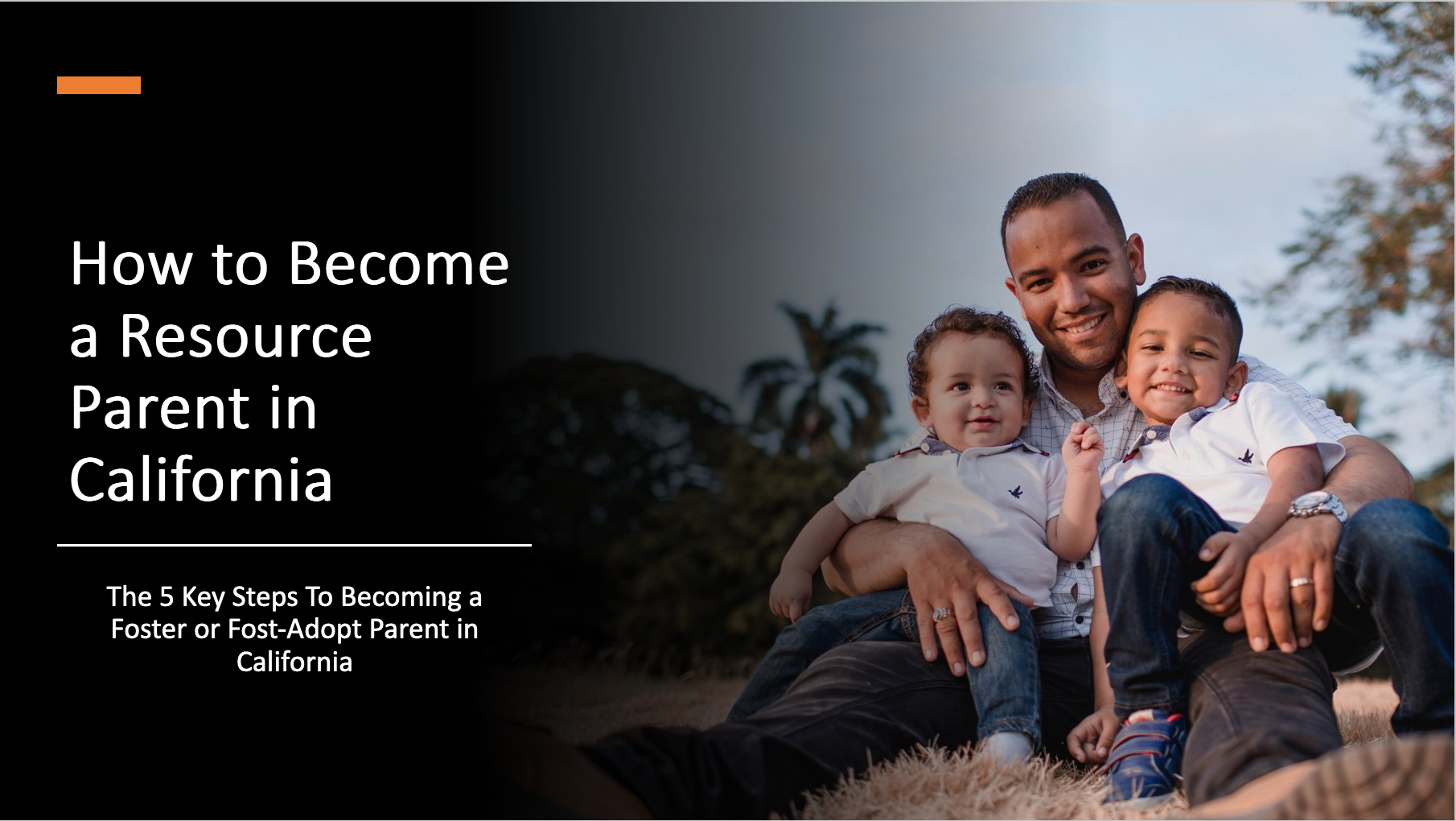
The Need for Foster Parents
The need for loving and stable foster homes in California is substantial. Thousands of children enter the foster care system each year, ranging from infants to teenagers, each with unique backgrounds and needs. These children often have experienced trauma and require patient, understanding caregivers who can provide a sense of security and normalcy. Foster parents play a critical role in a child’s development, offering emotional support, stability, and opportunities for healing and growth during a challenging period in their lives. The diversity of children in care means there is a need for foster parents from all walks of life, with varying family structures, cultural backgrounds, and parenting experiences. Whether you are a single individual, a married couple, or part of a blended family, your capacity to provide a loving home is what truly matters.
Types of Foster Care Placements
California offers various types of foster care placements to meet the diverse needs of children:
- General Foster Care: This is the most common type of placement, providing a temporary home for children who have been removed from their biological parents’ care.
- Medically Fragile Foster Care: This specialized placement is for children with significant medical needs requiring ongoing care and monitoring.
- Therapeutic Foster Care: This level of care is for children with significant emotional, behavioral, or developmental challenges who require intensive therapeutic support in a structured home environment.
- Pre-Adoptive Homes: For children whose permanency goal is adoption, pre-adoptive homes provide a stable environment with the intention of adopting the child once legal termination of parental rights is achieved.
- Relative Placements (Kinship Care): While often not considered traditional foster care, when relatives step in to care for a child, they may still be involved with the child welfare system and can receive support services.
The Foster Parent Application Process
The journey to becoming a licensed foster parent in California involves several key stages, each designed to ensure prospective parents are prepared and capable of meeting the needs of children in their care. While the exact timeline can vary by county and agency, the general process is consistent.
Initial Inquiry and Orientation
The first step is usually to contact your local county social services agency or a licensed foster care agency. Most agencies offer informational meetings or orientations, either in person or online. These sessions provide an overview of foster care, the responsibilities involved, the types of children needing homes, and the agency’s specific requirements. This is an excellent opportunity to ask questions and determine if foster parenting aligns with your personal goals and capacity.
The Application and Home Study
Once you decide to proceed, you will complete a formal application. This document will collect detailed personal information, including your background, family history, financial stability, and motivations for becoming a foster parent.
Following the application, a crucial phase known as the “home study” begins. This comprehensive evaluation is conducted by a social worker and involves:
- In-Home Interviews: The social worker will visit your home to assess its safety and suitability for a child. They will evaluate living spaces, potential hazards, and overall living conditions.
- Personal Interviews: You and all adult members of your household will be interviewed individually and together. The social worker will discuss your parenting philosophy, your ability to handle challenging behaviors, your support network, and your understanding of the foster care system.
- Background Checks: Thorough background checks, including criminal history, child abuse registries, and fingerprinting, are conducted for all adults living in the home.
- Health and Financial Stability: You will need to provide proof of good health and financial stability to demonstrate your ability to support a child.
- References: You will be asked to provide personal references who can speak to your character and suitability as a caregiver.
The home study is not intended to be intrusive but rather to ensure a safe and supportive environment for a child and to match children with families who best meet their needs.
Training and Development
A mandatory part of the licensing process is completing pre-service training. In California, this training, often referred to as PRIDE (Parents’ Resources for Information, Development, and Education) or a similar curriculum, covers essential topics such as:

- Child development and the impact of trauma.
- Discipline strategies and positive parenting techniques.
- Understanding the child welfare system and legal processes.
- Working effectively with birth families and agency professionals.
- Cultural competency and diversity.
- Managing behaviors and emotional challenges.
This training is crucial for equipping prospective foster parents with the knowledge and skills necessary to navigate the complexities of foster care. It also provides an opportunity to connect with other aspiring foster parents and learn from their experiences.
Requirements for Becoming a Foster Parent in California
California has specific requirements designed to ensure the safety and well-being of children placed in foster care. These requirements are in place regardless of whether you are applying through a county agency or a private licensed agency.
Basic Eligibility Criteria
- Age: Applicants must be at least 18 years old. There is no upper age limit, but consideration is given to the age and health of prospective parents in relation to the age of children they can care for.
- Marital Status: You do not need to be married to become a foster parent. Single individuals, married couples, and registered domestic partners are all eligible.
- Citizenship/Residency: You must be a United States citizen or a legal resident, and a resident of California.
- Criminal History: As mentioned, extensive background checks are conducted. Certain criminal convictions, especially those involving child abuse, neglect, or violence, may disqualify an applicant.
- Substance Abuse: A history of substance abuse may require a period of sobriety and demonstrated recovery.
- Mental and Physical Health: Applicants must be in good physical and mental health to care for children. Medical evaluations may be required.
Home and Living Environment
- Safe and Adequate Housing: Your home must be safe, clean, and provide adequate space for the number of children you intend to foster. This includes having a separate bed for each child and ensuring fire safety measures are in place.
- Immunizations and Vaccinations: All household members, including foster children, must be up-to-date on required immunizations.
- Pets: While pets are generally allowed, they must be up-to-date on vaccinations and licensed if required. The social worker will assess if any pets pose a risk to children.
- Transportation: You must have reliable transportation for appointments, school, and activities.
Financial Stability
While foster parents receive a monthly stipend to help cover the child’s expenses, they must demonstrate sufficient financial stability to support themselves and their family without relying solely on the foster care reimbursement. This means having stable income from employment or other sources to cover your household’s ongoing needs.
The Foster Parent Experience: Support and Responsibilities
Becoming a foster parent is a commitment that extends beyond the licensing process. It involves ongoing responsibilities and requires a strong support system to ensure success for both the foster parent and the child.
Responsibilities of a Foster Parent
- Providing a Safe and Nurturing Environment: This is the primary responsibility – ensuring a child feels secure, loved, and supported.
- Meeting the Child’s Needs: This includes providing food, clothing, shelter, medical and dental care, and educational support.
- Supporting the Child’s Emotional Well-being: Helping children cope with their experiences, build resilience, and develop healthy coping mechanisms.
- Facilitating Contact with Birth Families: When safe and appropriate, foster parents are expected to support and facilitate visits and communication between the child and their biological family, as directed by the court and social worker.
- Attending Appointments and Meetings: This includes medical appointments, therapy sessions, court hearings, and case planning meetings.
- Maintaining Records: Keeping accurate records of the child’s progress, medical history, and significant events.
- Collaborating with the Agency: Working closely with the social worker, therapists, teachers, and other professionals involved in the child’s case.
Support Systems for Foster Parents
California recognizes the challenges and demands of foster parenting and provides various support systems:
- Financial Stipend: Foster parents receive a monthly stipend to help cover the costs of caring for a child. The amount varies based on the child’s age and needs.
- Medical and Dental Coverage: Children in foster care are typically covered by Medi-Cal.
- Respite Care: Respite care services are available to provide temporary relief for foster parents, allowing them to take breaks and recharge.
- Training and Professional Development: Ongoing training opportunities are provided to enhance parenting skills and knowledge.
- Caseworker Support: A dedicated social worker from the agency provides guidance, assistance, and case management.
- Support Groups: Many agencies facilitate support groups where foster parents can connect with peers, share experiences, and receive encouragement.
- Therapeutic Services: Access to mental health professionals and therapeutic services for children in foster care.

Making a Difference: The Rewards of Foster Parenting
While the path to becoming a foster parent in California requires dedication and perseverance, the rewards are immeasurable. You have the opportunity to profoundly impact a child’s life, offering them stability, hope, and the chance to heal and thrive.
By opening your home and heart, you become a vital part of a child’s journey, providing them with the security and love they deserve during a critical time. The resilience of children, coupled with the positive changes foster parents facilitate, creates a powerful testament to the human spirit. Whether a placement is short-term or leads to a permanent family connection, the legacy of your kindness and commitment will resonate for years to come. For those considering this noble path, the journey is one of profound personal growth and significant contribution to the well-being of children in your community.
LifeOutOfTheBox is a participant in the Amazon Services LLC Associates Program, an affiliate advertising program designed to provide a means for sites to earn advertising fees by advertising and linking to Amazon.com. Amazon, the Amazon logo, AmazonSupply, and the AmazonSupply logo are trademarks of Amazon.com, Inc. or its affiliates. As an Amazon Associate we earn affiliate commissions from qualifying purchases.