
The allure of exotic destinations often conjures images of sun-drenched beaches, ancient ruins, and vibrant cultural landscapes. When the name “La California” is mentioned, it evokes a sense of romantic mystery, hinting at a place of considerable beauty and perhaps a touch of the undiscovered. However, pinpointing “La California” on a modern map can be surprisingly complex, as its meaning has evolved and its historical significance has blurred with geographical and political shifts. This exploration delves into the origins of the name, its historical contexts, and the contemporary places that might be associated with this evocative moniker.
The Mythical Origins of “La California”
The story of “La California” begins not with a verifiable geographical location, but with a work of fiction. In the early 16th century, the Spanish writer Garci Rodríguez de Montalvo penned the chivalric romance Las sergas de Esplandián (The Adventures of Esplandián). Within this wildly popular novel, Montalvo described a mythical island paradise, rich in gold, inhabited by fierce, Amazon-like warriors, and ruled by the queen Calafia. This island, situated “on the right hand of the Indies,” was named “California” after its queen.
The Island of the Amazons
Montalvo’s description of California painted a vivid picture of a land of extraordinary wealth and natural beauty. He wrote of islands populated by blackamoors, where gold was plentiful, and where griffins dwelled. The inhabitants were skilled warriors, particularly the women, who fought alongside men and even led armies. This legendary land captured the imagination of a Spain then deeply engrossed in exploring and colonizing the New World.
Early Explorers’ Dreams
The literary conception of California became intertwined with the burgeoning Age of Exploration. Spanish explorers, fueled by tales of riches and uncharted territories, were actively seeking new lands to claim and exploit. It is believed that the name “California” was carried across the Atlantic by these eager adventurers, who began to apply it, often erroneously, to the lands they encountered. The idea of a wealthy, possibly insular territory resonated strongly with their ambitions.
From Fiction to Frontier: The Naming of the Peninsula
The first documented instance of “La California” being used on a map and applied to a real geographical feature is attributed to the explorations of Hernán Cortés and his men in the 1530s. Driven by rumors of wealthy lands to the north of New Spain, Cortés dispatched several expeditions.
Cortés’s Expeditions and Early Discoveries
In 1533, an expedition funded by Cortés landed near the present-day Bahía de La Paz in what is now Baja California Sur. The land they encountered, a arid peninsula, bore little resemblance to the tropical paradise described in Montalvo’s novel. However, the explorers, still clinging to the idea of finding a rich land, decided to christen this new territory “California,” likely in reference to the mythical island from the popular romance. They believed they had found a rich island, not realizing it was part of a larger continent.
The Misconception of an Island
For a considerable period, cartographers and explorers alike believed that the landmass they called “La California” was indeed an island, separate from the mainland. This misconception persisted for over a century, fueled by the initial descriptions and the challenging geography of the region, which made it difficult to ascertain its true continental connection. Early maps often depicted California as an island to the west of the known territories of New Spain.
The Evolution of “California” on the Map
As exploration continued, the geographical understanding of “La California” evolved, leading to its division and eventual association with distinct regions. The vast territory initially encompassed by the name gradually became understood as a much larger entity, eventually being split into two distinct administrative and geographical regions.
Alta California: The Northern Frontier
The northern part of the territory, stretching from approximately present-day Baja California northwards, became known as “Alta California” (Upper California). This region was sparsely populated by indigenous peoples and was largely overlooked by the Spanish for many years due to its perceived lack of immediate riches. However, by the late 18th century, with the expansion of Russia and Great Britain into the Pacific, Spain sought to solidify its claims. This led to the establishment of missions, presidios, and pueblos across Alta California, laying the groundwork for future settlements.
Baja California: The Southern Peninsula
The southern part, the peninsula itself, remained known simply as “California” or sometimes “Baja California” (Lower California). This region was explored and settled earlier than Alta California, with missions and settlements established along its coast. Despite the early Spanish presence, Baja California remained a frontier territory, often characterized by its harsh desert environment and isolated communities.
Modern Interpretations and Associations
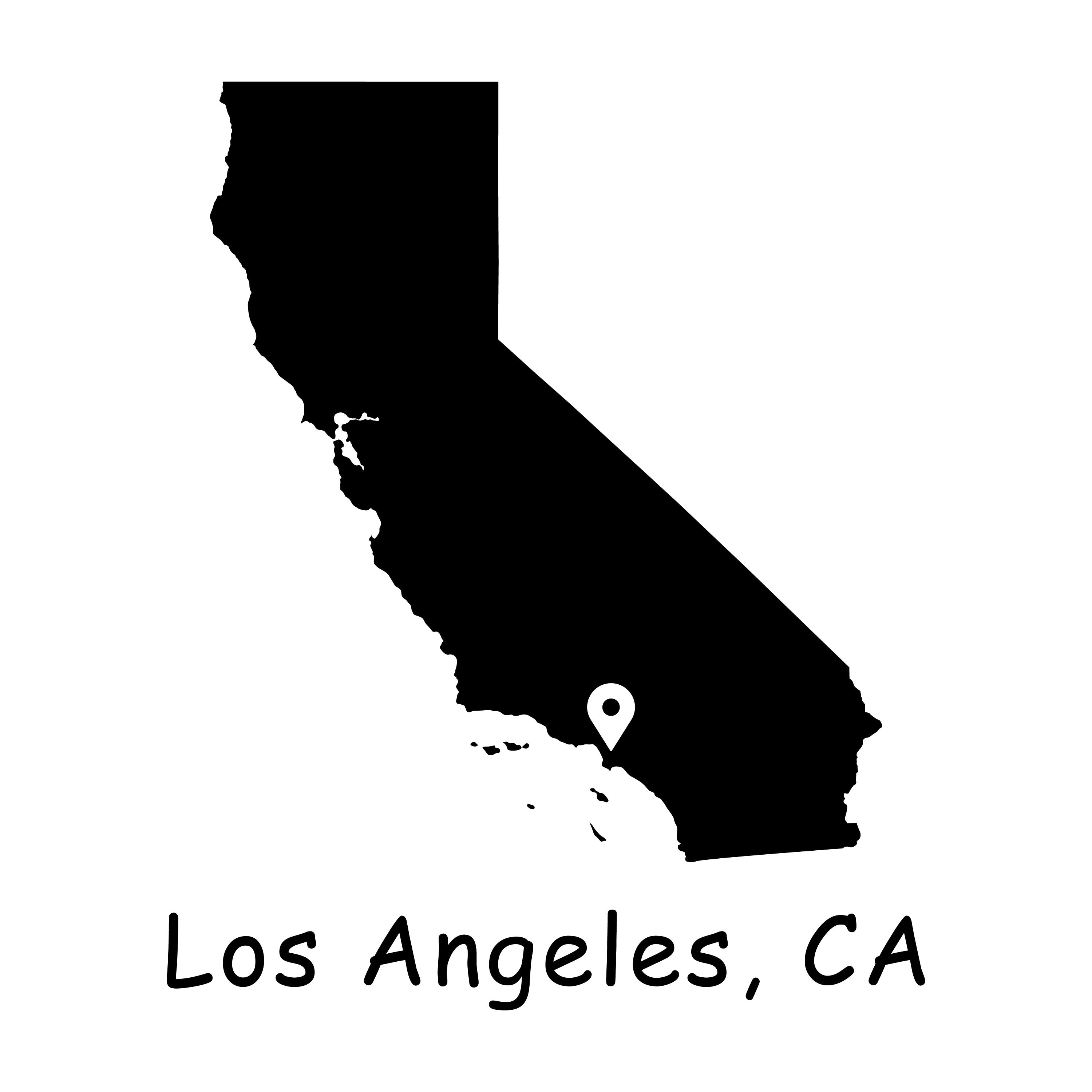
Today, the name “California” is most famously associated with the state of California in the United States, a testament to the historical journey of the name. However, the original geographical context of “La California” still resonates in Mexico.
California, USA: The Golden State
The territory of Alta California was acquired by the United States from Mexico in 1848 following the Mexican-American War. Shortly thereafter, the discovery of gold at Sutter’s Mill in 1848 ignited the famous California Gold Rush, attracting hundreds of thousands of people and leading to its rapid development and eventual statehood in 1850. The modern State of California is a global hub of culture, technology, and entertainment, a far cry from the mythical island but undeniably carrying the legacy of its name.
Baja California and Baja California Sur, Mexico: The Original Californias
In Mexico, the original geographical entity of “La California” persists in the two states that form the peninsula: Baja California and Baja California Sur. These states retain the historical name and offer a different, yet equally compelling, travel experience.
Baja California: Vibrant Cities and Coastal Charm
The northernmost state, Baja California, is known for its lively cities like Tijuana and the popular tourist destination of Ensenada. Its coastline is dotted with resorts and surf breaks, attracting visitors seeking a blend of urban excitement and coastal relaxation. The region offers a distinct flavor of Mexican culture, influenced by its proximity to the United States and its rich history of exploration and settlement.
Baja California Sur: Desert Meets the Sea
Baja California Sur, the southern state, is characterized by its dramatic desert landscapes meeting the pristine waters of the Sea of Cortez and the Pacific Ocean. Destinations like La Paz and Cabo San Lucas are world-renowned for their luxury resorts, sport fishing, whale watching, and stunning natural beauty. This state embodies the more rugged and remote aspects of the original “California,” offering a unique adventure for travelers.

Conclusion: A Name With a Rich Tapestry
When inquiring “Where is La California on a map?”, the answer is multifaceted. It is a name born of myth, shaped by exploration, and redefined by history. From the fictional island of Queen Calafia to the bustling modern state in the United States and the captivating peninsula in Mexico, “La California” represents a journey through imagination, discovery, and the enduring human quest for new horizons. Whether one seeks the vibrant energy of the Golden State or the tranquil beauty of the Mexican peninsula, the spirit of “La California” continues to beckon travelers to explore its diverse and fascinating landscapes.
LifeOutOfTheBox is a participant in the Amazon Services LLC Associates Program, an affiliate advertising program designed to provide a means for sites to earn advertising fees by advertising and linking to Amazon.com. Amazon, the Amazon logo, AmazonSupply, and the AmazonSupply logo are trademarks of Amazon.com, Inc. or its affiliates. As an Amazon Associate we earn affiliate commissions from qualifying purchases.