
Nestled along the rugged, breathtaking coastline of Northern California, Mendocino County stands as a testament to the state’s wild and untamed beauty. Far from the bustling metropolises of Southern California, this picturesque region offers a distinct experience, characterized by dramatic cliffs, ancient redwood forests, and charming seaside villages. Understanding its geographical placement is the first step to unlocking the myriad of adventures and serene escapes that await within its borders.
Geographical Positioning and Key Features
Mendocino County is situated in the northwestern part of California, extending from the Pacific Ocean inland. It is bordered by three other counties: Sonoma County to the south, Lake County to the southeast, and Glenn County and Mendocino National Forest to the east. Its western edge is defined by the vast expanse of the Pacific Ocean, creating a dramatic and iconic coastline that draws visitors from around the globe.
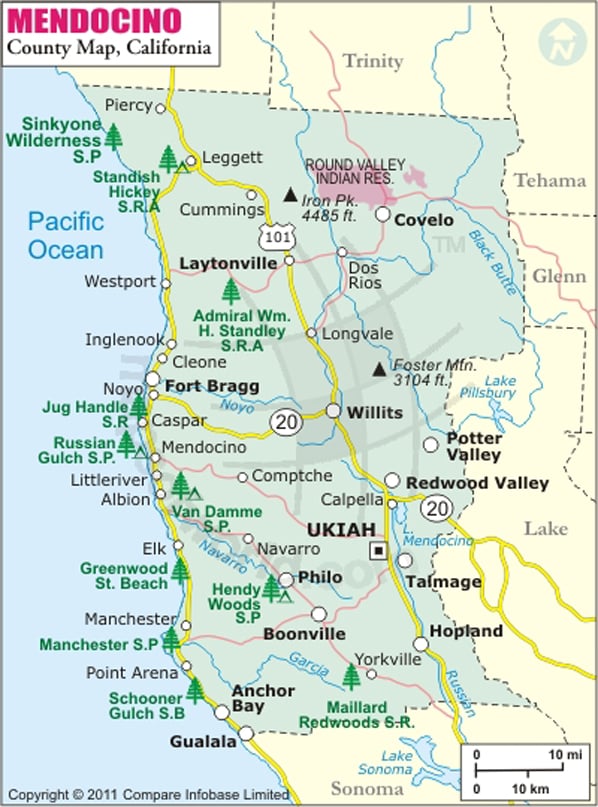
The Pacific Coastline
The defining feature of Mendocino County is its spectacular coastline. This stretch of California is renowned for its dramatic cliffs, sea stacks, hidden coves, and expansive beaches. Unlike the sandy, sun-drenched beaches of Southern California, the Mendocino coast is often windswept and dramatic, offering a raw, natural beauty. Key coastal highlights include:
- Mendocino Village: Perched on a bluff overlooking the ocean, this charming village is a picturesque artist colony, often compared to a New England seaside town. Its Victorian architecture and stunning ocean vistas make it a premier destination.
- Fort Bragg: A larger coastal town, Fort Bragg is famous for its unique Glass Beach, where centuries of discarded glass have been smoothed by the ocean into colorful pebbles.
- Point Arena Lighthouse: Standing sentinel over the coast, this historic lighthouse offers panoramic views and a glimpse into maritime history.
- Usal Beach: A more remote and rugged beach, offering a sense of wildness and solitude.
Inland Terrains: Forests and Mountains
As one travels eastward from the coast, the landscape of Mendocino County transforms dramatically. The rolling coastal hills give way to denser forests, home to some of the world’s tallest trees, and eventually to more mountainous terrain.
- Redwood Forests: A significant portion of the county is covered by magnificent redwood forests. These ancient groves, part of the California coast redwood ecosystem, offer a tranquil and awe-inspiring experience. Parks like Montgomery Woods State Natural Reserve and Van Damme State Park provide opportunities for hiking, camping, and simply marveling at these giants.
- Mendocino National Forest: While much of the eastern border is defined by the Mendocino National Forest, the county itself contains vast wilderness areas that are ecologically connected to this larger protected region. These areas offer rugged hiking, hunting, and a true escape into nature.
- Rolling Hills and Agricultural Lands: Between the coast and the deeper inland forests, rolling hills dominate, interspersed with vineyards, apple orchards, and ranches. This blend of agriculture and natural beauty is characteristic of the county’s interior.
Major Waterways
Several important waterways crisscross Mendocino County, shaping its geography and supporting its diverse ecosystems.
- Russian River: While its headwaters are in the northern part of the county, the Russian River flows primarily through neighboring Sonoma County before reaching the Pacific. However, its tributaries and the general watershed influence the southern parts of Mendocino County.
- Navarro River: This significant river flows from the interior mountains to the coast, creating the beautiful Navarro River State Beach and offering opportunities for kayaking and exploring its estuary.
- Eel River: The mighty Eel River dominates the northern part of the county, carving dramatic canyons and providing a vital ecosystem for various species.
Access and Transportation

Understanding where Mendocino County is located also involves knowing how to get there and navigate its terrain. Due to its relatively remote nature, transportation requires a bit of planning.
Driving Routes
The most common way to reach Mendocino County is by car.
- From San Francisco Bay Area: The primary route is taking US-101 North to Cloverdale, then Highway 128 West towards the coast, or continuing further north on 101 and taking Highway 1 North to access the southern part of the county. Alternatively, Highway 1 North can be taken directly from the Golden Gate Bridge, offering a more scenic, though often slower, coastal drive.
- From Sacramento: Drivers typically take I-5 North to Willows, then Highway 16 West to Highway 101 South, eventually connecting to Highway 128 West or other routes into the county.
- Highway 1: This iconic scenic highway runs along the entire western edge of Mendocino County, connecting its coastal towns and offering unparalleled ocean views. It is a destination in itself, known for its winding roads and breathtaking vistas.
- Inland Highways: Highways like 128, 162, and 20 provide access to the interior regions and connect the coast to US-101. These roads often traverse through redwood forests and agricultural lands.
Airports and Public Transportation
Mendocino County does not have major commercial airports within its borders. The closest significant airports are:
- Charles M. Schulz–Sonoma County Airport (STS) in Santa Rosa, about an hour and a half drive south of the county line.
- San Francisco International Airport (SFO) and Oakland International Airport (OAK), which are major hubs but require a 3-4 hour drive to reach Mendocino County.
Public transportation within Mendocino County is limited, primarily consisting of local bus services. For exploring the vast natural areas and smaller towns, a personal vehicle is highly recommended.
Climate and Best Times to Visit
The location of Mendocino County along the coast and its varied inland topography result in a range of microclimates.
- Coastal Climate: The immediate coast experiences a cool, temperate climate. Summers are often mild and foggy, with temperatures rarely exceeding the low 70s Fahrenheit. This fog is a defining characteristic, often lifting in the afternoon to reveal stunning coastal views. Winters are cool and wet, with temperatures rarely dropping below freezing.
- Inland Climate: Moving inland, temperatures become more extreme. Summers are warmer and drier, with inland valleys reaching into the 80s and 90s Fahrenheit. Winters are cooler, with a higher chance of frost and occasional snow in the higher elevations.
The best time to visit Mendocino County depends on your interests:
- Spring (April-May): Wildflowers bloom in abundance, and the coastal fog often recedes, offering clear days and vibrant green landscapes.
- Summer (June-August): The most popular time for visitors, offering generally pleasant coastal weather, though fog can be persistent. Inland areas are warmer. This is ideal for enjoying the beaches, whale watching, and outdoor festivals.
- Autumn (September-October): This is often considered the “secret summer” with sunny, warm days and less fog. The inland vineyards are particularly beautiful during harvest season.
- Winter (November-March): The rainiest season, but also the quietest. It’s a great time for storm watching on the coast, cozying up in a charming inn, and enjoying the dramatic, raw beauty of the landscape. This is also prime whale migration season.

Conclusion: A Distinctive Northern California Gem
Mendocino County occupies a unique and captivating corner of California. Situated on the rugged northwestern coast, it offers a dramatic departure from the more populated and developed areas of the state. Its positioning between the vast Pacific Ocean and the majestic redwood forests creates a landscape of unparalleled natural beauty. From the picturesque bluffs of Mendocino Village to the ancient groves of its inland forests, the county is a destination for those seeking natural splendor, artistic inspiration, and a slower pace of life. Understanding its location is the gateway to discovering the diverse ecosystems, charming communities, and unforgettable experiences that define this extraordinary region.
LifeOutOfTheBox is a participant in the Amazon Services LLC Associates Program, an affiliate advertising program designed to provide a means for sites to earn advertising fees by advertising and linking to Amazon.com. Amazon, the Amazon logo, AmazonSupply, and the AmazonSupply logo are trademarks of Amazon.com, Inc. or its affiliates. As an Amazon Associate we earn affiliate commissions from qualifying purchases.