
California, a state synonymous with innovation, natural beauty, and a vibrant lifestyle, often comes with a financial caveat: its reputation for high taxes. For anyone considering moving to, retiring in, or even undertaking an extended stay in the Golden State, understanding the tax landscape is crucial for effective lifestyle planning and budgeting. From the sun-drenched beaches of Santa Monica to the bustling tech hubs of Silicon Valley, the costs associated with living and enjoying a California lifestyle are significantly influenced by various state and local levies. This exploration delves into how much California taxes typically take out, providing an insightful perspective for those navigating their financial journey within this dynamic state.
Understanding California’s Income Tax Landscape
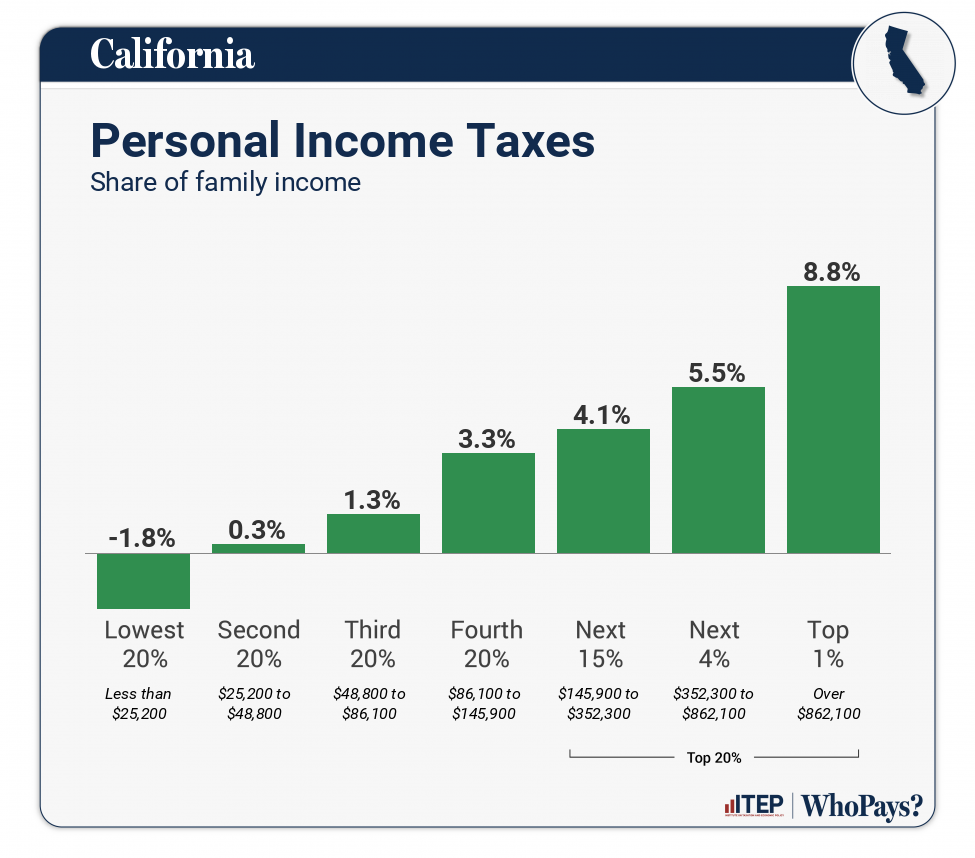
At the forefront of California’s tax structure is its progressive income tax system, one of the most comprehensive in the United States. This system is designed to tax higher earners at a greater percentage, directly impacting the disposable income available for lifestyle choices, savings, and investments.
Progressive Tax Brackets
California’s income tax rates range from 1% to 12.3%, with an additional 1% surcharge for taxable incomes over $1 million, bringing the top marginal rate to 13.3%. These brackets are adjusted annually for inflation. For an individual or family, this means that as earnings increase, a larger portion of each additional dollar earned goes towards state income tax. This can significantly affect the lifestyle choices of high-income professionals in cities like San Francisco or Los Angeles, influencing decisions on housing, luxury purchases, and leisure activities. Conversely, lower-income individuals face a smaller tax burden, though the overall cost of living can still present challenges. Understanding these progressive rates is vital for budgeting, whether one is planning a career in Sacramento or aiming for a comfortable retirement near Lake Tahoe.
Impact on Diverse Lifestyles
The income tax burden profoundly shapes various lifestyles across the state. For young professionals entering the workforce, the net income available after state taxes will dictate their housing options, dining habits, and ability to save for future goals like homeownership or travel. For established families, the tax impact influences choices regarding private education, vacation budgets, and retirement planning. Those considering early retirement in California must factor in how their pension, investment income, or withdrawals from retirement accounts will be taxed, potentially altering their projected lifestyle standard. The cumulative effect of these taxes means meticulous financial planning is not just advisable, but essential, to maintain desired living standards, whether in the vineyards of Napa Valley or the urban sprawl of San Diego.
Sales Tax and the Cost of Daily Living
Beyond income, the price of goods and services in California is subject to sales tax, which is another significant contributor to the overall cost of living and lifestyle expenses. This tax affects virtually every consumer purchase, from groceries (though some food items are exempt) to retail therapy and entertainment.
Statewide Rates vs. Local Additions
California has a base statewide sales tax rate of 7.25%. However, this is rarely the final rate consumers pay. Most cities and counties impose additional district sales taxes, which can push the combined rate significantly higher. For example, some areas in Los Angeles County have combined rates exceeding 10%. This means that for every $100 spent on taxable items, an individual could be paying over $10 in sales tax alone. This directly impacts the budget for discretionary spending, whether it’s shopping on Beverly Hills‘ Rodeo Drive, purchasing gear for a trip to Yosemite National Park, or dining out in a trendy San Francisco restaurant. Understanding these localized variations is critical for budgeting daily expenses and making informed purchasing decisions.
High-Value Purchases and Budgeting
The effect of sales tax is particularly pronounced on high-value purchases such as vehicles, electronics, and home furnishings. A new car costing $30,000, for instance, could incur an additional $2,500 to $3,000 in sales tax, depending on the specific location of purchase. This added cost must be factored into the overall budget for major lifestyle upgrades or necessities. For tourists or those on extended visits, this means souvenir shopping or investing in local goods will also carry this additional burden. Even online purchases from retailers without a physical presence in California are generally subject to sales tax if the item is shipped to a California address. This pervasive tax structure necessitates a conscious approach to budgeting for consumer goods, ensuring that the sales tax “take out” is adequately accounted for in financial planning.
Property Tax and Housing Affordability
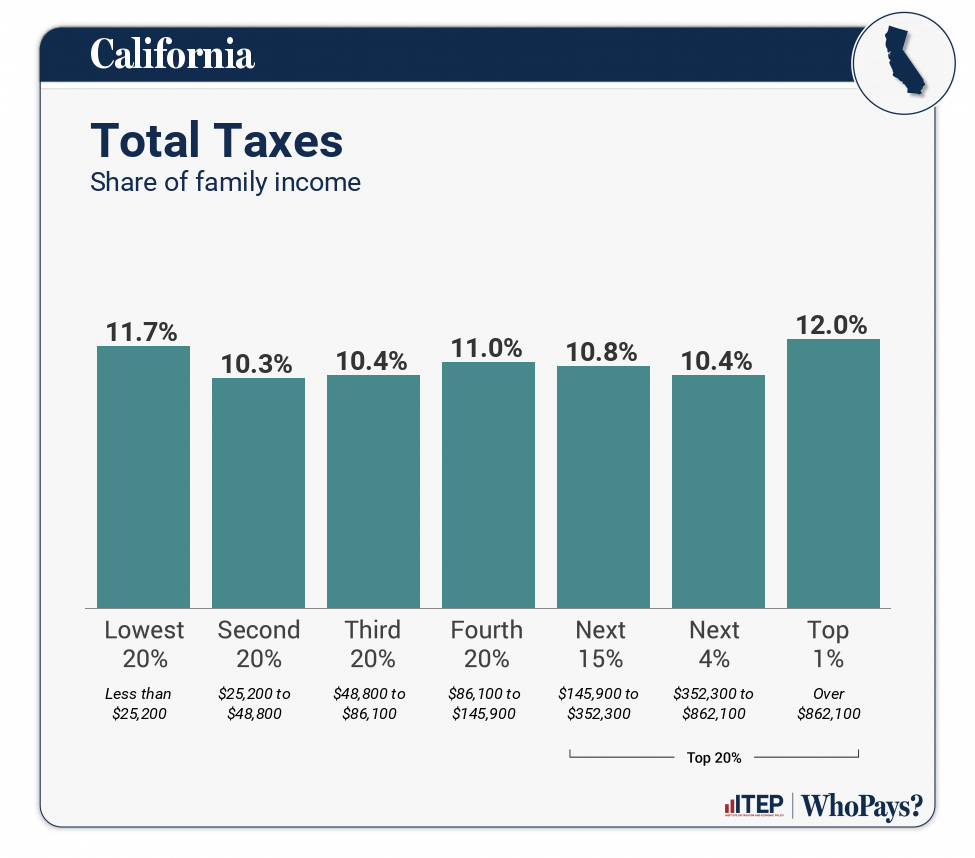
While not a direct “take out” from every individual’s paycheck, property taxes profoundly influence the cost of housing and, by extension, the lifestyle of residents in California. Given the state’s notoriously high real estate prices, understanding property tax implications is vital for homeowners and renters alike.
Proposition 13 and Its Implications
California’s property tax system is largely governed by Proposition 13, enacted in 1978. This landmark proposition limits property taxes to 1% of the property’s assessed value at the time of purchase, plus local voter-approved bonds and levies, typically resulting in an effective rate between 1.1% and 1.25%. Critically, Proposition 13 also caps the annual increase in assessed value for tax purposes at a maximum of 2% as long as the property is not sold. While this protects long-term homeowners from skyrocketing tax bills, it also means that new buyers often face significantly higher property taxes based on current market values. This system creates a disparity, where a long-time resident might pay substantially less in property tax than a new homeowner for an identical property, impacting generational wealth transfer and housing market dynamics. For families aspiring to own a home in desirable areas, the effective property tax rate on current market values can add thousands to monthly housing costs, influencing their overall financial capacity for other lifestyle expenditures.
Rental Market and Property Tax Influence
The effects of property tax are not confined to homeowners; they indirectly impact renters as well. Landlords factor property taxes, along with other operating costs, into rental prices. In a state with a competitive rental market and high property values, such as in San Francisco or Los Angeles, these costs contribute to some of the highest rental rates in the nation. For individuals choosing to rent rather than buy, a significant portion of their monthly housing expense is indirectly funding property taxes. This directly affects their discretionary income, influencing their ability to enjoy California’s myriad attractions, from theme parks to national parks like Death Valley. Thus, even without directly paying property tax, understanding its role in the housing market is essential for any California lifestyle budget.
Other Notable Taxes Affecting Lifestyle Choices
Beyond income, sales, and property taxes, several other levies contribute to the overall financial burden in California, each impacting specific aspects of a resident’s or visitor’s lifestyle.
Vehicle-Related Taxes and Fees
Given California’s vast distances and car-centric culture, vehicle-related taxes and fees are a significant “take out” for many. These include vehicle registration fees, which are among the highest in the nation and vary based on the vehicle’s value, weight, and type. Additionally, there are gasoline taxes, which fund road maintenance and public transportation projects. California typically has some of the highest gas prices in the U.S., partly due to these taxes and other environmental regulations. For individuals who commute long distances or enjoy road trips to explore the state’s diverse landscapes, these costs can add up substantially, impacting their transportation budget and overall discretionary spending. Choosing to drive an electric vehicle can mitigate some fuel costs, but registration fees still apply.
Specialized Taxes and Their Reach
California also imposes various specialized taxes that can affect particular lifestyles or consumer habits. These include excise taxes on tobacco and alcohol, which increase the cost of these goods. For environmentally conscious residents, a carbon tax, while not directly visible, is often embedded in energy costs, influencing utility bills. Local tourism taxes and hotel occupancy taxes impact visitors and those planning staycations, directly adding to the cost of travel and temporary accommodation. Even small details, like bottle and can recycling fees, contribute to the cumulative effect of taxes on daily living. While individually these might seem minor, their combined impact underscores the comprehensive nature of California’s tax system and its broad reach into every facet of life and leisure.
Strategic Financial Planning for a California Lifestyle
Navigating the financial landscape of California requires diligent planning and a clear understanding of where taxes will “take out” from your earnings and spending. For many, the allure of the California dream is strong, but a realistic approach to budgeting is paramount to turn that dream into a sustainable lifestyle.
Budgeting for High Costs
Given the high cost of living exacerbated by the various taxes, meticulous budgeting is not a suggestion but a necessity. This involves not only tracking income and expenses but also specifically allocating funds for the anticipated tax burden across different categories. For new residents or those planning an extended stay, creating a comprehensive budget that accounts for above-average housing costs, higher sales taxes, and state income tax withholding is the first step. This might involve adjusting lifestyle expectations, perhaps opting for more budget-friendly entertainment options, cooking more at home, or exploring public transportation where available to offset vehicle-related costs. The goal is to maximize the enjoyment of California’s unique offerings while maintaining financial stability.

Seeking Professional Advice
For complex financial situations, such as significant income changes, property transactions, or retirement planning in California, seeking advice from a qualified tax professional or financial advisor specializing in California tax law is highly recommended. These experts can provide personalized strategies to optimize tax efficiency, identify eligible deductions and credits, and ensure compliance with state regulations. Whether you’re a high-net-worth individual, a small business owner, or simply someone looking to make the most of their finances in the Golden State, professional guidance can be invaluable in mitigating the “take out” from California taxes and securing a comfortable, fulfilling lifestyle.
LifeOutOfTheBox is a participant in the Amazon Services LLC Associates Program, an affiliate advertising program designed to provide a means for sites to earn advertising fees by advertising and linking to Amazon.com. Amazon, the Amazon logo, AmazonSupply, and the AmazonSupply logo are trademarks of Amazon.com, Inc. or its affiliates. As an Amazon Associate we earn affiliate commissions from qualifying purchases.