
Navigating the process of registering a vehicle in the Lone Star State can seem like a bureaucratic maze, but with the right information, it’s a straightforward task. Whether you’re a new resident settling into a vibrant city like Austin or Dallas, or a long-time Texan updating your vehicle’s registration, understanding the requirements is key to avoiding fines and ensuring your car is legally on the road. The Texas Department of Motor Vehicles (TxDMV) oversees this process, aiming to make it as efficient as possible for its citizens. This guide will walk you through the essential documents and steps required to successfully register your car in Texas.
Understanding Texas Vehicle Registration Requirements
Before you head to your local county tax assessor-collector’s office, it’s crucial to understand the core components of vehicle registration in Texas. The state requires all motor vehicles operating on public roads to be registered. This process not only legitimizes your vehicle but also helps fund transportation infrastructure and law enforcement. The requirements are designed to ensure that vehicles are safe, properly insured, and meet state standards.
Proof of Vehicle Ownership and Identity
The foundation of any vehicle registration is demonstrating that you are the rightful owner of the vehicle and that you are who you say you are. This typically involves a few key documents.
Title
The most critical document is the vehicle’s title. This legal document proves ownership. If you purchased the vehicle from a dealer, they will usually handle the title transfer process and submit the necessary paperwork to the state. If you bought from a private seller, you will need to obtain the signed-over title from them. Ensure the title is free of liens or that you have a lien release if applicable.
Identification
You will need to present a valid, government-issued photo ID to verify your identity. Acceptable forms typically include a Texas driver’s license, a U.S. passport, or a military ID. The name on your identification must match the name on the vehicle’s title and registration application.
Proof of Residency
While often tied to your driver’s license, you may occasionally be asked for additional proof of residency within Texas, especially if your address on your ID is not current or if you are a new resident. Utility bills, lease agreements, or bank statements can serve this purpose.
Vehicle Inspection and Insurance
Texas has specific requirements regarding vehicle safety and insurance, which are integral to the registration process.
Vehicle Inspection Report (VIR)
For most passenger vehicles, a state vehicle inspection is mandatory before you can register your car. This inspection ensures that your vehicle meets minimum safety and emissions standards. It’s important to note that as of January 1, 2025, Texas transitioned from a two-step inspection and registration process to a one-step process. Drivers will no longer be required to have a separate inspection sticker to renew their registration. However, the requirement to pass a state vehicle safety inspection still exists and must be completed within 90 days prior to the vehicle’s registration expiration. The inspection station will electronically transmit your inspection results to the TxDMV. Ensure your inspection station provides you with a Vehicle Inspection Report (VIR), which contains your vehicle’s Vehicle Identification Number (VIN) and inspection status.
Proof of Financial Responsibility (Insurance)
Texas law mandates that all vehicle owners carry a minimum amount of liability insurance. You will need to provide proof of this insurance, typically in the form of an insurance card or a policy declaration page from a Texas-approved insurance provider. The policy must be active at the time of registration. The minimum coverage requirements are often referred to as “30/60/25” coverage: $30,000 for bodily injury per person, $60,000 for bodily injury per accident, and $25,000 for property damage per accident.
The Registration Process: Step-by-Step
Once you have gathered all the necessary documents, the next step is to visit your local county tax assessor-collector’s office. These offices are the designated entities responsible for processing vehicle registrations across the state.
Filling Out the Application
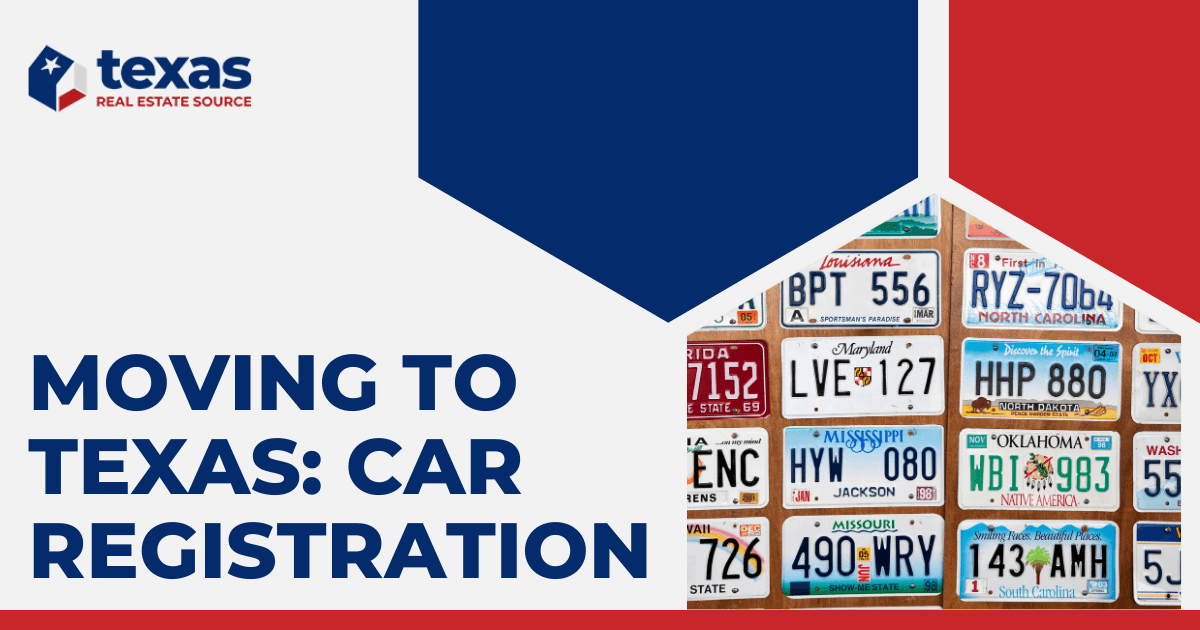
You will need to complete a Vehicle Registration Application (Form 130-U). This form requires detailed information about you, the vehicle, and its ownership history. You can often download this form from the TxDMV website or pick one up at the tax office. Ensure all fields are filled out accurately and legibly.
Submitting Your Documents
At the tax assessor-collector’s office, you will present your completed application along with all supporting documents:
- Proof of ownership (title)
- Valid photo identification
- Proof of residency (if required)
- Vehicle Inspection Report (VIR)
- Proof of financial responsibility (insurance card/policy)
The county clerk will review your documents to ensure everything is in order.
Paying the Fees
Vehicle registration fees vary based on several factors, including the type of vehicle, its weight, and its age. There may also be additional local fees. You will be required to pay these fees at the time of registration. Accepted payment methods typically include cash, check, money order, and sometimes credit or debit cards (though some offices may charge a convenience fee for card payments).
Receiving Your Registration and License Plates
Upon successful submission of all required documents and payment of fees, you will receive your new vehicle registration certificate and license plates. If you are renewing an existing registration and keeping your current license plates, you will simply receive the updated registration sticker. If you are getting new license plates, you will be issued those at the office. It’s important to affix the registration sticker to your license plate as soon as possible.
Special Circumstances and Additional Considerations
While the general process covers most vehicle owners, there are a few special circumstances that might require additional steps or documentation.
New Residents
If you are moving to Texas from another state, you will need to register your vehicle within 30 days of establishing residency. In addition to the standard requirements, you will likely need to obtain a Texas title for your vehicle and potentially a Texas driver’s license. The process for titling and registering an out-of-state vehicle in Texas often involves a VIN inspection conducted by law enforcement or a designated inspection station to verify the vehicle’s identity.
New Vehicles
When purchasing a new vehicle from a dealership, the dealer typically handles the titling and registration process for you. They will collect the necessary taxes and fees and submit the paperwork to the state. You will then receive your new license plates and registration documents either directly from the dealer or by mail.
Used Vehicles
For used vehicles purchased from a private seller, the buyer is generally responsible for transferring the title and registering the vehicle. This involves obtaining the signed-over title from the seller and completing the necessary paperwork at the county tax office.
Specialty License Plates
Texas offers a wide array of specialty license plates that allow vehicle owners to express their interests or support for various causes. These plates often come with an additional annual fee on top of the standard registration fees. You can explore the available options on the TxDMV website and make your selection when you register your vehicle.
Maintaining Compliance
Vehicle registration in Texas is not a one-time event. It’s an annual process that ensures your vehicle remains legal to operate on the roads.
Renewal Process
Your vehicle registration will expire annually. You will receive a renewal notice in the mail from the TxDMV approximately 60 days before your expiration date. You can renew your registration online through the TxDMV website, by mail, or in person at your county tax assessor-collector’s office. It’s crucial to complete the renewal process before your current registration expires to avoid late fees and potential citations.
Vehicle Inspection Reminders
Even with the move to a one-step registration process, remember that the safety inspection remains a requirement. Keep track of your inspection expiration date and ensure your vehicle passes before renewing your registration. Many inspection stations will provide you with a reminder if your inspection is nearing its expiration.
By understanding these requirements and following the outlined steps, registering your car in Texas can be a smooth and hassle-free experience. A little preparation goes a long way in ensuring you comply with state laws and can enjoy your travels across the diverse landscapes of Texas without any automotive legal concerns.
LifeOutOfTheBox is a participant in the Amazon Services LLC Associates Program, an affiliate advertising program designed to provide a means for sites to earn advertising fees by advertising and linking to Amazon.com. Amazon, the Amazon logo, AmazonSupply, and the AmazonSupply logo are trademarks of Amazon.com, Inc. or its affiliates. As an Amazon Associate we earn affiliate commissions from qualifying purchases.